The year was 2015, and I was sitting in a sterile, air-conditioned restaurant in Bangkok, staring at a plate of "Pad Thai" that cost me 350 Baht (about $10 USD). It was bland, lukewarm, and utterly forgettable. Outside, the humid air hummed with the symphony of motorbikes, distant temple bells, and the tantalizing aroma of… something delicious. Something I couldn't quite place, but it smelled real.
My stomach grumbled, not from hunger, but from a profound sense of disappointment. I had saved for months for this trip, dreamed of exotic flavors, and here I was, playing it safe, blowing my budget on food I could get at home. This wasn't the adventure I craved. This wasn't authentic.
That night, something shifted. I decided to ditch the guidebook’s restaurant recommendations and follow my nose. I walked out into the bustling streets, past the neon lights and the tuk-tuks, until I found a tiny, unassuming cart surrounded by a queue of laughing locals. A stern-faced woman with quick hands was stirring noodles in a giant wok, steam rising to meet the streetlights. My palms were sweaty, a mix of fear and exhilaration. Was it safe? Would I get sick?
I pointed to what someone else was eating, mumbled "one please," and handed over 50 Baht (about $1.50). What arrived was a revelation: a vibrant, spicy, perfectly balanced Pad See Ew, smoky from the wok, bursting with fresh vegetables and tender chicken. It was the most incredible thing I’d eaten all trip, and it cost less than a cup of coffee back home.
That single plate of noodles changed my life forever. It wasn't just about the money I saved, though that was significant. It was about the cultural immersion, the connection, the sheer joy of tasting a place, not just seeing it. From that moment on, I vowed to eat like a local, for pennies, wherever I traveled. And let me tell you, it's been the most delicious, rewarding, and transformative journey of my life.
If you’re tired of tourist traps, want to save a fortune, and truly connect with the heart of a destination, then buckle up. I’m about to share all my secrets.
---
The Epiphany: Why Eating Local Isn't Just About Saving Money (It's About Everything)
Before we dive into the "how," let's talk "why." When I tell people I travel the world eating for a few dollars a day, their first thought is always "Wow, that saves so much money!" And yes, it absolutely does. But the financial savings are just the tip of the iceberg. Eating like a local is a gateway to:
- Authentic Cultural Immersion: Food is culture. It tells stories of history, tradition, family, and community. Eating where locals eat, what locals eat, is the fastest way to understand a place. You’re not just a spectator; you're participating in daily life.
- Unforgettable Flavors: Locals know where the good stuff is. They’ve grown up with these flavors, refined over generations. You’ll taste dishes you won't find in any tourist restaurant, often made with hyper-fresh, seasonal ingredients.
- Connecting with People: A smile, a shared meal, a simple "thank you" in the local language can open doors to heartwarming interactions. I've had conversations (often through gestures and broken English) with street vendors and market sellers that are more memorable than any museum visit.
- Adventure and Discovery: Stepping out of your comfort zone and trying something new is exhilarating. It builds confidence and makes you a more flexible, open-minded traveler.
- Supporting Local Economies: Your money goes directly to families, small businesses, and local farmers, not international chains or large corporations. It feels good to contribute directly to the community you're visiting.
My Bangkok Pad See Ew wasn't just food; it was a lesson in humility, adventure, and the profound beauty of local life. It taught me that the best experiences are often found off the beaten path, and usually, they come with a ridiculously small price tag.
---
The Golden Rule: Befriend the Street Food Vendor (And Their Cart!)
This is where the magic truly happens. Street food is the heartbeat of many cultures, a vibrant, delicious, and incredibly affordable culinary landscape. From Mexico City’s taco stands to Hanoi’s pho stalls, the street is your gourmet playground.
How to Spot a Winner:
- Look for a Queue: This is your golden ticket. Locals don't queue for bad food. A long line, especially during peak meal times (lunch, dinner), is a strong indicator of deliciousness and freshness.
- Observe the Locals: Are they eating enthusiastically? Do they look satisfied? Are they returning? Mimic their ordering style if you're unsure.
- Cleanliness (Relative): While street food isn't a Michelin-star kitchen, look for vendors who appear to keep their area tidy, use fresh ingredients, and handle food hygienically. If they're cooking food fresh to order, that's a huge plus. Avoid anything that looks like it's been sitting out for hours.
- High Turnover: This ensures ingredients are fresh. If a vendor is constantly cooking and serving, you know you're getting something recently prepared.
- Specialization: The best street food vendors often specialize in one or two dishes. They've perfected those recipes over years, sometimes generations. If a cart offers 50 different items, proceed with caution.
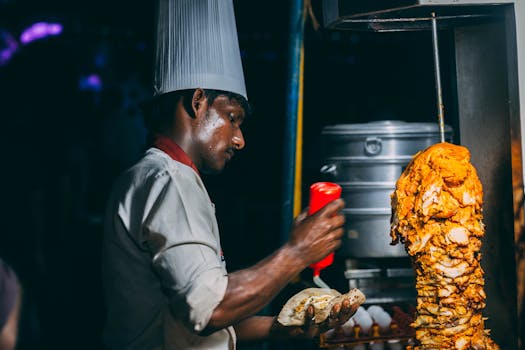
My Anecdote: In Mexico City, I found a Tacos al Pastor stand near my hostel. It was always swarming with people. The taquero, a jovial man named Miguel, would expertly shave succulent pork from a vertical spit, catching pineapple slices mid-air. For about 15-20 pesos ($0.75 - $1 USD) a taco, I’d get an explosion of flavor – marinated pork, fresh cilantro, onions, and a squeeze of lime. I ate there almost every day, practicing my terrible Spanish with Miguel, and learned that his family had run that stand for over 30 years. That connection, that taste, was priceless.
Practical Tips:
- Carry Small Bills/Coins: Street vendors often don't have much change.
- Learn a Few Phrases: "Hello," "Thank you," "One please," and "Delicious!" in the local language go a long way.
- Point if Necessary: Don't be shy. A smile and a point can communicate volumes.
- Embrace the Communal Experience: You might sit on tiny plastic stools, sharing a table with strangers. It’s part of the charm!
- Stay Hydrated: Always buy bottled water, especially from reputable sources, to avoid any stomach issues.
---
Market Magic: Your Culinary Playground Awaits
Beyond street food, local markets are an absolute goldmine for budget-friendly, authentic eats. Think vibrant colors, bustling energy, and a sensory overload that will awaken every one of your senses.
What to Look For:
- Prepared Food Stalls: Many markets have sections dedicated to ready-to-eat meals. This is where you'll find everything from freshly made empanadas in Argentina to savory curries in India, or delicious banh mi sandwiches in Vietnam. Prices are usually a fraction of what you'd pay in a restaurant. In Mercado de San Telmo in Buenos Aires, I once devoured three exquisite empanadas (one beef, one cheese and onion, one spinach) for about 300 ARS (roughly $1.50 USD at the time).
- Fresh Produce: If you have access to a kitchen or even just a knife, buying local fruits and vegetables can provide incredibly cheap and healthy snacks or even ingredients for a simple meal. Try fruits you've never seen before! In Southeast Asia, a whole mango or dragon fruit can cost less than a dollar.
- Artisan Cheeses, Breads, Meats: In Europe, markets like La Boqueria in Barcelona or Borough Market in London (though Borough can be pricier) offer incredible opportunities to assemble a gourmet picnic for a fraction of restaurant prices. Grab a fresh baguette, some local cheese, cured meats, olives, and a bottle of wine, and find a park or scenic spot. In Paris, I once bought a baguette, a small wedge of Brie, and a handful of cherries for about €7, and enjoyed it by the Seine. Pure bliss!
- Local Delicacies: Look for unique snacks or regional specialties that are sold directly by producers. These are often the freshest and most authentic versions.
Navigating the Market:
- Go Early: For the best selection and freshest goods, arrive when the market opens.
- Haggle (Respectfully): In many parts of the world (especially Asia, Africa, and Latin America), bargaining is expected. Do it with a smile, never aggressively. If you're buying food to eat on the spot, prices are usually fixed.
- Watch What You Touch: In some cultures, it’s considered rude to touch produce before buying it. Ask the vendor to select for you.
- Bring Your Own Bag: Be eco-friendly and avoid plastic.
---
The Lunchtime Secret: Menu del Día & Fixed-Price Feasts
This is a game-changer in many European and Latin American countries, and it's criminally overlooked by tourists. The "Menu del Día" (menu of the day) in Spain, "Prato do Dia" in Portugal, or similar fixed-price lunch menus in France, Italy, and much of Latin America, offer incredible value.
What to Expect:
- Multi-Course Meal: Typically includes a starter (soup, salad, pasta), a main course (meat or fish with sides), a dessert, and often a drink (wine, beer, water, or soda).
- Unbeatable Prices: You can often find a three-course meal for €8-€15 in Spain, for example, or even cheaper in Latin America (e.g., $3-$7 USD in Colombia or Peru). This would easily cost double or triple in the evening or if ordered à la carte.
- Fresh & Local: These menus are designed around seasonal, local ingredients. It’s how local workers and families eat their main meal of the day.
How to Find Them:
- Look for Signs: Restaurants will often display their "Menu del Día" or "Plat du Jour" on a chalkboard outside, or on a printed sign in the window.
- Ask Locals: "Hay un menú del día?" (Is there a menu of the day?) is a great phrase to learn.
- Venture Off the Main Squares: Touristy areas rarely offer these deals. Walk a few blocks away from the main attractions into residential or business districts.
My Anecdote: In Seville, Spain, I stumbled upon a tiny, family-run restaurant with a handwritten "Menú del Día" sign. For €12, I had a generous gazpacho, a perfectly cooked pork loin with patatas bravas, a slice of flan, and a glass of local red wine. The food was hearty, delicious, and I felt like I was dining in a local's home. It was a stark contrast to the €25 tapas I’d paid the night before in a tourist trap.
---
Beyond the Plate: Supermarket Savvy & Picnic Perfection
Sometimes, you just need a break from restaurant hopping, or you want to stock up on essentials. Local supermarkets are your best friend for breakfast, snacks, and picnic ingredients.
What to Do:
- Breakfast on a Budget: Skip the expensive hotel breakfast. Head to a local supermarket for yogurt, fresh fruit, bread, cheese, and local pastries. In Germany, I would buy fresh Brötchen (rolls), cold cuts, and cheese for less than €5, a far cry from the €20 hotel buffet.
- Snack Attack: Discover local chips, cookies, candies, and drinks. It’s a fun way to try new flavors unique to the region. I once found these incredible spicy mango candies in Thailand that I still dream about.
- Picnic Power: This is a classic budget traveler move. Combine items from the market (fresh bread, cheese, cured meats, olives, fruits) with supermarket finds (hummus, bottled drinks) for an incredible, cheap meal in a scenic location. Imagine eating fresh pasta salad and local wine by the Colosseum in Rome for under €10 per person!
- Self-Catering: If you have an Airbnb or hostel with a kitchen, buying groceries and cooking a few meals can significantly cut down costs. Even simple pasta or rice dishes with local vegetables can be delicious and incredibly cheap.
Pro Tip: Look for the store brands. They are almost always cheaper than international brands and often just as good, if not better, as they cater to local tastes.
---
Embrace the Unknown: A Little Adventure Goes a Long Way
The biggest barrier to eating like a local for pennies is often fear. Fear of the unknown, fear of getting sick, fear of looking foolish. My advice? Push past it.
- Try New Things: Don’t stick to what you know. If you see something that looks intriguing, give it a shot. That mysterious stew might be the best thing you’ve ever tasted.
- Ask for Recommendations: Don't be afraid to ask your hostel staff, local shopkeepers, or even fellow travelers for their favorite local, cheap eats. They live there; they know!
- Use Translation Apps: Google Translate with its camera function is a lifesaver for deciphering menus or ingredients.
- Be Open-Minded: Some dishes might look unusual, or the dining experience might be different from what you're used to. Embrace it as part of the adventure.
My Anecdote: In Vietnam, I was initially wary of the "egg coffee" (cà phê trứng). It sounded… strange. But everyone raved about it. I finally tried it at a small cafe in Hanoi for about 30,000 VND ($1.30 USD). It was a rich, creamy, sweet, and utterly delicious experience – like a liquid tiramisu. Had I let my initial apprehension win, I would have missed out on one of Vietnam's most unique culinary treasures.
---
The Unspoken Rules: Etiquette, Hygiene, and Common Sense
While the goal is to be adventurous, a little common sense and respect go a long way.
- Hygiene First: While my first Pad See Ew was a leap of faith, generally look for places that appear clean. If the vendor has clean hands, fresh ingredients, and a busy stall, you’re usually good. Trust your gut. If a place looks truly unhygienic, walk away.
- Water Wisdom: Always drink bottled water from sealed bottles. Avoid ice in drinks unless you're sure it's made from purified water (often the case in reputable establishments, but less so on the street).
- Tipping Culture: Research the local tipping customs. In some countries (like Japan), tipping can be considered rude. In others, a small tip for street food vendors is appreciated but not always expected. For fixed-price menus, rounding up or leaving a small amount is often sufficient.
- Be Respectful: When eating street food, be mindful of your surroundings. Don't block pathways, and dispose of your trash properly.
- Pace Yourself: Don't try to eat everything on day one. Give your stomach time to adjust to new foods and spices.
- Allergies: If you have severe allergies, eating street food can be challenging. Carry an allergy card in the local language, or stick to simpler, more identifiable dishes.
---
The Life-Changing Power of a Penny Meal
Eating like a local for pennies isn't just a budget hack; it's a philosophy. It's about stripping away pretension, embracing curiosity, and finding joy in the simple, profound act of sharing a meal with the world. It taught me that the richest experiences are rarely the most expensive. It taught me to trust my instincts, to be open to new cultures, and to find beauty in the everyday hustle of life.
From the smoky streets of Bangkok to the vibrant markets of Mexico City, from a humble Menu del Día in Seville to a picnic by the Seine, these culinary adventures have not only saved me thousands of dollars but have enriched my travels in ways I never thought possible. My life, and my travels, truly changed forever the day I decided to ditch the tourist trap and embrace the street.
Now, it's your turn. Go forth, explore, taste, and connect. Your next life-changing meal is waiting for you, probably for less than the cost of your morning coffee.
What's the most incredible, cheap local meal you've ever had on your travels? Share your stories and tips in the comments below! Let's inspire each other to eat authentically and deliciously, wherever we roam.
---