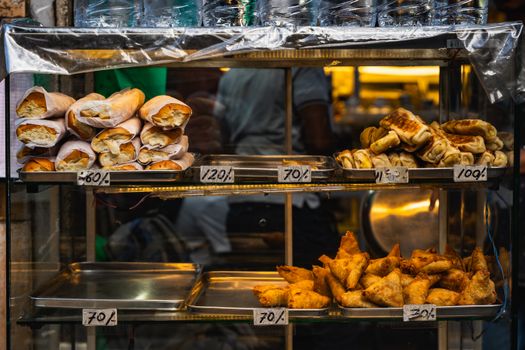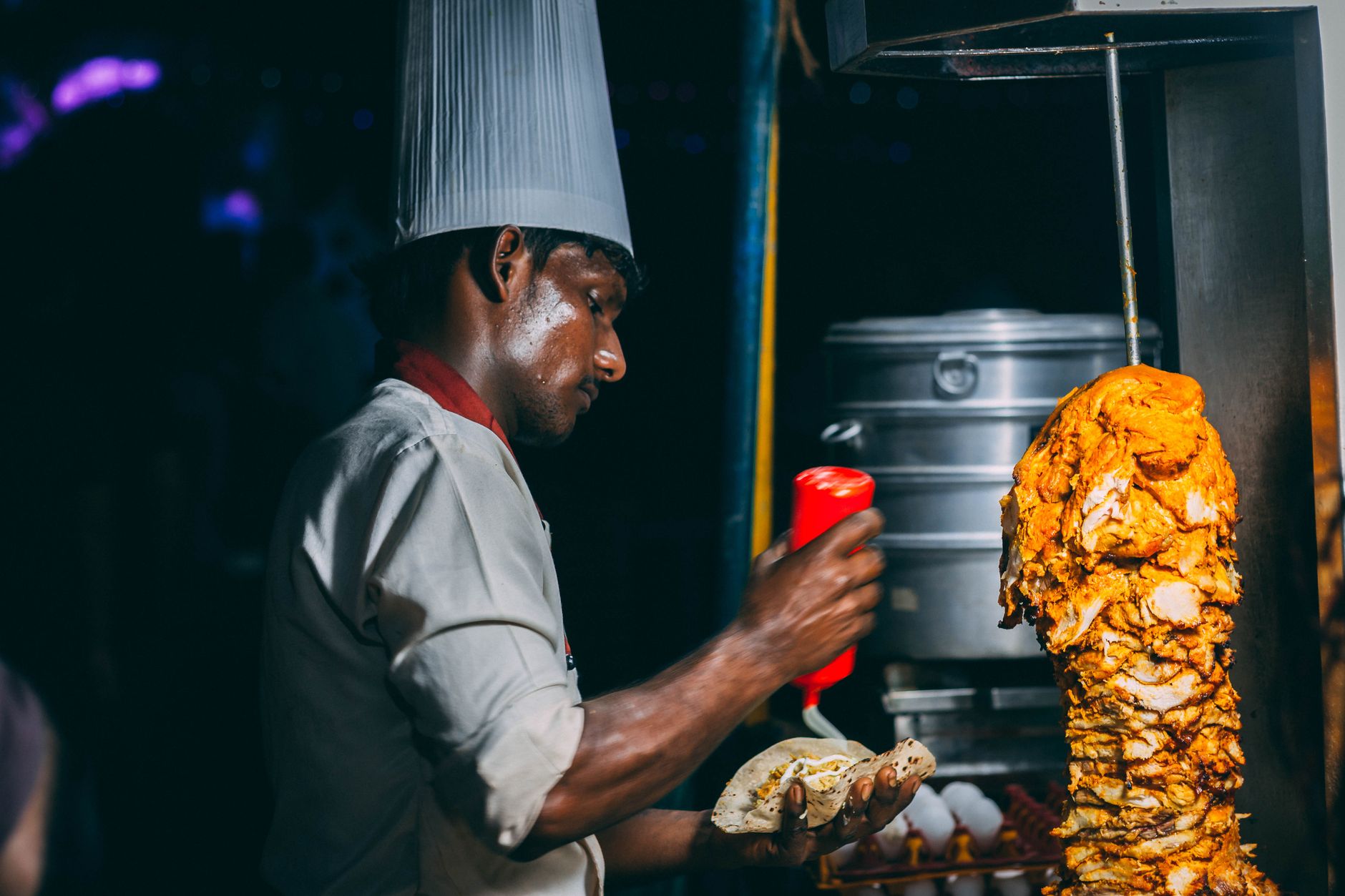
Remember that time you spent a fortune on a mediocre meal in a touristy square, only to see locals just a block away devouring incredible, fragrant dishes for a fraction of the price? Yeah, I've been there. My early travel days were a mix of "splurging" on disappointing restaurant food and then rationing instant noodles to make up for it. I was missing out, big time.
It wasn’t until a particularly tight budget trip through Southeast Asia that I had my "aha!" moment. Standing on a bustling street corner in Hanoi, overwhelmed by the symphony of sizzling woks, fragrant herbs, and happy chatter, I watched a tiny old woman expertly ladle steaming pho into bowls. I paid what felt like pocket change – barely $1.50 – for a bowl that exploded with flavor, warmth, and pure authenticity. It blew my mind. Not just because it was cheap, but because it was real. It tasted like the heart of Vietnam.
That day, my entire approach to travel eating changed. I realized that the best food, the most authentic experiences, and the deepest cultural connections often come with the smallest price tags. Eating like a local for pennies isn't just about saving money; it's about unlocking the true culinary soul of a destination. It’s about adventure, discovery, and creating unforgettable memories that no five-star restaurant can ever replicate.
So, if you're ready to ditch the overpriced tourist traps, ignite your taste buds, and feast like a king on a pauper's budget, buckle up! This comprehensive guide is packed with my tried-and-true strategies, personal anecdotes, and actionable tips that will blow your mind and transform your travel eating forever.
---
1. The Glorious World of Street Food: Your Culinary Classroom
If there’s one golden rule for eating like a local for pennies, it’s this: EMBRACE STREET FOOD. Forget any preconceived notions about hygiene; often, street food is fresher, faster, and prepared right in front of you, making it safer than many sit-down establishments. It’s the beating heart of a city's food scene, a vibrant, aromatic classroom where every dish tells a story.
Why It's a Game-Changer:
- Authenticity: This is where locals eat, where recipes have been perfected over generations.
- Freshness: High turnover means ingredients are often bought and cooked daily, sometimes hourly.
- Speed: Grab-and-go options mean more time for exploring.
- Price: Unbeatable value. You can often get a full, delicious meal for $1-$5.
- Cultural Immersion: It’s a sensory feast – the sights, sounds, smells, and interactions are pure magic.
Actionable Tips for Street Food Savvy:
- Follow the Crowds (The "Local Queue Test"): This is my number one rule. If a stall has a line of locals, especially during peak meal times, it's a surefire sign of deliciousness and freshness. Don't be shy; join the queue!
- Observe Hygiene: Look for stalls where food is cooked fresh to order, served hot, and the cooking area looks reasonably clean. If they’re constantly cleaning surfaces and have fresh ingredients, that’s a good sign. Avoid anything that looks like it’s been sitting out too long, especially in hot climates.
- Learn a Few Phrases: "Hello," "thank you," "how much?" and "this one, please" (pointing) can go a long way. A smile and a little effort to speak the local language are always appreciated.
- Carry Small Bills: Many street vendors deal primarily in cash, and often prefer smaller denominations. Break larger bills at a convenience store beforehand.
- Don't Be Afraid to Try: Some of the most incredible flavors come from dishes you might not recognize. Point at what looks good on someone else's plate or ask for the "specialty."
- Start Small: If you’re nervous, try a smaller snack or a single portion. You can always come back for more!
Personal Anecdote: My first bite of a pupusa in El Salvador was a revelation. For about 50 cents, I got a thick corn tortilla stuffed with cheese and beans, grilled to perfection, and served with tangy curtido (pickled cabbage). I stood there, mesmerized by the abuela flipping them with practiced ease, and knew I'd found my new obsession. I ate them almost daily, sometimes for breakfast, sometimes for a late-night snack. Pure, unadulterated bliss for pennies.
---
2. Market Mania: From Raw Goods to Ready-to-Eat Feasts
Beyond the street corners, the local market is your next best friend for budget-friendly, authentic eats. Markets are not just for buying raw ingredients; many host incredible food stalls, often with communal seating, offering dishes that rival any restaurant.
Why Markets are a Must-Visit:
- Variety: From exotic fruits and vegetables to fresh seafood, meats, cheeses, and baked goods.
- Prepared Food Stalls: Often serve full meals, snacks, and drinks at incredible prices.
- Cultural Experience: Immerse yourself in the local hustle and bustle, observe daily life, and interact with vendors.
- DIY Dining Potential: If you have access to a kitchen (hostel, Airbnb), markets are perfect for stocking up on fresh ingredients to cook your own meals, which is often the cheapest option of all.
Actionable Tips for Market Masterminds:
- Go Early or Late: Go early in the morning for the best selection and freshest produce. Sometimes, going late (just before closing) can yield discounts on perishable items.
- Explore All Sections: Don't just stick to the produce. Look for the prepared food sections, often tucked away.
- Sample Before You Buy: Many vendors, especially for fruits, cheeses, or cured meats, will offer samples. Take advantage of this to discover new favorites!
- Haggle (Politely, Where Appropriate): In some cultures (e.g., Southeast Asia, North Africa, parts of Latin America), haggling is expected, especially for non-food items or when buying in bulk. Always be polite, smile, and don't be aggressive. For prepared food, prices are usually fixed.
- Look for Lunch Counter Specials: Many larger markets have small eateries or counters offering daily specials that are incredibly affordable and delicious.
- Pack a Reusable Bag: Be eco-friendly and avoid plastic bags by bringing your own.
Personal Anecdote: I once spent a morning at La Boqueria Market in Barcelona, not just admiring the vibrant stalls but feasting! I grabbed a fresh fruit cup for €2, a cone of jamón ibérico for €3, and then spotted a small counter serving gambas al ajillo (garlic shrimp) with crusty bread for €7. It was an incredible, multi-course market brunch for less than €15, providing a far richer experience than any sit-down restaurant could have. The energy, the smells, the sheer abundance – it was pure magic.
---
3. The Midday Magic: Lunch Deals & Daily Specials (Menu del Día)
Many cultures offer incredible value for lunch, often in the form of a fixed-price menu that’s significantly cheaper than dinner. This "midday magic" is a secret weapon for budget travelers who still want a proper sit-down meal.
Why Lunch Deals are a Lifesaver:
- Unbeatable Value: Often includes multiple courses (appetizer, main, dessert), a drink, and sometimes even coffee for a fixed, low price.
- Quality Food: These aren't necessarily cheap eats; often, they're high-quality, local dishes designed to attract local workers and families.
- Experience a "Proper" Meal: If you occasionally crave a restaurant experience without the hefty price tag, this is your solution.
- Discover Hidden Gems: These deals are often found in local, non-touristy establishments.
Actionable Tips for Lunchtime Legends:
- Look for the Signs: Keep an eye out for "Menu del Día" (Spain, Latin America), "Plat du Jour" (France), "Pranzo di Lavoro" (Italy), "Business Lunch," or simply "Lunch Set" advertised outside restaurants.
- Check the Hours: These deals usually have specific time windows, typically between 12 PM and 3 PM.
- Venture Slightly Off the Main Drag: Restaurants directly on major tourist squares rarely offer these deals. Walk a block or two down a side street, and you'll find them.
- Ask a Local: If you're struggling to find one, ask your hostel staff, a shopkeeper, or even a friendly local you meet. They'll point you to the best spots.
- Don't Be Afraid to Look Inside: Sometimes the menu is only displayed inside, or even just verbally offered.
Personal Anecdote: In Spain, the Menu del Día became my culinary compass. For as little as €10-€15, I would get a starter (like a hearty lentil soup or salad), a main course (roast chicken, paella, or fresh fish), a drink (wine, beer, or soda), and dessert. I remember a particularly memorable one in Seville, where I enjoyed a sublime gazpacho, followed by perfectly grilled sardines, and finished with a creamy flan, all while soaking in the local atmosphere. It felt like a steal, and I left feeling completely satisfied, ready for an afternoon of exploring.
---
4. The Art of the Snack Attack: Small Bites, Big Flavor, Tiny Price
Who says you need three square meals a day? Embracing the "snack attack" strategy allows you to constantly graze on delicious, authentic, and incredibly cheap local bites throughout the day. This keeps you fueled, allows you to try a wider variety of dishes, and avoids the temptation of expensive, sit-down meals.
Why the Snack Attack Wins:
- Variety is the Spice of Life: Try more local specialties without committing to a full meal.
- Constant Fuel: Keeps your energy levels up for all that sightseeing.
- Super Budget-Friendly: Individual snacks are often just pennies or a dollar or two.
- Flexibility: Eat when you're hungry, not just at designated meal times.
Actionable Tips for Snack Attack Strategists:
- Embrace Local Bakeries: Panaderías in Latin America, boulangeries in France, pastelerias in Portugal – these are treasure troves of cheap, delicious pastries, breads, and sometimes savory items. A fresh croissant for €1 or an empanada for $0.75? Yes, please!
- Look for Kiosks and Small Shops: Many small convenience stores or dedicated kiosks sell inexpensive packaged snacks, drinks, and sometimes even hot items like hot dogs or small sandwiches.
- Utilize Grocery Stores: For pre-packaged snacks, fresh fruit, yogurt, or a bottle of water, local supermarkets are always cheaper than tourist shops.
- Try Skewers and Small Fritters: Many cultures have delicious grilled skewers (satay in Southeast Asia, brochettes in the Middle East) or savory fritters (samosas in India, falafel in the Levant) that are perfect for a quick, cheap bite.
- Picnic in a Park: Grab some bread, cheese, cured meats, and fresh fruit from a market or grocery store, find a scenic park, and enjoy a delightful, super-cheap picnic.
Personal Anecdote: My trip to Lisbon was fueled by pastel de nata. For about €1.20 a piece, these warm, custard-filled tarts became my breakfast, my afternoon pick-me-up, and my late-night treat. I’d grab one from a tiny bakery, stand at the counter like a local, and savor every flaky, creamy bite. It wasn't just a snack; it was a ritual, a taste of Lisbon's sweet soul that cost me next to nothing. Similarly, in India, I lived off of incredibly cheap and flavorful samosas and pakoras from street vendors, each costing less than 50 cents.
---
5. Befriend a Local & Embrace the Couchsurfing Kitchen
This strategy isn't just about saving money; it's about enriching your travel experience exponentially. Connecting with locals can lead to invitations for home-cooked meals, which are often the most authentic and memorable culinary experiences you can have.
Why Local Connections are Priceless:
- Authentic Home Cooking: Taste dishes that you won't find in any restaurant.
- Cultural Exchange: Learn about local customs, cooking techniques, and family traditions.
- Insider Tips: Locals know the absolute best, cheapest, and most authentic eateries.
- Lifelong Memories: These interactions often become the highlight of a trip.
Actionable Tips for Connecting with Locals:
- Ask for Recommendations: Don't just ask your hotel concierge; strike up conversations with shopkeepers, taxi drivers, baristas, or fellow travelers. Ask them where they eat. "Where would you take your family for a good, cheap meal?" is a great question.
- Use Couchsurfing (Even if Not Staying): The Couchsurfing app isn't just for free accommodation; it has a "Hangouts" feature where you can meet locals for coffee, a walk, or even a cooking session. Offer to contribute ingredients or help cook.
- Take a Local Cooking Class: Many destinations offer affordable cooking classes that include a market visit and a full meal. It's a fantastic way to learn about the cuisine and meet locals (both the instructor and fellow students).
- Stay at Hostels with Communal Kitchens: This is a fantastic way to meet fellow travelers and often, local staff. You can share ingredients, cook together, and swap stories and tips.
- Volunteer or Participate in Local Events: Engaging with the community often opens doors to invitations and deeper cultural insights.
Personal Anecdote: While Couchsurfing in Medellín, Colombia, my host, Juan, invited me to his family's Sunday sancocho lunch. It was a huge, hearty soup, slow-cooked for hours, bursting with root vegetables, plantains, and different meats. Sitting around a bustling table with his multi-generational family, sharing stories, and savoring this incredible, soul-warming dish was an experience I'll never forget. It cost me nothing but a willingness to connect, and it tasted like pure love and hospitality. I offered to help with dishes afterward, of course!
---
6. Hydration & Sweet Endings: Budget-Friendly Sips & Treats
Don't let drinks and desserts secretly blow your budget! While a fancy cocktail or a gourmet dessert can be a treat, there are plenty of delicious and cheap ways to stay hydrated and satisfy your sweet tooth like a local.
Why Smart Sips & Sweets Matter:
- Hidden Costs: Bottled water, sodas, and expensive desserts can quickly add up.
- Local Flavors: Discover unique local beverages and traditional sweets.
- Sustainable Travel: Reduce plastic waste by refilling water.
Actionable Tips for Savvy Sips & Sweet Treats:
- Carry a Reusable Water Bottle: This is perhaps the most impactful tip. Refill it at your accommodation, cafes (ask politely), or public fountains if the tap water is safe. If not, buy large jugs of water from a supermarket and refill from there.
- Embrace Local Tap Water (If Safe): Do your research. In many countries (e.g., Western Europe, North America, Australia), tap water is perfectly safe and free.
- Try Local Coffee/Tea: Skip the chain coffee shops. Find a local cafe and enjoy a traditional coffee or tea. In Vietnam, a strong, sweet cà phê sữa đá (iced coffee with condensed milk) can be as little as $1. In Turkey, a glass of traditional çay (tea) is pennies.
- Fresh Juices from Stalls: In many tropical countries, street vendors sell freshly squeezed fruit juices or coconut water for a dollar or two. They're refreshing, healthy, and cheap!
- Market Sweets & Bakery Delights: As mentioned in the snack section, markets and local bakeries are goldmines for cheap and delicious desserts. Think small pastries, cookies, or individual slices of cake.
- Local Ice Cream/Gelato: While touristy areas might charge a premium, seek out local gelaterias or ice cream parlors slightly off the main drag for better prices and more authentic flavors.
Personal Anecdote: In Thailand, the heat was relentless, and I quickly learned that buying bottled water constantly was both expensive and wasteful. I invested in a large bottle of water from a 7-Eleven for about 50 cents and refilled my smaller reusable bottle from it. For drinks, I became addicted to fresh mango sticky rice shakes from street vendors – a delicious, creamy, and filling treat for about $1.50. And nothing beat the pure bliss of cracking open a fresh coconut on a beach in Koh Lanta, sipping its cool water directly, for less than $2.
---
Conclusion: Feast Like a King, Explore Like a Local
Eating like a local for pennies isn't just a budgeting hack; it's a philosophy, a gateway to deeper travel experiences. It's about shedding the tourist facade, stepping out of your comfort zone, and truly immersing yourself in the culinary tapestry of a destination. It's about discovering that the most profound flavors and memorable moments often come from the humblest of settings – a bustling street corner, a vibrant market stall, or a warm family kitchen.
By embracing these strategies, you're not just saving money; you're gaining an authentic taste of culture, connecting with locals, and creating stories that will last a lifetime. So, next time you travel, ditch the Michelin guide and follow your nose to the nearest local market or street food haven. Ask questions, smile often, and be open to everything. Your taste buds, your wallet, and your wanderlust will thank you.
What's your favorite budget food hack or unforgettable cheap eat from your travels? Share your tips and stories in the comments below! Don't forget to tag #TripsoraFoodie and #EatLikeALocal in your next mind-blowing culinary adventure. Happy feasting!
---