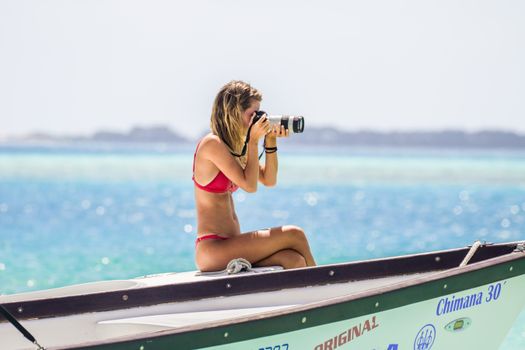
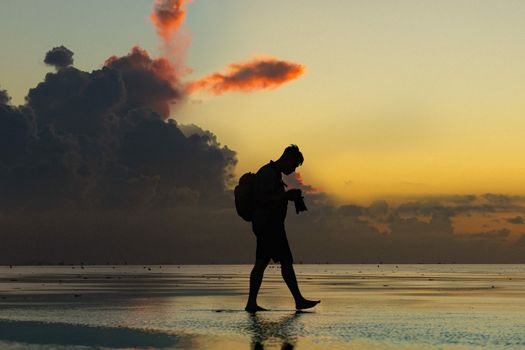
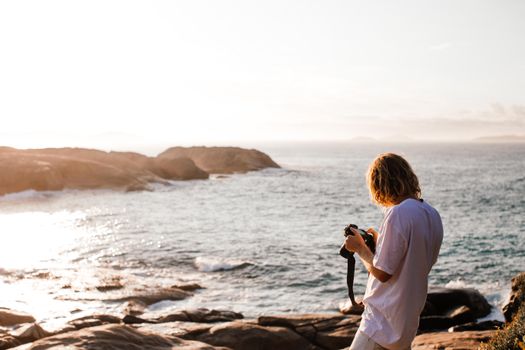
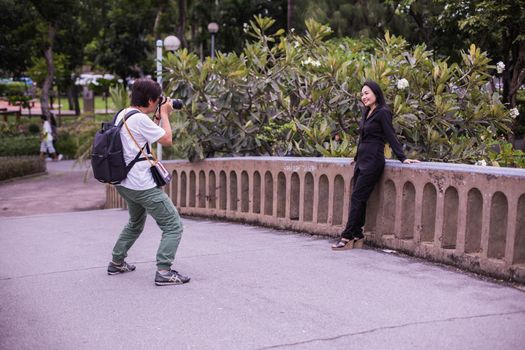
The Unspoken Secret: How to Take Amazing Photos of Yourself Locals Don't Want Tourists to Know
There’s a moment every traveler experiences. You’re standing in front of an iconic landmark – let’s say the Eiffel Tower – jostling for space with a hundred other tourists, all trying to get that shot. You eventually snap a photo, maybe a selfie, maybe a forced pose with a blurred background. You post it, you get likes, but deep down, something feels... missing. It’s a good photo, but it doesn't tell your story. It doesn't capture the magic you felt wandering through a quiet Parisian alley, or the aroma of a freshly baked croissant from a local boulangerie.
I've been there. My early travel albums are a testament to my tourist-photo past. Generic smiles, crowded backgrounds, and a distinct lack of soul. Then, during a solo trip through Morocco, something shifted. I was trying to capture the vibrant chaos of the Marrakech souks, but every photo felt like I was just observing, not participating. A kind-faced vendor, noticing my struggle, simply gestured for me to sit on a low stool, offered me mint tea, and pointed to the reflection in a brass tray he was polishing. In that reflection, I saw myself, not as a tourist, but as part of the scene, a quiet observer amidst the bustling beauty. It was a subtle shift, but it sparked a revelation: the best travel photos aren't just about what you see, but how you see it, and how you respectfully integrate yourself into the narrative.
Locals don't "not want" you to know their secrets out of malice. They simply want their cherished spaces, their everyday beauty, and their authentic culture to be respected, not turned into a mere backdrop for a quick snap. The "secret" isn't about exclusive access; it's about a mindset, a respectful approach, and a few clever techniques that allow you to capture stunning, personal, and deeply authentic photos that tell a story far beyond the postcard.
Ready to transform your travel photography and capture moments that truly resonate? Let's dive in.
---
1. The Mindset Shift: From Tourist to Temporary Local
Before you even think about your camera settings, you need to recalibrate your perspective. The goal isn't just to visit a place; it's to experience it. This means slowing down, observing, and immersing yourself, even if only for a few hours.
Actionable Advice:
- Wander without a destination: Ditch Google Maps for an hour and just walk. Turn down that intriguing alley, follow the scent of spices, listen to the distant music. These unplanned detours often lead to the most authentic discoveries.
- Observe local life: Sit at a cafe with no agenda but to watch. How do people interact? What are their routines? What are the subtle details of their daily lives? This observation hones your eye for unique photo opportunities.
- Engage respectfully: Learn a few phrases in the local language ("hello," "thank you," "please," "may I?"). A genuine smile and a polite question can open doors (and photo opportunities) that a camera alone never could. In Vietnam, I once asked a woman if I could photograph her beautiful flower stall, and she not only agreed but showed me a better angle and even posed with a mischievous grin. That photo felt earned, not just taken.
- Research beyond the 'Top 10': Look for local blogs, niche interest groups, or even just search Instagram for non-touristy hashtags related to your destination. You'll find cafes, markets, or viewpoints that aren't plastered on every travel guide.
---
2. Master the Art of the "Un-Selfie": Gear & Techniques for Solopreneurs
Let's be real, you can't always rely on a travel buddy to get that perfect shot. And a selfie stick often screams "TOURIST!" from a mile away. The secret to amazing self-portraits is making it look like someone else took the photo, or that you're just naturally existing within the scene.
Practical Tips & Gear:
- The Trusty Tripod (and Remote): This is your ultimate secret weapon. A compact travel tripod (like a Joby Gorillapod for smaller cameras/phones, or a lightweight carbon fiber tripod for DSLRs/mirrorless) is essential. Pair it with a Bluetooth remote shutter or your camera’s self-timer/app control.
- My Go-To: I swear by my Peak Design Travel Tripod – it's light, sturdy, and packs down small. For my iPhone, a simple Bluetooth remote is under $10 on Amazon.
- Angles that Don't Scream "Tourist": Instead of directly facing the camera, try:
- The "Looking Away" Shot: Gaze out at a view, down a street, or at something interesting in the frame. It creates a sense of wonder and invites the viewer to imagine what you’re seeing.
- The "Candid" Walk-By: Set your camera to burst mode, start walking into the frame, and let the remote do its magic. You'll capture natural movement.
- The "Engaged" Pose: Interact with your surroundings – reading a book in a park, sipping coffee at a cafe, examining wares at a market. Make yourself part of the scene.
- Composition is Key: Use leading lines (roads, paths, architectural elements), rule of thirds, and natural frames (doorways, arches) to draw the eye to both you and the environment. Don't make yourself the entire focus; you're an element within the broader story.
- Burst Mode is Your Friend: Especially when you’re running into the frame or trying to get natural movement. You can pick the best shot later.
---
3. Find Your Hidden Gems: Beyond the Postcard Views
This is where the "locals don't want tourists to know" truly comes into play – not because they're hiding things, but because these places are often just their everyday. They’re not necessarily grand monuments, but quiet corners, bustling markets, or charming cafes that embody the true spirit of a place.
How to Discover These Spots:
- Early Bird Gets the Worm (and the Empty Street): Wake up before the tourist hordes. That iconic landmark? It’s magical at sunrise when only a few locals are jogging or walking their dogs. The streets are empty, the light is soft, and the atmosphere is entirely different. Imagine the Colosseum at 6 AM versus 10 AM – no comparison for a personal photo.
- Dive into Side Streets: Main boulevards are for tourists. The real magic is often one or two blocks over. Look for interesting doors, vibrant street art, local eateries, or quiet courtyards. In Rome, I stumbled upon a tiny piazza with a beautiful fountain and no one around, simply by turning off a busy street. It became the backdrop for some of my favorite photos.
- Ask a Local (Respectfully): This is gold. Not "Where's a secret spot?", but "I love the architecture here, are there any other charming streets nearby that you enjoy?" or "I'm looking for a quiet cafe to read, where do you go?" Show genuine interest in their experience, not just a photo op.
- Follow Local Influencers/Blogs: Before you go, scour Instagram for local photographers or lifestyle bloggers in your destination. They often share their favorite local haunts. Look for geotags that aren't the main tourist attractions.
- Visit Local Markets: These are often vibrant, authentic, and full of character. While you should always be respectful of privacy (more on that later), markets offer incredible opportunities to capture the energy of a place. Think about the spice markets of Istanbul, the flower markets of Amsterdam, or the fresh produce stalls of a French village.
---
4. Embrace the Golden & Blue Hours: Lighting is Everything
You can have the most incredible location, but without good light, your photo will fall flat. Professional photographers chase the "golden hour" for a reason – it’s transformative.
Harnessing the Light:
- Golden Hour (Sunrise/Sunset): The hour after sunrise and the hour before sunset. The light is soft, warm, and casts long, beautiful shadows. It makes everything look magical. This is when you want to be out shooting those epic landscape-style self-portraits.
- Tip: Use an app like PhotoPills or Sun Surveyor to know exactly when golden hour will be in your location.
- Blue Hour (Before Sunrise/After Sunset): The 20-30 minutes just before sunrise or after sunset. The sky turns a deep, rich blue, and artificial lights begin to glow. This is perfect for atmospheric cityscapes, capturing neon signs, or creating a dramatic backdrop for a more contemplative shot.
- Avoid Midday Sun: Harsh overhead sun creates harsh shadows and often washes out colors. If you must shoot midday, seek shade or use natural diffusers like trees to soften the light.
- Look for Natural Light Sources Indoors: When shooting inside a cafe or shop, look for window light. Position yourself so the light falls softly on your face, avoiding direct, harsh sun.
---
5. Tell a Story, Don't Just Pose: Incorporating Local Life
The difference between a generic tourist photo and an amazing one is the story it tells. You're not just in the photo; you're part of the narrative of the place.
Storytelling Techniques:
- Interaction, Not Just Observation: Instead of just standing in front of a street food stall, show yourself reaching for a skewer, laughing with the vendor (if appropriate), or sitting on a small plastic stool, lost in the deliciousness.
- Incorporate Local Elements: Are there vibrant textiles? A unique local drink? An interesting local craft? Use these elements to add depth and context. In Mexico, I got a fantastic shot of myself sipping a fresh agua fresca, framed by colorful papel picado. It wasn't just me; it was me experiencing Mexico.
- Show, Don't Just Tell: Instead of just photographing a beautiful view, photograph yourself enjoying the view – perhaps with a wide, genuine smile, or a thoughtful, reflective gaze.
- Action Shots: Are you riding a scooter through Vietnam? Paddling a kayak in Croatia? Hiking a trail in Patagonia? Set up your tripod and use burst mode to capture yourself doing something. These dynamic shots are incredibly engaging.
- The "Behind the Scenes" Vibe: Sometimes, the best "story" is the feeling of being present. A shot of you looking at a map, adjusting your backpack, or simply taking a moment to breathe in the atmosphere can be incredibly relatable and authentic.
---
6. The Art of the Discreet Shot: Blending In & Respecting Privacy
This is the most crucial aspect of the "locals don't want tourists to know" premise. It's not about sneaking around; it's about being unobtrusive, respectful, and understanding when not to take a photo.
Respectful Photography Guidelines:
- Be Mindful of Your Presence: A large camera and tripod can be intimidating. Try to be as discreet as possible. Set up your shot quickly and efficiently.
- Seek Permission, Especially for People: If you want to photograph a local person, especially up close, always ask first. A polite gesture, a smile, and "May I take your photo?" in their language (or pointing to your camera) goes a long way. Be prepared for a "no" and respect it. Never photograph children without their guardian's explicit permission.
- Avoid Disrupting Local Life: Don't block pathways, interrupt conversations, or get in the way of people going about their daily business for your shot. Your photo is not more important than their livelihood or comfort.
- Understand Cultural Sensitivities: In some cultures, photography is considered disrespectful, especially in religious sites or certain communities. Do your research beforehand. When visiting temples in Thailand or mosques in Turkey, I always dress modestly and observe local customs. I’ve learned that sometimes, the most powerful memory is simply being present, not capturing a photo.
- Use a Longer Lens: If you want to capture the essence of a bustling market without getting too close to individuals, a longer lens (like a 50mm or 85mm on a full-frame camera, or the telephoto lens on your phone) allows you to capture details from a respectful distance.
- The "Ghost" Effect: Sometimes, a photo where you are slightly blurred from movement, or a small figure in a grand landscape, can convey a sense of scale and anonymity that is incredibly powerful and less intrusive.
---
7. Editing Magic: Enhancing, Not Faking
Once you've captured those amazing shots, a little post-processing can elevate them from good to truly stunning. The key is to enhance, not to fake.
Editing Tips:
- Mobile Apps are Powerful: You don't need Photoshop. Apps like Adobe Lightroom Mobile (free version is great), VSCO, Snapseed, or even the built-in editor on your phone offer incredible control.
- Focus on Natural Enhancements:
- Exposure & Contrast: Adjust these to make your photo pop.
- White Balance: Correct any color casts to make whites truly white and colors accurate.
- Highlights & Shadows: Recover detail in blown-out highlights or deep shadows.
- Saturation & Vibrance: Boost colors subtly. Don't overdo it, or your photos will look artificial.
- Sharpening: A touch of sharpening can make details crisp.
- Crop for Impact: Re-crop your photos to improve composition and remove distracting elements.
- Consistency is Key (for your feed): If you're building an Instagram feed, try to develop a consistent editing style or use the same preset to create a cohesive look.
- Don't Over-Filter: Resist the urge to slap on a heavy filter. Subtle adjustments will always look more professional and timeless.
---
Go Forth and Capture Your Story!
The "secrets" locals don't want tourists to know aren't about exclusive access to hidden spots (though you'll find those too!). They're about a deeper connection, a more respectful approach, and a genuine desire to understand and appreciate the destination beyond its superficial attractions. By shifting your mindset, mastering a few smart techniques, and always leading with respect, you won't just take amazing photos of yourself; you'll create lasting memories and tell stories that truly capture the heart and soul of your travels.
So, pack your bags, charge your batteries, and get ready to create a travel album that’s not just beautiful, but deeply personal, authentic, and truly unforgettable.
What's your favorite non-touristy spot you've discovered, and how did you find it? Share your tips in the comments below!
---