Alright, fellow adventurers and budget-savvy explorers, gather 'round! I'm here to spill the tea, or should I say, the champagne, on a topic that gets whispered about in hushed tones at airport lounges and fantasized about during cramped economy flights: how to score a free business class upgrade. Yes, you read that right – free.
I know what you're thinking. "Free? Is that even possible? Isn't it just for celebrities or people who spend thousands on tickets?" And for a long time, I thought the same. I'd gaze longingly at the business class cabin as I shuffled past, mentally calculating how many months of rent I'd have to sacrifice for that plush seat. But then, something clicked. Or rather, a series of somethings, strategies, and a sprinkle of good old-fashioned charm led me to my first ever lie-flat experience, completely unsolicited, on a transatlantic flight from London to New York.
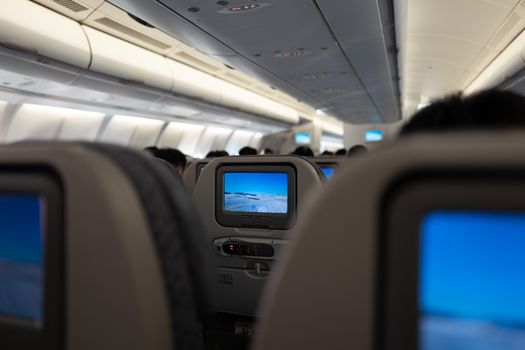
The flight was packed, economy was a sardine can, and I was bracing myself for 7 hours of elbow-to-elbow misery. I'd followed a few of my own "rules" (more on those later), but had no real expectation. As I boarded, a flight attendant, beaming, called my name. "Mr./Ms. Tripsora, we've had a slight change. We'd like to offer you a complimentary upgrade to business class today. Enjoy your flight!" My jaw practically hit the floor. The next thing I knew, I was being ushered into a world of endless legroom, a personal entertainment screen the size of a small TV, and someone asking if I preferred champagne or orange juice before takeoff. That, my friends, was the moment I became a believer, and since then, I've refined my strategy to unlock similar experiences multiple times.
It wasn't luck. It was strategy, preparation, and knowing the unwritten rules of the airline game. And today, I'm going to blow your mind by sharing exactly how you can do it too. Get ready to bookmark this page, because your next flight might just be your most luxurious yet!
---
1. The Golden Rule: Loyalty is Your Launchpad to Luxury
Let's be brutally honest: airlines love loyal customers. They track your spending, your flight frequency, and your engagement. If you want to be considered for an upgrade, you need to be on their radar.
a. Pick an Alliance & Stick With It: The airline world is dominated by three major alliances: Star Alliance (United, Lufthansa, Singapore Airlines, etc.), SkyTeam (Delta, Air France, KLM, Korean Air, etc.), and Oneworld (American Airlines, British Airways, Cathay Pacific, Qantas, etc.).
- Actionable Tip: Choose one alliance that best serves your most frequent travel destinations and commit to it. Fly with their member airlines whenever possible. Your miles and status will accumulate faster. For example, if you often fly to Europe, a Star Alliance carrier like United or Lufthansa might be your best bet. If you're frequently crossing the Pacific, Oneworld with Cathay Pacific or Qantas could be ideal.
b. Earn That Elite Status: This is the holy grail. Elite status (Silver, Gold, Platinum, Diamond, etc.) with an airline is like a VIP pass. It grants you perks like priority boarding, lounge access, extra baggage allowance, and crucially, puts you at the top of the list for complimentary upgrades.
- How to Get It: It usually requires flying a certain number of miles or segments, or spending a certain amount with the airline within a calendar year.
- Pro Tip: If you're just short of status at the end of the year, consider a "mileage run" – a quick, cheap flight just to hit the qualification threshold. The benefits throughout the next year often outweigh the small cost. I once did a quick weekend trip to Miami from NYC just to secure my Gold status with a Star Alliance airline, and it paid off handsomely with lounge access and priority boarding on subsequent international trips.
c. Leverage Airline Co-Branded Credit Cards: Many airlines offer credit cards that come with fantastic perks, including accelerating your path to elite status, offering upgrade certificates, or simply piling up miles you can use for upgrades.
- Specifics: Cards like the Chase Sapphire Reserve/Preferred, American Express Platinum, or co-branded cards from Delta (Amex Delta SkyMiles), United (Chase United Explorer), or American Airlines (Citi AAdvantage) can offer huge sign-up bonuses (think 50,000-100,000 miles!) that can be directly converted into upgrade currency.
- Personal Story: My first major upgrade using miles wasn't "free" in the sense of no cost, but it felt free because I earned the miles purely from a credit card sign-up bonus and everyday spending. I flew from Sydney to Los Angeles in Qantas Business Class – a 14-hour flight – for just the cost of annual credit card fees and a few hundred dollars in taxes. That lie-flat seat, the incredible food, the pajamas – it was pure bliss! I was pinching myself the whole time.
---
2. Master the Art of Booking & Timing: Your Secret Weapon
It's not just who you fly with, but when and how you book your ticket that can dramatically influence your upgrade chances.
a. The Sweet Spot for Flight Times:
- Off-Peak Travel: Weekday flights (especially Tuesday, Wednesday, Thursday) are generally less crowded than weekend or Monday flights. Red-eye flights (late night) can also have more empty seats in premium cabins, as fewer business travelers want to arrive exhausted.
- Shoulder Seasons: Flying during the shoulder seasons (spring and fall for many destinations) means fewer tourists and potentially emptier planes. Avoid major holidays or peak summer travel if upgrades are your goal.
- Anecdote: I snagged an upgrade on a Tuesday morning flight from Dublin to Chicago. The plane felt half-empty, and I suspect they just wanted to consolidate passengers for better service in economy, leaving business class with plenty of room.
b. Choose Your Route Wisely:
- Less Popular Routes: Flights to secondary cities or routes with multiple daily departures often have more availability. A flight from London to Manchester is less likely to be upgraded than London to a less business-heavy European capital.
- Routes with High Business Class Capacity: Some routes, especially those frequently used by business travelers (e.g., NYC-London, Frankfurt-Dubai), have a lot of business class seats. If those seats aren't filled by paying customers, they become prime candidates for upgrades.
c. Book Directly with the Airline: While third-party sites can offer great deals, booking directly with the airline gives them more flexibility to manage your reservation, including processing upgrades. It also makes you a "known" customer in their system.
d. The Overbooked Flight Strategy (Volunteering to be Bumped): This is a risky but potentially rewarding strategy. If a flight is oversold, airlines will often ask for volunteers to take a later flight in exchange for compensation (vouchers, cash).
- How it Works: If you volunteer, you might get a hefty voucher (often $500-$1000+) and, if the next flight is also full in economy, they might re-book you into a higher class of service to ensure you get to your destination.
- Personal Story: Once, flying from Seattle to San Francisco, the flight was ridiculously oversold. I volunteered, received a $700 voucher, and was re-booked on the very next flight which, lo and behold, was completely full in economy but had open seats in first class. I landed 2 hours later than planned, but $700 richer and having enjoyed a premium experience. This strategy is less about a "free upgrade" directly, and more about getting compensated and then potentially upgraded on a subsequent flight. Always be polite and flexible if you try this!
---
3. The Power of Presentation & Politeness: Dress for Success
This isn't about being pretentious; it's about showing respect and making a good impression. Airlines are businesses, and they appreciate passengers who present themselves well and are easy to deal with.
a. Dress the Part (Smart Casual Wins): You don't need a three-piece suit, but ditch the ripped jeans, flip-flops, and sweatpants. Think smart casual: nice trousers or a skirt, a clean shirt or blouse, and comfortable but presentable shoes.
- Why it Matters: In the rare event of an operational upgrade (moving someone from economy to business), airlines want someone who "fits" the premium cabin environment. It's about perception and maintaining the exclusive feel of business class for paying customers.
- Instagram-Worthy Tip: Even if you're aiming for comfort, a stylish scarf or a sharp blazer can elevate your look instantly. Snap a pre-flight selfie looking chic!
b. Politeness, Patience, and a Smile: This is perhaps the most underrated tip. Airline staff – from check-in agents to gate agents to flight attendants – deal with a lot of stressed, frustrated, and sometimes rude passengers. Being genuinely pleasant, patient, and understanding can set you apart.
- Actionable Advice: Make eye contact, smile, and use "please" and "thank you." If there's a problem, approach it calmly. A little kindness goes a long way.
- Anecdote: My friend, who is the epitome of charm, once got upgraded on a flight from Toronto to Tokyo. She was meticulously dressed, polite to the check-in agent who seemed stressed, and simply made a positive impression. When she subtly asked if there were any upgrade possibilities due to her long flight, the agent, remembering her pleasant demeanor, actually checked and found a seat! It's not a guarantee, but it certainly doesn't hurt.
c. Solo Travel Advantage: It's much easier for an airline to find one empty business class seat for a solo traveler than to accommodate a couple or a family. If you're flying alone, your chances of a spontaneous upgrade slightly increase.
---
4. Leverage Your Status & Be Prepared to Ask (Nicely!)
You've built loyalty, you've chosen your flight wisely, and you're looking sharp. Now, it's time to subtly put yourself in the running.
a. The Gentle Inquiry at Check-in: When you check in (preferably in person, not just online), you can politely ask: "I was wondering if there are any upgrade opportunities available for this flight today?"
- Key: Emphasize "opportunities" and "available." Don't demand. The agent might say no, or they might check. If you have elite status, they'll see it on your booking.
- Do not overdo it. One polite ask is enough.
b. The Gate Agent: Your Best Shot: Gate agents have the most power to process upgrades just before departure. They're dealing with last-minute changes, no-shows, and operational needs.
- Timing: Approach the gate agent about 45-60 minutes before departure, after the initial rush, but before boarding starts.
- What to Say: "Hi, I'm [Your Name], flying to [Destination]. I know it's a long shot, but I was wondering if there might be any upgrade availability to business class today? I'm a [Your Elite Status] member." (If you have status, definitely mention it!)
- My Success Story: This is how I got my transatlantic upgrade! I was Gold status with a Star Alliance airline. I saw on the seat map that business class looked quite empty. I approached the gate agent, politely introduced myself, mentioned my status, and asked if there were any upgrade opportunities. She checked, smiled, and handed me a new boarding pass. It was that simple. I almost cried tears of joy!
c. The Elusive In-Flight "Operational Upgrade": This is the rarest form of upgrade and one you should never ask for directly. Operational upgrades happen when something goes wrong in economy (e.g., a broken seat, a family with a very disruptive child near you, an equipment change leading to fewer economy seats than tickets sold) and the flight crew decides to move a passenger to business class to resolve the issue or reward a loyal customer.
- Don't Ask: Asking for an in-flight upgrade is generally frowned upon and will almost certainly result in a "no." Let the flight attendants manage their cabin.
- How it Happens: I've seen it happen to others. A friend once had a seat with a broken recline on a long-haul flight. After trying to fix it, the flight attendant, seeing an empty business class seat, moved him up without him even asking. It's about problem-solving, not special requests.
---
5. Beyond "Free": Strategic Upgrades & Hidden Gems
While "free" is the dream, sometimes a minimal investment can yield massive returns, giving you a premium experience for a fraction of the full price.
a. Points/Miles Upgrades: The Most Common "Free" Upgrade for Frequent Flyers: This is where your loyalty program really shines. Once you've accumulated a good stash of miles or points, you can use them to upgrade an existing economy ticket.
- How it Works: Check your airline's website for upgrade availability using miles. This is often easier to do on flexible economy tickets (higher fare classes).
- Example: A flight from San Francisco to Paris might cost 60,000 miles + $100 in taxes to upgrade from economy to business, which is a steal compared to paying $4,000+ for a business class ticket outright.
b. Cash + Miles Upgrades: Some airlines offer the option to use a combination of miles and a cash co-pay to upgrade. This is a great option if you have some miles but not quite enough for a full miles upgrade, or if the cash portion is very reasonable.
c. Bid for Upgrades (The "Plusgrade" System): Many airlines (Emirates, Etihad, Lufthansa, British Airways, etc.) now use bidding systems where you can offer a monetary amount to upgrade to a higher cabin.
- How it Works: A few days or weeks before your flight, you might receive an email inviting you to bid for an upgrade. You submit a bid (often within a specified range). If your bid is accepted, your card is charged, and you get the upgrade.
- Strategy: Don't bid the maximum! Start with the minimum bid or slightly above. Monitor forums like FlyerTalk for successful bid amounts on your route. I successfully bid for an upgrade on an Emirates flight from Dubai to London. I put in a bid that was about 20% above the minimum, and it was accepted! It wasn't free, but paying a few hundred dollars for a lie-flat seat, gourmet meal, and lounge access on a 7-hour flight was an incredible value. It felt like a "free" upgrade because the full business class fare was easily 5x what I paid.
d. The "Mistake Fare" Strategy (for cheap business class, not upgrades): While not an upgrade, keeping an eye out for "mistake fares" or "error fares" can get you into business class for an unbelievably low price. These are rare but happen when airlines accidentally price a ticket incorrectly.
- How to Find Them: Follow deal alert websites (e.g., Secret Flying, The Flight Deal, Scott's Cheap Flights) and subscribe to their premium alerts. Be ready to book immediately as these fares disappear quickly.
---
6. The Unspoken Rules & What NOT to Do
Just as important as knowing what to do, is knowing what not to do.
a. Never Demand an Upgrade: An upgrade is a privilege, not a right. Demanding one will instantly shut down any possibility. It makes you appear entitled and unpleasant.
b. Don't Lie or Exaggerate: Don't fabricate stories about honeymoons, birthdays, or medical conditions. Airline staff are trained to spot these, and it will only hurt your chances and reputation. If it's genuinely your honeymoon, a subtle mention (e.g., "We're so excited for our honeymoon in Bali!") might be received well, but don't use it as a bargaining chip.
c. Don't Be Annoying or Persistent: Asking once politely is fine. Repeatedly bothering staff, whether at check-in, the gate, or on the plane, will not get you an upgrade. It will likely get you ignored.
d. Understand the "Why": Upgrades happen for various reasons:
- Operational Needs: Economy is oversold, or a plane change means fewer seats.
- Rewarding Loyalty: Elite members are prioritized.
- Passenger Issues: A broken seat, or a genuine issue requiring a move.
- Cabin Balancing: Sometimes, they move people to balance weight or service loads.
Knowing these reasons helps you understand when an upgrade might actually be possible.
---
Conclusion: Your Business Class Dream Awaits!
So, there you have it – the mind-blowing secrets to scoring a free business class upgrade. It's not a myth, it's a reality that I, and countless other savvy travelers, have experienced. It takes a blend of strategy, loyalty, timing, and a dash of good old-fashioned human connection.
No longer do you have to merely dream of that lie-flat seat, the gourmet meals, the endless champagne, and the blissful quiet of the front of the plane. You can actively work towards it. Start building your airline loyalty, refine your booking strategy, present yourself well, and always, always be polite. The next time you're at the airport, you might just find yourself turning left instead of right when you board.
Your turn! What's your best upgrade hack? Have you ever scored a free business class seat? Share your stories and tips in the comments below! And don't forget to share this post with your travel buddies – let's help everyone fly in style!
---