The year was 2017. I was buzzing from an incredible two weeks exploring the bustling markets of Marrakech, Morocco. My backpack, once sleek and manageable, was now bulging with vibrant ceramics, a hand-woven rug, and enough argan oil to moisturize a small village. As I approached the Ryanair check-in counter at Menara Airport, a familiar dread crept into my stomach. The agent eyed my pack, then the scale. "Madam," she said, a slight smirk playing on her lips, "that will be an extra 90 Euros."
Ninety euros! That was more than my flight from Morocco to Spain! My heart sank. I stood there, frantically trying to redistribute weight, stuffing scarves into my pockets, feeling the familiar sting of being fleeced by an airline. That day, I made a solemn promise to myself: never again.
Since that humbling (and expensive) experience, I’ve become a ninja of baggage-fee avoidance. I’ve refined my packing, leveraged loyalty programs, and discovered ingenious hacks that have saved me literally thousands of dollars. And today, my fellow travelers, I’m going to share every single one of them with you. This isn't just about saving money; it's about the freedom, the agility, and the sheer joy of breezing through the airport, knowing you've outsmarted the system. Ready to experience travel without the baggage fee burden? Let's dive in!
1. The Marie Kondo of Your Suitcase: Mastering the Art of Minimalist Packing
This is the bedrock, the foundation, the holy grail of baggage fee avoidance. If you can master packing light, you’re already 80% there. It's not about deprivation; it's about smart choices and versatility.
My transformation began with a ruthless purge. I used to pack for "what ifs" – what if it rains, what if I need a fancy outfit, what if I spill something. Now, I pack for "what is."
Actionable Tips for the Minimalist Maestro:
- The Capsule Wardrobe Approach: Think interchangeable. Stick to a core color palette (neutrals like black, white, grey, navy) and add a few accent pieces. Every top should go with every bottom. This means fewer items, more outfits. For a week-long trip, I often pack just 3-4 tops, 2 bottoms (jeans/trousers and a skirt/shorts), a versatile dress, and a light jacket.
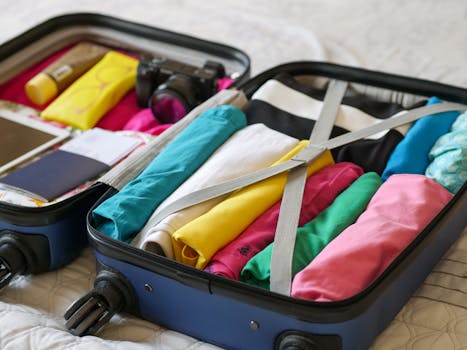
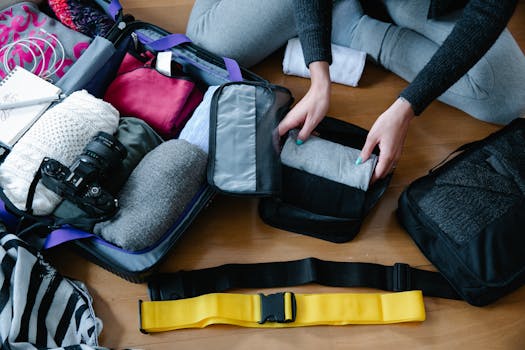
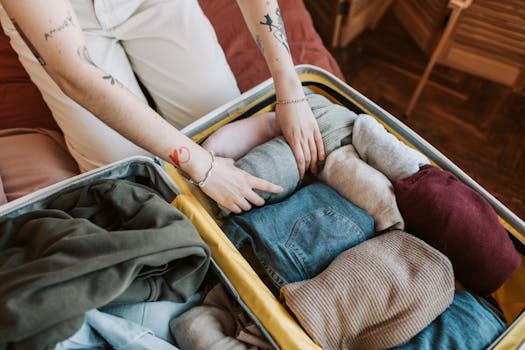
- Roll, Don't Fold (or use Compression Cubes): Rolling clothes tightly saves space and minimizes wrinkles. Even better, invest in good packing cubes. My go-to brands are Eagle Creek and Amazon Basics. They don't reduce weight, but they compress volume and organize your bag like a dream. I can often fit a week's worth of clothes into one medium cube.
- Multi-Use Items are Your Best Friends: A large scarf can be a sarong, a head covering for religious sites, a picnic blanket, or a makeshift pillow. Dr. Bronner's soap is shampoo, body wash, laundry detergent, and even toothpaste in a pinch. A quick-dry travel towel (like those from Sea to Summit) is tiny and invaluable.
- Travel-Sized Toiletries & Solids: Decant your favorite liquids into reusable travel bottles (under 100ml/3.4oz). Even better, switch to solid toiletries: shampoo bars, conditioner bars, solid toothpaste tabs, and solid deodorant. They don't count towards liquid limits and last forever. Lush and Ethique are great brands for this.
- Digitalize Everything: Tickets, reservations, guidebooks, maps – all on your phone. Leave the physical copies at home. A Kindle or e-reader replaces multiple heavy books.
My Story: On a three-week backpacking trip through Southeast Asia, I managed with just a 35-liter backpack and a small personal item. How? Every item served multiple purposes. My hiking pants zipped off into shorts. My quick-dry t-shirts could be washed in a sink and dried overnight. I bought a small bar of local soap for everything. The freedom of not hauling a massive suitcase through crowded markets or up endless stairs in ancient temples was priceless. I saved time, money, and my back!
2. Become a Human Carry-On: The Genius of Wearable Luggage
This is where things get really fun and a little audacious. When airlines started cracking down on carry-on sizes and personal item limits, clever travelers invented "wearable luggage." The basic premise: if you can wear it, it's not luggage.
Actionable Tips for the Wearable Warrior:
- The Travel Vest/Jacket: This is the ultimate secret weapon. Brands like Scottevest make jackets with an insane number of pockets – 15, 20, even 25! I’ve seen people stash laptops, tablets, cameras, books, toiletries, and even a full outfit in these. You simply wear it through check-in and security, then lighten your load once you're on the plane.
- Layer Up, Buttercup: Wear your bulkiest items onto the plane. Heavy hiking boots? Wear them. Bulky jacket? Wear it. A couple of sweaters? Layer them. You can always take them off once you're seated. I once flew from a chilly London to a warm Lisbon wearing three layers and my clunky Doc Martens. I looked a bit ridiculous, but my carry-on was well under the weight limit, and I saved €60.
- Multi-Pocket Scarves: Some creative brands offer scarves with hidden pockets large enough for passports, phones, and even small wallets. It's a stylish way to carry essentials without using up bag space.
- The "Stuff Your Pockets" Maneuver: Before approaching the gate, strategically stuff your jacket and pants pockets with heavier items from your carry-on – chargers, power banks, books, small snacks. Once you're past the gate agent, you can discreetly transfer them back.
My Story: I was flying a notoriously strict budget airline in Europe (rhymes with "Why-an-air"). My carry-on was perilously close to the weight limit. Just before boarding, I put on my bulkiest sweater, tucked my Kindle and power bank into my jacket pockets, and even tied my extra pair of sneakers to the outside of my backpack (a move I highly recommend only in desperation!). The gate agent barely glanced at my now-lighter bag. I felt like a secret agent, saving myself a hefty fee and earning a quiet victory.
3. Fly Free(dom): Unlocking Baggage Perks with Loyalty & Plastic
This strategy requires a bit of foresight but offers consistent, reliable savings. Many airlines and credit card companies are eager to reward frequent flyers and loyal customers with free checked bags.
Actionable Tips for the Savvy Spender:
- Airline Co-Branded Credit Cards: This is probably the easiest and most reliable way to get free checked bags. Many airline-specific credit cards (e.g., United Explorer Card, Delta SkyMiles Gold American Express Card, American Airlines AAdvantage MileUp Card) offer the first checked bag free for the cardholder and often a companion on the same reservation. This benefit alone can easily offset the annual fee of the card, especially if you take a couple of trips a year.
- Example: The United Explorer Card typically gives you your first checked bag free for you and one companion on United flights – a saving of $70 per round trip for two people!
- Airline Elite Status: Even low-tier elite status can get you a free checked bag. For example, United Silver (Star Alliance Silver) often grants one free checked bag. While earning elite status usually requires significant flying, some credit cards offer pathways to status or boost your qualifying miles.
- General Travel Credit Cards with Travel Credits: Cards like the Chase Sapphire Reserve or American Express Platinum Card offer generous travel credits that can be used to offset baggage fees, even if they don't explicitly grant a free bag. You pay the fee, then use your credit to get reimbursed.
- Airline Loyalty Programs (Even Without Status): Sign up for every airline's loyalty program. Sometimes, simply being a member (even without status) can unlock special offers or discounted bag fees. Plus, you’ll earn miles for future travel.
My Story: For years, I shrugged off airline credit cards, thinking they weren't worth the annual fee. Then, I got the United Explorer Card for a trip to Hawaii with my partner. Two checked bags, round trip, free. That's $140 saved right there. The card's annual fee was $95, so I was already ahead. Since then, I’ve leveraged similar cards for countless trips, effectively paying nothing for my luggage. It's like having a secret VIP pass to the check-in counter!
4. Souvenir Smarts: Ship It, Wear It, or Buy It There (and Leave It There!)
Sometimes, you just have to bring back that oversized hat from Ecuador or those heavy ceramic bowls from Portugal. But instead of paying a fortune in excess baggage fees, there are smarter ways.
Actionable Tips for the Savvy Shopper:
- Ship It Home: For heavy, bulky, or fragile souvenirs, shipping them home directly from your destination can often be cheaper than paying airline excess baggage fees. Research local postal services (e.g., PostNL in the Netherlands, Correos in Spain) or international carriers like DHL, FedEx, or UPS.
- Example: I once shipped a 10kg box of artisanal goods from Oaxaca, Mexico, to the US for about $80. The airline would have charged me well over $150 for an overweight bag. Plus, it arrived safely at my doorstep, saving me the hassle of lugging it through airports.
- Buy Essentials, Donate/Leave Them: If you're traveling to a place where certain items are cheap (e.g., beach towels in Thailand, cheap flip-flops in Mexico), consider buying them upon arrival instead of packing them. Then, donate them or leave them behind for housekeepers/locals when you depart. This frees up crucial space and weight in your outgoing luggage.
- The "Destination Duffel" Strategy: If you absolutely must buy more than your carry-on allows, consider buying a cheap, collapsible duffel bag at your destination. Fill it with your new treasures and check it as a single bag. This is often cheaper than paying overweight fees on an existing bag or trying to squeeze everything into your main luggage. I've done this in Bangkok's Chatuchak Weekend Market, picking up a $10 duffel to hold all my textile finds.
- Wear Your Purchases: Did you buy a new hat? Wear it! A new jacket? Wear it! It's an immediate way to reduce bag weight and show off your new style.
My Story: During a trip to Vietnam, I fell in love with a beautiful, hand-painted silk lantern. It was delicate and oddly shaped. Instead of trying to cram it into my backpack or risk it being crushed in a checked bag, I found a local post office. For a reasonable fee (around $30), they carefully packed and shipped it home. It arrived a few weeks later, perfectly intact, and I didn't have to worry about it during my onward journey.
5. The Carry-On Only Blueprint: The Ultimate Goal
This is the pinnacle of baggage fee avoidance. If you can consistently travel with just a carry-on and a personal item, you'll never pay a baggage fee again (unless you choose to). It's not just about saving money; it's about speed, efficiency, and reducing travel stress. No waiting at baggage claim, no lost luggage worries.
Actionable Tips for the Carry-On Champion:
- Know Your Airline's Dimensions (and Weight!): This is critical. Carry-on size limits vary significantly, especially between budget airlines (like Ryanair, Spirit, Frontier) and full-service carriers (like Delta, Lufthansa, Singapore Airlines). Always check the specific airline's policy before you fly. Some airlines also have weight limits for carry-ons, so be mindful.
- Example: Ryanair's free carry-on is tiny (40x25x20cm), while most major airlines allow something closer to 55x35x25cm. Don't get caught out at the gate!
- Maximize Your Personal Item: Your personal item (the bag that fits under the seat in front of you) is often overlooked. This can be a backpack, a large purse, or a laptop bag. Choose one that maximizes its dimensions without exceeding the airline's limits. I often use a small, soft-sided backpack that can be squished if needed. This is where I keep my essentials: toiletries, electronics, a book, and a change of clothes in case my main carry-on is gate-checked.
- Invest in a Smart Carry-On Bag: A good carry-on is an investment. Look for bags designed for maximum internal space, lightweight construction, and smart organization.
- Recommendations:
- Osprey Farpoint 40 / Fairview 40 (women's specific): A backpack-style carry-on that feels like a suitcase. My absolute favorite.
- Tortuga Outbreaker / Setout: Another excellent backpack-style option, very comfortable and organized.
- Cotopaxi Allpa 35L: Stylish, durable, and great organization.
- Monos Carry-On Plus: A sleek, durable hard-shell roller for those who prefer wheels.
- The "3-1-1 Rule" for Liquids: Remember the TSA's rule for liquids in carry-ons: 3.4 ounces (100 milliliters) or less per container, all fitting in one quart-sized bag, one bag per passenger. Get good reusable silicone bottles for your toiletries.
- Compression Bags (Use with Caution): While they reduce volume, they don't reduce weight. If your airline has strict carry-on weight limits, compression bags might make your bag denser and heavier than allowed, even if it looks smaller. Use them primarily for organization or if volume is your only concern.
My Story: My most ambitious carry-on only trip was a month-long adventure through Japan, encompassing everything from snowy Hokkaido to humid Okinawa. I packed for diverse climates, cultural excursions, and even some light hiking, all in my Osprey Farpoint 40 and a small daypack as my personal item. It required meticulous planning, but the reward was immense. I never once waited for luggage, navigated crowded train stations with ease, and even managed to squeeze in a few small souvenirs. It proved that with smart packing, a carry-on is truly all you need.
6. The "Buy a Seat, Not a Bag" Hack (for the Truly Desperate)
This one is less about never paying baggage fees and more about paying them creatively if you have truly oversized or fragile items that absolutely must travel with you and can't be shipped.
Actionable Tip for the Extreme Traveler:
- Purchase an Extra Seat: For extremely fragile, valuable, or large items that don't fit in an overhead bin or under a seat (think musical instruments like a cello, large artworks, or even wedding dresses), you can purchase an additional seat for your item. It's often called a "cabin baggage" or "extra seat" purchase.
- Details: The item must typically be secured in a seat, not exceed certain dimensions/weight for the seat, and be packaged appropriately. While this isn't cheap, it guarantees your item travels with you, is handled with care, and avoids the often-higher costs and risks of specialized cargo shipping or multiple oversized baggage fees. Always call the airline directly to arrange this.
My Story: I haven't personally used this for my own belongings, but I once saw a musician travel with a cello securely strapped into the seat next to him on a flight from Vienna. He looked incredibly serene, and his instrument was perfectly safe. He later told me it was significantly cheaper and less stressful than shipping it as cargo, especially for a short-notice performance. It's a niche hack, but a powerful one for specific circumstances.
7. The "Weight Redistribution" Dance (The Airport Maneuver)
This is the last-ditch effort, the classic airport shuffle. When you're at the check-in counter and your bag is just slightly over the limit, it’s time for the dance.
Actionable Tips for the Smooth Operator:
- Be Prepared to Wear It: Have your jacket, a hoodie, or a small tote bag easily accessible. If your checked bag is overweight, quickly pull out some heavier items (books, electronics, shoes) and either wear them or stash them in your personal item or jacket pockets.
- The "Pocket Stuff": As mentioned earlier, don't underestimate the power of your pockets. Load them up with dense, heavy items.
- Ask Politely (Sometimes it Works): If you’re only a pound or two over, sometimes a polite request to the agent, coupled with a genuine smile, can get you a pass. "Is there any way you could let this one slide? It's just a little bit over." This works best if you're flying a full-service airline and aren't flying during peak travel times.
My Story: I was flying out of Medellín, Colombia, with a backpack that was definitely pushing the limits. The agent pointed to the scale: 24kg, 2kg over. My heart did a little flutter. I quickly unzipped my backpack, pulled out a pair of hiking boots and my chunky camera, and put them on/wore them. I also stuffed my power bank and a heavy guidebook into my jacket pockets. I presented the bag again. 21.5kg. "Perfect!" she said. I breathed a sigh of relief. It's a classic for a reason.
Conclusion: Travel Lighter, Live Freer, Save More!
Paying baggage fees is a choice, my friends, and it's a choice you no longer have to make. From the strategic simplicity of minimalist packing to the sophisticated perks of credit card loyalty, and the sheer audacity of wearable luggage, there are countless ways to beat the system.
Imagine this: You glide through the airport, carry-on light on your shoulder, a smug smile playing on your lips. No queues at check-in, no frantic repacking, no dread at the scale. You're saving money, yes, but you're also gaining precious time and peace of mind. That's the real luxury.
So, ditch the heavy luggage and the heavier fees. Embrace the freedom of light travel. Your wallet (and your back) will thank you. Now, go forth and explore, unburdened and ready for adventure!
What's your ultimate baggage fee hack? Share your secrets and success stories in the comments below! Let's build a community of fee-free travelers!
---