Every parent who has planned a holiday around a teenager knows the moment. You describe the itinerary, and the reply is a long sigh and the word "boring". The trip is a family event, but your teen may experience it as a forced march away from friends, phones and their own room.
The good news is that teenagers are often better travellers than they appear. They tend to resist the idea of a trip more than the trip itself. With a few changes in how you plan and what you expect, it is possible to travel together without daily battles. This guide offers practical approaches, drawn from common family-travel wisdom rather than any single formula. Every family is different, so adapt anything that does not fit.
Start by understanding the resistance
Teenagers are at an age where independence, friendships and identity matter hugely. A family trip can feel like a pause on all of those. Some common sources of resistance include:
- Missing friends, sports, work or events at home.
- Feeling they had no say in the destination or plan.
- Worrying that the trip will be childish, or full of museums and walking.
- Being separated from their phone, games or social media.
- Simple tiredness. Teenagers need a lot of sleep, and early starts feel cruel.
- Anxiety about new places, languages or food that they would never admit to.
Seeing the resistance as a normal developmental stage, rather than a personal insult, makes it easier to respond with patience.
Involve them early, and mean it
The strongest single tactic is to give teens real input. Not a fake choice between two options you have already decided, but a genuine role in the plan.
Ways to do this:
- Ask for their ideas before you book. Offer a shortlist of destinations and let them research one.
- Give them a budget and a task. For example, "Find a lunch place for the family under this amount", or "Choose one activity for each day".
- Rotate the planner. Each family member picks one day's main plan. Teens often take this seriously, and complaining about a plan they chose is awkward.
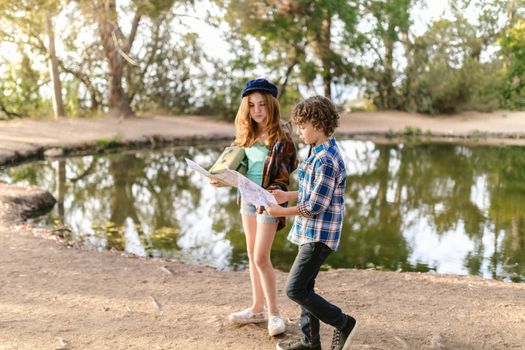
- Let them handle navigation or bookings. Many teenagers are more comfortable with maps and apps than their parents.
- Ask what they would like to photograph, film or write about. If they enjoy creating content, a trip gives them material.
If your teen shrugs and says "I don't care", try asking narrower questions. "Beach or mountains?" is easier than "Where do you want to go?"
Choose destinations and activities that suit older kids
Teen-friendly does not mean expensive or extreme. It means active, interesting and varied.
Active adventures
- Cycling, kayaking, surfing lessons, climbing, snorkelling or zip-lining.
- Hiking with a clear goal, such as a viewpoint, waterfall or hut.
- Skiing or snowboarding, if your family enjoys it.
Food and culture
- A cooking class or a street-food tour.
- Markets where they can try unfamiliar snacks.
- Street art tours, music, sports events or local festivals.
Cities with energy
- Places with lively neighbourhoods, good public transport and lots to explore, such as Berlin, Lisbon, Barcelona, Tokyo or Mexico City.
- Cities with a strong youth culture or a distinctive modern side.
Nature and wildlife
- National parks, wildlife reserves and marine experiences, ideally with a hands-on element.
History made real
- Sites with a story, escape rooms inside historical buildings, or guides who are good at storytelling.
- Choose museums with interactive exhibits, and keep visits short.
The key is variety. Mix one structured activity with free time so that nobody feels trapped in a lecture.
Build in independence
Teens crave autonomy, and travel can provide it safely.
- Free hours. Agree on a time when your teen may explore a small safe area alone or with a sibling, with a check-in time. Choose a location and rules suited to their age and maturity, and local conditions.
- Their own spending money. A small daily allowance for snacks or souvenirs gives them a sense of control.
- Separate rooms or space. If budget allows, a hotel with connecting rooms or an apartment with more than one bedroom reduces friction.
- Choice of meals. Let them pick a restaurant once a day or once every few days.
- Solo time. A teenager who needs an hour with headphones is not rejecting you. Let them have it.
Safety remains your responsibility. Share contact details, agree on a meeting point, discuss what to do if they get lost, and make sure phones have local data or a plan for connectivity.
Handle the phone question calmly
Screens are often the biggest battle. A total ban usually causes resentment, while unlimited use can mean they miss the trip.
Useful compromises:
- Agree on phone-free meals and activities beforehand, and apply the rule to the adults too.
- Allow screen time at downtime moments, such as during long journeys or in the evening.
- Encourage photography, maps, translation apps and music as part of the experience.
- Let them stay in touch with friends. For many teens, a message from home is what makes a trip feel okay.
- Make sure there is a charging plan, such as a portable battery.
Treat the phone as a normal part of life, not an enemy.
Plan the rhythm of the day
Teenagers are rarely at their best at 7 a.m., and long days of sightseeing can wear them down.
- Start later. A 10 a.m. start is a gift to everyone.
- One main activity a day. Fill the rest with flexible time.
- Breaks. Cafe stops, parks and pool time reset moods.
- Snacks. Hunger fuels grumpiness, so carry food.
- Rest days. Every few days, plan a slower one.
- Sleep. Long journeys and jet lag affect teenagers strongly. Allow recovery time.
A flexible plan beats a perfect plan. Aim for fewer things done well.
Make logistics smoother
Practical details can prevent arguments.
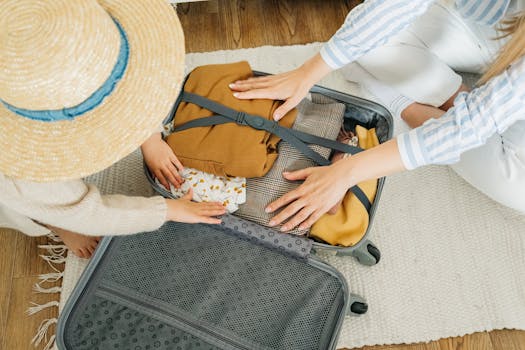
- Packing. Let teens pack their own bags with a short checklist, and check for essentials such as chargers, medication and documents.
- Documents. Confirm passport validity and entry requirements for everyone. If a teen travels with only one parent or a non-parent adult, check whether a consent letter is advisable, as rules differ. Use official government sources.
- Money. Consider a prepaid or travel card for older teens, with limits.
- Health. Bring any regular medication and a simple first-aid kit. Check vaccination and health guidance with a medical professional.
- Insurance. Make sure the policy covers the whole family.
Use conflicts as information
When your teen refuses an activity, ask why, and listen without lecturing. Sometimes the reason is practical, such as tiredness, blisters, hunger or worry. Sometimes they just need a moment to make a choice of their own.
Strategies that help:
- Offer an alternative, such as "You can skip the museum, but join us for dinner".
- Negotiate trades. One activity for the adults, then one for the teen.
- Hold a short family check-in each evening. Ask what was best and what to change tomorrow.
- Stay calm. Teenagers often match the energy you bring.
- Pick your battles. Agree on non-negotiables, like safety and respect, and let smaller things go.
Invite a friend or choose a trip with other young people
Some teens travel more happily with a friend. If budget and logistics allow, inviting a friend can transform the dynamic. Make sure the friend's parents agree, and that you have clear expectations about behaviour and safety.
Group tours and activity holidays designed for families with teens can also work. They offer other young people to talk to, and a guide who isn't a parent. Look at age ranges, safety policies and reviews before choosing.
Capture the memory in a way they enjoy
Teens may not like staged family photos, but may enjoy:
- Taking pictures or videos themselves.
- Making a short trip film or a photo collection.
- Keeping a shared travel playlist.
- Collecting small objects, tickets or sketches.
These give them ownership of the trip. Years later, they may be the ones asking to look through the pictures.
Frequently asked questions
What if my teenager refuses to come? Talk about what is behind it. Offer a shorter trip, a different destination or a role in planning. If they are old enough and the situation allows, you might discuss a trade, such as one trip day for a friend visit. Safety and legal responsibility for minors should always come first.
How do I keep teens engaged at museums? Keep visits short, pick one or two highlights, use audio guides or scavenger-hunt style challenges, and finish with a treat.
What is the best age to give teens independence? It depends on the teenager, the place and your comfort. Start with small steps, such as shopping in a nearby shop, and expand.
How do I deal with sibling arguments? Give each child some separate time, split activities when possible and avoid long stretches in a car or small room without breaks.
Summary
Travelling with teenagers is easier when you treat them as partners rather than passengers. Involve them in planning, choose active and varied experiences, build in independence and downtime, and accept that phones and sleep are part of life. Keep schedules flexible, stay calm during disagreements and stay safe with clear agreements. The trip may start with eye-rolls, but with respect and a little flexibility, many families find that the best moments happen when nobody was trying to impress anyone.