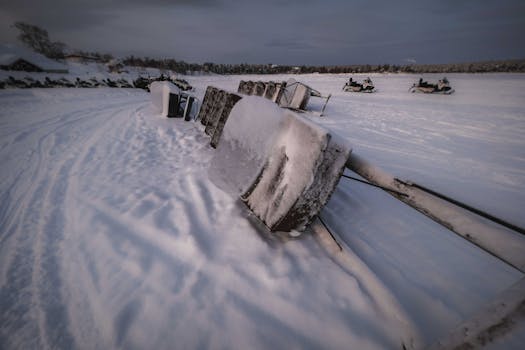
Ice hotels are temporary structures built each winter from snow and ice, most often in northern regions such as Swedish Lapland and parts of Quebec. Their appeal lies in sleeping in rooms carved from frozen blocks, surrounded by sculpted walls and glowing light. A stay also involves real cold, some planning and a few adjustments to ordinary habits. This guide explains what to expect and how to prepare so the experience is comfortable and memorable.
How ice hotels are built and why they change
Most ice hotels are rebuilt each season using snow and ice harvested from nearby rivers or lakes. Builders and artists shape the material with molds and hand tools, and many rooms are decorated by visiting designers. Because the structure melts when temperatures rise, operators typically begin construction in late autumn or early winter and let the building return to nature in spring. The designs often change from year to year, so no two seasons look exactly alike. Check current opening dates with the operator, since schedules and the length of the season can shift.
What the sleeping arrangements usually involve
Rooms are typically furnished with a raised ice platform or bed topped with a thermal mattress, reindeer skins or similar bedding, and sleeping bags rated for low temperatures. Many properties also provide a separate heated building with bathrooms, showers and a warm place to change clothes, because plumbing and most electronics are not practical inside the ice structure itself. Confirm what is included before you arrive, including whether the room has its own temperature controls and whether there is a heated lounge nearby. Policies differ between properties, so the details matter.
Preparing for cold and comfort
Dress in layers: a moisture-wicking base layer, an insulating middle layer and a windproof outer shell. Warm socks, a hat that covers the ears, and gloves designed for cold conditions matter more than any single expensive item. Staying dry is important, since damp clothing loses heat quickly. Drinking water, avoiding alcohol close to bedtime and eating a substantial meal before settling in can help the body stay warm overnight. Ask the operator for their recommended sleepwear and footwear so you pack the right things.
Activities and the surrounding area
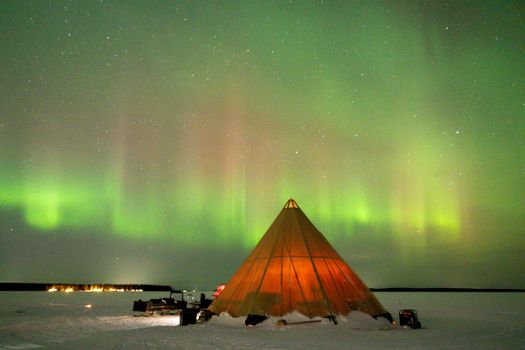
Ice hotels usually sit within a broader winter destination. Common activities include snowmobiling, dog sledding, guided snowshoe walks, ice fishing and visits to ice bars or sculpture workshops. Northern lights viewing depends on weather and solar activity, so it is never guaranteed, and planning a few nights gives more flexibility. Availability of each activity depends on the season, the weather and the local operators, and some tours have age, weight or fitness requirements. Read the descriptions carefully and book the ones that suit your comfort level.
Booking and planning considerations
Ice hotel rooms are limited in number and can sell out, particularly during peak winter weeks and around holiday periods. Read cancellation and weather policies closely, because conditions can affect transfers, flights and outdoor activities. Travel insurance that explicitly covers winter activities may be worth reviewing. Plan the route from the nearest airport or town, and allow extra time for winter road conditions. If you rely on a particular activity, have a backup plan in case it is cancelled.
Practical tips
- Test your sleeping bag at home and learn how to close the hood before you go.
- Pack a headlamp, an insulated water bottle and a small snack for the night.
- Keep phones and cameras warm and charge them in the heated building.
- Set up a warm place to return to during breaks in outdoor activities.
- Ask staff for a morning routine so the cold wake-up is quick and organized.
Common mistakes to avoid
A common mistake is packing bulky items that take up space in small rooms or lockers. Some guests bring cotton sleepwear, which can feel cold and damp once it absorbs body moisture. Others forget that night-time trips to the bathroom mean leaving a warm sleeping bag, so a robe or insulated layer should be within easy reach. Tight schedules are another problem, since a late transfer or delayed flight can cut into rest. Some visitors expect the room to feel as warm as a hotel, and are unprepared for how quickly the cold returns when the door opens. People also underestimate how long it takes to dress for the outdoors, which leads to rushed and uncomfortable starts. Finally, guests may overlook footwear, choosing boots that are too tight to fit warm socks comfortably. Taking these details into account makes the stay more comfortable.
Who this suits and who it doesn't
Ice hotels suit travelers who enjoy winter landscapes, unusual architecture and a degree of adventure. Those comfortable with cold weather and simple routines often find the experience memorable, especially when combined with guided outdoor activities. Couples and small groups may enjoy the novelty, while solo travelers can connect with other guests in the shared heated areas. These stays may be less suitable for people with heart conditions, circulation problems or other conditions that make cold exposure risky. Those who dislike limited privacy or shared facilities may find the arrangements challenging. Light sleepers, or people who prefer consistent temperatures, may want to consider a conventional winter lodge instead. Consulting a doctor before booking is wise if you have health concerns affecting cold tolerance.
Frequently asked questions
Is sleeping in an ice room dangerous? Operators typically provide sleeping equipment and guidance, but cold exposure carries real risks, so follow instructions and ask questions before you arrive.
Do you need winter camping experience? Not always, but comfort with cold, layering and sleeping bags helps. Ask the operator what they recommend.
Can you visit for just a day? Some properties offer day visits or tours, though availability varies. Check current options with the operator.
An ice hotel can be a striking way to experience a winter landscape, but comfort depends on preparation more than on the room itself. Confirming the details with the operator, dressing in layers and building in some flexibility for weather will make the stay far more enjoyable and far less stressful.