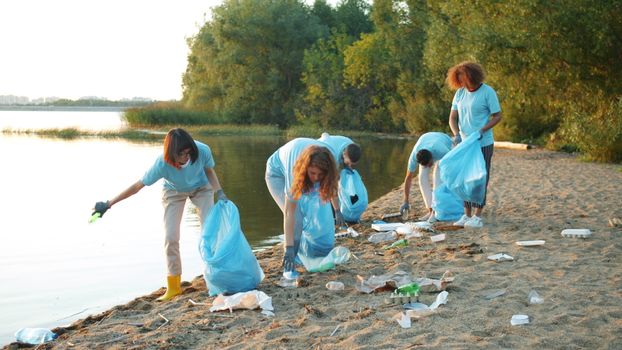
Conservation volunteering attracts people who want to contribute to protecting wildlife, forests, coastlines and other natural places while travelling. When well designed, these projects can support monitoring, habitat restoration, data collection and community education. When poorly designed, however, they can waste resources, displace local workers or cause harm to animals and ecosystems. This guide explains how to tell the difference, what questions to ask providers and how to make a constructive contribution.
Understanding what volunteers can realistically add
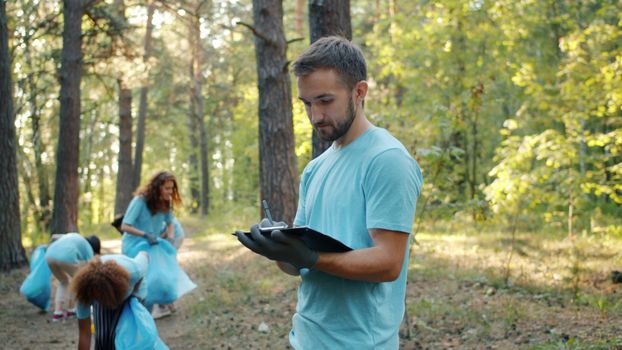
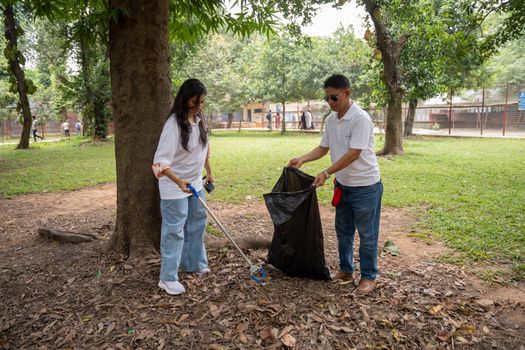
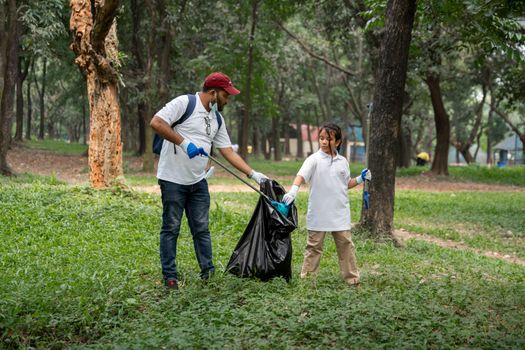
Many conservation tasks require training, supervision and continuity. Useful contributions often include planting native species, clearing invasive plants, counting wildlife, maintaining trails, supporting research or helping with environmental education. Some tasks are short-term and suited to casual volunteers, while others need months of commitment. Be realistic about your skills and the time you can offer. A project that relies on untrained volunteers for specialist work may be less effective than one that welcomes help with clearly defined tasks.
Assessing an organisation
Look for projects run by recognised conservation bodies, universities, local community groups or established research stations. Good organisations usually explain their goals, how success is measured and who leads the work. Check whether the project has local partners and whether staff are paid local professionals. Ask how long the project has operated and whether it publishes reports or scientific output. Be cautious of providers whose main focus appears to be selling experiences rather than delivering conservation outcomes.
Costs, fees and where the money goes
Some conservation programmes charge volunteers fees to cover accommodation, food, transport and project costs. Fees are not automatically a warning sign, since running remote field stations is expensive. However, you should be able to find out what your money pays for. Ask for a breakdown and check whether a portion supports the project or local staff. Be wary of schemes that promise unusually high personal rewards, or that rely on volunteers to fill roles that should be paid positions.
Working with animals responsibly
Projects involving animals deserve particular care. Avoid activities that involve handling wild animals for photographs, feeding them, or taking part in breeding or captive displays without strong scientific justification. Responsible organisations keep wildlife at a distance, follow established welfare guidelines and explain why certain interactions are not permitted. If a project encourages close contact with wild animals as a main attraction, consider that a warning sign.
Respecting local communities
Conservation work often takes place in communities with their own priorities, traditions and livelihoods. Good projects involve local people in planning and decision making, and they recognise local knowledge. Volunteers should learn basic local customs, dress appropriately, follow guidance from community leaders and avoid making assumptions about local needs. Spending money at local businesses, where appropriate, can also help the wider economy. Be mindful of the difference between helping and taking over, especially in areas with strong local leadership.
Practical tips
- Ask who leads the project, how it is funded and how success is measured.
- Request a clear description of daily tasks, training and supervision before booking.
- Check whether the project is listed or reviewed by credible conservation or academic bodies.
- Avoid schemes that involve handling wild animals or that promise unusually close encounters.
- Prepare for the work with appropriate clothing, health checks and any required vaccinations, following current official travel health advice.
Common mistakes to avoid
A common mistake is choosing a project because it sounds exciting rather than because it is well run. Volunteers may be drawn to dramatic animal encounters or remote locations without asking whether the work is scientifically useful. Another error is assuming that any physical effort is valuable. Planting or clearing tasks that are poorly planned can waste time, damage fragile soil or duplicate work that local staff have already completed.
Volunteers also sometimes underestimate the role of supervision. Projects that place untrained people in charge of sensitive tasks, such as handling equipment or recording data, may produce unreliable results. Check whether the organisation provides a briefing, and whether someone experienced will review your work. Finally, avoid trying to solve problems you do not fully understand. Ask staff what they need most, and follow their guidance on where and how to help.
Who This Suits and Who It Doesn't
Conservation volunteering suits people who are patient, comfortable with routine field tasks and willing to work as part of a team. Good fits often include those who can commit to a clear period of work, who enjoy outdoor labour and who are interested in learning about ecology. Volunteers with relevant skills, such as surveying, mapping or education, may find that their knowledge is especially useful when it is matched to specific needs.
It may not suit people who expect constant wildlife encounters, luxurious accommodation or a holiday pace. Field conditions can be basic, weather may be demanding and tasks are often repetitive. Those with physical limitations, medical conditions or caring responsibilities should discuss their needs with the organisation before committing. Travellers who would prefer to contribute by donating, supporting local businesses or advocating for conservation policy may find these routes more practical. Choosing the right kind of contribution is part of responsible volunteering.
Conservation volunteering can make a real difference when it is carefully planned and led by people with genuine expertise. The most valuable projects are transparent about their goals, respectful of wildlife and communities, and honest about costs. Taking time to research providers and asking direct questions is the best way to ensure that your effort supports the places and species you hope to protect.