The Elusive Frame: Chasing Silence in a Crowded World – My Quest for Unspoiled Beauty
It was a sweltering August morning in Santorini, the kind where the sun beats down with relentless Greek enthusiasm. I stood, camera in hand, jostled by a throng of fellow travelers, all vying for that one iconic shot of the blue-domed churches. My frustration mounted with every elbow bump and every phone screen obscuring the view. The magic, I realized, wasn't in the postcard-perfect scene itself, but in the experience – and that experience was being drowned out by the sheer volume of humanity.
That day was my turning point. I vowed to seek out places where the landscape could speak for itself, where the only footsteps I’d hear were my own, and where a perfect shot didn’t involve a dozen strangers in the background. My mission: to uncover the world’s most photogenic spots that are still blissfully crowd-free, destinations teetering on the brink of discovery, waiting for discerning travelers like us.
Over the past few years, this quest has led me to some of the most awe-inspiring, soul-stirring corners of the globe. Places where the light hits just right, the colors pop, and the silence is so profound it feels like a physical presence. These aren't just pretty places; they're experiences, adventures, and photographic goldmines that will leave your followers wondering, "Where is that?!"
So, fellow wanderlusters and photography enthusiasts, put down that mainstream travel guide. Lean in close, because I’m about to share my carefully curated list of 7 incredibly photogenic spots with zero crowds, before they become mainstream. Consider this your secret map to unspoiled beauty.
1. The Azores, Portugal: Europe's Emerald Secret
Why it's Photogenic: Imagine Ireland's lush greenery meeting Hawaii's volcanic drama, all set in the middle of the Atlantic. The Azores, particularly São Miguel, are a kaleidoscope of vibrant crater lakes (some green, some blue!), steaming hot springs, dramatic black sand beaches, and endless rolling hills dotted with cows. The light here is often soft and ethereal, especially in the misty mornings, creating a moody, atmospheric canvas for photographers. Think dramatic coastal cliffs plunging into turquoise waters, hidden waterfalls, and vibrant hydrangeas lining every road.
My Experience: My first glimpse of Sete Cidades, the iconic twin lakes, was from a misty viewpoint after a short hike. The fog swirled, revealing glimpses of the emerald and sapphire waters below, then closing in again. It felt like a mythical land, a painting coming to life. Later, soaking in the iron-rich thermal waters of Furnas, surrounded by lush jungle, was an otherworldly experience – the orange-stained water contrasting beautifully with the verdant surroundings.
Why it's Still Uncrowded: While gaining popularity, the Azores are still relatively remote compared to mainland Europe. The focus is on nature and adventure, not bustling cities or resorts, which keeps the mass tourism at bay for now. It requires a bit more effort to get there, but the reward is immense.
How to Get There: Direct flights are available from Lisbon, Porto, and some major European and North American cities to Ponta Delgada (São Miguel). Renting a car is essential for exploring the island freely.
Best Time to Visit: Spring (April-June) for hydrangeas and mild weather, or early autumn (September-October) for fewer crowds and still pleasant temperatures.
Cost Estimate: Mid-range. Accommodation and car rental are reasonable, and many natural attractions are free or low-cost. Expect around €80-€120/night for a charming guesthouse.
Pro-Tip for Photographers: Don't just stick to the main viewpoints. Hike the lesser-known trails around the crater lakes (like Lagoa do Fogo) for unique perspectives. Pack a drone for breathtaking aerial shots of the volcanic landscapes and coastal cliffs. Embrace the misty weather – it adds incredible drama!
2. Koh Kood, Thailand: The Last Tropical Paradise (For Now)
Why it's Photogenic: Forget the crowded beaches of Phuket or the full moon parties of Koh Phangan. Koh Kood (or Koh Kut) is a dreamscape of powdery white sand beaches fringed with swaying coconut palms, incredibly clear turquoise waters, and a lush, undeveloped interior boasting waterfalls and mangrove forests. The pace is slow, the bungalows are charming, and the sunsets paint the sky in hues you won't believe. Every corner feels like a desktop background.
My Experience: I remember renting a scooter and just driving, eyes wide, discovering one perfect beach after another. Ao Phrao, with its long stretch of deserted sand, felt like my private island. My favorite memory is swimming in Klong Chao Waterfall, the water cool and refreshing, surrounded by dense jungle, feeling completely at peace. The bioluminescent plankton tour at night was pure magic – sparkling like underwater stars.
Why it's Still Uncrowded: It's further afield than its more famous counterparts, requiring a ferry journey from Trat. This extra step keeps the package tourists away, preserving its laid-back, untouched vibe.
How to Get There: Fly to Trat (TDX) from Bangkok, then take a short taxi to Laem Sok Pier, followed by a speedboat or ferry to Koh Kood.
Best Time to Visit: November to February for dry, sunny weather and calm seas.
Cost Estimate: Budget to Mid-range. Accommodation varies from simple bungalows to boutique resorts. Food is very affordable, especially local eateries. Expect around ฿1000-฿2500/night (approx. $30-$75 USD).
Pro-Tip for Photographers: Golden hour is your best friend here. The soft light filtering through the palm trees onto the white sand is exquisite. Use a polarizing filter for vibrant water shots. Look for the iconic swing sets on some beaches for classic Instagram shots.
3. Cocora Valley, Colombia: Land of Giant Palms
Why it's Photogenic: Prepare for a landscape that feels like it's been plucked from a Dr. Seuss book. The Cocora Valley, nestled in Colombia's coffee region, is home to the world’s tallest wax palms, soaring up to 60 meters into the misty cloud forest. These slender, elegant trees pierce the sky from vibrant green pastures, creating a surreal, almost otherworldly scene, especially when the clouds roll in. It's a photographer's dream for its unique scale and dramatic atmosphere.
My Experience: The hike through the valley was invigorating. One moment, I was surrounded by towering palms in open pastures; the next, I was deep in a humid cloud forest, crossing rickety suspension bridges over rushing rivers. The sheer scale of the wax palms made me feel tiny, a humbling experience. Reaching the "Casa de los Colibríes" (Hummingbird House) for a hot panela drink and watching dozens of hummingbirds flit around was a delightful bonus.
Why it's Still Uncrowded: While Salento (the base town) is popular with backpackers, the valley itself is large enough to absorb visitors, especially if you venture beyond the initial viewpoint. It's not as globally known as Machu Picchu or Patagonia, making it a hidden gem for now.
How to Get There: Fly to Pereira (PEI) or Armenia (AXM), then take a bus or shared jeep (colectivo) to Salento. From Salento, brightly painted Willy jeeps depart regularly for Cocora Valley (approx. COP 4,000 / $1 USD per person).
Best Time to Visit: Dry season (December-March and July-August) for clearer skies, but the misty season adds a magical, dramatic touch. Go early in the morning (before 8 AM) for the best light and fewest people.
Cost Estimate: Budget-friendly. Accommodation in Salento is cheap, and the jeep ride to the valley is minimal. Expect COP 50,000-COP 100,000/night (approx. $13-$26 USD) for a hostel or guesthouse.
Pro-Tip for Photographers: Use a wide-angle lens to capture the full height of the palms. Experiment with long exposures on misty days to create an ethereal feel. Look for cows grazing amongst the palms for a classic rural shot.
4. Sidi Ifni & Mirleft Coast, Morocco: Atlantic's Untamed Edge
Why it's Photogenic: Forget the bustling souks of Marrakech. Head south along Morocco’s Atlantic coast to Sidi Ifni and the Mirleft region for a completely different visual feast. Here, dramatic red cliffs plunge into the wild ocean, creating a rugged, untamed coastline. You'll find deserted golden sand beaches, unique rock formations (like the remaining arches at Legzira Beach), and the charming, laid-back Art Deco architecture of Sidi Ifni itself. The light at sunset here is an absolute dream, painting the cliffs in fiery hues.
My Experience: Driving the coastal road from Sidi Ifni towards Mirleft, with the vast Atlantic stretching out beside me, felt like stepping into an adventure movie. The silence was profound, broken only by the crash of waves. Even though the main arch at Legzira Beach collapsed a few years ago, the remaining arches and the sheer scale of the red cliffs are still breathtaking. I spent hours just watching the waves, feeling completely disconnected from the world. The relaxed pace of life in Sidi Ifni, with its blue and white buildings and old Spanish colonial charm, was a welcome contrast to the sensory overload of other Moroccan cities.
Why it's Still Uncrowded: This region is far from the typical tourist trail, often overshadowed by the Imperial Cities or the Sahara. It attracts surfers and those seeking a more authentic, off-the-grid experience.
How to Get There: Fly to Agadir (AGA), then take a grand taxi or bus south for about 2-3 hours to Sidi Ifni or Mirleft. Renting a car from Agadir is highly recommended for exploring the coast.
Best Time to Visit: Spring (March-May) or Autumn (September-November) for pleasant temperatures. Avoid peak summer when it can be very hot.
Cost Estimate: Budget-friendly. Guesthouses and local food are very affordable. Expect around MAD 200-MAD 400/night (approx. $20-$40 USD) for a decent stay.
Pro-Tip for Photographers: Chase the golden hour at Legzira Beach – the way the sun hits the red cliffs is magical. Look for the unique fishing boats pulled onto the sand. Sidi Ifni's Art Deco buildings offer great street photography opportunities.
5. Isla Holbox, Mexico: Caribbean's Bohemian Hideaway
Why it's Photogenic: Forget the concrete jungles of Cancun. Isla Holbox, a car-free island north of the Yucatán Peninsula, is a bohemian paradise. Its sandy streets are lined with vibrant murals, colorful wooden houses, and lush vegetation. The beaches are pristine, the water is shallow and crystal clear, and sunsets over the Gulf of Mexico are legendary. Plus, depending on the season, you can swim with whale sharks or witness incredible bioluminescence at night. It's a feast for the eyes and the soul.
My Experience: Stepping off the ferry onto Holbox felt like entering a different world. No cars, just golf carts and bicycles. I rented a bike and spent days exploring, discovering hidden murals, lounging on deserted stretches of beach, and spotting flamingos at Punta Mosquito. The highlight, undoubtedly, was the bioluminescence tour at Punta Cocos after dark. Swimming in the warm, inky water as it lit up around me with every movement was pure magic – an unforgettable, almost spiritual experience.
Why it's Still Uncrowded: While growing in popularity, Holbox remains less developed than its Riviera Maya neighbors. Its car-free status and focus on eco-tourism attract a different kind of traveler, keeping it relatively chill.
How to Get There: Fly to Cancun (CUN), then take a bus or private transfer to Chiquilá, followed by a 20-minute ferry ride to Holbox.
Best Time to Visit: December-May for dry weather. July-August is whale shark season, but also hotter and more humid.
Cost Estimate: Mid-range. Accommodation varies widely. Food is generally affordable. Expect around MXN 1500-MXN 3000/night (approx. $75-$150 USD) for a charming boutique hotel.
Pro-Tip for Photographers: The colorful murals around town are fantastic for street photography. Shoot sunsets from Punta Cocos. If you do the bioluminescence tour, bring a camera capable of high ISO and long exposures, or just enjoy the moment – it's hard to capture perfectly without specialized gear!
6. Svaneti, Georgia: Caucasus' Ancient Towers
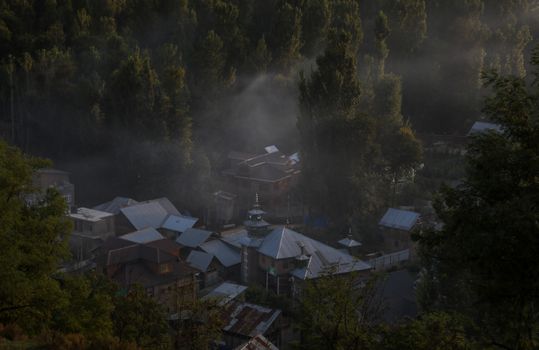
Why it's Photogenic: Prepare for a journey back in time to the heart of the Caucasus Mountains. Svaneti, a historical province in northwestern Georgia, is famous for its stunning medieval stone defense towers, known as koshki, which dot the landscape against a backdrop of snow-capped peaks and emerald alpine meadows. The villages, particularly Ushguli (a UNESCO World Heritage site and one of Europe’s highest continuously inhabited settlements), look like something out of a fairy tale. It's rugged, dramatic, and steeped in ancient culture.
My Experience: The drive up to Mestia, the regional capital, was an adventure in itself, winding through breathtaking mountain passes. But it was Ushguli that truly stole my heart. Walking through the ancient village, past the iconic towers, with Mount Shkhara (Georgia's highest peak) looming majestically in the distance, felt incredibly humbling. I spent an afternoon simply watching the local life unfold, the cows grazing freely, the smoke curling from chimneys, and the sheer resilience of a community living amidst such grandeur. The hospitality of the Svan people, sharing their local khachapuri and homemade wine, was an unforgettable part of the experience.
Why it's Still Uncrowded: Georgia itself is an emerging destination, and Svaneti, while becoming more accessible, still requires a dedicated journey. Its remote, mountainous location naturally filters out mass tourism.
How to Get There: Fly to Kutaisi (KUT) or Tbilisi (TBS). From Kutaisi, take a marshrutka (minibus) or shared taxi to Mestia (approx. 4-5 hours). From Mestia, hire a local 4x4 or join a tour to Ushguli (approx. 2-3 hours, depending on road conditions).
Best Time to Visit: Late spring (May-June) for blooming wildflowers and green landscapes, or early autumn (September-October) for golden foliage and stable weather. Winter is beautiful but roads can be challenging.
Cost Estimate: Budget-friendly. Guesthouses are plentiful and often include meals. Expect around GEL 50-GEL 100/night (approx. $15-$30 USD) for a guesthouse with breakfast.
Pro-Tip for Photographers: The unique architecture of the Svan towers against the mountain backdrop is incredible. Golden hour and blue hour provide magical light. Look for local shepherds and their flocks for authentic cultural shots. Bring a drone for epic panoramic views of Ushguli.
7. Socotra Island, Yemen: The Alien Landscape of the Indian Ocean
Why it's Photogenic: Okay, this one requires a bit more planning and a true adventurous spirit, but the payoff is unparalleled. Socotra, an island off the coast of Yemen, is often called "the most alien-looking place on Earth." It's a biodiversity hotspot, famous for its unique flora, most notably the bizarre Dragon's Blood Trees, which look like inverted umbrellas. Add to that pristine white sand dunes that meet turquoise waters, dramatic canyons, and ancient caves. It’s a landscape photographer’s ultimate dream, unlike anything you've ever seen.
My Experience: Landing on Socotra felt like stepping onto another planet. The Dragon's Blood Trees, ancient and majestic, are truly mesmerizing. Hiking through the Dixam Plateau, surrounded by these iconic trees, felt incredibly surreal. The pristine beaches, like Qalansiya, with their blindingly white sand and emerald waters, were beyond anything I'd imagined. Camping under a blanket of stars, with the Milky Way brilliantly visible, and waking up to the sound of the ocean, was an experience of profound solitude and wonder. It's a place that truly forces you to put your phone down and just be.
Why it's Still Uncrowded: Due to its remote location, political instability in mainland Yemen, and limited flight options, Socotra remains one of the world's most untouched and least visited destinations. Travel requires a specialized tour operator and a visa.
How to Get There: Flights typically depart from Abu Dhabi (AUH) or Cairo (CAI) on specific days of the week. You MUST go with a local tour operator who handles all logistics, permits, and guides.
Best Time to Visit: October to May for pleasant weather and calmer seas.
Cost Estimate: High. Due to the specialized nature of travel and the need for a guided tour, it's a significant investment. Expect upwards of $1500-$2500+ USD for a 7-10 day trip, excluding international flights.
Pro-Tip for Photographers: Focus on the unique endemic flora – the Dragon's Blood Trees, Bottle Trees, and Cucumber Trees are incredible subjects. Use wide-angle lenses for landscapes and a macro lens for unique plant details. Night photography is exceptional due to zero light pollution. Be respectful of local customs and ask permission before photographing people.
Your Blueprint for Uncrowded Adventures
These seven destinations are more than just pretty places; they are invitations to experience travel differently – authentically, intimately, and with a photographer's eye for the truly unique. They offer the rare luxury of solitude, allowing you to connect with the landscape and culture without the constant hum of tourist chatter.
Before You Go: Essential Tips for the Discerning Explorer
- Go Early (or Late): Even in these less-crowded spots, the golden hours (sunrise/sunset) are magical. Arriving at dawn often means having a place entirely to yourself.
- Travel Shoulder Season: Avoiding peak tourist times (even for these spots) ensures fewer people and often better prices.
- Embrace the Journey: Getting to these places often involves multiple steps. Enjoy the process, the local transport, and the unexpected detours.
- Go Local: Hire local guides, eat at local restaurants, stay in local guesthouses. This supports the community and gives you an authentic experience.
- Leave No Trace: Practice responsible tourism. Pack out everything you pack in, respect wildlife, and preserve the pristine beauty for others.
- Unplug (Sometimes): While you're there to capture incredible shots, remember to put the camera down and simply be. Some moments are meant for memory, not just memory cards.
- Don't Geotag in Real-Time: To help preserve these spots, consider sharing locations generally (e.g., "Svaneti, Georgia") rather than exact coordinates until after your trip.
The world is vast and full of wonders waiting to be discovered. Don't let the fear of crowds deter you from seeking out truly spectacular experiences. These places are calling your name, promising breathtaking views and stories you'll tell for a lifetime – and photos that will undoubtedly go viral.
Which of these hidden gems are you adding to your bucket list? Have you discovered a secret spot you think deserves a place on this list? Share your thoughts and inspire fellow travelers in the comments below!
---