Beyond the Geysers: Unveiling January's Most Astonishing National Park Secrets
I stepped off the train in Banff, Alberta, and the air hit me – crisp, impossibly clean, carrying the faint, sweet scent of pine and something wild. It was January, and the world was a hushed masterpiece of white. The sheer scale of the snow-dusted peaks, the impossibly turquoise hue of frozen Lake Louise peeking through a dusting of frost… it was a moment that redefined my understanding of winter's raw power. Yellowstone, with its steaming geysers and familiar wildlife, is undeniably spectacular. But for those seeking an even more profound, less crowded, and dare I say, more stunning January experience in 2026, the world offers a treasure trove of national parks waiting to be discovered. This isn't just about escaping the crowds; it's about immersing yourself in a pristine, almost otherworldly beauty that only January can truly unveil.
1. Zion National Park: A Crimson Canyon in a Blanket of White
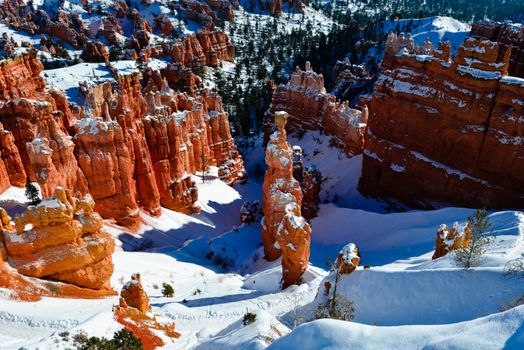
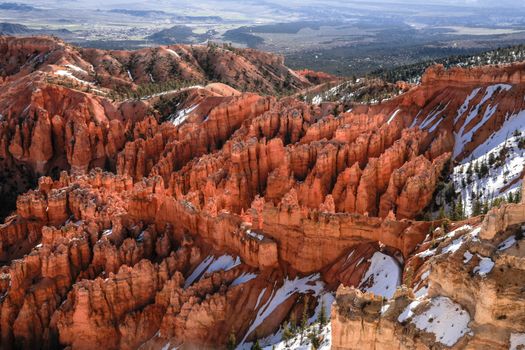
Most people picture Zion’s towering sandstone cliffs in the golden hues of autumn or the vibrant greens of spring. But let me tell you, seeing Zion draped in snow is a revelation. The stark contrast between the deep red rock and the pristine white snow is utterly breathtaking. The Virgin River, often a rushing torrent, becomes a ribbon of ice and snowmelt, its banks lined with frosted cottonwoods. The silence, broken only by the crunch of your boots on the snow and the distant call of a raven, is profound.
The Narrows in Winter: A Frozen Wonderland
Hiking The Narrows in January is an adventure for the truly intrepid. While the water may be frigid, with the right gear (think dry suits and neoprene socks – an absolute must!), you can experience this iconic slot canyon in a way few ever do. The walls, slick with ice and snow, create an ethereal, almost cathedral-like atmosphere. Light filters down in a way that paints the ice formations in shades of sapphire and emerald.
Pro-Tip: Access to The Narrows from the Temple of Sinawava is often limited or closed due to ice. Check the park’s official website for current conditions and shuttle availability. Consider a guided tour for safety and the best gear recommendations.
Emerald Pools Trail: A Chillingly Beautiful Vista
The Emerald Pools Trail, usually teeming with hikers, becomes a serene path in January. The waterfalls that feed the pools often freeze into spectacular ice sculptures, creating a surreal, frozen cascade. The muted light of winter softens the landscape, making the vibrant greens of the hardy desert flora even more striking against the snow.
Quick Facts: Zion National Park (January)
- Estimated Costs ($): $30 (park entrance fee), $150-$300/night (lodging), $50-$100/day (food & activities).
- Best Time to Visit: Mid-January to late February for snow.
- How to Get There: Fly into Las Vegas (LAS) and rent a car (approx. 3-hour drive). Alternatively, fly into St. George Regional Airport (SGU) for a shorter drive.
2. Grand Teton National Park: A Symphony of Silence and Snow
Yellowstone's neighbor, Grand Teton, offers a winter spectacle that is, in my opinion, even more artistically composed. The jagged, snow-capped Teton Range rising dramatically from the frozen plains is a sight that will etch itself into your soul. In January, the park is a vast canvas of white, interrupted only by the dark silhouettes of evergreen trees and the occasional splash of color from a cardinal or a Steller's jay.
Taggart Lake and Jenny Lake: Frozen Jewels
These iconic lakes, usually buzzing with summer activity, transform into vast, silent expanses of ice. Snowshoeing or cross-country skiing across their frozen surfaces offers unparalleled views of the Tetons reflected in the glassy, snow-covered expanse. The air is so still, you can almost hear the mountains breathing.
Pro-Tip: Rent snowshoes or cross-country skis in Jackson Hole. Many trails are groomed, but always check conditions. For Jenny Lake, access to the boat shuttle is closed in winter, so be prepared to hike or ski to the western shore.
Oxbow Bend: A Photographer's Dream
The calm waters of Oxbow Bend, often reflecting Mount Moran, become a mirror of winter's stark beauty. The frost-kissed willows and the snow-laden riverbanks create a scene of unparalleled tranquility. If you're lucky, you might spot a moose or elk foraging in the crisp air.
Insider Lingo: When locals talk about the "Tetons," they're referring to the whole majestic range. The "Snake River Overlook" is a must-stop for that classic Ansel Adams view, amplified by the winter stillness.
Quick Facts: Grand Teton National Park (January)
- Estimated Costs ($): $35 (park entrance fee), $150-$350/night (lodging in Jackson Hole), $60-$120/day (food & activities).
- Best Time to Visit: December through March for consistent snow.
- How to Get There: Fly into Jackson Hole Airport (JAC), which is practically in the park.
3. Olympic National Park: A Rainforest, Mountains, and Coast in Winter’s Embrace
Olympic National Park is a trifecta of diverse ecosystems, and in January, each one offers a unique, stunning experience. The Hoh Rainforest, usually dripping with moss, becomes a silent, ethereal wonderland. The snow dusts the ancient trees, muffling all sound and creating a truly magical atmosphere. Then there are the snow-capped Olympic Mountains, offering a dramatic, alpine contrast. And finally, the rugged Pacific coastline, where winter storms can create dramatic wave action against the backdrop of snow-dusted sea stacks.
The Hoh Rainforest: Whispers of Ancient Magic
Walking through the Hoh Rainforest in January feels like stepping into a fairy tale. The giant Sitka spruce and western hemlocks are draped in a thick blanket of snow, their branches creating natural arches. The air is thick with the scent of damp earth and pine. It’s a place of profound peace and quiet, where the only sounds are the gentle drip of melting snow and the occasional chirp of a winter bird.
Pro-Tip: Pack waterproof gear! The rainforest is always damp, and January can bring rain, snow, and everything in between. The Hall of Mosses trail is a must-do, even with snow.
Hurricane Ridge: A Winter Alpine Paradise
For a completely different experience, head up to Hurricane Ridge. The panoramic views of the snow-covered Olympic Mountains are simply staggering. Snowshoeing or cross-country skiing here offers a true alpine adventure without the extreme altitude. The wind can be fierce, but the views are worth every gust.
Pro-Tip: Check the road status to Hurricane Ridge before you go. It can close due to snow. Drive carefully, and consider carrying tire chains.
Rialto Beach: Dramatic Coastal Storms
While not always snowy, the Washington coast in January is a spectacle of raw power. Massive waves crash against the sea stacks, and the air is thick with sea spray. The dramatic skies and the moody atmosphere are captivating. Seeing the contrast of snow on the distant mountains with the churning Pacific is unforgettable.
Quick Facts: Olympic National Park (January)
- Estimated Costs ($): $30 (park entrance fee), $120-$250/night (lodging in Port Angeles or Forks), $40-$80/day (food & activities).
- Best Time to Visit: Year-round for different experiences, but January offers snow in the mountains and dramatic coastal weather.
- How to Get There: Fly into Seattle-Tacoma International Airport (SEA), rent a car, and drive (approx. 3-4 hours to the park entrance).
4. Arches National Park: Red Rock Sculptures Against a Snowy Sky
Utah’s Arches National Park is famous for its vibrant red rock formations. In January, these iconic arches and fins are often dusted with snow, creating a surreal and stunning contrast. The usually stark desert landscape takes on a softer, more ethereal quality. The crowds are significantly thinner, allowing for a more intimate experience with these natural wonders.
Delicate Arch in Winter: A Solitary Icon
The hike to Delicate Arch is challenging, but in January, the reward is immense. Seeing this magnificent arch, often framed by snow-covered desert scrub, is a truly awe-inspiring sight. The silence amplifies the grandeur of the landscape.
Pro-Tip: The trail to Delicate Arch can be icy and slippery in January. Wear sturdy hiking boots with good traction. Hiking poles are highly recommended.
The Windows Section: A Frozen Gallery
The Windows Section, with its large arches like North Window, South Window, and Turret Arch, becomes a frozen gallery. The snow clinging to the rock formations highlights their intricate details and textures. It’s a fantastic area for photography, with the soft winter light creating beautiful shadows.
Insider Lingo: Park rangers might mention "monsoon season" or "flash floods" as dangers. While less common in January, always be aware of changing weather, especially if venturing off main trails.
Quick Facts: Arches National Park (January)
- Estimated Costs ($): $30 (park entrance fee), $100-$200/night (lodging in Moab), $40-$70/day (food & activities).
- Best Time to Visit: Mid-December through February for snow and fewer crowds.
- How to Get There: Fly into Grand Junction Regional Airport (GJT) and rent a car (approx. 1.5-hour drive). Alternatively, fly into Salt Lake City International Airport (SLC) and drive (approx. 3.5-4 hours).
5. Glacier National Park: A Frozen Fortress of Majesty
While much of Glacier National Park is inaccessible in January due to snow and road closures, the accessible areas offer a breathtaking, frozen wonderland. The Going-to-the-Sun Road is closed, but the areas around the West Glacier entrance and Lake McDonald provide opportunities for an unforgettable winter experience. This is a park that truly embodies the raw, untamed beauty of winter.
Lake McDonald in Winter: A Serene, Icy Expanse
Lake McDonald, the park's largest lake, freezes over in January, creating a vast, silent expanse of ice. The surrounding mountains, draped in snow, create a dramatic backdrop. Snowshoeing or cross-country skiing along the lake’s edge offers stunning views and a sense of profound solitude.
Pro-Tip: The Apgar Village area is typically accessible and offers lodging and rental options for snowshoes and skis. Always check the park’s website for road status and avalanche conditions before venturing out.
Avalanche Lake Trail (Winter Access): A Hidden Gem
While the full trail to Avalanche Lake might be challenging due to snow, sections of the Trail of the Cedars and the beginning of the Avalanche Lake trail are often accessible and offer a taste of the park's winter magic. The towering cedar trees, dusted with snow, create an almost mystical forest.
Insider Lingo: When you hear "Going-to-the-Sun Road," know that it's the park's iconic highway, but it's closed to vehicles in winter. Access is for cross-country skiers and snowshoers only in certain sections.
Quick Facts: Glacier National Park (January)
- Estimated Costs ($): $35 (park entrance fee), $130-$280/night (lodging in Whitefish or Columbia Falls), $50-$100/day (food & activities).
- Best Time to Visit: December through March for winter recreation opportunities in accessible areas.
- How to Get There: Fly into Glacier Park International Airport (FCA) near Kalispell, and rent a car.
The Unspoken Allure of January
Yellowstone in January is a magnificent beast, but these parks offer something more: a profound sense of peace, a starker beauty, and the exhilarating feeling of discovery. They are places where you can hear the snow fall, feel the chill in your bones, and witness nature at its most pure and unadorned. In January 2026, dare to venture beyond the familiar. Choose one of these stunning national parks, and you’ll find a winter wonderland that rivals, and in its quiet majesty, perhaps even surpasses, the iconic allure of Yellowstone.