The First Press: A Sensory Awakening
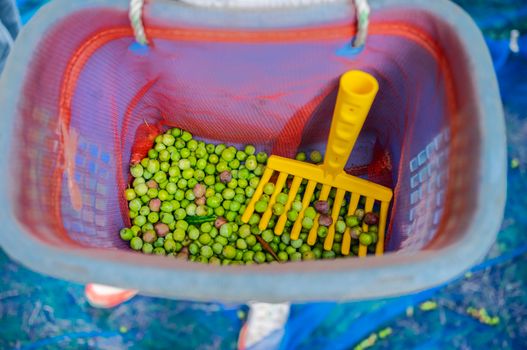
I stepped off the regional train in Ostuni, Puglia, and the air didn't just smell like salt—it smelled like crushed grass and ancient wood. It was late October, the season of the raccolta. Within an hour, I was standing in a grove where the trees looked less like plants and more like gnarled, frozen lightning bolts. My host, a third-generation producer named Donato, handed me a small plastic rake. "Don't just pull," he whispered in a thick Salento accent. "Listen to the tree. It tells you when it’s ready to let go."
As I worked, the rhythmic thwack-thwack of the mechanical shakers echoed across the valley, and the scent of bruised olives—bitter, bright, and intensely green—filled my lungs. By sunset, I wasn't just a tourist; I was part of a lineage. This isn't a "tour." It’s a baptism in liquid gold.
1. Puglia, Italy: The Land of the Giants
Recent data from the Italian Ministry of Agriculture shows a 22% surge in "oil-tourism" (oleoturismo) in Puglia, and for good reason. This region produces 40% of Italy’s olive oil. But you don't want the industrial refineries; you want the Masserie.
The Experience: Head to Masseria Brancati in Ostuni. They have trees certified as national monuments, some over 3,000 years old. During the harvest (October–November), you can join the crew in spreading the nets (reti) and using the abbacchiatore to gently shake the fruit loose.
The Insider Secret: Most people focus on the picking, but the real magic happens at the frantoio (the mill) at 11 PM. This is when the day's harvest is cold-pressed. Ask for a slice of pane di Altamura, toast it over the mill's small fire, and drench it in the neon-green oil that is literally minutes old. It will ruin supermarket oil for you forever.
2. Jaén, Spain: The Sea of Olives
If you look at satellite imagery of Andalusia, the province of Jaén looks like a textured green ocean. With over 66 million trees, this is the global epicenter of olive oil. Recent travel trends indicate a shift away from the coast toward these inland "sea of olives."
The Experience: Picualia in Bailén is a pioneer in industrial-chic oil tourism. They’ve turned the harvest into a high-tech art form. You can spend the morning in the groves and the afternoon in their state-of-the-art laboratory, learning how to identify the "peppery finish" that signifies high polyphenol content.
Pro-Tip: Visit during the Fiesta de la Aceituna in Martos (usually early December). It’s a local riot of music, flamenco, and "remolacha" (a local harvest dish). The hidden entrance to the best local tapas bar is behind the blue door next to the San Amador church.
3. Crete, Greece: The Minoan Legacy
Data from the Greek National Tourism Organization highlights Crete as the leader in sustainable agritourism for 2024. In the Kolymvari region, the olive isn't just a crop; it’s a religion.
The Experience: Biolea Astrikas Estate is a must-visit. Unlike modern centrifugal mills, they still use massive stone mills to grind the olives. During the harvest, the air is thick with a nutty, buttery aroma. You can participate in the harvest and then sit for a "degustation" overlooking the Cretan Sea.
The Insider Language: Don’t just ask for "olive oil." Ask for the Koroneiki cultivar. It’s the "Queen of Olives"—small, potent, and packed with antioxidants. If the oil makes you cough, that’s a good thing; it means it’s fresh and full of health-boosting oleocanthal.
4. Istria, Croatia: The Boutique Revolution
Istria has been named the "Best Olive Oil Region in the World" by Flos Olei for several years running. The data shows that Istrian oils are consistently higher in quality because of the northern latitude, which stresses the trees just enough to concentrate the flavor.
The Experience: Chiavalon in Vodnjan is the gold standard. The brothers who run it are young, energetic, and obsessed with quality. Their harvest experience includes a "blind tasting" workshop where you’ll learn why most of what you’ve been buying in plastic bottles is actually "lampante" (lamp oil).
Pro-Tip: The harvest here starts early—late September. The weather is perfect for cycling. Rent an e-bike and traverse the "Olive Oil Roads" that wind through the peninsula.
5. California, USA: The New World Frontier
For those not looking to cross the Atlantic, the California Olive Oil Council (COOC) reports a massive uptick in harvest festival attendance in the Sonoma and Paso Robles regions.
The Experience: McEvoy Ranch in Petaluma offers a sophisticated take on the harvest. They use a traditional Italian Rapanelli mill. Their "Harvest Day" events are legendary, featuring workshops on how to cure your own table olives—a process that takes patience and a lot of brine.
Quick Facts & Logistics
| Region | Best Time to Visit | Estimated Cost (Day) | Primary Cultivar | | :--- | :--- | :--- | :--- | | Puglia, Italy | late Oct - mid Nov | €85 - €150 | Ogliarola, Coratina | | Jaén, Spain | Nov - Dec | €60 - €120 | Picual | | Crete, Greece | Nov - Jan | €50 - €100 | Koroneiki | | Istria, Croatia | late Sept - Oct | €70 - €130 | Buža, Istarska Bjelica | | California, USA | Oct - Nov | $100 - $250 | Frantoio, Leccino |
Logistics: How to Get There & What to Pack
- The "Oil Suitcase": If you plan on bringing oil back, buy a dedicated "Wine Check" bag or hardshell suitcase. Bubble wrap is your best friend. Remember: TSA won't let you carry on 2 liters of liquid gold.
- The Attire: Wear clothes you don't mind ruining. Olive oil stains are notoriously difficult to remove. Sturdy, waterproof boots are a must—groves can be muddy.
- Booking: These experiences are seasonal and highly dependent on the weather. Use platforms like Agriturismo.it or Eatwith to find smaller, family-run groves that don't advertise on major booking sites.
The Final Drip: Why It Matters
In a world of "fast" everything, the olive harvest is the ultimate "slow" experience. It’s a reminder that the best things in life—much like a fine extra virgin oil—require time, labor, and a deep respect for the land. According to recent data, travelers are increasingly seeking "transformative" experiences over "transactional" ones. Standing in a grove, hands stained purple, watching the sun dip below a horizon of silver leaves? That’s not just a vacation. That’s a transformation.
---