The Scent of Gold: My First Olive Harvest
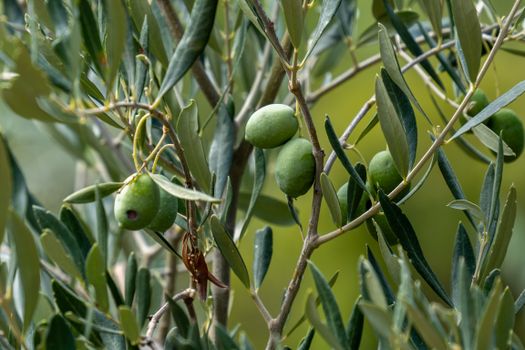
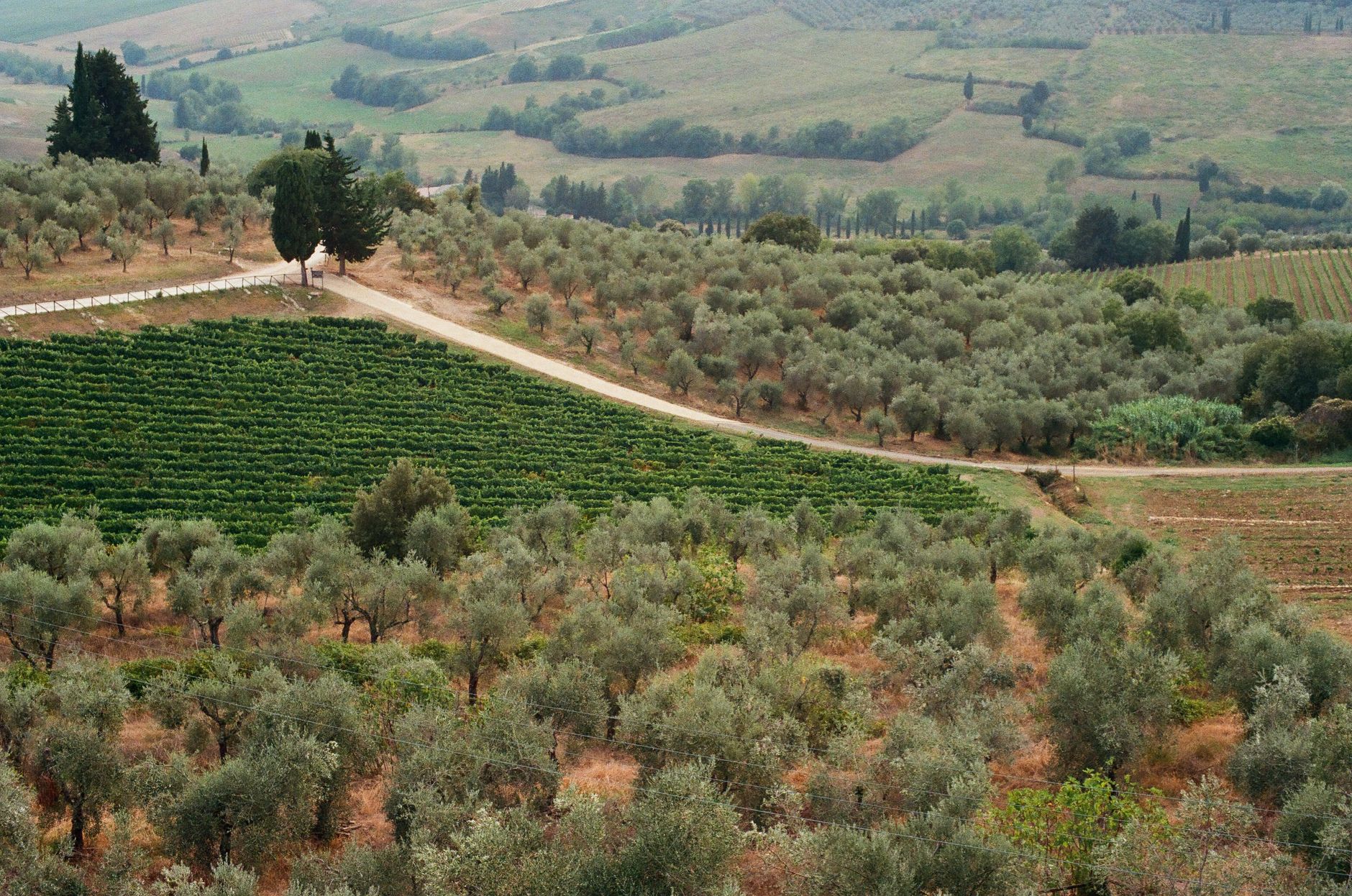
I stepped off the train in a small, sun-drenched village nestled in the Umbrian hills, and the air hit me. It wasn't just warm; it was alive. A heady perfume of ripe olives, dry earth, and wild rosemary, mingling with the faint, sweet scent of woodsmoke from a distant hearth. This was it. The season I’d been dreaming of – the olive harvest. The gentle clatter of wooden crates and the rhythmic rustle of leaves being shaken were the soundtrack to my arrival. I wasn't just visiting an olive grove; I was stepping into a centuries-old tradition, a living, breathing ritual that transforms humble fruit into liquid gold.
This isn't your average vacation. This is about getting your hands, and maybe your soul, a little bit dirty. It's about connecting with the land, understanding where your food comes from, and experiencing the pure joy of a communal harvest. And the best part? Right now, across the Mediterranean, these very experiences are unfolding.
Why the Olive Harvest is Your Next Epic Adventure
The olive harvest isn't just about picking fruit; it's a vibrant festival of life. It's a time when communities come together, when the air buzzes with anticipation, and when the landscape transforms into a shimmering sea of silver-green. For travelers seeking authenticity, it’s an unparalleled opportunity.
- Taste the Freshness: You’ll taste olive oil so fresh, it’s practically still singing. The peppery bite, the fruity notes – it’s a world away from anything you’ll find bottled on a supermarket shelf.
- Connect with Tradition: Witness and participate in a practice that has sustained cultures for millennia. This is heritage you can touch, smell, and taste.
- Escape the Ordinary: Trade bustling city streets for the tranquil beauty of rolling hills, ancient trees, and the honest work of the land.
- Learn a Skill: From the gentle art of net placement to the satisfying thud of olives hitting the ground, you’ll gain practical knowledge and a newfound appreciation.
Where the Magic is Happening: Top Olive Groves for Harvest Experiences
The olive harvest season typically runs from late October through December, but this can vary slightly depending on the region and the specific olive varietal. Many farms are opening their doors to eager harvesters during this prime window.
1. Tuscany, Italy: The Quintessential Harvest Dream
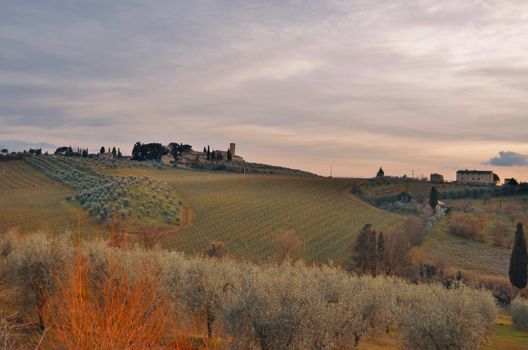
Tuscany is, perhaps, the most iconic olive-growing region, and for good reason. The landscapes are breathtaking, dotted with cypress trees and ancient farmhouses, and the olive oil is world-renowned.
- The Experience: Imagine plucking plump olives from gnarled branches, the Tuscan sun warming your back. Many agriturismos offer hands-on participation, followed by a hearty, home-cooked lunch featuring the very oil you helped produce. You might even get to witness the milling process!
- Insider Tip: Look for farms in the Chianti region or around the Val d'Orcia for particularly stunning scenery and exceptional olive oil. Some smaller, family-run operations offer the most intimate experiences.
- Local Flavor: Beyond the olives, you'll be immersed in Tuscan cuisine. Expect dishes like ribollita (hearty bread soup) and pici pasta, all drizzled with the freshest olio nuovo.
2. Andalusia, Spain: The World's Olive Oil Capital
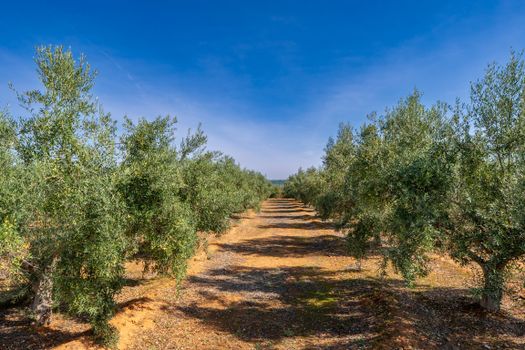
Spain produces more olive oil than any other country, and Andalusia is its beating heart. The sheer scale of the groves here is astonishing, and many offer visitor experiences.
- The Experience: In regions like Jaén, the "Olive Oil Capital of the World," you can join large-scale harvesting operations or opt for smaller, more boutique farm stays. The process can be more mechanized here, but the educational aspect of learning about different varietals like Picual and Hojiblanca is immense.
- Pro-Tip: Seek out farms that also offer tastings of different olive oils, allowing you to discern the subtle flavor profiles. Some even offer workshops on pairing olive oil with local foods.
- Authentic Touch: Many Andalusian farms will offer tapas featuring their local produce. Don’t miss trying gazpacho or salmorejo made with their freshest oil.
3. Crete, Greece: Ancient Roots, Modern Harvests
Crete boasts a history of olive cultivation stretching back thousands of years. The island's unique microclimate produces some of the most flavorful and healthy olive oils.
- The Experience: Participate in the traditional method of harvesting using nets and rakes, or observe the more modern techniques. Many Cretan families are proud to share their heritage, often including a tour of their ancient olive trees.
- Hidden Gem: Explore the region around Rethymno or Chania for a blend of stunning coastal scenery and traditional olive farming. Some farms offer agriturismo stays where you can truly live the Cretan life.
- Island Delights: After a day of harvesting, indulge in fresh Cretan salads, dakos (rusks topped with tomatoes and feta), and locally produced raki.
4. Puglia, Italy: The Land of Giant Olives
Puglia, the heel of Italy's boot, is famous for its colossal, ancient olive trees, some of which are hundreds of years old. The harvest here is a deeply ingrained part of the culture.
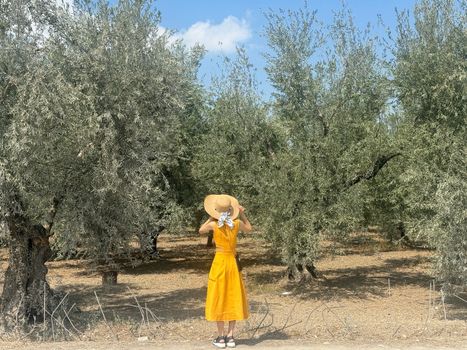
- The Experience: Harvesting in Puglia can feel like stepping back in time. You'll often work under the shade of these magnificent, sculptural trees. Many farms offer a chance to learn about the historical significance of their groves.
- Must-Do: Visit the Valle dei Trulli for a fairytale-like setting. Some farms offer olive oil tasting sessions where you can learn to identify distinct characteristics.
- Regional Flavors: Puglia is known for its simple, delicious cuisine. Expect dishes like orecchiette con cime di rappa (pasta with turnip greens) and focaccia Barese.
5. Croatia: The Adriatic's Liquid Gold
Croatia's Istrian peninsula and Dalmatian coast are increasingly recognized for their high-quality olive oils, often winning international awards.
- The Experience: Harvest in Croatia often involves a more intimate, boutique farm experience. You’ll likely be working alongside the farm owners, learning their specific techniques and the stories behind their groves.
- Pro-Tip: Consider visiting the island of Brač, known for its robust olive oil. Many farms here are nestled amongst vineyards and offer a picturesque setting for your harvest adventure.
- Coastal Cuisine: Enjoy fresh seafood, pršut (prosciutto), and local wines, all enhanced by the exquisite Istrian or Dalmatian olive oil.
Your Harvest Toolkit: What to Bring and Expect
Participating in an olive harvest is rewarding, but it requires a little preparation.
Essential Gear:
- Comfortable, Durable Clothing: Think layers. You’ll be working outdoors, so long pants and sleeves are recommended for protection from the sun and any scratchy branches.
- Closed-Toe Shoes: Sturdy walking shoes or boots are a must. No flip-flops!
- Gloves: Lightweight gardening gloves can protect your hands, though many prefer to go gloveless for a more tactile experience.
- Hat: A wide-brimmed hat for sun protection is crucial.
- Water Bottle: Stay hydrated throughout the day.
- Small Backpack: To carry your essentials.
- Sunscreen: Even on cloudy days, the Mediterranean sun can be intense.
What to Expect:
- Early Mornings: Harvests often begin at dawn to take advantage of cooler temperatures.
- Physical Activity: It’s not strenuous, but it does involve bending, reaching, and some walking.
- Communal Spirit: You’ll be working alongside locals and potentially other travelers, sharing stories and laughter.
- Delicious Food: Most experiences include meals, often featuring the freshest local ingredients.
- Learning: Be prepared to learn about olive varietals, harvesting techniques, and the process of making olive oil.
Quick Facts: Planning Your Olive Harvest Trip
| Feature | Estimated Cost ($) | Best Time to Visit | How to Get There | | :------------------ | :----------------- | :----------------- | :------------------------------------------------------------------------------ | | Tuscany, Italy | $$ - $$$ | Late Oct - Dec | Fly into Florence (FLR) or Pisa (PSA), then rent a car or take regional trains. | | Andalusia, Spain| $$ - $$$ | Nov - Dec | Fly into Malaga (AGP) or Seville (SVQ), then rent a car or use intercity buses. | | Crete, Greece | $$ - $$$ | Nov - Dec | Fly into Heraklion (HER) or Chania (CHQ), then rent a car. | | Puglia, Italy | $$ - $$$ | Nov - Dec | Fly into Bari (BRI) or Brindisi (BDS), then rent a car. | | Croatia | $$$ | Nov - Dec | Fly into Split (SPU) or Dubrovnik (DBV) for Dalmatia, or Pula (PUY) for Istria. |
- Cost Key: $ = Budget-friendly, $$ = Mid-range, $$$ = Luxury. Costs are for the harvest experience itself and can vary greatly based on accommodation and duration.
- Booking: It's crucial to book your harvest experience well in advance, as spots are limited and fill up quickly. Look for agriturismo websites, local tourism boards, or specialized sustainable travel operators.
Beyond the Harvest: Immersing Yourself in Local Culture
Your olive harvest experience is just the beginning. To truly capture the essence of these regions, weave in these local delights:
- Wine Tasting: Many olive regions are also renowned for their wines. Pair a crisp white with your freshly pressed oil or a robust red with a hearty meal.
- Local Markets: Wander through vibrant local markets to discover regional cheeses, cured meats, and artisanal crafts.
- Cooking Classes: Learn to incorporate your newly acquired olive oil into traditional dishes.
- Exploring Villages: Get lost in the charming cobblestone streets of ancient villages, discovering hidden piazzas and historic churches.
The olive harvest is more than just a seasonal event; it's an invitation. An invitation to slow down, to connect with the earth, and to savor the simple, profound pleasures of life. So, when the air begins to carry that unmistakable scent of ripening olives, answer the call. Your hands, and your palate, will thank you.
---