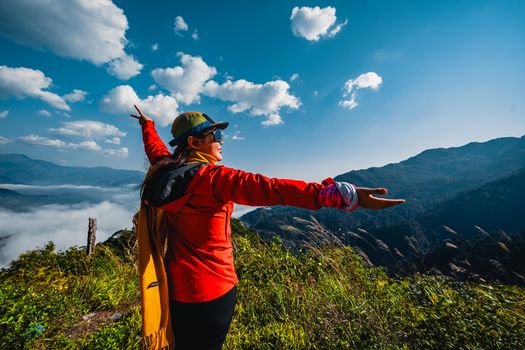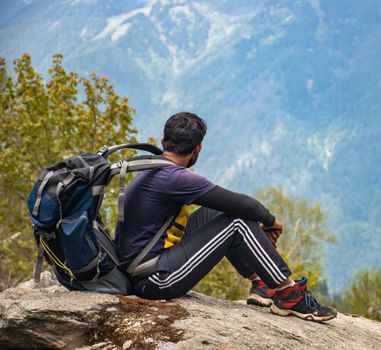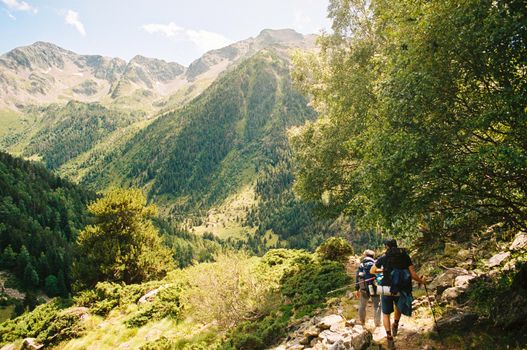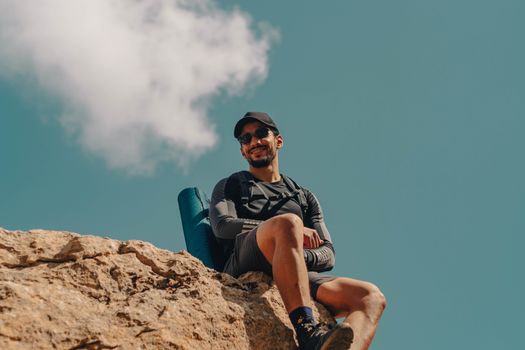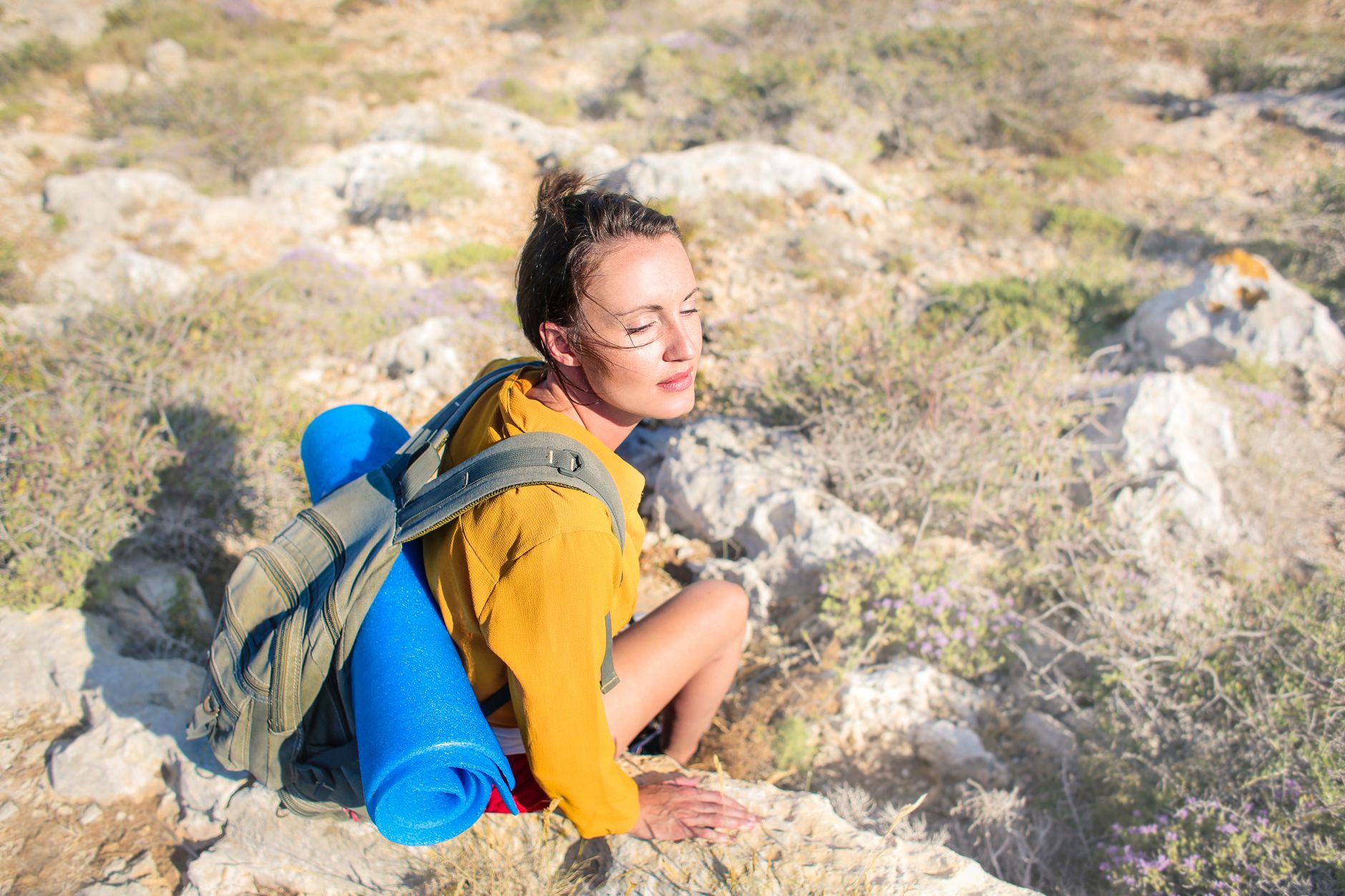
Outdoor experiences that once belonged to small communities of enthusiasts have gradually become part of mainstream leisure. Guided walks, open-water swims, unpaved cycling routes and foraging courses now appear in many regional tourism programmes and everyday city life. This shift reflects a broader interest in time outdoors, but it also means that newcomers need clear information about safety, etiquette and the environment. This guide describes several of these experiences, what they typically involve and how to approach them responsibly.
Forest bathing and sensory walks
Forest bathing, based on the Japanese practice of shinrin-yoku, involves slow walking among trees with attention on breathing, sight, sound and touch. Sessions are usually gentle and guided, and they require little more than comfortable footwear and weather-appropriate clothing. Research into green-space and wellbeing is ongoing, and claims should be described carefully rather than as guaranteed outcomes. Many visitors value the session simply as a structured pause from routine.
Wild swimming and open water
Open-water swimming in lakes, rivers and the sea has grown in popularity. Cold water can cause a rapid rise in breathing rate and reduce control over movement, even for strong swimmers, so entering gradually is important. Currents, hidden obstacles and weather changes can create hazards. Choose locations with clear access and exit points, avoid swimming alone and check local advice on water quality where it is published. Some areas have local clubs or guided groups that can share useful knowledge.
Gravel cycling and unpaved routes
Gravel cycling uses bicycles suited to mixed surfaces, often with wider tyres and more stable handling than road machines. It offers quieter routes away from heavy traffic. Beginners should choose distances that match their fitness, and should practise braking and cornering on loose surfaces. Essentials typically include a helmet, a basic repair kit, lights for shorter days and a map or navigation app downloaded in advance. Local bike shops often publish route suggestions and may offer guided rides.
Foraging walks and plant identification
Guided foraging walks teach participants how to identify edible plants, fungi and berries, as well as how to harvest them responsibly. This is a serious subject. Many plants have toxic look-alikes, and wild fungi can be dangerous to eat if misidentified. Responsible guides emphasise identification, legal and land-access rules, and sustainable harvesting that leaves plants and habitats intact. Never eat anything you have not identified with certainty, and take care with protected species or land where collection is restricted.
Stargazing and night-sky experiences
Night-sky experiences have also grown in popularity, with guided sessions in dark-sky areas, observatories and rural locations. Visitors often find them rewarding for the sense of perspective they offer. Clear skies and low light pollution are important, and weather forecasts should be checked before travel. Bring warm layers, since temperatures can drop quickly after dark, and use red torches so that your eyes stay adapted to the dark.
Starting safely and responsibly
Whatever activity you choose, begin with short, familiar outings and gradually increase difficulty. Guided sessions are a good first step, because they provide equipment, instruction and local knowledge. Check conditions on the day, tell someone your plans and carry basic safety items. Respect land access rules, stay on marked routes where they exist and leave places as you found them. Many popular natural areas are sensitive to erosion and disturbance, so responsible behaviour helps protect them for everyone.
Practical tips
- Check local conditions, including weather, water temperature and tide information, before every outing.
- Consider a guided session for your first attempt at swimming, foraging, cycling or stargazing.
- Pack appropriate safety equipment, such as a helmet for cycling or a flotation device for water activities.
- Follow land-access rules, local signage and any restrictions on collecting plants or entering protected areas.
- Start with shorter outings and build up gradually as your skills and confidence grow.
Who This Suits and Who It Doesn't
Outdoor activities such as forest bathing, wild swimming, gravel cycling and foraging tend to suit people who enjoy being active in natural settings and who are happy to learn new skills at their own pace. Many of these experiences welcome beginners, and guided sessions can be a helpful way to build confidence. Those who like quiet, observational pursuits may find that forest walks or stargazing sit comfortably alongside more energetic plans.
Some activities are less suitable for people with certain health conditions, limited swimming ability, or a fear of cold water or heights. Foraging and wild swimming in particular require caution, and those with heart conditions, respiratory problems or a history of seizures should seek medical advice first. Families with young children may need to adapt plans to suit smaller legs, changing weather and shorter attention spans. If you prefer predictable comfort or lots of facilities, you may find that wilder settings feel demanding. Assessing your own limits honestly is a useful first step.
Frequently Asked Questions
Do I need special equipment to start? Often less than people expect. Forest bathing needs comfortable clothing, while gravel cycling and open-water swimming benefit from appropriate safety gear. Guided sessions frequently provide what beginners need for their first attempt.
Is it safe to try foraging on my own? Solo foraging is not advisable for beginners, because many plants and fungi have dangerous look-alikes. A guided walk with a qualified expert is a safer way to learn identification and local rules.
How do I know if a location is suitable? Check official land-access information, local warnings and recent conditions. Choose sites with clear access and exit points, and avoid areas where signs prohibit swimming, collecting or entry.
Outdoor experiences have become mainstream partly because they offer accessible ways to spend time in nature without specialist facilities or elite fitness. That popularity also makes clear information more important. Choosing qualified guides, respecting safety guidance and protecting the environment will help these experiences remain enjoyable and sustainable for the people who take part and the places they visit.