How Wild Pursuits Conquered the Travel World
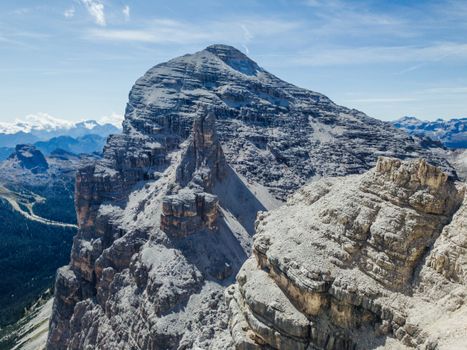
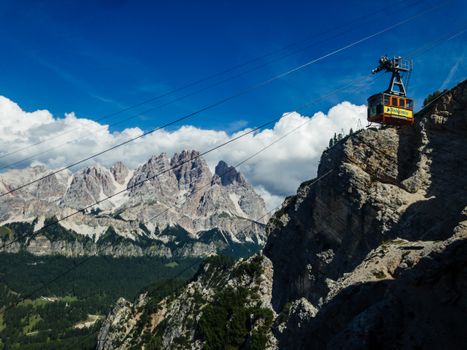
I stepped off the rust-red cable car at 2,752 meters, and the biting Dolomite air hit my lungs like a splash of glacial runoff. The scent was unmistakable: crushed limestone dust, ozone, and the faint, comforting aroma of dark espresso drifting from Rifugio Lagazuoi. Below me, a sea of jagged granite needles pierced a low shroud of cloud, illuminated by the crimson rays of dawn. Ten years ago, scaling these sheer Italian cliffs required technical mountaineering mastery and a closet full of intimidating traditional climbing gear. Today, I was clipped into a steel cable alongside a schoolteacher from Chicago and a retired chef from Lyon, all of us safely navigating a World War II iron path with broad grins and zero panic.
Outdoor travel has experienced a seismic shift. Niche, fringe, and frankly intimidating wilderness activities have shed their high barrier to entry thanks to modern safety gear, improved trail infrastructure, and a collective hunger for transformative real-world experiences.
These aren’t lazy tourist traps. These are raw, soul-stirring outdoor experiences that became mainstream experts are recommending—not because they got watered down, but because the world finally realized how accessible and extraordinary they truly are. Here is your definitive, field-tested guide to six legendary outdoor activities that made the jump to the big leagues, complete with expert tactics to experience them like a seasoned pro.
---
1. Via Ferrata Climbing: From Wartime Survival to Alpine Rush
The Evolution
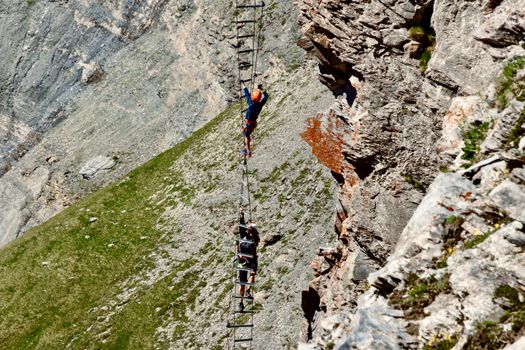
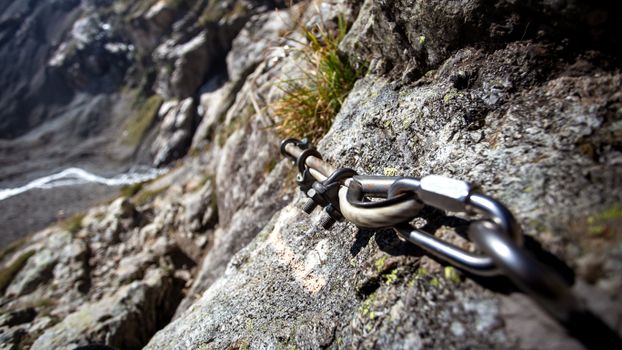
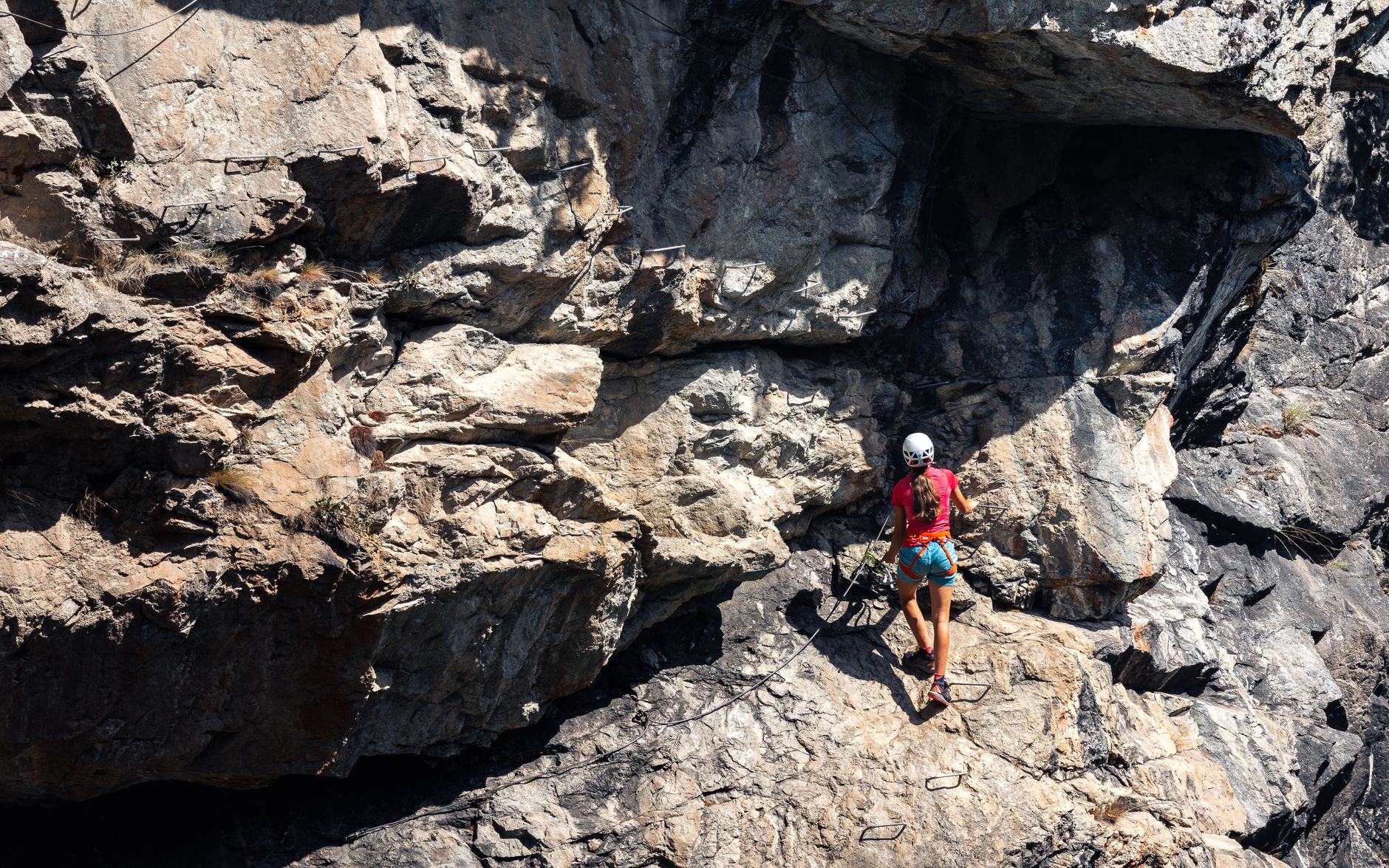
Originally engineered during World War I to move Italian troops safely across inaccessible alpine passes, via ferrata ("iron path") climbing uses fixed steel cables, iron rungs, and suspension bridges anchored directly into sheer cliff faces. What was once the domain of elite military units and hardcore rock climbers is now Europe’s most booming alpine sport—and it’s rapidly spreading across North America.
The Experience
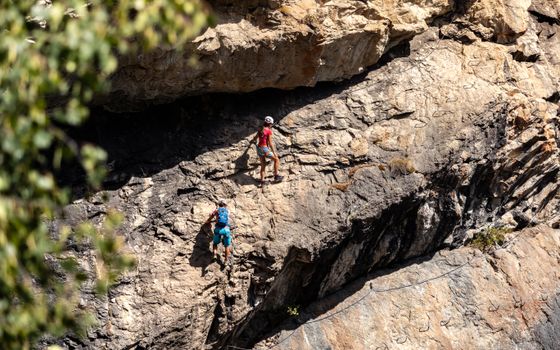
You wear a standard climbing helmet and a specialized harness fitted with a dual-carabiner shock-absorbing lanyard. As you scale vertical walls, you are continuously tethered to the steel cable. If your foot slips off an iron rung, the cable catches you instantly. It delivers the heart-in-your-throat adrenaline of big-wall climbing without requiring years of rope management training.
Expert Pro-Tips
- Be Beat-the-Crowd Early: Hit the Via Ferrata Cir II in Passo Gardena at 6:30 AM. You’ll top out right as the morning light paints the Sella Group pink, hours before guided tour groups arrive.
- Gear Check: Buy a pair of sticky-soled approach shoes (like the La Sportiva TX4) rather than stiff hiking boots. The friction on bare limestone is a game-changer.
- The Secret Hut: Skip the crowded base towns and book a bunk at Rifugio Nuvolau. Built in 1883 on a solitary mountain peak, it serves the best wild boar ragù in the region alongside 360-degree views of the Ampezzo valley.
---
2. Open-Water Wild Swimming: Cold Therapy Goes Mainstream
``` [Loch Lomond] ---> [3mm Neoprene Boots] ---> [Post-Swim Hot Tea] = Ultimate Reset ```
The Evolution
A decade ago, plunging into sub-10°C (50°F) natural waters was viewed as an eccentric punishment reserved for local cold-water clubs or survivalists. Now, driven by research on cold-shock response, mental recovery, and breathwork, wild swimming has transformed into a global wellness movement.
The Experience
There is no feeling on Earth quite like breaking through the amber-tinted surface of a Scottish loch surrounded by ancient Caledonian pine forests. The initial gasp response quickly yields to an intense, hyper-focused calm as your body floods with dopamine and endorphins.
Expert Pro-Tips
- Locational Gold Standard: Skip the easily accessible shores of Loch Lomond’s southern tip and head to Loch Chon in the Trossachs. The water is pristine, sheltered from heavy winds, and framed by dramatic slate-grey hills.
- Safety Protocol: Never jump in headfirst. Thermal shock is real. Wading in slowly allows your nervous system to adjust.
- The Gear Hack: Bring a changing robe (like a Dryrobe) and thermos of ginger-lemon tea. The true secret to cold swimming is managing your "afterdrop"—the period 10–15 minutes after exiting when your core body temperature continues to drop.
---
3. Gravel Bikepacking: The Ultimate Off-Road Expedition
The Evolution
Traditional road cycling locked riders onto exhaust-choked asphalt, while mountain biking required hyper-technical singletrack skills. Enter gravel bikepacking—the sweet spot that combines drop-bar speed with wide, knobby tires capable of tackling endless dirt roads, fire trails, and abandoned double-tracks.
The Experience
Riding across the volcanic plains of Iceland’s Central Highlands, you hear only the crunch of dark basalt under your 45mm tubeless tires and the whistle of the subarctic wind. With lightweight waterproof bags strapped directly to your bike frame, you carry your house with you, covering 60 to 100 kilometers a day far beyond the reach of rental cars.
Expert Pro-Tips
- The Route: The F208 mountain road through Landmannalaugar offer world-class dirt riding past neon-green moss beds and steaming geothermal vents.
- Mechanic’s Secret: Run tubeless tire setups with at least 100ml of fresh sealant per tire. Volcanic rock tears thin inner tubes to shreds in minutes.
- Logistics: Rent pre-equipped bikepacking rigs in Reykjavik at Iceland Bike Pitstop rather than paying high airline oversize-baggage fees.
---
4. Forest Bathing (Shinrin-Yoku): Mindful Eco-Therapy
``` +-----------------------------------------------------------------+ | THE SHINRIN-YOKU PROTOCOL | | | | [Silence Devices] -> [Slow Gait (<1 mph)] -> [Engage 5 Senses] | | | | Key Compound: Phytoncides (Natural plant chemicals) | | Proven Benefit: Lower cortisol, boosted NK immune cells | +-----------------------------------------------------------------+ ```
The Evolution
Developed by the Japanese Ministry of Agriculture, Forestry, and Fisheries in 1982 to combat urban burnout, Shinrin-yoku (forest bathing) has evolved from a national health program into a certified worldwide therapeutic trend. It is not hiking; it is a sensory immersion in natural canopy environments.
The Experience
Walking through the ancient Japanese cedar (Sugi) forests of Togakushi in Nagano Prefecture, you do not track heart rate, mileage, or elevation gain. You move at a crawl, smelling the sharp terpene emissions of cedar bark, listening to the drip of dew on thick moss beds, and watching light filter through leaves (Komorebi).
Expert Pro-Tips
- Top Spot: Head to the Kurohime Forest Therapy Center near Nagano. It was the first site in Japan scientifically verified for forest therapy research.
- Timing: Visit right after a light rain. Moisture activates the release of phytoncides—antimicrobial organic compounds emitted by trees that are medically proven to lower human cortisol levels and boost natural killer (NK) immune cell activity.
- Guided vs. Solo: Book a certified local Shinrin-yoku guide for your first session. They use specific "invitations" (guided sensory prompts) that strip away your urban urge to reach for your phone.
---
5. Bioluminescent Night Kayaking: Paddling Through Liquid Starlight
The Evolution
Nighttime paddling used to be considered a dangerous hazard reserved for coastal locals and rescue teams. Today, guided eco-tours targeting glowing dinoflagellate blooms have turned nocturnal kayaking into one of the most mesmerizing water experiences on Earth.
The Experience
Dipping your paddle into the pitch-black waters of Mosquito Bay in Vieques, Puerto Rico, triggers an instantaneous chemical reaction: millions of microscopic organisms light up in neon-blue streaks. Every stroke leaves a trail of bright electric light, and fish dart beneath your hull like underwater shooting stars.
``` PADDLE STROKE --> WATER DISPLACEMENT --> DINOF LAGELLATE STIMULATION --> NEON-BLUE LUCIFERIN LIGHT ```
Expert Pro-Tips
- The Lunar Rule: Never book during a full moon. The ambient light wipes out the glow visibility. Book during a New Moon phase when the sky is dark.
- Location Choice: While Grand Cayman and Costa Rica offer great experiences, Mosquito Bay in Vieques holds the Guinness World Record for the brightest concentration of pyrodinium bahamense dinoflagellates on the planet.
- Camera Myth: Don't bother shooting photos with a standard phone camera—it will turn out pitch black and distract you from the moment. Use a camera with a tripod, manual ISO settings (3200+), and a long exposure time (2-4 seconds) if you want to capture the glow.
---
6. Overlanding & Rooftop Tenting: Mobile Wilderness Luxury
The Evolution
Car camping used to mean pitching a leaky nylon tent on dirt patches in crowded state park campgrounds. Overlanding—self-reliant vehicle travel to remote off-road destinations—has reimagined this concept by mounting durable, fold-out aluminum hard-shell tents onto all-wheel-drive rigs.
The Experience
Parked on the lip of a red-rock canyon in Moab, Utah, you pop your rooftop tent open in under 45 seconds using hydraulic struts. You're elevated 6 feet off the ground away from dust, snakes, and cold damp earth, resting on a built-in memory foam mattress while watching the Milky Way wheel overhead.
Expert Pro-Tips
- Best Region: The Moki Dugway and Valley of the Gods in Southern Utah offer world-class dispersed camping on public BLM (Bureau of Land Management) land—completely free and far from light pollution.
- Essential App: Download iOverlander and Gaia GPS. They provide offline maps showing water refill stations, dump points, and verified high-clearance campsites.
- Leave No Trace: High-desert ecosystems are fragile. Always stay on designated tracks to protect delicate cryptobiotic soil crusts that take centuries to grow.
---
Logistics & Comparative Breakdown
Planning your leap into these former niche adventures? Here is a clear breakdown of gear requirements, cost, and logistics to help you choose your next expedition.
| Experience | Ideal Season | Physical Skill Required | Estimated Daily Cost ($USD) | Key Gear Needed | | :--- | :--- | :--- | :--- | :--- | | Via Ferrata (Dolomites, Italy) | July – Late September | Moderate (Good balance, basic fitness) | $120 – $220 (Gear rental, lifts, rifugio stay) | Certified Via Ferrata kit, helmet, approach shoes | | Wild Swimming (Scottish Highlands) | May – September | Low to Moderate (Cold tolerance key) | $30 – $80 (Logistics, warm drinks, safety gear) | Neoprene boots, tow float, changing robe | | Gravel Bikepacking (Iceland) | late June – August | High (Stamina, self-sufficiency) | $150 – $300 (Rig rental, food, huts) | Drop-bar gravel bike, waterproof frame bags | | Forest Bathing (Nagano, Japan) | April – November | Very Low (Accessible to all fitness levels) | $50 – $120 (Guide fee, local transit) | Comfortable walking shoes, breathable layers | | Bioluminescent Kayak (Puerto Rico) | Year-round (New moon) | Low (Basic paddling rhythm) | $60 – $110 (Guided night tour) | Quick-dry apparel, water shoes, dry bag | | Overlanding/Rooftop (USA Southwest) | March–May / Sept–Nov | Low to Moderate (Basic off-road driving) | $180 – $350 (4x4 rig rental, gas, supplies) | 4WD vehicle, hard-shell rooftop tent, offline GPS |
---
How to Enjoy Mainstream Outdoor Experiences Responsibly
When wild pursuits grow in popularity, ecosystems face pressure. The key to being a true insider—and keeping these experiences pristine for decades to come—comes down to three non-negotiable field rules:
- Strict "Pack It In, Pack It Out" Mindset: Take every scrap of trash with you, including organic waste like banana peels and apple cores, which decompose at extremely slow rates in high-alpine or desert environments.
- Respect Wildlife Distance: Use the "Rule of Thumb": extend your arm, pull up your thumb, and close one eye. If you can't completely cover the wild animal with your thumb, you are too close.
- Book Local Guides First: When venturing into technically demanding or ecologically delicate spots, hire local certified operators. You invest directly in the host community while gaining safer, richer insider access that giant tourist companies simply can't offer.
The line between "extreme expedition" and "accessible travel" has blurred for the better. These activities expanded because they deliver something our modern world desperately craves: deep, unedited connection with nature without requiring a lifetime of wilderness training. Pick your path, gear up properly, and step outside.
---