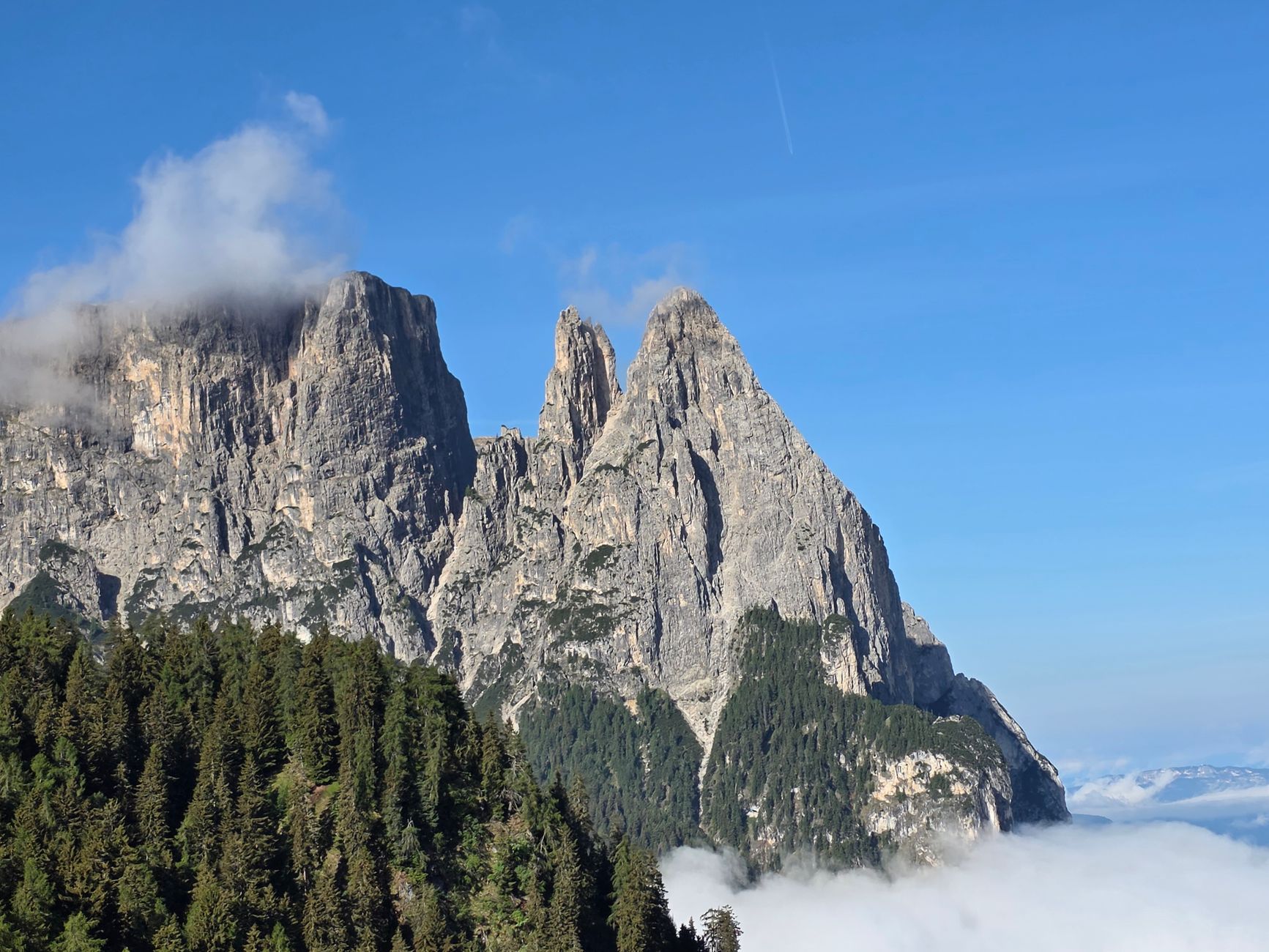
Activities that take place outdoors have moved steadily from specialist circles into mainstream travel. Trips that once required expert knowledge or specialized equipment are now offered by hotels, tour operators, and local guides, often with simple introductory options. This shift has broadened access to nature, but it also means that many travelers try an activity without fully understanding its risks or its etiquette. A sensible approach is to learn what each experience involves, choose reputable providers, and respect the environments that make these experiences possible.
Forest bathing and slow walks in woodland
Forest bathing, a term derived from the Japanese practice shinrin-yoku, involves slow, attentive walks in woodland with an emphasis on the senses. Participants may pause to listen, touch bark, or observe light through leaves, usually with a guide who leads at an unhurried pace. Research on nature exposure has explored possible wellbeing benefits, but results are still developing, and the practice should be seen as a pleasant activity rather than a medical treatment. Most sessions are gentle and suitable for many ages, though walkers with mobility issues should check the route beforehand.
When choosing a session, look for guides with training in forest settings and clear information about the route, duration, and any terrain. Stay on paths, follow the guide's instructions, and avoid disturbing wildlife or plants.
Wild swimming in rivers and lakes
Wild swimming refers to swimming in natural waters such as lakes, rivers, and sea coves rather than in pools or designated beaches. The activity is popular in many regions, but it carries real hazards, including cold water shock, strong currents, submerged debris, and changing water conditions after rain. Local rules may restrict swimming in some areas for safety or environmental reasons. Water temperatures can drop quickly even in summer, and cold water can affect breathing and coordination.
Before swimming, check local guidance, look for signs warning of hazards, and enter the water slowly. Avoid swimming alone, wear a brightly colored hat or buoy if appropriate, and be cautious about jumping from unfamiliar heights. Guided sessions with qualified instructors are a safer introduction for many people.
Coastal walking and multi-day trails
Coastal walking has grown into a major form of travel, with long-distance routes that follow cliffs, dunes, and shorelines. Many of these trails are well marked, but conditions can change quickly with weather, tides, and erosion. Some sections may require timing around tides or may be closed for maintenance and nesting seasons. Trail authorities usually publish up-to-date information on closures and recommended routes.
Plan for daily distances, carry enough water and food, and check whether accommodation along the route needs advance booking. Weather can be changeable, so waterproof layers and sturdy footwear are important. Respect coastal habitats and avoid walking on dunes where signs ask you to keep off.
Guided paddling, cycling and multi-activity trips
Stand-up paddleboarding, kayaking, and cycling trips are now offered in many destinations, from calm lakes to coastal estuaries. Guided options usually include equipment, instruction, and local knowledge about currents and routes. Check whether the operator provides life jackets or helmets, and ask about the skill level required. Weather and water conditions can change rapidly, so operators may cancel or adjust trips for safety reasons.
Some travelers combine several activities into one trip, such as a hike followed by a swim and a cycling route. These packages can be efficient, but check the schedule, fitness requirements, and whether travel insurance covers all the activities involved.
Safety, insurance and environmental care
Outdoor activities can involve injury, exposure to weather, and remote locations where medical help may take time to reach. Check that your travel insurance covers the specific activities you plan, since some policies exclude or limit water sports, cycling, or high-risk pursuits unless an additional premium is paid. Carry a basic first aid kit, a charged phone where signal allows, and an emergency plan that includes local contact numbers.
Environmental care matters as much as personal safety. Stay on designated trails, pack out all waste, follow fire and camping rules, and keep noise low. Popularity can put pressure on fragile landscapes, so choose less crowded times or routes when possible and follow local guidance.
Practical tips
- Choose providers with clear safety procedures, qualified guides, and up-to-date reviews.
- Check weather, tide, and water conditions on the day, and be ready to change plans.
- Confirm your travel insurance covers the specific activities you plan.
- Wear suitable footwear, layers and sun protection, and carry enough water.
- Start with guided or introductory sessions if you are new to an activity.
- Leave no trace: stay on paths, pack out waste, and respect wildlife and closures.
Outdoor experiences that have moved into the mainstream can offer genuine connection with landscapes and water. Their accessibility is a real benefit, but it also means travelers need to be more deliberate about safety, insurance and environmental care. A well-chosen introduction, sensible preparation, and respect for local rules will make these activities rewarding rather than risky.