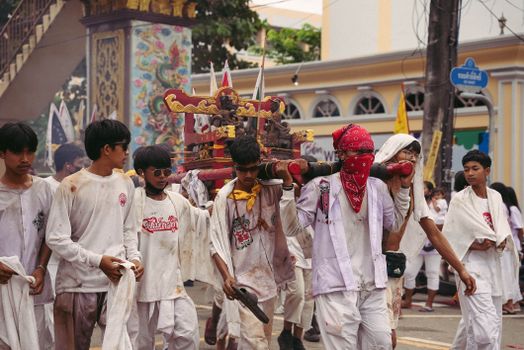
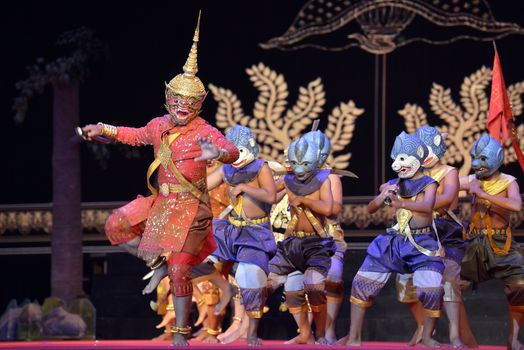
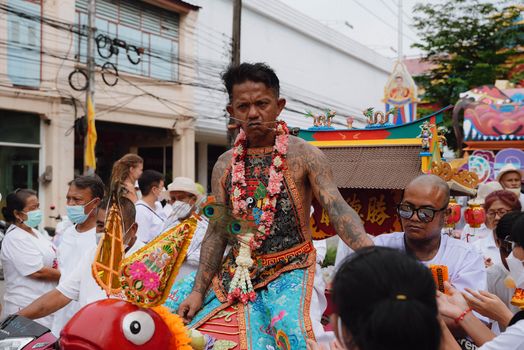
Religious festivals are among the most striking events a traveler can witness. Processions, music, food, and communal rituals can offer insight into belief and daily life. Many festivals are open to visitors, but they are also sacred or deeply meaningful occasions for the people who celebrate them. Attending well means checking the details in advance, understanding the customs involved, and accepting that some parts of an event may be closed to outsiders. A thoughtful approach benefits both visitors and host communities.
Finding festivals that welcome visitors
Some festivals are designed as public celebrations with clear visitor information, while others are community events where outsiders are welcome as observers. Local tourism offices, temple or church websites, cultural centers, and community organizations often publish details about dates and public access. Be aware that festival dates may follow lunar, seasonal, or religious calendars, so they can change from year to year. Always check current information rather than relying on old articles or social media posts.
Some festivals take place in several locations across a region, and the most accessible events may be the largest public ones. Smaller or more private rites may be restricted to members of the community, and it is appropriate to respect those boundaries.
Understanding the rules and etiquette
Customs vary widely, but several principles apply to most religious settings. Dress modestly, which often means covering shoulders and knees, and remove shoes where required. Ask before photographing people, rituals, or sacred objects, and follow any signs about photography. Some events prohibit cameras entirely. Keep your voice low, avoid walking in front of worshippers, and follow the lead of local attendees in terms of when to sit, stand, or bow.
Some festivals involve food, alcohol, or fasting. Check whether visitors are expected to participate in offerings or meals, and accept only what is offered in a respectful manner. Refusing an offering politely is generally acceptable, and asking for guidance is always appropriate.
Planning your visit
Plan the logistics well ahead. Festivals can attract large crowds, which affects transport, accommodation, and access to viewing points. Arrive early to find a good position, and plan a way to leave that avoids the busiest exits. Check whether tickets or registration are required, and whether there are seating areas or accessible routes for people with mobility needs.
Weather can be extreme during outdoor festivals, so bring water, sun protection or warm layers as appropriate, and be ready for long waits. Keep valuables secure in crowded places, and agree on a meeting point if you are traveling with others.
Respecting host communities
Visitors are guests in what can be a community's most important occasion. Avoid behavior that disrupts ceremonies, such as loud conversation, taking flash photographs, or entering restricted areas. Be mindful of how your presence affects residents, particularly in small towns where accommodation and transport may be strained during festivals. Choose local businesses where possible, and consider the impact of large groups on quiet neighborhoods.
Remember that a festival is not a performance staged for tourists. Participants may be practicing their faith, honoring ancestors, or marking family events. Curiosity is welcome, but respect means listening and observing more than you ask.
Practical tips
- Confirm festival dates with the organizing temple, church, or local authority, since they can change.
- Dress modestly and remove shoes where required.
- Ask before taking photographs, and avoid flash or intrusive filming.
- Arrive early, plan transport, and check whether tickets or registration are needed.
- Accept offerings politely, and ask a local attendee for guidance if you are unsure.
- Keep your presence respectful and avoid disrupting ceremonies or restricted areas.
Common mistakes to avoid
A common error is treating a festival as a spectacle designed for visitors, rather than an event with its own meaning for participants. Some guests arrive with large bags or equipment that get in the way at crowded entry points. Others assume every ceremony is open to them, then push forward for a better view. Loud music, public drinking or ignoring queues can cause resentment, even when the intention is friendly. Visitors also sometimes underestimate how far transport may be from the main site, leaving them stranded when services are reduced for the event. Another mistake is asking for a performance or demonstration at a moment when people are praying or working. Taking a quiet moment to observe first, and asking a local person what is appropriate, usually avoids these problems.
Who this suits and who it doesn't
Festivals can suit visitors who enjoy crowds, music and colourful processions, and who are comfortable following instructions from organisers. Those interested in religious history, anthropology or local crafts often find them rich in detail. Travelers who are patient with long waits and changing schedules tend to cope well with large gatherings. Festivals may be less suitable for people who are unwell, have mobility limitations that make standing for hours difficult, or are sensitive to heat, noise and dense crowds. Families with young children should plan for breaks and agree on a meeting point. Some events have restricted sections, and those who prefer quiet reflection may find a smaller local observance more fitting than a large public festival.
Frequently asked questions
Can you join in if you are invited? Yes, if the invitation is sincere. Follow the lead of your hosts, ask what is expected, and feel free to decline politely.
Do you need a religious background to attend? No, but respectful behaviour matters. Observing, listening and following guidance is generally welcome.
What if you are unsure whether an area is restricted? Ask a steward, volunteer or local attendee. Staying out of doubtful areas until you have confirmation is a sensible default.
Religious festivals can offer memorable and meaningful experiences for visitors who approach them with care. Checking dates, understanding customs, and respecting the community's boundaries makes the difference between being a guest and being an intrusion. When in doubt, follow local guidance, observe quietly, and let the event unfold on its own terms.