I stepped off the train at Horsham and the air immediately felt different.
It wasn't just the lack of city smog; it was the smell of decay and life intertwined. Most modern landscapes smell of nothing—sterile, mown, and managed. But as I hiked toward the Knepp Estate, the scent of crushed gorse and damp earth hit me like a physical weight. It was May, and the English countryside was screaming with life. I wasn't here to see a park; I was here to see a revolution.
Rewilding isn't just a buzzword; by May 2026, it has become the gold standard for the conscious traveler. We are moving past "sustainable" (which often just means "doing less harm") and into "regenerative" (actually making the world better). If you’re planning your May 2026 calendar, these six projects are where the real magic is happening.
---
1. The Nightingale Symphony: Knepp Estate, UK
If you haven't heard of Knepp, you haven't been paying attention to the rewilding movement. This 3,500-acre former dairy farm in West Sussex is the poster child for what happens when you just let go.
Why May 2026? May is the peak of the Nightingale season. These birds are almost extinct in the UK, but at Knepp, they thrive in the "scrub"—that messy, thorny mix of bramble and blackthorn that traditional farmers hate.
The Insider Experience: Don't just do a day trip. Book one of their "Nightingale Safaris." You’ll head out at dusk with an ecologist. In 2026, they’ve expanded their "glamping" to include ultra-low-impact treehouses that put you right in the canopy.
- Pro-Tip: The "hidden" spot for the best dawn chorus isn't near the main campsites. Head to the hammer pond on the Southern Block at 4:45 AM. The way the sound bounces off the water is haunting.
---
2. The Return of the Jaguar: Iberá Wetlands, Argentina
While the Northern Hemisphere is blooming, the Iberá Wetlands are entering a crisp, clear autumn. This is the crown jewel of Rewilding Argentina. They aren't just protecting land; they are reintroducing apex predators that were gone for decades.
The Vibe: Imagine a landscape that is 70% water, dotted with floating islands of vegetation. You’ll see capybaras (the world’s largest rodents) lounging like oversized sausages on every bank, but the real thrill is the Jaguar. By May 2026, the population has stabilized enough that sightings in the El Porvenir sector are becoming a daily occurrence.
How to Support: Stay at the Hostería Rincón del Socorro. It’s a former ranch turned eco-lodge. Your nightly rate directly funds the translocation of giant anteaters and red-and-green macaws.
- Pro-Tip: Ask for "Coco," a local guide who grew up when these animals were hunted. His stories of the transition from poaching to preservation are more valuable than any textbook.
---
3. The Ghost of the Forest: Carrifran Gans, Scotland
Scotland’s Highlands are often called "a beautiful desert"—vast, empty, and ecologically dead due to overgrazing by sheep and deer. Carrifran Gans is the antidote.
The Transformation: Twenty-five years ago, this valley was bare. Today, it’s a thicket of rowan, birch, and willow. In May 2026, the bluebells under the new canopy create a violet haze that looks photoshopped.
The "Insider" Language: Locals call this "The Wild Heart." You won't find gift shops here. It’s rugged, steep, and silent. You are here to see the "Great Trossachs Forest" in its infancy.
- Pro-Tip: Wear waterproof boots—not "water-resistant," but full-grain leather. The sphagnum moss here is a sponge that will test your gear's limits.
---
4. The Man-Made Miracle: Marker Wadden, Netherlands
The Dutch have always fought the sea, but at Marker Wadden, they’ve invited it in. This is an archipelago of five man-made islands built from silt and sand dragged from the bottom of the Markermeer.
Why it’s Radical: It’s a "pop-up" ecosystem. In just a few years, it has become a haven for terns, avocets, and spoonbills. In May, the islands are a frantic nursery of nesting birds.
Logistics: You reach the islands via a ferry from Lelystad. There are only four off-grid cabins available for overnight stays. By 2026, these are booked 12 months in advance, so move fast.
- Pro-Tip: Rent a bike at the harbor. The islands are small, but the wind is relentless; having wheels makes the bird hides much more accessible.
---
5. The African Renaissance: Gorongosa National Park, Mozambique
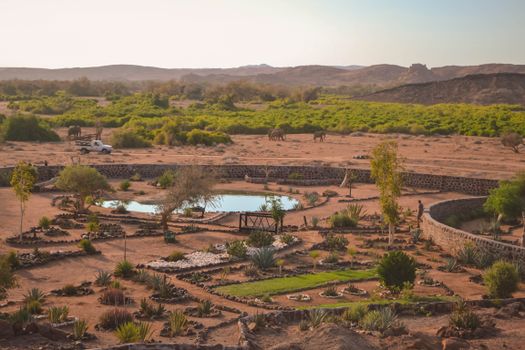
Gorongosa was once decimated by civil war. Today, it’s one of the most diverse places on Earth. This isn't just about animals; it’s about people. The project focuses on "human-centered rewilding"—providing healthcare and education to local communities as a way to protect the park.
The May Window: May is the end of the rainy season. The landscape is an electric, neon green. The "Pungue River" is high, and boat safaris allow you to see elephants and hippos from a unique perspective.
The Specifics: Look for the "Mozambique Long-claw" bird. It’s a local icon. Also, visit the Coffee Project on Mount Gorongosa, where shade-grown coffee is helping restore the rainforest.
- Pro-Tip: The "hidden entrance" to the park’s best views is actually the climb up the limestone gorges in the Muera Valley. It’s a strenuous hike, but you’ll see endemic plants found nowhere else on the planet.
---
Quick Facts & Logistics for May 2026
| Destination | Primary Goal | Est. Cost (Daily) | How to Get There | Best Time in May | | :--- | :--- | :--- | :--- | :--- | | Knepp, UK | Scrubland & Songbirds | $150 - $400 | Train from London to Horsham | Early May (Nightingales) | | Iberá, Argentina | Apex Predators | $300 - $600 | Flight to Posadas + 4x4 transfer | Mid-May (Dryer weather) | | Marker Wadden, NL | Bird Biodiversity | $100 - $250 | Ferry from Lelystad | Late May (Hatching season) | | Carrifran, Scotland | Reforestation | $50 - $150 | Drive from Edinburgh (1.5 hrs) | Anytime (Bluebells peak) | | Gorongosa, Moz. | Total Ecosystem | $400 - $800 | Flight to Beira + bush plane | Early May (Lush green) |
---
The Ethics of Rewilding Travel
When you visit these projects in 2026, remember: you are a guest in a healing space. This isn't a zoo.
- Stay on the Path: Rewilding often relies on "soil crusts" and delicate fungal networks. One stray footstep can set back years of growth.
- Silence is Currency: In places like Knepp or Carrifran, the "product" is the sound of nature. Keep your voice down.
- Buy Local: Support the "buffer zone" economies. Buy the honey, the wool, and the coffee produced by the communities living alongside these wild spaces.
Final Thought
I remember sitting on a fallen oak at Knepp as the sun dipped below the horizon. A turtle dove—another species on the brink—purred in the distance. It wasn't the "tapestry" of nature; it was the machinery of it. It was gritty, loud, and unapologetic. In May 2026, don't just go on vacation. Go somewhere that reminds you that the world is capable of healing, if only we give it the space to breathe.
---