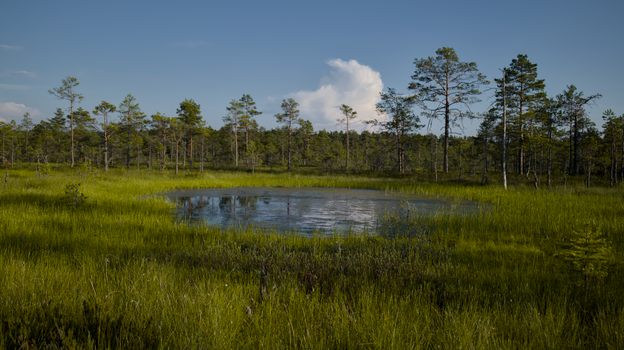
I Stepped Into the Silence of a Forest Reborn
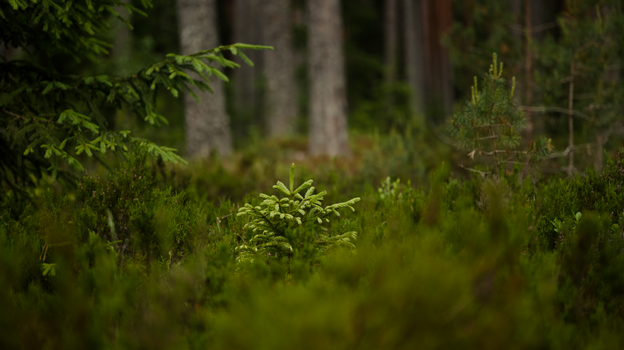
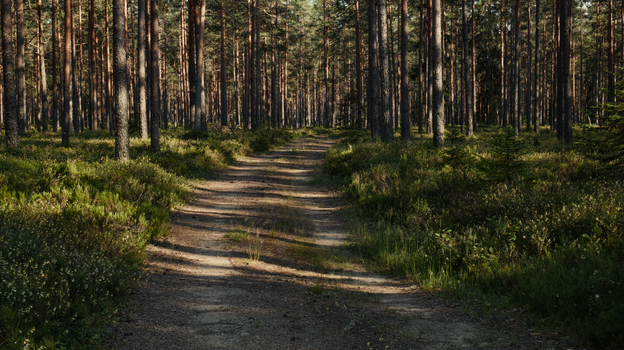
I stepped off the sleeper train at Inverness, the air sharp with the scent of damp peat and ancient pine needles. It wasn’t just the cold that hit me; it was the density of the silence. For decades, the Scottish Highlands have been "beautiful" but biologically barren—a "wet desert" of overgrazed heather and sheep. But as I hiked into the Dundreggan Rewilding Centre, the soundscape shifted. The crunch of my boots gave way to the frantic drumming of a woodpecker and the rustle of wood ants in a burgeoning understory of rowan and birch. This wasn't a park; it was an ecosystem waking up from a long, human-induced coma.
Rewilding is the most exciting movement in conservation today. It’s not about "managing" nature; it’s about stepping back and letting nature take the steering wheel. As an elite travel strategist, I’ve seen a massive pivot: travelers no longer want to just "see" nature—they want to be part of its resurrection.
Here are the seven rewilding projects you can visit and support that top-tier travel advisors are currently obsessing over.
---
1. The UK Gold Standard: Knepp Estate, West Sussex
If you think rewilding requires thousands of acres in the middle of nowhere, Knepp will prove you wrong. Just a stone’s throw from London, this former intensive dairy farm has become the poster child for the movement.
When Sir Charlie Burrell and Isabella Tree stopped plowing their clay soil and introduced longhorn cattle, Tamworth pigs, and Exmoor ponies to act as "disturbing agents," the land exploded with life.
- The Experience: You aren't here for manicured trails. You’re here to see the messy, glorious chaos of thorny scrub. In May, the nightingales sing with a ferocity that will make your hair stand up.
- Pro-Tip: Book a "Deer & Wildlife" safari at dawn. The light hitting the mist on the Adur floodplains is pure Turner-esque art.
- Why Advisors Suggest It: It’s the ultimate proof-of-concept. It shows that even "exhausted" land can be saved.
2. The Return of the Apex: Iberá Wetlands, Argentina
In the Corrientes province of Argentina, the Rewilding Argentina foundation is pulling off something miraculous. They are reintroducing jaguars, giant anteaters, and macaws to the second-largest wetlands in the world.
- The Experience: Staying at Hostería Rincón del Socorro feels like being a guest on a private estate that happens to have capybaras lounging by the pool. You’ll take boat trips through the marsh, spotting caimans and hundreds of bird species.
- Pro-Tip: Ask for a guide who specializes in the "Jaguar Reintroduction Center." Seeing a top-tier predator return to its ancestral home is a visceral experience that changes how you view the food chain.
- Insider Language: Don't just look for "animals." Look for the trophic cascade—the way the return of the jaguar changes the behavior of the deer, which in turn changes the vegetation.
3. The Highland Revival: Trees for Life, Scotland
Scotland’s "Affric Highlands" project is an ambitious 30-year plan to restore 500,000 acres of the Caledonian Forest.
- The Experience: Visit the Dundreggan Rewilding Centre. It’s the world’s first center of its kind. You can participate in "rewilding weeks," where you actually get your hands dirty planting saplings or monitoring pine marten populations.
- Pro-Tip: The "hidden" entrance to the fairy hills (Sìthean) is a short trek from the main center. Go at dusk; the local folklore feels very real when the shadows stretch across the glen.
- Budget/Logistics: Accessible via Inverness. Costs are moderate ($$), and your stay directly funds the nursery that grows 100,000 trees a year.
4. Europe’s New Serengeti: Rhodope Mountains, Bulgaria
On the border of Bulgaria and Greece, the Rhodope Mountains are home to one of the most rugged rewilding efforts in Europe. Here, the focus is on vultures, wild horses, and European bison.
- The Experience: This is for the gritty traveler. You’ll be tracking wolf prints and watching cinereous vultures circle granite peaks. It’s raw, mountainous, and deeply authentic.
- Pro-Tip: Stay in the village of Madzharovo. The local honey—infused with wild thyme and oak—is the best you will ever taste.
- Why Advisors Suggest It: It’s off the beaten path. You won't see another tourist for days, but you will see a landscape that looks exactly as it did 5,000 years ago.
5. The Private Sector Powerhouse: Phinda Private Game Reserve, South Africa
While many African reserves focus on "The Big Five," Phinda (managed by &Beyond) is a masterclass in land reclamation. They took over-grazed pineapple farms and restored them to diverse sand forest and savannah.
- The Experience: This is high-end luxury with a soul. You can join a rhino de-horning or a pangolin tracking session—active conservation that requires your financial support to continue.
- Pro-Tip: Visit during the "low" season (May–September). The bush is thinner, making it easier to spot the elusive cheetahs for which Phinda is world-famous.
- Quick Fact: Phinda is one of the few places where you can see seven distinct ecosystems in one reserve.
6. The American Icon: Yellowstone National Park, USA
You can’t talk about rewilding without the park that started the conversation. The 1995 reintroduction of wolves to Yellowstone is the most famous example of how a single species can heal a river system.
- The Experience: Join a specialized "Wolf Tracker" tour in the Lamar Valley. Watching a pack move across the snow through high-powered spotting scopes is a spiritual experience.
- Pro-Tip: To avoid the "tourist jam," enter the park at 5 AM. The wolves are most active at dawn, and you’ll have the thermal basins to yourself before the tour buses arrive.
- Logistics: Fly into Bozeman, MT. Rent a 4WD. The best time for wolf-watching is actually winter (February), when their dark coats pop against the white snow.
7. The Dutch Experiment: Oostvaardersplassen, Netherlands
Just outside Amsterdam, this project is controversial, experimental, and fascinating. It’s a "polder" (reclaimed land) that was left to go wild, resulting in a landscape filled with Konik horses and Heck cattle.
- The Experience: It looks like a prehistoric Dutch delta. It’s flat, windy, and teeming with birdlife. It’s a polarizing place that sparks deep debates about what "wild" really means in a crowded country.
- Pro-Tip: Rent a bike in Lelystad and ride the perimeter. The contrast between the hyper-modern Dutch infrastructure and the wild herds is jarring and brilliant.
---
Quick Facts: Logistics & Planning
| Project | Location | Best Time to Visit | Est. Cost (Daily) | How to Get There | | :--- | :--- | :--- | :--- | :--- | | Knepp Estate | UK | May - July | $150 - $400 | Train from London Victoria to Horsham + Taxi. | | Iberá Wetlands | Argentina | Oct - April | $300 - $600 | Fly to Posadas or Corrientes + 4x4 transfer. | | Dundreggan | Scotland | May - Sept | $100 - $250 | Train/Fly to Inverness + Rental Car. | | Rhodope Mts | Bulgaria | May - Oct | $70 - $150 | Fly to Sofia + 4-hour drive east. | | Phinda | South Africa | June - August | $800 - $1,500+ | Fly to Richards Bay or private charter. | | Yellowstone | USA | Feb (Wolves) / Sept | $150 - $500 | Fly to Bozeman (BZN) + Rental Car. |
---
The Ethics of the Visit: A Note from Your Travel Advisor
When you visit these sites, you are a guest in a recovering home.
- Stay Local: Always choose the lodges or B&Bs that partner directly with the rewilding foundations.
- Silence is Golden: In many of these areas, the goal is to minimize human impact. Keep your voice down and your zoom lens long.
- Donate Beyond the Ticket: Rewilding is expensive. If a project moved you, consider a recurring donation. It costs a lot to keep a jaguar collar active or a forest nursery running.
Rewilding isn't just about the animals. It’s about us. It’s about realizing that we don't have to be the masters of the earth—we can be its gardeners. So, next time you’re planning a trip, don’t just go somewhere to see what’s left. Go somewhere to see what’s coming back.
---