A salt flat looks, at first glance, like an unfinished painting: a grid of shallow ponds in shades of pink, grey, silver and pale blue, divided by narrow earth walls, with a handful of workers moving slowly across the surface. It can be one of the most peaceful and photogenic places in a coastal region, and it is also a place where an ancient food industry still operates in much the same way as it did centuries ago. For food-loving travelers, a visit shows you where a humble ingredient comes from and why artisans treat it with such care.
This guide explains how gourmet salt is made, which types you may come across, how to plan a visit and how to be a good guest in a working landscape. Harvest seasons, tour schedules and opening hours change, so confirm current details with the local producer or tourist office before you travel.
What Makes Salt Gourmet
All salt comes from either evaporated seawater, evaporated brine from lakes and springs or rock salt deposits formed by ancient seas. Table salt is usually refined, ground very fine and sometimes treated with anti-caking agents and iodine. Gourmet or artisan salt is typically produced in small batches with minimal processing, so it keeps more of its natural moisture, mineral traces and distinctive crystal shapes.
The result is not magic, and it is not necessarily healthier. The appeal is mostly about texture, flavour and craft. A flaky finishing salt on a tomato or a chocolate brownie delivers a pleasant crunch and a clean, bright saltiness. A coarse grey salt can add depth to roasted vegetables. If you have health concerns or a medical reason to limit sodium, talk to a health professional, as all salt is still salt.
How Solar Salt Is Made
On a coastal salt flat, the basic method is straightforward and relies on sun, wind and patience.
- Seawater enters the system. Tidal channels or pumps fill a series of shallow reservoirs.
- Water moves through ponds. It travels slowly through progressively smaller basins, losing water to evaporation and growing saltier.
- Impurities settle. Clay and other solids sink out as the water moves.
- Crystallisation begins. In the final shallow ponds, called crystallisers, the brine becomes saturated and salt begins to form.
- Harvest. Workers rake the salt, traditionally with long wooden tools, and gather it on the edge of the pan to drain and dry.
The process depends entirely on weather. Hot, dry, windy days produce the best harvests, and rain can undo days of work. This is why many salt producers harvest only in summer and early autumn, and why some years yield far more than others.
Salt Types You Might Meet
Flor de sal
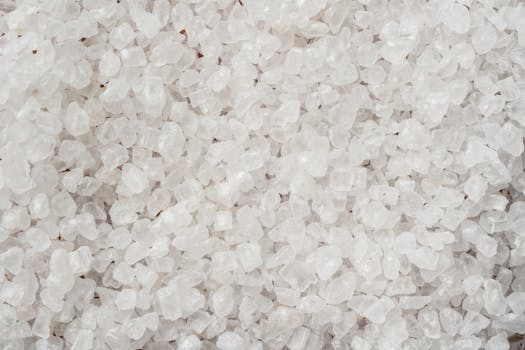
Meaning flower of salt, this is the delicate layer of crystals that forms on the surface of the water on calm, sunny days. It is skimmed off by hand, usually with a flat tool. The crystals are light, fragile and often slightly moist. It is prized as a finishing salt and sold at a premium because the yield is small.
Coarse grey salt
Raked from the bottom of the pans, this salt picks up traces of clay and minerals, giving it a grey tint and a damp texture. Cooks often use it for seasoning meats, fish baked in a salt crust or cooking water.
Fleur de sel versus sel gris
French producers use these terms for the two types, and you will see them in shops across Europe.
Flake salt
Some producers make pyramid-shaped flakes by heating brine and letting crystals form slowly, a method used in places like Maldon in Essex, England. The flakes are crisp and light, popular for finishing dishes.
Smoked and flavoured salts
Some producers infuse salt with smoke, herbs, spices or citrus. These are fun for gifts but are not traditional products of the salt flat itself.
Rock and mined salt
Not every salt comes from evaporation. Himalayan pink salt, for example, is mined, and it comes from underground deposits rather than coastal flats. It is worth knowing the difference when you read product labels.
Famous Salt Flat Regions
Without giving a full tour of each, here are some well-known areas where traditional salt production attracts visitors.
- Guérande, France. Brittany's salt marshes produce grey salt and fleur de sel, harvested by paludiers who work in the marshes in summer.
- Camargue, France. The salt works near Aigues-Mortes are known for pink-tinged ponds and for a landscape that includes flamingos and wetlands.
- Trapani and Marsala, Sicily. Windmills beside the salt pans create one of the most distinctive scenes in the Mediterranean.
- Sečovlje, Slovenia. Historic salt pans near the Adriatic coast, with a museum and nature reserve atmosphere.
- Ses Salines, Ibiza and Formentera, Spain. Salt flats that supply local salt and provide habitat for migratory birds.
- Maras, Peru. Terraced salt ponds fed by a natural spring in the Andes, harvested by families using generations-old methods. Technically these are mountain brine ponds rather than sea flats.
- Lake Retba, Senegal. A lake famous for its pink waters, where workers collect salt by hand.
- Salar de Uyuni, Bolivia. The world's largest salt flat, where salt is harvested for domestic use, though it is better known as a landscape than as a gourmet source.
Some of these are more oriented towards visitors than others. Always check whether access is allowed, as many salt works are private working sites.
What a Visit Usually Includes
Experiences vary, but a good salt flat visit often combines these elements.
- A guided walk along the dividing walls, explaining the layout of the ponds.
- A demonstration of raking or skimming, if the season allows.
- A museum or visitor centre with historical context, tools and photographs.
- Tasting of different salt types, sometimes paired with local bread, olive oil or cheese.
- A shop selling salt, cosmetics and souvenirs made by the producers.
- Birdwatching. Salt flats are often havens for migrating birds, including flamingos and waders, depending on the region.
Some places also offer salt-based spa experiences, such as mud and brine treatments, though these are not for everyone.
When to Go
Timing depends on what you want to see.
- Harvest season. Typically late spring through early autumn in northern hemisphere locations. This is when you will see workers at the pans.
- Early morning or late afternoon. Light is softer, temperatures are kinder and the colours of the ponds look richest.
- Shoulder seasons. You may see fewer workers but also fewer crowds, and the landscape remains photogenic.
- Winter. Pans may be flooded or idle, which can still be atmospheric, but harvesting is usually not happening.
Weather affects everything. After rain, salt production pauses, and tours may be cancelled. Check ahead when possible.
Practical Tips for Visiting
- Wear sun protection. Salt flats are flat, open and reflective, so a hat, sunglasses and sunscreen are essential.
- Bring water. There is often little shade or shelter.
- Wear sturdy shoes. Paths may be muddy or uneven, and salt can be abrasive.
- Stay on marked paths. Walls between pans are fragile, and walking on pans can damage the crystallisation process.
- Keep away from equipment and do not touch harvested piles without permission.
- Ask before photographing workers. Landscapes are fair game, but people deserve consent.
- Rinse your shoes and gear afterwards. Salt can corrode and stain.
- Support the producers by buying directly where possible.
Buying Salt Responsibly
A jar of salt from the producer is one of the nicest edible souvenirs because it is light, long-lasting and easy to pack. Look for packaging that names the producer and region. Be cautious about vague labels like sea salt without further detail, since they may refer to industrial products. If you want to carry salt home, check customs rules for food items at your destination, although salt is generally allowed in small quantities.
A few ideas for using what you buy:
- Sprinkle flor de sal over sliced ripe tomatoes with olive oil.
- Finish grilled fish or roasted vegetables with a pinch of flaky salt.
- Add a few crystals to dark chocolate, caramel or ripe fruit.
- Use coarse grey salt in pasta water or for slow-roasted meat.
Environmental and Social Considerations
Salt flats are fragile ecosystems and often important wildlife habitats. Visiting responsibly means leaving no litter, respecting bird nesting areas and following guidance from site managers. Many salt-making communities are small and depend on seasonal work. Choose tours run by the producers or local cooperatives, which tend to return more of the income to the people who do the work. Climate change, development and cheaper industrial salt all pose pressures on traditional salt production, so thoughtful tourism can help sustain it.
Frequently Asked Questions
Is gourmet salt healthier than table salt? Not necessarily. It may contain trace minerals, but the amounts are small and all salt is mostly sodium chloride. Choose it for taste and texture, and follow medical advice about sodium.
Can I walk on the salt pans? Usually not, unless you are on a guided tour that allows it. Stay on marked paths and ask staff.
What is the best time of day to photograph the ponds? Early morning and late afternoon typically give the best colours and softer shadows, though conditions vary.
Are salt flats suitable for children? Often yes, as the walks are flat and easy, but there is little shade, so bring water and sun protection.
Summary
Salt flats are living reminders of how food is shaped by sun, water and patient work. Solar salt is made by guiding seawater through shallow ponds until crystals form, and artisans harvest flor de sal, grey salt and flakes by hand. Famous regions in France, Italy, Slovenia, Spain, Peru and elsewhere welcome visitors in the warm months, though access varies. Go during the harvest, protect yourself from the sun, follow the rules and buy directly from producers. A visit gives you more than a souvenir: it teaches you how a pinch of salt can carry a place with it.