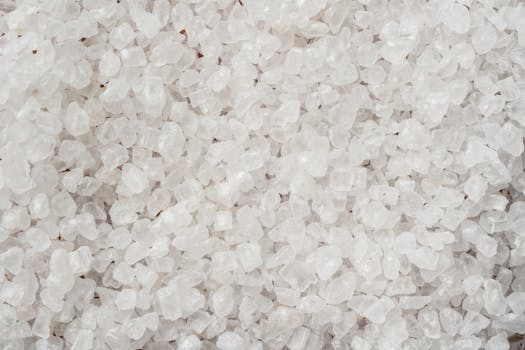
Salt has been harvested by evaporation for thousands of years, and some coastal regions still produce it using shallow pans, sunlight and wind. The resulting salts differ in texture, mineral character and flavor, and certain fine or flaky varieties are prized by cooks. Visiting a salt harvesting area offers a glimpse of a slow, weather-dependent craft and of the wetland landscapes that support it. Salt flats in other parts of the world, such as large inland basins, present a different kind of experience. Understanding these distinctions helps visitors choose the right destination and behave appropriately when they arrive.
This article explains how artisan salt is made, what visitors can expect and how to visit working salt pans respectfully. It does not promote particular producers, and specific opening arrangements should be confirmed locally.
How Artisan Salt Is Made
Most sea salt is produced by letting seawater flow into a series of shallow basins, where the sun and wind evaporate the water. As the brine becomes more concentrated, salt crystallizes on the bottom. Traditional producers manage the flow of water between pans and harvest the crystals by hand, often with wooden or metal tools. Fine varieties are sometimes skimmed from the surface during calm weather, while coarser salt is raked from the bed.
The harvest depends on weather, temperature and humidity, so production is seasonal. Producers may pause work during rain or cold spells, and quality can vary from year to year. The unrefined character of these salts is one reason they are sold as specialty products.
Regions Known for Traditional Salt Production
Several coastal regions in Europe are well known for artisan salt. In Brittany, the salt marshes around Guérande are associated with the fine surface salt traditionally called fleur de sel. The Camargue in southern France also has salt production, and its wetlands are important for birds. In England, Maldon in Essex is known for flaky sea salt produced in the estuary. Sicily has long-established salt pans near Trapani and Marsala, where windmills once pumped water and the landscape is shaped by geometric basins. In Portugal, the salt pans near Aveiro offer a combination of production and birdlife.
Some inland salt flats are much larger in scale and are better known for scenery and tourism than for culinary salt. The Uyuni salt flat in Bolivia is a striking example. Its salt is not typically sold as a gourmet product, and visitors usually come for landscape and guided tours rather than for food.
Visiting Working Pans
Access to working salt pans is often limited to protect production and the surrounding wetlands. Some sites have visitor centers, guided walks or small museums that explain the process. Others allow visitors to walk along embankments or paths, while keeping away from active basins. Tours may take place at certain times of year or may be arranged in advance, so check details before traveling.
Respect is essential. Stay on designated paths and do not walk across the salt beds, since footprints can damage crystals and disturb workers. Do not collect salt from pans, even in small amounts, unless it is sold through the producer. Keep dogs under control, because they can disturb birds and working areas.
Wetlands, Wildlife and Weather
Salt pans and tidal marshes often support a wide variety of birds, including waders and waterfowl, and some sites are protected for their ecological value. Visitors can enjoy birdwatching from paths and hides, but should keep noise low and follow signage about restricted zones. Weather can be harsh in open wetlands, with strong wind, intense sun and sudden showers, so bring suitable clothing and protection from sun and insects.
Tides and water levels can change access routes, particularly in estuarine areas. Check local tide information and any warnings about flooding or unsafe ground before walking.
Buying and Tasting Salt
Many salt producers sell their products through farm shops, markets and specialty food stores. Good producers can explain how their salt is harvested, how it should be stored and how it is best used. Fine salts are usually added at the end of cooking or as a finishing touch, while coarser crystals can be used in brines and baking. Keep salt in a dry container, since humidity can cause clumping.
Tasting is a good way to appreciate differences between salts. Try a small pinch on sliced tomato, bread or a plain piece of fish to notice texture and flavor. Compare more than one variety if possible.
Practical Tips
Plan visits for dry, calm days when pans are easier to see and walking routes are safer. Check opening times for visitor centers, which may differ between seasons. Wear sturdy shoes that can handle wet paths and muddy edges. Bring water, sun protection and insect repellent. Ask producers before taking photographs of workers, and keep a respectful distance from active work areas. Finally, buy directly from producers where possible, since this supports traditional methods and local livelihoods.
Salt flats and artisan salt harvests offer a rare look at a craft shaped by sea, sun and wind. Understanding the difference between culinary salt production and large inland salt flats, and visiting working pans with care, makes the experience both informative and respectful.