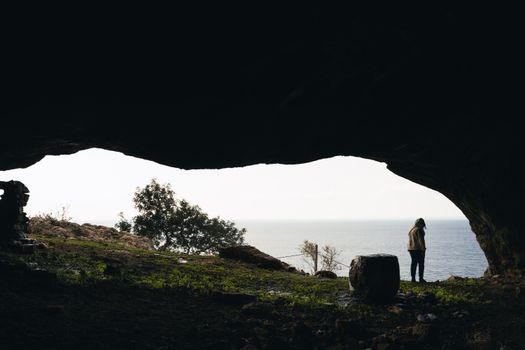
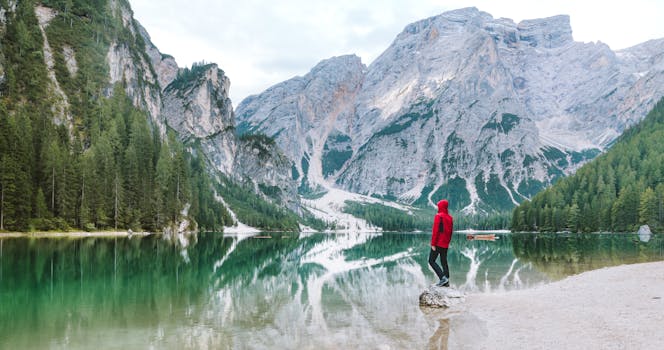
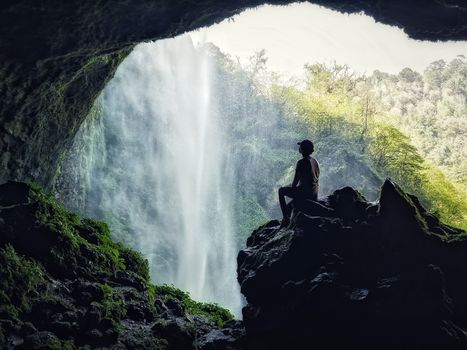
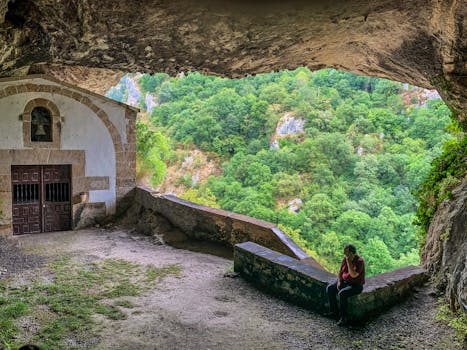
Almost every solo traveller has a moment of loneliness. It might come on the first evening in a new city, when everyone else seems to be in pairs, or on a quiet afternoon when something beautiful happens and there is no one to turn to. That feeling is normal, and it does not mean that solo travel is a mistake. It simply means that connection takes a little planning.
The good news is that some places and trip styles make connection much easier. Rather than chasing the latest viral spot, this guide focuses on what actually helps: destinations with a friendly, social travel culture, ways of travelling that bring people together, and habits that turn strangers into companions. A note first: if loneliness or low mood is persistent or heavy, speaking with a health professional or someone you trust is worthwhile. Travel can help, but it is not a replacement for support.
What makes a destination good for solo travellers
Not every beautiful place is a good place to travel alone. The destinations below tend to share several qualities.
- A well-established travel scene. Hostels, walking tours and shared activities make it simple to join others.
- Compact, walkable cities. You bump into people more easily, and you can get home quickly if you need a break.
- Reliable public transport. Independence matters when you travel alone, and good transport keeps you from feeling stranded.
- A relaxed culture of conversation. Places where chatting with strangers at a cafe or market is normal.
- Safe-feeling streets. Safety varies by area and by time of day, so check current advice, but a general sense of ease helps you relax and engage.
Portugal: easy, friendly and sociable
Portugal is a favourite for first-time solo travellers. Lisbon and Porto are walkable and hilly, with lively hostels and plenty of free walking tours that are an easy way to meet people on your first day. Long dinners and small neighbourhood bars make it natural to chat. The coast near Lagos and Sagres in the Algarve has a surf and hiking community, and many surf schools welcome beginners in small groups.
Practical tip: join a walking tour on day one, then ask a fellow participant if they would like to share a coffee or a meal.
Japan: independent but well supported
Japan might seem like an unusual pick, but it is a fine option for people who like to travel alone and feel comfortable doing so. Solo dining is common and accepted, from ramen counters to small izakaya bars. Public transport is efficient, signage is clear, and the culture is courteous. If you want company, hostels in cities like Kyoto and Tokyo run social evenings, and guided food walks and cooking classes are popular.
It is a place where being alone does not feel strange, which can ease the pressure on those who dread eating alone. For deeper conversation, join a class or a guided cultural experience.
New Zealand: outdoors with a built-in community
New Zealand has a strong backpacker culture, with hostels designed to be social, shared kitchens, and group activities such as hiking, kayaking and bus trips for independent travellers. Shared activities create natural conversation, because you are doing something together rather than sitting awkwardly across from someone. Multi-day walks use huts and campsites that encourage evening chat. Always check conditions and book popular huts and tracks ahead, as rules and availability change.
Thailand and Vietnam: the well-worn backpacker trail
Parts of Southeast Asia have some of the most developed solo travel networks in the world. In Thailand, cities such as Chiang Mai and islands with dive schools have large communities of travellers and remote workers. In Vietnam, the north-to-south route connecting Hanoi, Hue, Hoi An and Ho Chi Minh City is well served by buses, tours and hostels. Cooking classes, motorbike tours led by guides, and day trips make it simple to join a group for a few hours and then go your own way.
Take sensible safety precautions, and read official travel advice before going, as conditions and entry rules change.
Scotland and Ireland: friendly pubs and gentle landscapes
Both countries have a deserved reputation for easy conversation. A seat at a pub with live music, a ferry to a small island, or a day on a guided walk often leads to chat with locals and other travellers. Small group tours of the Highlands or Ireland's west coast are good for those who want company without committing to a full holiday with strangers.
Mexico: community in colourful cities
Cities such as Oaxaca and Mexico City have language schools, cooking classes and creative communities that welcome visitors. Staying with a local family or taking a Spanish course gives your trip a rhythm and a group of classmates. Check current travel advice for the regions you plan to visit, and use common sense with transport and nightlife.
Trip styles that create connection
Sometimes the style of travel matters more than the place itself. These formats are designed to bring people together.
- Small group tours. You get company and logistics handled, while keeping your evenings flexible. Look for operators that cater to solo travellers and limit group sizes.
- Social hostels. Many hostels have private rooms as well as dorms, so you can have your own space and still use the common areas. Read reviews to find places with a friendly atmosphere rather than a party atmosphere, if that is your preference.
- Classes and workshops. Cooking, language, pottery, surfing, yoga or photography courses bring together people with a shared interest.
- Volunteering and work exchanges. Reputable programmes let you contribute to a community or project. Research the organisation carefully, avoid any that seem exploitative, and read reviews from past volunteers.
- Retreats. Wellness, writing, hiking or art retreats often attract solo travellers and give you a structured community for a week or so.
- Slow travel. Staying a few weeks in one place lets you build routines: the same cafe, the same market, the same friendly faces. Familiarity is a powerful antidote to loneliness.
Habits that help you meet people
Connection is a skill, and a few simple habits make a big difference.
- Say yes to small invitations. A coffee, a walk, a game of cards in the hostel kitchen.
- Go where conversation happens. Communal tables, hostel kitchens and cooking classes are easier than silent cafes.
- Ask questions. People like to talk about where they are from and where they have been. A good question is a conversation starter.
- Be a regular. Visit the same bakery or bar a few times, and staff will often start to greet you.
- Use apps and groups carefully. Meet-up apps, hiking groups and travel forums can help you find events. Meet in public places, share your plans with someone you trust, and trust your instincts.
- Learn a few local phrases. Even clumsy efforts earn smiles.
Coping with lonely moments
Loneliness will visit you sometimes, even in the best destinations. These practical tactics can help.
- Name the feeling. It often shrinks a little when you acknowledge it.
- Keep in touch. Schedule video calls with friends or family, but avoid spending your entire evening on the phone.
- Create small rituals. A morning walk, a journal, or an evening meal at a favourite spot gives your days shape.
- Plan the hard hours. For many people, evenings are the toughest. Book a class, a tour or a dinner for those times.
- Give yourself rest days. Not every day has to be full. Sometimes a quiet day is exactly what you need.
- Know when to move. If a place does not suit you, it is fine to leave early or switch to a more social base.
Safety basics for solo travellers
- Share your itinerary with someone you trust and check in regularly.
- Research neighbourhoods before you book, and read recent reviews.
- Keep copies of important documents, and carry a small amount of emergency money separately.
- Arrive in daylight when you can, especially in a new city.
- Choose travel insurance that fits your plans, and read the policy carefully.
- Trust your instincts: if a situation feels wrong, leave.
Frequently asked questions
Is it normal to feel lonely when I travel alone? Yes. Many solo travellers feel it at some point. Planning social activities, staying somewhere sociable, and being kind to yourself all help.
Which destination is best for a first solo trip? Portugal, Japan, New Zealand and Ireland are all considered approachable. Choose according to your interests and budget.
Should I join a group tour? If you want company and convenience, a small group tour is a good choice. You can also combine it with independent days.
What if I am shy? Pick activities that give you something to focus on, such as classes or tours. Conversation grows naturally around a shared task.
A sample first week in Lisbon
To make the ideas concrete, here is one way a social first week might look in a walkable, friendly city. Adapt it to your own interests.
- Day one: Arrive, drop your bag, and join an afternoon walking tour. Ask one person afterwards if they would like to grab a bite.
- Day two: Book a morning cooking class or pottery workshop, then wander a neighbourhood market for lunch.
- Day three: Take a day trip by train to Sintra or the coast with a small group, or simply on your own with a few hostel mates.
- Day four: Rest day. Read in a garden, write postcards, call home.
- Day five: Join a hostel dinner or a language exchange evening, many of which are free or cheap.
- Day six: Try a sunset spot with a few new friends, bringing snacks to share.
- Day seven: Reflect on what worked, then decide whether to stay longer or move on.
The point is the pattern: one structured social activity most days, a quiet day to recharge, and plenty of time in between for wandering. Whichever city you choose, that rhythm tends to work.
Making the most of hostels without the party
If hostels worry you because of late nights, remember that they come in many styles. Some focus on quiet comfort, with private rooms, a good kitchen and a calm lounge. Read recent reviews for words like "friendly", "quiet" or "community" depending on what you want, and look at the daily activity list. A hostel that hosts a shared dinner or a daytime tour is usually better for meeting people than one that only runs a bar. Bring earplugs and an eye mask if you share a dorm, and choose a bed away from the door.
Summary
Loneliness on the road is common but manageable. Choose destinations with a welcoming travel culture, pick trip styles built around shared activities, practise small habits that invite conversation, and plan for the quieter moments. Check current entry and safety information for any destination, and remember that support is available if the feeling becomes heavy. With a little planning, solo travel can be one of the most connected experiences of your life.