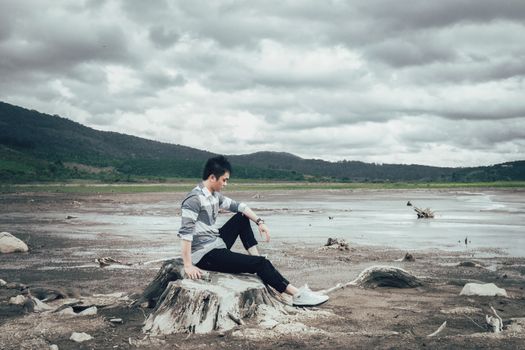
The Secret Solo Travel Destinations Instagram Influencers Don’t Want You to Know
I remember it like it was yesterday: standing on a bustling bridge in Florence, the Arno River glittering under a perfect Tuscan sunset. My camera roll was packed with stunning shots – the Duomo, the Uffizi, gelato melting perfectly into a cone. It looked idyllic. It was beautiful. But as I watched couples stroll by, families laughing, and groups of friends clinking glasses at riverside trattorias, a familiar, unwelcome guest tapped me on the shoulder: loneliness.
I’d spent weeks meticulously planning this solo trip, inspired by the seemingly effortless joy of travel bloggers. Their feeds were a montage of sun-drenched smiles, perfectly posed coffees, and serene moments of solitude that somehow never looked lonely. Yet, here I was, in one of the world's most romantic cities, feeling profoundly, utterly alone.
That moment was a turning point. It made me question the curated reality of travel and seek something deeper. I realized that true solo travel isn't about perfectly framed shots; it's about connection – with the world, with new people, and ultimately, with yourself. And guess what? There are incredible places and ways to travel solo that actively cure loneliness, places the "look-at-me" influencers rarely highlight because they're about genuine human interaction, not just aesthetics.
This isn't about avoiding solo travel; it's about transforming it. It's about finding those magical spots where community thrives, where strangers become friends, and where the pang of isolation is replaced by the warmth of shared experience. Ready to dive into the anti-loneliness travel guide? Let's go!
The Myth of the Perfectly Posed Solo Trip (and Why It's Okay to Feel Lonely)
First, let's get real. The picture-perfect solo traveler sipping an espresso with a wistful gaze? Often a carefully constructed illusion. Loneliness is a completely normal human emotion, and it can absolutely creep in when you're far from your comfort zone, even in the most beautiful places. Social media, with its highlight reels, often makes us feel like we're the only ones experiencing this vulnerability. We see endless photos of people "living their best life" and wonder why our own solo journey sometimes feels… a bit empty.
But here’s the truth: true, profound travel often involves stepping into discomfort. And sometimes, that discomfort is loneliness. The good news? You don't have to just "power through" it. There are specific types of destinations and travel styles that naturally weave connection into the fabric of your journey, making that solo experience richer, more authentic, and yes, genuinely less lonely. It's about choosing connection over isolation, and experience over exhibition.
Section 1: Surf Camps & Adventure Retreats – Ride the Wave of Connection
Imagine spending your days learning to surf, laughing as you wipe out alongside a dozen other beginners from around the world, then sharing a communal, home-cooked meal under the stars, exhausted but exhilarated. This isn't just a fantasy; it's the daily reality at countless surf camps and adventure retreats. These places are connection machines.
- Why they work: Shared activity is a powerful bonding agent. You're all beginners, all facing the same challenge, and all celebrating small victories together. There's an inherent camaraderie that develops when you're learning something new or pushing your limits in a group setting. Plus, the structured nature means you're never left wondering what to do or who to talk to.
- Where to go:
- Ericeira, Portugal: A designated World Surfing Reserve, Ericeira is packed with amazing surf schools and camps like Lapoint Surf Camp or Surf Lisbon. A week-long package often includes accommodation, surf lessons, equipment, and some meals, ranging from €400-€800. I spent a week here, and by day three, I knew everyone's names, their home countries, and their funniest wipeout stories. We'd share Ubers to town for dinner and cheer each other on in the water.
- Santa Teresa, Costa Rica: Known for its chilled-out vibe and consistent waves, places like Blue Zone Surf & Yoga Retreats offer similar all-inclusive experiences. The Pura Vida lifestyle naturally encourages openness and connection.
- Bali, Indonesia: Beyond the party scene of Kuta, areas like Canggu and Seminyak have fantastic surf and yoga retreats that foster a strong sense of community. Think daily yoga, plant-based meals, and group excursions.
- Pro Tip: Look for camps that emphasize communal meals and social activities. Read reviews specifically mentioning the social atmosphere.
Section 2: Purpose-Driven Travel – Volunteer & Learn with Heart
If you're seeking profound connections rooted in shared purpose, volunteer travel or immersive learning experiences are unparalleled. When you're working alongside others towards a common goal, or deeply engaging with a local culture, barriers drop quickly.
- Why they work: You're not just a tourist; you're a participant. This shifts the dynamic from passive observation to active engagement. Shared challenges, mutual support, and the satisfaction of contributing create deep bonds.
- Where to go:
- Volunteer in Southeast Asia (e.g., Thailand, Vietnam, Cambodia): Organizations like GVI or local NGOs offer projects ranging from wildlife conservation to teaching English. I spent two weeks teaching English in a small village in Northern Thailand, and the other volunteers became my family. We ate together, planned lessons together, and explored the local markets. The shared mission was incredibly unifying. Expect to pay for program fees (which cover accommodation, food, and project costs), typically $500-$1500+ per week, depending on the program.
- Language Immersion in Latin America (e.g., Antigua, Guatemala or Cusco, Peru): Enrolling in a language school often includes homestay options, which is a fast track to cultural immersion and connection. Schools like Antigua Spanish Academy or Amauta Spanish School in Cusco are renowned. You'll not only learn a new skill but also bond with fellow students in classes and during excursions, and truly connect with your host family over daily meals. A week of classes and homestay can be around $250-$400.
- Farm Stays/WWOOFing (Worldwide): If you love nature and hands-on work, WWOOFing (Worldwide Opportunities on Organic Farms) allows you to exchange work for food and accommodation. You'll live and work with a host family or other volunteers, often in stunning rural settings. This is a truly authentic way to connect and live like a local.
Section 3: Digital Nomad Hubs & Co-Living Spaces – The New Village
The rise of remote work has given birth to a phenomenon that's a solo traveler's dream: digital nomad hubs with dedicated co-living spaces. These aren't just places to stay; they're built-in communities designed for connection.
- Why they work: They attract like-minded individuals who are often solo travelers themselves, seeking both productivity and social interaction. Co-living spaces frequently organize social events, workshops, and communal dinners, making it incredibly easy to meet people.
- Where to go:
- Medellín, Colombia: Beyond its "Eternal Spring" climate, Medellín boasts a vibrant digital nomad scene. Co-living spaces like Selina Medellín or independent ventures like Co-Living Botanico offer private rooms, co-working facilities, and a packed schedule of social events, from salsa nights to hiking trips. A bed in a dorm might be $25-40/night, private rooms $60-100+.
- Lisbon, Portugal: With its charming streets, great food, and strong Wi-Fi, Lisbon is another hotspot. Look for places like Outsite Lisbon or The House of Tribe which curate a community experience. I once stayed at a co-living space in Lisbon and ended up on a spontaneous road trip to the Algarve with people I'd met over morning coffee.
- Chiang Mai, Thailand: A long-standing favorite for digital nomads, Chiang Mai offers affordable living and a huge network of co-working spaces and meetups. While not strictly "co-living" in the same way, the sheer density of remote workers makes it easy to find your tribe through Facebook groups and dedicated events.
- Pro Tip: Check out specific co-living brands like Selina, Outsite, or Sun & Co. (Javea, Spain) which specialize in fostering community. Look at their event calendars to get a sense of the social opportunities.
Section 4: Trekking & Group Adventures – Shared Journeys, Shared Souls
There’s something uniquely bonding about facing a physical challenge with a group of strangers. Whether it’s conquering a mountain pass or navigating a multi-day hike, shared exertion and mutual support forge incredibly strong, fast friendships.
- Why they work: You’re literally in the same boat (or on the same trail!). You rely on each other, share snacks, tell stories to pass the time, and celebrate successes together. The focus is on the journey, not just the destination, and that journey is a collective experience.
- Where to go:
- The Camino de Santiago, Spain: This ancient pilgrimage route is practically designed for solo travelers seeking connection. While you walk alone, you stay in albergues (hostels for pilgrims) where communal meals and shared stories are the norm. You'll meet people from all walks of life, often reconnecting with them day after day. It's a truly profound experience. Accommodation is incredibly budget-friendly, often €10-€20/night.
- Patagonia, Chile/Argentina: Joining a guided trekking group for routes like the W Trek in Torres del Paine or a multi-day hike in El Chaltén ensures you're with fellow adventurers. Companies like G Adventures or Intrepid Travel specialize in small group tours, perfect for solo travelers. I did a guided trek in Patagonia, and the intense beauty combined with the shared effort meant we quickly became a tight-knit unit, cheering each other on through rain and sun.
- Annapurna Circuit, Nepal: Similarly, joining a guided trek through the Himalayas means you'll share guides, porters, and tea house stays with a small group, building bonds amidst breathtaking scenery.
- Pro Tip: Look for small group tours (max 12-16 people) specifically marketed towards solo travelers. Check the average age range if that's important to you.
Section 5: Hostels Reimagined – Beyond the Party Scene
Forget everything you think you know about hostels if your only experience is a chaotic party den. The modern hostel landscape offers a diverse range of accommodations, many of which are specifically designed for connection, comfort, and culture – not just cheap beds.
- Why they work: Hostels are inherently social environments. They have common areas, kitchens, and often organize free or low-cost activities like walking tours, pub crawls (optional!), or cooking classes. You're surrounded by other travelers, many of whom are solo and looking to meet people too.
- Where to go:
- Boutique Hostels in Major Cities (e.g., The Freehand in the USA, Generator Hostels in Europe, Selina Worldwide): These chains often combine stylish design with excellent facilities, including bars, cafes, and co-working spaces. They frequently host events, from live music to yoga classes. I've had incredible conversations over a craft beer at a Generator hostel bar that led to impromptu city explorations.
- Hostels with Strong Reputations for Community: Do your research! Websites like Hostelworld allow you to filter by "social atmosphere" and read reviews that specifically mention how easy it is to meet people. Look for hostels with large common areas, communal kitchens, and organized activities.
- Anywhere in Europe with a "Cultural Hostel" Vibe: Cities like Berlin, Barcelona, Amsterdam, and Lisbon have a plethora of hostels that prioritize cultural exchange and relaxed socializing over hard partying.
- Pro Tip: Read recent reviews on Hostelworld or Google Maps. Look for mentions of "easy to meet people," "great common areas," or "friendly staff." Avoid hostels primarily reviewed as "party hostels" if you're seeking deeper connection. Opt for smaller dorms (4-6 beds) or even private rooms if you need downtime, but still utilize the common spaces.
Practical Tips for Forging Connections (No Matter Where You Are)
Even if you’re not at one of these curated connection hubs, you can still actively combat loneliness. Here’s how:
- Embrace Common Areas: Whether it’s a hostel lounge, a hotel lobby, or a park bench, position yourself where others gather. Make eye contact, smile.
- Say "Yes" More Often: If someone invites you for a coffee, to share a meal, or join an activity, say yes! Even if it’s outside your comfort zone. These spontaneous moments are often the most memorable.
- Learn Basic Local Phrases: A simple "hello," "please," "thank you," and "how are you?" in the local language shows respect and opens doors. Locals appreciate the effort and are more likely to engage.
- Join Local Tours & Workshops: Food tours, cooking classes, walking tours, art workshops – these are fantastic ways to meet both locals and other travelers with shared interests.
- Utilize Apps (Wisely!): Meetup is great for finding local interest groups. Bumble BFF can connect you with other travelers or locals looking for platonic friendships. Facebook Groups for "digital nomads in [city]" or "solo female travelers [region]" are invaluable resources.
- Dine at Communal Tables: Many restaurants, especially in places like Spain or Italy, have communal dining options. Or choose places with bar seating where it’s easier to strike up a conversation with the bartender or fellow diners.
- Be Open and Approachable: Put away your phone for a bit. Make eye contact. Have an open posture. People are more likely to approach someone who looks receptive.
- Volunteer for a Day: Many cities have local organizations that welcome short-term volunteers. It's a great way to give back and meet passionate locals.
- Carry a Book/Journal: Sometimes, a moment of solitude is exactly what you need. A book can be a good conversation starter, or a journal a way to process your thoughts and feelings without external pressure.
Beyond the Filter: True Connection is the Ultimate Travel Souvenir
Solo travel, at its heart, is a journey of self-discovery. But that journey doesn't have to be solitary. The curated perfection of Instagram often glosses over the real, raw, beautiful human experiences that make travel so transformative. It’s not about avoiding loneliness entirely; it’s about understanding it, addressing it, and actively seeking out the kinds of experiences that fill your cup with genuine connection.
These aren't just "destinations"; they're blueprints for a different kind of solo adventure – one where the smiles are real, the conversations are deep, and the memories are woven with the threads of shared humanity. So, next time you're planning a solo trip, think beyond the postcard views. Think about where you can truly connect, truly belong, and truly cure that occasional pang of loneliness.
What are your go-to places or strategies for making connections on the road? Share your wisdom in the comments below! And if this post resonated with you, share it with a fellow traveler who might need a reminder that they're never truly alone.
---