The first hint of spring always does something to me. It’s not just the warmer air or the longer days; it’s a deep, primal urge to witness the world reawaken. My most vivid travel memories aren't of bustling cityscapes or ancient ruins (though I love those too!), but of moments where nature pulled out all the stops, painting landscapes in hues I didn't know existed.
I remember one particular year, flicking through travel blogs, feeling that familiar itch. I stumbled upon a photo – a sea of vibrant orange poppies stretching to the horizon under a impossibly blue sky. My jaw dropped. Was this real? A quick search revealed it was California's Superbloom, a phenomenon so rare and dependent on specific rainfall that it only happens "once in a blue moon," or rather, once every few years. That image ignited a new obsession: chasing the world's most spectacular, "only once a year" spring blooms.
These aren't your garden-variety daffodils, folks. These are natural spectacles, ephemeral masterpieces that demand a pilgrimage. They're a reminder of nature's power, fragility, and incredible beauty, making them the ultimate bucket-list experiences for any traveler. And trust me, seeing them in person? It will absolutely blow your mind.
Ready to fill your spring with unforgettable color? Here are my top picks for once-a-year blooms that are worth every mile, every flight, and every moment of anticipation.
1. The Golden Deluge: California's Mind-Blowing Superbloom
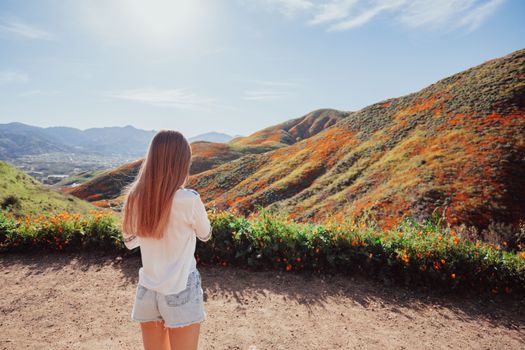
Imagine rolling hills transformed into a vibrant orange carpet, dotted with splashes of purple, yellow, and white. This isn't a dream; it's California's Superbloom, and it is, without a doubt, one of the most stunning natural phenomena I've ever witnessed. This isn’t an annual guarantee; it’s a gift from Mother Nature, appearing only after a perfect combination of heavy winter rains and warm spring temperatures. When it happens, it’s truly super.
My Story: I finally caught a Superbloom year a few springs ago, after years of missing out. The buzz online was electric. Friends were posting pictures, and I knew I had to go. I packed my bags, booked a last-minute flight to LA, and headed straight for the Antelope Valley California Poppy Reserve. Nothing, and I mean nothing, prepares you for the sheer scale of it. As I walked the trails, surrounded by millions of poppies swaying gently in the breeze, the air buzzing with bees, I felt an almost overwhelming sense of awe. The colors were so intense they almost hurt my eyes in the best possible way. It felt like walking through a painting.
Where to Go & When:
- Antelope Valley California Poppy Reserve: This is the iconic spot, located north of Los Angeles. They have well-maintained trails and strict rules to protect the flowers (stay on paths!).
- Anza-Borrego Desert State Park: Further south, this park offers a different kind of superbloom, with desert wildflowers like verbena, primrose, and desert sunflowers. It's wilder, more rugged, and equally breathtaking.
- Carrizo Plain National Monument: A bit more remote, but if you hit it right, you'll see vast plains covered in goldfields, tidy tips, and phacelia.
Practical Tips for Chasing the Bloom:
- Timing is Everything: Superblooms typically occur between late February and early April, but it's highly variable. Follow park websites, local news, and social media for real-time updates.
- Book Ahead: Accommodation, especially near popular spots, sells out quickly during a superbloom.
- Respect Nature: Stay on designated trails. Do not pick flowers or lie in them for photos. The ecosystem is fragile, and these flowers are essential for future blooms.
- Gear Up: Bring plenty of water, sunscreen, a hat, and comfortable walking shoes. The desert sun can be intense.
- Capture the Magic: A wide-angle lens is fantastic for capturing the vastness. Drones can offer incredible perspectives, but check park regulations—many prohibit them.
Instagram-Worthy Moment: The endless orange carpet against a clear blue sky. Get low for a perspective that emphasizes the density of the flowers.
2. Wisteria Wonderland: Japan's Kawachi Fujien Tunnel
Japan in spring usually means one thing: cherry blossoms. And while sakura is undeniably beautiful, there’s another, equally mesmerizing floral spectacle that often gets overshadowed: the Wisteria Tunnel at Kawachi Fujien. This place is pure magic, a literal tunnel crafted from cascading wisteria in every shade of purple, pink, white, and blue.
My Story: After experiencing cherry blossom season twice, I was looking for something different on my third trip to Japan. A friend showed me a picture of Kawachi Fujien, and I was instantly captivated. Getting there involved a Shinkansen ride, a local train, and then a taxi, but every leg of the journey built the anticipation. Stepping into that tunnel for the first time was like entering a fragrant, ethereal dream. The air was thick with a sweet perfume, and the light filtered through the thousands of hanging blossoms, creating a stained-glass effect. I spent hours just walking back and forth, mesmerized by the delicate petals and vibrant colors. It felt like I was in a fairy tale.
Where to Go & When:
- Kawachi Fujien Wisteria Garden: Located in Kitakyushu, Fukuoka Prefecture, on Japan's southern island of Kyushu. This is the spot.
- Best Time: Late April to early May is peak season, often coinciding with Japan's "Golden Week" holidays, so plan accordingly.
Practical Tips for Your Wisteria Dream:
- Crucial: Book Tickets in Advance: This garden has a unique system. You must purchase timed entry tickets in advance from convenience stores (like 7-Eleven or FamilyMart) or online. You cannot buy them at the gate during peak season. Tickets typically range from ¥500 to ¥1500 (approx. $3.50-$10 USD) depending on how peak the bloom is.
- Go Early or Late: To avoid the biggest crowds, aim for the first entry slot or the last one. The soft morning or evening light also makes for incredible photos.
- Transportation: From JR Yahata Station, take a Nishitetsu bus to Kawachi Elementary School, then it's about a 15-minute uphill walk. Or, take a taxi directly from Yahata Station.
- Beyond the Tunnel: The garden also features two large wisteria domes and other floral displays, so take your time to explore.
Instagram-Worthy Moment: Standing directly under the cascading wisteria in the tunnel, letting the flowers frame your shot. Use a slow shutter speed if you want to capture the gentle sway.
3. Texas's True Blue: The Iconic Bluebonnet Trails
If you've never driven through the Texas Hill Country in spring, you're missing out on a truly American spectacle: fields of vibrant bluebonnets stretching as far as the eye can see. These aren't just pretty flowers; they're the state flower, a source of immense Texan pride, and a sure sign that spring has truly arrived.
My Story: I was on a road trip through Texas a few years back, completely by chance, and my friend insisted we detour through the Hill Country. "You have to see the bluebonnets," she said with a gleam in her eye. I thought, "Okay, a few pretty flowers." What I found was an entirely different beast. Miles and miles of rolling hills bathed in a deep, captivating blue. Every roadside pull-off was filled with families taking photos, picnicking, and just soaking in the beauty. We stopped countless times, carefully stepping into the fields (where permitted!) to capture the magic. The air was crisp, the sun warm, and the bluebonnets seemed to stretch into infinity. It felt like quintessential Americana, bursting with life.
Where to Go & When:
- Ennis Bluebonnet Trail: Located south of Dallas, Ennis boasts the official "Texas Bluebonnet Trail" and even has a festival. Their website provides maps and real-time updates.
- Burnet: Known as the "Bluebonnet Capital of Texas," Burnet hosts an annual Bluebonnet Festival and has stunning fields in the surrounding areas.
- Fredericksburg & Marble Falls: These towns in the heart of the Hill Country are fantastic bases for exploring the wider region, which is often carpeted in blue.
- Best Time: Typically late March to mid-April, though this can vary slightly based on rainfall.
Practical Tips for a Bluebonnet Adventure:
- Check the "Bloom Watch": Many local tourism boards and websites (like the Ennis Bluebonnet Trail website) provide regular updates on where the blooms are strongest.
- Safety First: When pulling over for photos, always do so safely off the road. Watch for traffic and uneven terrain.
- Mind the Wildlife: Bluebonnets are often home to critters. Watch out for snakes, fire ants, and ticks. Wear closed-toe shoes.
- Respect Private Property: Many fields are on private land. Only enter areas with clear public access or permission.
- Combine with Other Delights: The Hill Country is also famous for its BBQ, wineries, and charming small towns. Make a weekend of it!
Instagram-Worthy Moment: A wide shot of a vast bluebonnet field, perhaps with a rustic barn or a classic Texas fence in the background. Get a close-up of the intricate individual blooms.
4. Purple Rain: Jacaranda Avenues of Pretoria & Grafton
Imagine entire city streets, parks, and even riverbanks drenched in a vibrant, almost surreal shade of purple. That's the magic of the Jacaranda tree in full bloom. While they've spread globally, few places rival the sheer spectacle of Pretoria, South Africa, or Grafton, Australia, when their thousands of trees simultaneously burst into color.
My Story: My first encounter with Jacarandas was in Brisbane, Australia, years ago. I was walking down a street, turned a corner, and suddenly, the entire block was a tunnel of purple. Petals floated down like confetti, coating the pavement in a soft, fragrant carpet. It was utterly unexpected and breathtaking. That experience made me seek out the "Jacaranda City" itself – Pretoria. Driving through its avenues, especially during peak bloom, felt like traversing a dreamscape. Every turn revealed another purple panorama, a symphony of color that made even the most mundane buildings look majestic. It truly felt like the city was celebrating spring with a grand, purple party.
Where to Go & When:
- Pretoria, South Africa: Known as the "Jacaranda City," it boasts over 70,000 trees. Drive or walk along iconic streets like Herbert Baker Street, Cilliers Street, and the Union Buildings area.
- Grafton, Australia: This charming town in New South Wales hosts an annual Jacaranda Festival, celebrating its magnificent trees. See them along Pound Street, Prince Street, and in Jacaranda Park.
- Other Notable Spots: Brisbane and Sydney (Australia), Los Angeles (USA), Buenos Aires (Argentina), and parts of Portugal and Spain also have stunning jacaranda displays.
- Best Time: Southern Hemisphere (Pretoria, Australia): October to November. Northern Hemisphere (LA, Portugal): May to June.
Practical Tips for a Purple Paradise:
- Walk or Bike: While driving through is fantastic, walking or biking allows you to truly immerse yourself in the fragrant, purple canopy and capture unique perspectives.
- Local Festivals: If you're in Grafton, don't miss their Jacaranda Festival for cultural events, markets, and guided tours.
- Early Morning Light: The purple petals glow beautifully in the soft morning light, and you'll find fewer crowds.
- Look Up and Down: Don't just admire the trees; look at the carpets of fallen petals on the ground. They're just as stunning.
- Combine with City Exploration: Both Pretoria and Grafton offer plenty of other attractions, from historical sites to vibrant cafes.
Instagram-Worthy Moment: A wide shot of a tree-lined street completely covered in purple blossoms, or a close-up of a single branch with the sun filtering through the delicate flowers.
5. Golden Oceans: Rapeseed Fields of Luoping, China
For a truly epic, almost otherworldly floral experience, head to Luoping County in China's Yunnan Province. Here, vast, undulating hills are transformed into a seemingly endless ocean of brilliant yellow rapeseed flowers. It’s an agricultural spectacle that becomes a breathtaking natural wonder.
My Story: The pictures of Luoping had always intrigued me – the scale was just immense. Getting there was an adventure in itself, involving trains and local buses, but as we drove closer, the first glimpses of yellow started appearing. Then, suddenly, we rounded a bend, and the entire valley opened up, filled with a golden tapestry stretching to the horizon. It was overwhelming. The sheer scale, the vibrant color, the gentle hum of millions of bees at work – it was a sensory explosion. I remember climbing to one of the viewpoints, looking down at the intricate patterns created by the terraced fields, feeling incredibly small yet utterly connected to this powerful natural display. It's a hidden gem for many Western travelers, making it even more special.
Where to Go & When:
- Luoping County, Yunnan Province, China: This is the epicenter of the rapeseed bloom.
- Key Viewpoints:
- Jinji Peak (Golden Rooster Peak): Offers panoramic views of the vast fields.
- Shiwan Dashan (Hundred Thousand Hills): Another great viewpoint, especially for sunset.
- Luositian (Snail Farm): Known for its unique spiral patterns created by the terraced fields.
- Best Time: Late February to March is generally peak bloom, but check local forecasts as it can vary.
Practical Tips for Your Golden Journey:
- Transportation: Fly into Kunming (the capital of Yunnan Province), then take a train or bus to Luoping. Local minibuses or hired cars can take you between viewpoints.
- Accommodation: Book guesthouses or hotels in Luoping town well in advance during peak season.
- Early Morning/Late Afternoon: The light is best for photography during these times, casting a magical glow on the yellow fields.
- Drone Photography: This is one place where drone shots truly shine, capturing the immense scale and intricate patterns of the fields. Always be mindful of local regulations.
- Local Culture: Explore Luoping town, sample local cuisine, and interact with the friendly locals.
Instagram-Worthy Moment: A sweeping panoramic shot from one of the viewpoints, showcasing the endless golden fields. A close-up of the bright yellow flowers with a bee buzzing nearby captures the essence of spring.
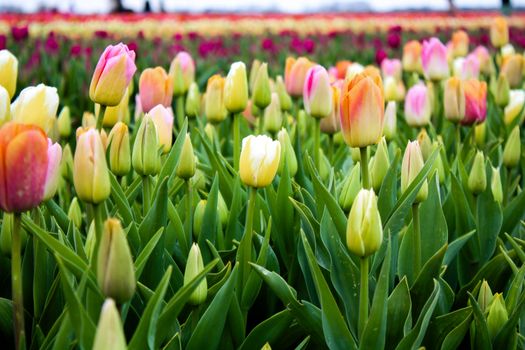
6. The Dutch Masterpiece: Keukenhof's Tulip Spectacle (The Unexpected View)
Okay, Keukenhof might not be "once a year" in the unpredictable sense, as it opens religiously every spring. But the sheer artistry, scale, and variety of its tulip, hyacinth, and daffodil displays are so mind-blowingly spectacular that it absolutely deserves a spot on this list. It’s a carefully curated, once-a-year masterpiece that truly showcases the pinnacle of floral design. Plus, if you know where to look, you can find some truly unique, less-trodden tulip experiences.
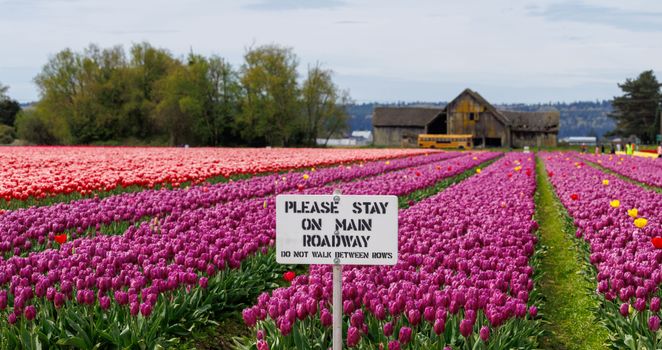
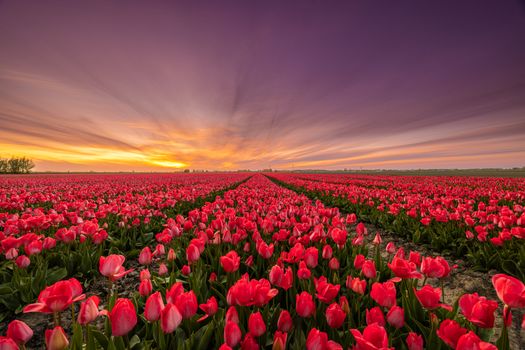
My Story: I've been to Keukenhof twice, and both times, it felt like stepping into a living painting. The first time, I was overwhelmed by the sheer number of flowers – millions! – and the vibrant, perfectly manicured gardens. But it was my second visit where I found my true "once-a-year" moment. After exploring the main gardens, I decided to rent a bicycle and venture into the surrounding bulb fields. Away from the crowds, cycling through endless rows of red, yellow, pink, and purple tulips under a vast Dutch sky, with the scent of hyacinths wafting on the breeze, was pure bliss. It felt like I had discovered a secret, wilder side to the famous Dutch flower season, a truly personal and unforgettable experience.
Where to Go & When:
- Keukenhof Gardens (Lisse, Netherlands): The most famous flower park in the world.
- Surrounding Bulb Fields: Rent a bicycle from Keukenhof or nearby towns like Lisse or Noordwijkerhout to explore the vast, colorful fields that stretch for miles.
- Best Time: Keukenhof is typically open from late March to mid-May. Mid-April is often considered peak tulip season, but early May can also be fantastic for later varieties and hyacinths.
Practical Tips for a Tulip Triumph:
- Book Tickets Online: Always buy your Keukenhof tickets (around €19-20 for adults) and any shuttle bus combinations online in advance to save time and guarantee entry.
- Go Early or Late: Arrive right at opening (8 AM) or visit in the late afternoon (after 3 PM) to avoid the peak crowds, especially on weekends and during Golden Week.
- Rent a Bike: This is my top tip! Rent a bike (available near Keukenhof's entrance or in Lisse) and explore the designated cycling routes through the bulb fields. It’s a completely different perspective and often less crowded.
- Flower Parades: Keep an eye out for the annual Bloemencorso Bollenstreek (Flower Parade of the Bulb Region), which usually takes place in late April. It’s a spectacular procession of floats adorned with flowers.
- Layer Up: Spring weather in the Netherlands can be unpredictable. Dress in layers and be prepared for sun, wind, or even a light shower.
Instagram-Worthy Moment: A close-up of a particularly unique tulip variety, or a wide shot of you cycling through endless rows of colorful tulip fields. Don't forget the classic windmill backdrop!
Ready to Chase the Bloom?
These once-a-year spring blooms are more than just pretty sights; they are powerful reminders of nature's artistry and the fleeting beauty of life. They ignite a sense of wonder, encourage respectful exploration, and offer truly unique travel experiences that will stay with you long after the petals have fallen.
So, which ephemeral masterpiece will you chase first? Start planning now, because these breathtaking spectacles wait for no one. The window is short, the beauty is immense, and the memories? Absolutely priceless.
Share your bloom stories with us! Have you witnessed any of these wonders, or do you have another "once a year" bloom we should add to our list? Tag #TripsoraBlooms and let us know!
---