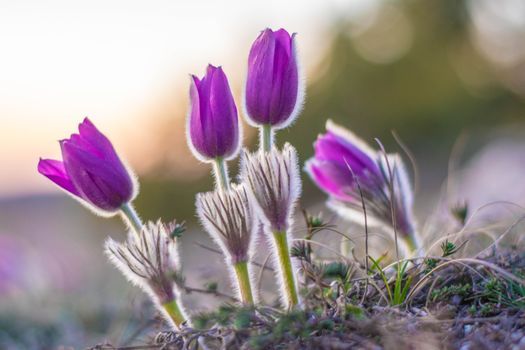
The Secret Language of Spring: Unearthing the World's Most Elusive Blooms
The crisp air of spring, the gentle hum of reawakening life, the promise of warmth after winter's chill – it's a season that calls to the wanderer in all of us. We chase cherry blossoms in Kyoto, marvel at tulip fields in Holland, and bask in the lavender haze of Provence. But what if I told you there are blooms so rare, so exquisite, and so utterly fleeting that most travelers never even know they exist? Flowers that appear for mere days, tucked away in corners of the world, whispered about by locals who’ve known their secrets for generations?
My journey to uncover these ephemeral wonders began quite by accident. I was deep in the Japanese Alps, far off the well-trodden paths, seeking out a particularly remote onsen. One evening, sharing a cup of green tea with the elderly proprietress of my ryokan, I mentioned the stunning, delicate bell-shaped flowers I’d seen clinging to a rocky outcrop earlier that day. Her eyes, usually reserved, softened. She leaned in, a conspiratorial smile playing on her lips, and whispered, "Ah, the Suiren-no-Kane. The Water Lily Bells. They bloom only when the snowmelt is just right, and only for two weeks. My grandmother taught me where to find them. Few outsiders ever do."
That moment sparked an obsession. It wasn't just about the flowers; it was about the stories, the local wisdom, the profound respect for nature that these secrets embodied. It was about chasing beauty that felt truly earned, truly special, and utterly unique. And now, I'm sharing some of these almost-mythical floral experiences with you, dear Tripsora readers. But remember, with great beauty comes great responsibility. Tread lightly, respect local traditions, and savor every precious moment.
1. The Whispering Bells of Shinshu: Japan’s Elusive Mountain Symphony
Let's start where my journey began – with the Suiren-no-Kane (scientific name: Campanula alpina japonica), or "Whispering Bells," nestled in the heart of Japan's Shinshu region, specifically around the lower slopes of the Northern Alps near Omachi City in Nagano Prefecture. These aren't the dramatic, showy blooms you see in guidebooks. Instead, they are tiny, translucent, bell-shaped flowers, often a delicate shade of sky-blue or soft lavender, that dangle from slender stems on rocky, north-facing slopes.
The Secret: Locals cherish these flowers as a symbol of resilience and the pure spirit of spring. Their bloom is entirely dependent on the specific timing and volume of the snowmelt – too fast, and they're washed away; too slow, and they don't get enough moisture. This makes their appearance incredibly unpredictable, usually for a window of just 10-14 days, typically from late April to early May. The villagers of this region have an unspoken agreement: they visit these secluded spots quietly, often in the early morning, to offer a silent prayer or simply to witness their ephemeral beauty. They don't publicize the locations to protect the delicate ecosystem and their ancient tradition.
My Anecdote: After my initial discovery, the ryokan proprietress, sensing my genuine reverence, gave me a hand-drawn map. It wasn't precise, more a series of landmarks and feelings. "Follow the sound of the stream, past the old cedar, where the air smells of fresh earth and melting snow," she instructed. It took me two days of gentle hiking, consulting the map, and asking a few local farmers (who gave me knowing smiles but no direct instructions) to find a true patch. When I finally did, it was breathtaking. Thousands of tiny bells, almost invisible against the rock until you focused, swayed gently in the mountain breeze, making a soft, almost imperceptible chime – the "whispering" effect. I sat there for an hour, completely alone, feeling like I'd stumbled into a sacred garden.
Practical Tips:
- Location: Focus on the less-traveled hiking trails around Omachi City or Azumino in Nagano Prefecture. Look for north-facing slopes with good snowmelt.
- Best Time: Late April to early May, but this can shift. Your best bet is to stay in a small, local ryokan or guesthouse and politely inquire with your host about "special mountain flowers." Be respectful, show genuine interest in local nature, and avoid asking directly for "secret spots."
- Getting There: Omachi is accessible by train from Tokyo. From there, local buses or a rented car are necessary to reach the trailheads.
- Cost: Local bus fares are minimal (a few hundred yen). A night at a traditional ryokan can range from ¥8,000-¥20,000, often including dinner and breakfast.
- Etiquette: Do not pick the flowers. Stay on marked (or barely marked) trails. Be quiet and respectful. Leave no trace.
2. Ireland's Emerald Coast: The Moonpetal Lilies of the Mist
Venturing to the wild, rugged west coast of Ireland, the landscape transforms from verdant green to dramatic cliffs plunging into the Atlantic. Here, amidst the spray and ancient rock, a truly unique bloom emerges: the Lilium maritimun aurora, or "Moonpetal Lily." These aren't true lilies, but rather a robust, ground-hugging plant with luminous, almost iridescent white or pale-yellow petals that seem to glow in the misty dawn light. They cluster in sheltered crevices on specific sea cliffs, resembling scattered moonbeams.
The Secret: These flowers are intrinsically tied to local folklore in County Clare and parts of the Wild Atlantic Way. Legends speak of them being tears of ancient goddesses, or reflections of the moon captured on earth. They are believed to bring good fortune and clarity, especially if seen at dawn. Locals, particularly fishermen and farmers, visit these spots quietly, often alone, to reflect or make a small wish. The delicate nature of the plants and the dangerous cliffside locations mean they are rarely, if ever, shared with tourists. Over-tourism could easily damage these fragile ecosystems.
My Anecdote: I was staying in a tiny village near the Cliffs of Moher, but far from the main tourist crowds. My host, an elderly woman named Maeve with eyes the color of the sea, noticed my early morning walks. One particularly misty morning, she handed me a flask of hot tea and pointed vaguely towards a less-frequented path. "Go with the mist, child," she said, "and let the silence guide you. If you're lucky, the moon will have left you a gift." Following her subtle clues, I navigated slippery, dew-laden paths until, just as the sun began to hint at breaking through the fog, I saw them. Clinging to a sheer rock face, nestled in a protected alcove, were hundreds of these luminous "Moonpetals," shimmering with an ethereal light against the dark stone. It felt like stepping into a dream, a secret world only for those who truly seek it.
Practical Tips:
- Location: Seek out less-known cliff paths in County Clare, particularly around the Loop Head Peninsula or the more remote stretches of the Wild Atlantic Way in County Kerry.
- Best Time: Early June is typically when they appear, for about two weeks. The best viewing is at dawn, just as the mist begins to lift.
- Getting There: A rental car is essential for exploring the Wild Atlantic Way. Stay in small B&Bs or guesthouses in remote villages.
- Cost: Car rental (approx. €40-€70/day), B&B (approx. €60-€100/night).
- Etiquette: Cliff paths can be dangerous; exercise extreme caution. Do not venture too close to the edge. Do not disturb the flowers or the soil around them. Respect the quiet, almost spiritual atmosphere.
3. Arizona's Blazing Heart: The Desert Fire Bush's Fierce Bloom
Now, let's talk about a bloom that defies expectations in a landscape often perceived as barren: the Eremocactus ignis, or "Desert Fire Bush." This isn't a cactus, but a resilient, woody shrub found in specific, less-traveled parts of the Sonoran Desert in Arizona. For most of the year, it's an unassuming green shrub. But after a very particular sequence of spring rains – not too much, not too little, and at just the right temperature – it explodes into a breathtaking display of fiery red, orange, and golden blooms that literally make the desert floor appear to be on fire.
The Secret: The timing of the Desert Fire Bush's bloom is incredibly unpredictable, sometimes skipping years entirely. It’s a phenomenon known primarily to the indigenous communities and long-time desert dwellers who understand the subtle language of the desert's weather patterns. For them, it's a symbol of transformation, resilience, and the desert's hidden vitality. They track these rare blooms with a quiet reverence, often visiting the sites for ceremonial purposes or simply to witness the miracle of life in such a harsh environment. They rarely share the exact locations, understanding that a sudden influx of visitors could trample the delicate plants and compact the fragile desert soil.
My Anecdote: I had befriended a Navajo elder, a wise woman named Aiyana, during a previous trip focused on ancient petroglyphs near Tucson. Months later, I received a cryptic text: "The desert is preparing its dance. Come quickly." I knew exactly what she meant. I dropped everything, booked a flight, and within 24 hours, I was driving a rented jeep down a dusty, unpaved road she'd described. The air was still and warm, carrying the scent of creosote. Then, as I rounded a bend, the desert floor ahead wasn't brown – it was a sea of pulsating reds and oranges, stretching for acres. It looked like embers scattered across the landscape. The intensity of the color against the stark blue sky was almost overwhelming. Aiyana was there, sitting quietly on a rock, watching the "dance." We shared a silent moment, a connection to something truly ancient and powerful.
Practical Tips:
- Location: Remote areas of the Sonoran Desert, particularly less-visited sections south of Tucson or west of Phoenix.
- Best Time: Unpredictable, but typically late March to early April, lasting only 7-10 days after specific rainfall. Your best bet is to connect with local guides or conservation groups before your trip and express your interest in ethical desert exploration.
- Getting There: A high-clearance 4x4 vehicle is often necessary for these remote areas. Fly into Tucson or Phoenix.
- Cost: Guide fees can range from $200-$500 for a day trip, but are invaluable for safety and access. Accommodation in nearby small towns (e.g., Bisbee, Ajo) runs $100-$200/night.
- Etiquette: Hire a knowledgeable local guide. Stay on designated paths or follow your guide's instructions precisely. Do not touch or pick the flowers. Carry plenty of water, wear sun protection, and be aware of wildlife.
4. Ecuador's Sky-Blue Orchids: Jewels of the Cloud Forest
Deep within Ecuador's misty cloud forests, high in the Andes, exists an orchid of such vibrant, impossible blue that it seems to defy nature. This is the Orchidaceae caerulea andina, or "Sky-Blue Orchid." Unlike the more common epiphytic orchids, these often grow terrestrially or low on specific moss-covered trees in pockets of perpetual mist, their electric blue petals a beacon against the emerald green of the forest.
The Secret: These orchids are incredibly rare and highly sensitive to environmental changes. Their specific microhabitat requirements mean they thrive only in very particular, often difficult-to-access, pockets of the cloud forest. Local indigenous communities and dedicated conservationists know their locations and guard them fiercely. They understand that their beauty makes them vulnerable to illegal poaching and that unchecked tourism could easily disturb their delicate ecosystem. For locals, finding one is a sign of good fortune and a reminder of the forest's profound magic.
My Anecdote: My pursuit of these orchids led me to the Mindo Cloud Forest, a biodiversity hotspot. I hired a local guide, Mateo, who was also a passionate botanist. We spent three days trekking through dense, humid forest, often in a persistent drizzle, our boots sinking into the rich, dark earth. Mateo taught me about the hundreds of other orchid species, the incredible birdlife, and the symbiotic relationships within the forest. On the third day, after a particularly steep climb, he stopped dead, pointed to a moss-covered log, and simply said, "Look." There, nestled amongst ferns, were three perfect Sky-Blue Orchids, their petals glowing with an otherworldly intensity. Mateo explained that he only brings a handful of trusted visitors to this spot each year, carefully vetting their commitment to conservation. It was a privilege, a moment of profound connection to a living, breathing ecosystem.
Practical Tips:
- Location: Remote sections of the Mindo Cloud Forest region or the cloud forests near Baños.
- Best Time: Mid-May to early June is generally the peak blooming period, lasting around three weeks.
- Getting There: Fly into Quito, then take a bus or arrange private transport to Mindo (approx. 2-3 hours).
- Cost: Hiring a certified local guide for a multi-day trek can range from $150-$300/day, excluding accommodation. Eco-lodges in Mindo range from $80-$200/night.
- Etiquette: Hire a reputable, certified local guide with a strong conservation ethic. Support local eco-lodges and community-based tourism initiatives. Stay on marked trails and do not touch or disturb the plants. Leave nothing behind.
5. The Arctic Fire Crocus: Norway's Blazing Spring Thaw
Imagine a landscape still gripped by the tail end of winter, snow clinging to mountainsides, and the air crisp with the promise of spring. Then, against this stark, majestic backdrop, a burst of audacious color erupts. This is the Crocus borealis igneus, or "Arctic Fire Crocus," a species of crocus so hardy and vibrant that it pushes through the melting snow in specific, sheltered fjords and valleys in Arctic Norway. Its petals are a shocking mix of fiery orange, deep red, and bright yellow, creating a stunning contrast with the lingering white and grey.
The Secret: For the isolated communities of Arctic Norway, particularly the Sami people, the appearance of the Arctic Fire Crocus is more than just a flower; it's a sacred sign that spring has truly arrived, a moment of profound relief and quiet celebration after the long, dark winter. These crocus fields are found in unique microclimates, often in valleys protected from harsh winds, where the snowmelt is just right. The locations are known only to local families and elders, who visit them for personal reflection and to mark the turning of the seasons. They protect these sites fiercely, understanding their ecological fragility and cultural significance. The thought of mass tourism disturbing these quiet, sacred moments is anathema.
My Anecdote: My journey to find the Arctic Fire Crocus took me to a remote fjord in Finnmark, far north of the Lofoten Islands. I had spent days exploring the stark beauty of the landscape, still largely blanketed in snow, when a local fisherman, recognizing my genuine appreciation for the region's quiet beauty, offered a cryptic hint. "When the sun truly returns," he rumbled, "the earth bleeds fire in the valley of the sleeping giants." Following his vague directions, involving a small boat trip and a hike through thawing snow, I stumbled upon it. Tucked into a sheltered valley, thousands of these crocuses had burst forth, creating patches of vibrant orange and red that seemed to glow against the melting snow. It was like seeing the Northern Lights on the ground. A Sami elder was quietly tending to a small herd of reindeer nearby, and we shared a silent nod, a mutual understanding of the profound beauty before us.
Practical Tips:
- Location: Extremely remote fjords and valleys in Finnmark or Troms regions of Arctic Norway.
- Best Time: Late April to early May, for a window of 2-3 weeks, depending on snowmelt. This is a cold and unpredictable time of year.
- Getting There: Fly into Tromsø or Alta, then arrange for local transport (bus, ferry, or small plane) to more remote communities. A local guide or a very well-connected local contact is almost essential.
- Cost: Flights to Arctic Norway are expensive. Local transport and remote accommodation can also be pricey. Expect to pay €150-€300/night for guesthouses.
- Etiquette: Dress warmly and be prepared for extreme weather. Respect Sami culture and their deep connection to the land. Always ask permission before entering private or culturally significant areas. Do not disturb the flowers or the fragile ecosystem.
The Art of Ethical Bloom Chasing: Why These Secrets Matter
You might wonder why I'm sharing these "secrets" if locals want them to remain hidden. The truth is, my goal isn't to create a stampede. It's to inspire a different kind of travel – one built on respect, curiosity, and a deep appreciation for the ephemeral beauty of our natural world. These aren't places to tick off a list; they are experiences to be savored, understood, and protected.
Here's how to be a responsible bloom chaser:
- Seek Local Wisdom, Not Just Locations: Instead of demanding coordinates, engage with locals. Share your passion for nature, express your respect for their culture, and often, if you earn their trust, a subtle hint or a vague direction might come your way.
- Go Small, Go Local: Stay in independent guesthouses, eat at local eateries, hire local guides. Your money directly supports the communities who are the custodians of these natural treasures.
- Leave No Trace: This is paramount. Stay on paths, don't pick flowers, don't disturb wildlife, and pack out everything you pack in. These ecosystems are fragile.
- Embrace the Unpredictable: Nature doesn't follow a schedule. You might not find the bloom on your first try, or even your second. That's part of the adventure and the magic.
- Respect the Silence: These places are often sacred or deeply personal to locals. Maintain quiet and reverence.
- Photography with Purpose: Capture the beauty, but do so respectfully. Don't trample plants for a better angle. Share your photos to inspire others to travel mindfully, not to reveal exact locations.
- Consider Conservation: If there are local conservation efforts, support them. These blooms often face threats from climate change, habitat loss, and human impact.
The Unforgettable Scent of a Secret Spring
Chasing these once-a-year blooms isn't just about seeing a beautiful flower; it's about the journey, the connection with local culture, the thrill of discovery, and the profound sense of privilege that comes with witnessing something truly rare. It teaches you patience, respect, and the fleeting nature of beauty.
So, this spring, as the world reawakens, dare to look beyond the obvious. Listen to the whispers of the wind, follow the subtle clues, and open your heart to the hidden wonders that only appear once a year. What secret blooms will you uncover? What quiet, magical moments will you find that locals have kept to themselves, until now? Share your own quiet discoveries with us (but perhaps keep those exact coordinates to yourself, for the sake of these delicate treasures!).
---