The drumbeat of summer calls to us, doesn't it? That irresistible urge to chase the sun, to soak up every golden ray, to feel alive as the days stretch to their glorious peak. For years, my summer solstice experience was a predictable affair: a crowded beach bonfire, maybe a generic music festival, or just another backyard BBQ. Pleasant, yes, but missing that spark, that profound connection to something ancient and wild. I yearned for the kind of magic I’d read about in folklore, where the veil between worlds thins, and nature's power is palpable.
My turning point came a few years ago. I’d booked a last-minute trip to a supposedly "traditional" Midsummer festival in a well-known European city. What I found was a sea of tourists, overpriced food stalls, and a diluted version of what I’d hoped for – more Instagram performance than authentic celebration. Disappointed, I vowed to seek out the real magic, the celebrations held in quiet reverence, passed down through generations, untainted by mass tourism.
And so began my quest. A journey to uncover the summer solstice celebrations that haven't yet hit the mainstream, the ones where genuine cultural immersion is still possible, and the spirit of the longest day truly shines. If you, like me, crave experiences that feed your soul, that connect you to history and community, then pack your bags (and maybe a flower crown) because we're about to explore the world's best-kept solstice secrets.
Why Chase the Non-Mainstream Solstice? The Allure of Authentic Magic
Before we dive into specific destinations, let's talk about why these hidden gems are so special. It's not just about avoiding crowds, though that's a huge bonus. It's about experiencing a culture from the inside out. When you participate in a local summer solstice celebration, you're not just an observer; you're often welcomed into a community, sharing in traditions that have shaped their identity for centuries.
These events are often less about commercial fanfare and more about heartfelt rituals – bonfires meant for cleansing and good fortune, dances that tell ancient stories, feasts prepared with love and shared generously. The energy is different; it's grounded, spiritual, and deeply communal. You'll find yourself making connections with locals, learning snippets of their language, and witnessing moments that simply can't be replicated in a commercial setting.
Beyond the cultural richness, there's a certain thrill in being a pioneer, in discovering something extraordinary before the travel guides catch on. It’s a chance to truly disconnect from the digital noise and reconnect with nature, with history, and with your own sense of wonder.
Baltic Bonfires & Ancient Spells: Latvia's Jāņi & Estonia's Jaanipäev
My first foray into authentic solstice magic led me to the Baltic States, specifically Latvia and Estonia, where Midsummer (known as Jāņi in Latvia and Jaanipäev in Estonia) is practically a national religion. Forget Sweden's well-known Midsummer poles; here, the focus is on fire, song, and an almost pagan reverence for nature.
Latvia – Jāņi: The Night of Endless Song and Fire Imagine this: It’s June 23rd, and as the sun dips towards the horizon (but never truly sets in these northern latitudes), the scent of pine needles and woodsmoke mingles with the sweet perfume of wildflowers. I remember huddling closer to a roaring bonfire in a sprawling meadow near Cēsis, a borrowed oak leaf crown feeling surprisingly natural on my head, the rhythmic chanting of Jāņi songs washing over me.
Jāņi is a two-day public holiday (June 23-24) where Latvians retreat to the countryside. The key elements are bonfires (jumped over for good luck and health), flower crowns (oak leaves for men, wildflowers for women), and a specific cheese called Jāņu siers. You'll hear ancient folk songs (Līgo songs) sung through the night, often until the sun rises again. The belief is that if you stay awake until dawn, you'll have good fortune throughout the year.
- My Experience: I found a small guesthouse outside Sigulda that advertised a local Jāņi celebration. The hosts, an elderly couple, welcomed me like family. We spent the day gathering wildflowers, weaving crowns, and preparing traditional food. As night fell, we joined neighbors around a massive bonfire. The air vibrated with energy, the singing was infectious, and the sense of community was overwhelming. I even tried jumping the fire (with assistance, naturally!). It was raw, real, and utterly unforgettable.
- Practical Tips:
- When to Go: June 23rd-24th.
- Where to Go: Rural areas are best. Look for guesthouses (lauku mājas) or farm stays outside major cities like Riga. The Gauja National Park region (Sigulda, Cēsis) is beautiful.
- Accommodation: Book well in advance! Many places fill up with local families. Expect prices for guesthouses to be around €50-€100 per night.
- Participation: Embrace it! Locals are generally welcoming. Learn a few basic Latvian phrases (Līgo! – a greeting, Paldies! – thank you). Don't be shy about joining the singing or dancing.
- Cost: Most celebrations are free, community-organized events. Your main cost will be accommodation and transport.
Estonia – Jaanipäev: Island Magic and Midnight Swims Just across the Gulf of Riga, Estonia celebrates Jaanipäev with similar fervor. The traditions include huge bonfires, swinging on traditional village swings, and late-night swims. The atmosphere is joyous, filled with music, dancing, and feasting.
- My Experience: I ventured to Saaremaa, Estonia's largest island, known for its pristine nature and rich folklore. Here, the Jaanipäev celebrations felt even more deeply rooted in ancient traditions. I watched as families prepared massive bonfires, some reaching several meters high. The island's remote feel made the experience incredibly intimate. We ate barbecued meat, drank local beer, and then, as the sky turned a perpetual twilight, many stripped down for a midnight swim in the Baltic Sea – a bracing, exhilarating ritual believed to bring good health.
- Practical Tips:
- When to Go: June 23rd-24th.
- Where to Go: Saaremaa or Hiiumaa islands offer a more traditional experience. Smaller villages on the mainland also have local events.
- Transport: Ferries connect the mainland to the islands. Renting a car gives you flexibility to explore rural areas.
- Etiquette: Always ask before joining private gatherings, though public bonfires are open to all. Bring a small gift if invited to a private home.
Alpine Ascents & Fire Wheels: Lesser-Known Germanic & Slavic Traditions
Beyond the Baltics, other parts of Europe hold onto their solstice traditions with quiet pride, often in stunning natural settings.
Austria/Germany – Sonnwendfeuer (Solstice Fires): Peaks Aglow In the Alpine regions of Austria and Southern Germany, the summer solstice is marked by "Sonnwendfeuer" – mountain bonfires. This isn't a massive tourist event; it's a breathtaking display orchestrated by local communities. As dusk falls, the mountain peaks come alive with hundreds of bonfires, creating a spectacular ring of light against the darkening sky.
- My Experience: I stumbled upon this tradition by chance while hiking near Innsbruck in Tyrol, Austria. I'd booked a small guesthouse in a village called Mutters. On the evening of June 21st, the owner pointed to the surrounding peaks, saying, "Tonight, the mountains will dance with fire." And they did! From my balcony, I watched in awe as tiny pinpricks of light ignited across the slopes, slowly growing into roaring infernos. The next day, I learned these fires are often lit by hiking clubs and local youth, passed down through generations. Some villages also roll burning wooden wheels down hillsides, symbolizing the sun's journey.
- Practical Tips:
- When to Go: Around June 21st (the actual solstice). Dates can vary slightly by village.
- Where to Go: Tyrol (Austria), Bavaria (Germany) – particularly around Garmisch-Partenkirchen or the Zugspitze region.
- How to Find Events: Check local tourism office websites for specific village event calendars (look for "Sonnwendfeier" or "Bergfeuer"). Often, these are not heavily advertised to international tourists.
- Best Views: Find a village with clear views of the surrounding mountains, or take a cable car up to a higher vantage point (check operating hours).
- Cost: Free to watch. Accommodation in Alpine villages can range from €60-€150 per night.
Croatia – Ivanje (St. John's Eve): Water, Herbs, and Fertility Croatia's summer solstice traditions, known as Ivanje or Ivanjdan (St. John's Eve), are less about roaring bonfires and more about water, herbs, and fertility rites, particularly in rural and coastal areas. While bonfires are still lit, the focus shifts to collecting medicinal herbs at dawn, bathing in rivers or the sea, and weaving garlands.
- My Experience: During a road trip along Croatia's Dalmatian coast, I found myself in a small village south of Split. On the evening of June 23rd, women and children were gathering wildflowers and herbs, their laughter echoing through the olive groves. Later, a small bonfire was lit on the beach, and some locals, including children, gingerly jumped over it. The next morning, I watched as families went to the sea for a ritualistic swim, believed to cleanse and bring good health. It felt like stepping into an ancient Mediterranean painting, vibrant and full of quiet reverence.
- Practical Tips:
- When to Go: June 23rd-24th.
- Where to Go: Look for smaller villages along the coast or in the interior, away from major tourist hubs like Dubrovnik or Split. The Istrian peninsula also has strong traditions.
- Getting There: Renting a car is highly recommended for exploring these less-accessible villages.
- Participation: Be respectful and observe. If invited to join, do so with an open heart. Learning a few Croatian phrases (Dobar dan – good day, Hvala – thank you) goes a long way.
- Cost: Events are typically free. Accommodation in smaller villages can be very affordable, €40-€80 for guesthouses or apartments.
The Celtic Fringe: Unearthing Irish & Scottish Solstice Secrets
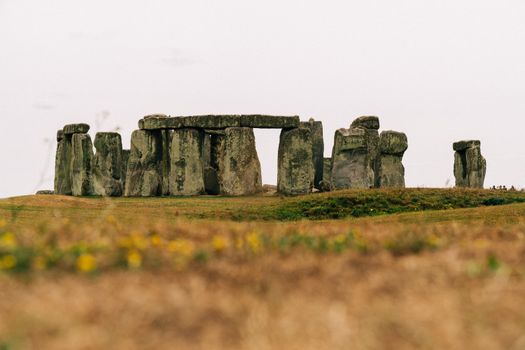
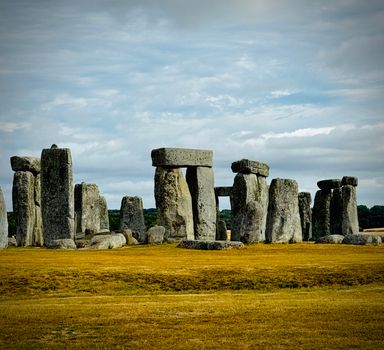
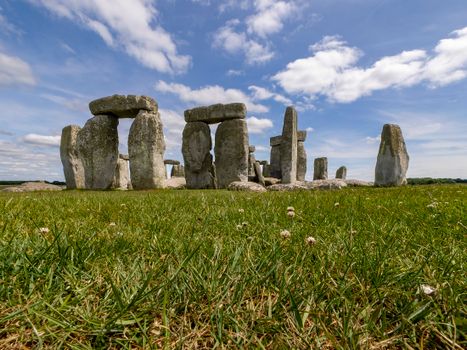
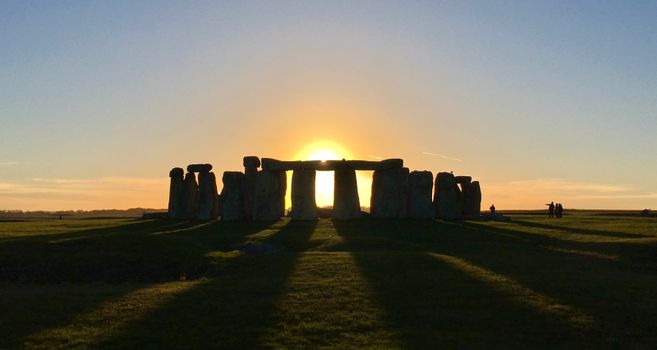
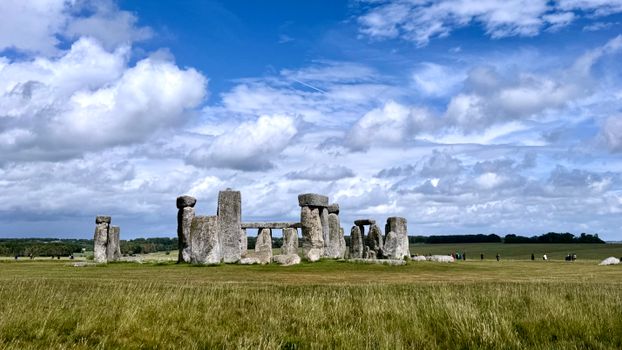
While Stonehenge and Newgrange draw thousands for the solstice, the Celtic fringes of Ireland and Scotland hold quieter, more intimate summer solstice traditions that often go unnoticed by the casual tourist. These are often rooted in local folklore, community gatherings, and a deep connection to the ancient land.
Ireland – Lá Fhéile Eoin (St. John's Day): Bonfires in the Gaeltacht In some rural parts of Ireland, particularly in the Gaeltacht (Irish-speaking) regions, the tradition of lighting bonfires on St. John's Eve (June 23rd) persists. These aren't the massive, organized events you might find elsewhere, but smaller, community-led fires in fields or on hillsides, often accompanied by storytelling, music, and local food.
- My Experience: I spent a solstice evening in a tiny village in County Galway, deep in the Connemara Gaeltacht. The weather was typically Irish – a soft drizzle followed by bursts of sunshine. As dusk approached, a small group of villagers gathered around a modest bonfire in a field overlooking the Atlantic. An elderly man played a tin whistle, children chased each other, and stories (some in Irish, some in English) were exchanged. There was a palpable sense of resilience and continuity, a quiet defiance against the modern world. It felt like a secret kept alive by the wind and the sea.
- Practical Tips:
- When to Go: June 23rd (St. John's Eve).
- Where to Go: Focus on the Gaeltacht regions – parts of Galway, Kerry, Donegal. Ask locals in pubs or guesthouses if any "bonfire nights" are planned.
- Accommodation: B&Bs and guesthouses are plentiful and charming, typically €50-€90 per night.
- Respect: These are deeply local events. Be discreet, observe respectfully, and if you are invited to join, do so humbly.
Scotland – Midsummer on the Isles: Neolithic Echoes and Local Gatherings While Scotland has a rich history of celebrating the solstices, many of the ancient traditions are now observed in smaller, more intimate ways on the islands or in remote Highland communities. Think local ceilidhs (social gatherings with music and dance), storytelling by firelight, or quiet vigils at ancient standing stones.
- My Experience: On a solo trip to the Outer Hebrides, I found myself on the Isle of Lewis for the solstice. There wasn't a grand festival, but a local storyteller had organized an informal gathering at a small, lesser-known stone circle not far from the famous Callanish Stones. We watched the sunset paint the sky in hues of purple and orange, listened to ancient tales of the land, and shared drams of whisky. It was a minimalist, yet incredibly powerful, way to mark the longest day – a reminder that true magic doesn't need fireworks, just presence.
- Practical Tips:
- When to Go: Around June 21st.
- Where to Go: The Outer Hebrides, Orkney, or remote parts of the Highlands. Look for local community halls advertising ceilidhs or informal gatherings.
- Finding Events: This requires genuine local inquiry. Engage with B&B hosts, pub owners, or community centers.
- Weather: Be prepared for all four seasons in one day! Layers, waterproofs, and sturdy shoes are essential.
- Cost: Events are often free or a small contribution. Accommodation can vary widely, from €60 for B&Bs to €150+ for more upscale options.
Your Solstice Expedition: Practical Tips for the Uncharted Path
Embarking on a quest for authentic solstice celebrations requires a different approach than booking a package tour. Here's how to ensure your journey is enriching and respectful:
- Do Your Research (Locally): Forget mainstream travel sites. Dive into local tourism board websites (often in the local language, so have Google Translate ready!), community forums, or even Facebook groups for specific regions. The best information often comes from word-of-mouth once you're on the ground.
- Go with an Open Mind & Heart: These aren't polished performances for tourists. Be prepared for rustic conditions, language barriers, and traditions that might seem unfamiliar. Embrace the unexpected.
- Respect Local Customs: This is paramount. Always ask permission before taking photos, especially of people. Dress modestly if unsure. If you don't understand a ritual, observe quietly. Your presence is a privilege, not a right.
- Support Local Economies: Stay in locally owned guesthouses, eat at family-run tavernas, and buy crafts from local artisans. Your impact will be positive and direct.
- Book Accommodation Early: Even if the events aren't mainstream, popular rural guesthouses and farm stays can book up quickly, especially around national holidays.
- Learn Basic Phrases: Even "hello," "please," and "thank you" in the local language can open doors and show respect.
- Pack Smart: Layers are key for varying temperatures. Sturdy walking shoes are a must. A good camera, a journal, and an open heart are your best companions. Bug spray can be a lifesaver in rural areas during summer.
- Be Flexible: Plans might change. Local events can be informal. Go with the flow and enjoy the journey.
- Consider Sustainable Travel: Minimize your environmental footprint. Use public transport where possible, respect nature, and leave no trace.
- Disconnect: Resist the urge to constantly scroll or post. Be present. Absorb the atmosphere, engage with people, and let the magic unfold around you. Your Instagram feed can wait.
The summer solstice is a potent time of year, a moment to celebrate light, life, and the turning of the seasons. By seeking out these lesser-known celebrations, you're not just taking a trip; you're embarking on a journey into the heart of human tradition, connecting with ancient rhythms that resonate deep within us all.
So, ditch the predictable. This summer, dare to venture off the well-trodden path. Discover the sun's magic in a place where it still truly shines – authentic, vibrant, and waiting for you.
Have you stumbled upon a hidden solstice gem? Share your stories and tips in the comments below! Let's keep the spirit of authentic travel alive and inspire each other to explore the world's truly magical corners.
---