Secret Solstice: Uncover Hidden Celebrations Beyond the Gram
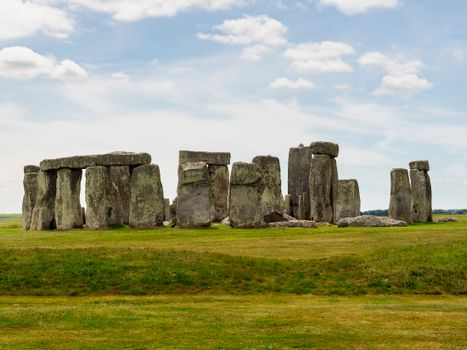
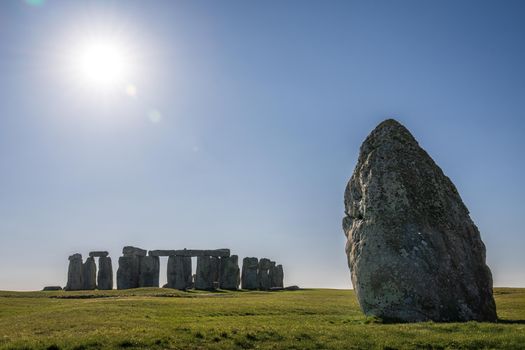
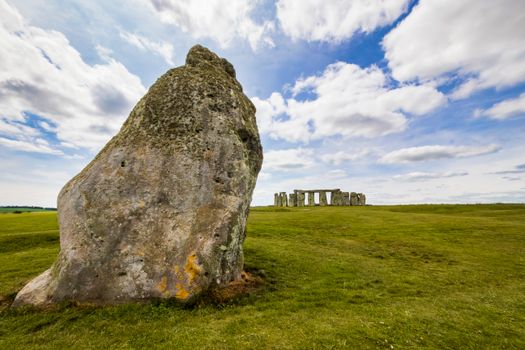
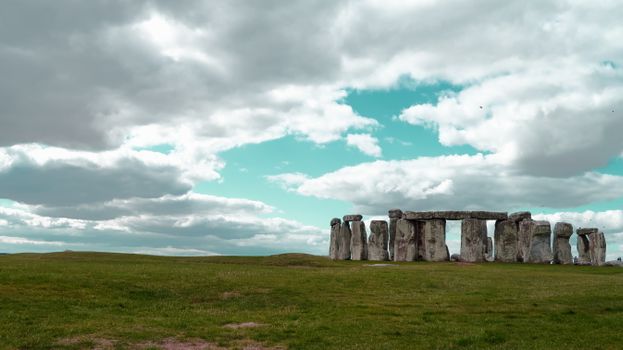
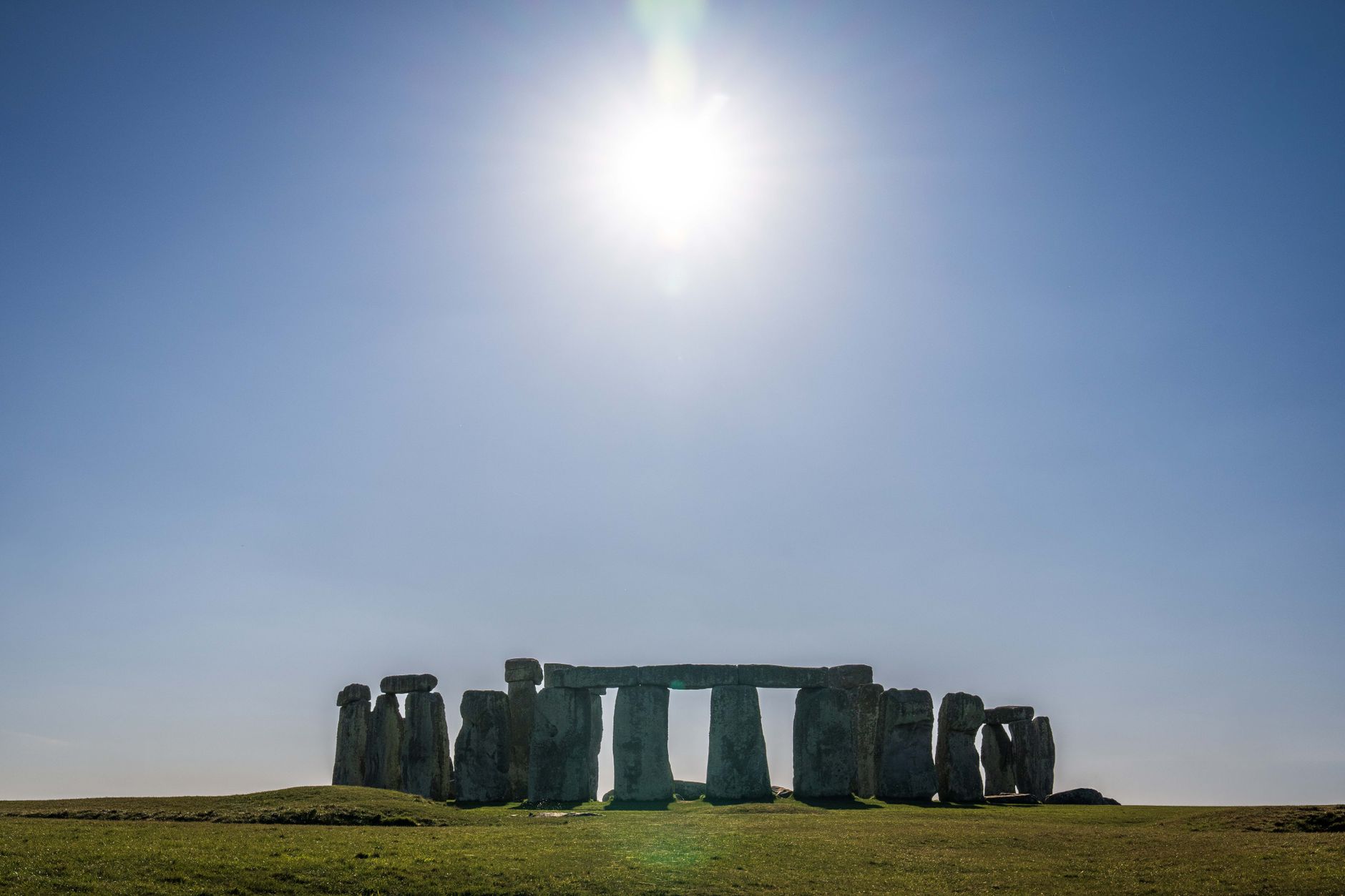
Let's be honest, we've all been there. Scrolling through our feeds, seeing the same perfect shots of flower crowns, golden hour bonfires, and aesthetically pleasing picnics during the summer solstice. Sweden's Midsummer, Stonehenge at dawn – they’re beautiful, no doubt. But after a while, don't you start to wonder if there’s more to the longest day of the year than just the picture-perfect moments curated for the 'gram?
I certainly did. A few years ago, I found myself in a bustling square in a well-known European city, trying to catch a glimpse of their "traditional" solstice celebration. It was lovely, but felt… manufactured. There were more people trying to get the perfect selfie than actually engaging with the tradition. I left feeling a little hollow, wondering if I'd missed the real magic. That's when I decided: no more. I wanted to chase the authentic, the vibrant, the truly local. I wanted the summer solstice experiences that Instagram influencers, with their brand deals and curated aesthetics, either don't know about or simply can't capture in a single, perfect shot.
And guess what? They exist. All over the world, communities are still honoring the sun's peak with ancient rituals, joyous feasts, and traditions passed down through generations. These aren't just photo opportunities; they're heart-swelling, soul-stirring moments of connection to history, nature, and fellow humans.
So, put down your phone (or at least, use it to bookmark this article, not just scroll!), and let's embark on a journey to uncover the summer solstice celebrations that truly matter. These are the experiences waiting for you, far from the influencer-saturated hotspots, promising genuine memories and stories you'll tell for a lifetime.
The Nordic Soul Awakens: Beyond Sweden’s Midsummer Hype
Yes, Sweden's Midsummer is iconic, and for good reason. But if you’re seeking a similar vibe with fewer crowds and an even deeper sense of local tradition, cast your gaze further east and north. The Baltic States and Finland offer equally enchanting, yet often overlooked, solstice celebrations.
Finland's Juhannus: Lake Cabins, Saunas, and Midnight Sun Magic
Forget the crowded city parks; in Finland, Juhannus (Midsummer's Eve) is a time to escape to the serene embrace of nature. Most Finns retreat to their summer cottages, often nestled by one of the country's 188,000 lakes. This isn't about public spectacle; it's about intimate gatherings with family and friends.
My Experience: I once rented a small cabin near Kuopio in the Finnish Lakeland for Juhannus. There were no grand parades, no organized festivals. Instead, it was a symphony of quiet traditions: heating up the smoke sauna until the air was thick with birch and steam, taking exhilarating dips in the cool lake under the perpetual daylight, grilling makkara (sausages) over an open fire, and lighting a small, personal bonfire on the shore. The highlight was watching the sun dip towards the horizon, only to rise again moments later, painting the sky in an ethereal glow that lasted for hours. The air was filled with the scent of birch branches used to gently beat oneself in the sauna, the distant sound of a neighbor's boat, and the profound silence of the vast wilderness. It felt like a secret kept by the trees and the water.
Practical Tips for Your Juhannus:
- Where to Go: The Lakeland region (e.g., Kuopio, Savonlinna, Jyväskylä) or the archipelago coast.
- Accommodation: Book a lakeside cottage or cabin well in advance. Websites like Lomarengas.fi are great resources. Expect to pay €100-€300 per night depending on size and amenities. Many are self-catering.
- What to Do: Embrace the sauna culture (learn proper etiquette!), grill food, go boating or swimming, and simply relax in nature. Look for smaller, local bonfires (kokko) in villages, but respect private property.
- Cost: While cabin rental can be an investment, the activities themselves are largely free. Groceries are your main expense.
- Getting There: Rent a car for flexibility, or use trains/buses to larger towns and then local taxis or pre-arranged transport to your cabin.
Estonia's Jaanipäev & Latvia's Līgo: Bonfires, Folk Songs, and Flower Crowns
Just across the Gulf of Finland, Estonia celebrates Jaanipäev, and its southern neighbor Latvia celebrates Līgo (or Jāņi). Both are deeply rooted in ancient pagan traditions, celebrating fertility, light, and nature with incredible enthusiasm.
My Experience: In a small Latvian village near Sigulda, I stumbled upon a Līgo celebration that felt like stepping back in time. Women wore intricate flower crowns (vainags), men adorned themselves with oak leaves, and everyone sang traditional folk songs (dziesmas) around a towering bonfire. The air crackled with energy as couples jumped over the flames – a purification ritual for good luck. I learned to weave my own flower crown, shared homemade cheese and beer, and danced until the sun was high in the sky again. It wasn't about being seen; it was about being part of something ancient and vibrant.
Practical Tips for Jaanipäev/Līgo:
- Where to Go: Rural areas are best for authentic experiences. In Estonia, consider Saaremaa island or the Setomaa region. In Latvia, look towards Gauja National Park or smaller towns like Cēsis or Kuldīga.
- Accommodation: Guesthouses (lauku mājas in Latvia, külalistemaja in Estonia) or farm stays offer a local touch, often around €50-€100 per night.
- What to Do: Participate in wreath-making workshops (often offered by local guesthouses), join the singing and dancing, and witness (or carefully participate in!) the bonfire jumping. Seek out local markets for traditional foods.
- Cost: Very affordable, especially if you stay outside major cities.
- Getting There: Public buses connect major towns, but a rental car gives you access to the most authentic rural celebrations. Ask your guesthouse host for local event recommendations.
Celtic Whispers: Ireland & Scotland’s Ancient Rites
Move away from the bustling tourist trails of Dublin and Edinburgh, and you'll find the Celtic lands still hum with the echoes of ancient midsummer traditions. While not as overtly festive as some European celebrations, the summer solstice here is about reverence for the land, ancient sites, and the enduring power of nature.
Ireland's Hill of Tara & Knowth: Quiet Contemplation at Dawn
Ireland's summer solstice celebrations are more about quiet pilgrimage and connection to ancient history than raucous parties. Sites like the Hill of Tara (ancient seat of the High Kings) and the megalithic passage tombs of Knowth and Newgrange become focal points.
My Experience: I spent a solstice dawn at the Hill of Tara in County Meath. There were no official events, no crowds of influencers posing. Instead, a small, diverse group of locals, spiritual seekers, and quiet travelers gathered. We watched in hushed reverence as the sun kissed the ancient landscape, illuminating the mounds and earthworks. The air was cool, the grass dewy, and the silence profound, broken only by birdsong. It wasn't about fireworks; it was about feeling the millennia of history beneath my feet and the raw power of the sun. While Newgrange's winter solstice alignment is famous, its summer counterpart is a more subtle, equally moving experience.
Practical Tips for Irish Solstice:
- Where to Go: Hill of Tara (County Meath), Knowth (part of Brú na Bóinne UNESCO site, book tours in advance). Less accessible, but equally powerful, are sites like Loughcrew.
- Accommodation: Stay in charming B&Bs in nearby towns like Navan or Slane (expect €70-€120/night).
- What to Do: Arrive early for sunrise (check local sunrise times), bring a flask of tea, and simply be. Respect the sacred nature of these sites. Look for smaller, community-organized events in rural areas, often advertised locally.
- Cost: Minimal, mostly transport and accommodation.
- Getting There: A rental car is essential for exploring these ancient sites independently.
Scotland's Callanish Stones: Mystical Gatherings in the Outer Hebrides
Far-flung and breathtakingly beautiful, the Outer Hebrides offer a summer solstice experience unlike any other. The Callanish Stones on the Isle of Lewis are a magnificent, mysterious neolithic complex that draws quiet observers during the longest day.
My Experience: Reaching Callanish felt like a pilgrimage. On the solstice, there wasn't a formal event, but a palpable sense of anticipation among the few dozen people gathered. The sun, even at its highest point, cast long shadows among the ancient stones, giving them an almost sentient presence. I spoke with a local who told me stories passed down through generations about the stones' power. It wasn't about a party; it was about connection to the land, the ancestors, and the enduring mystery of the universe. The wind whipped around us, carrying the scent of peat and sea, and for a moment, the modern world felt a million miles away.
Practical Tips for Scottish Solstice:
- Where to Go: Callanish Stones, Isle of Lewis, Outer Hebrides.
- Accommodation: Guesthouses and B&Bs on Lewis are charming but book up quickly. Expect €80-€150/night. Consider Stornoway for more options.
- What to Do: Walk among the stones, contemplate their purpose, and soak in the incredible atmosphere. Pack layers, as the Hebrides weather is famously unpredictable.
- Cost: Ferry to the Outer Hebrides is the main cost, plus accommodation.
- Getting There: Fly or take a ferry from Ullapool to Stornoway (Lewis). A rental car is highly recommended for exploring the island.
Slavic Sun Worship: Poland & Ukraine's Kupala Night
Eastern Europe offers some of the most vibrant and visually stunning solstice celebrations, deeply rooted in pre-Christian Slavic traditions. Ivan Kupala Night (Noc Kupały in Poland, Ivana Kupala in Ukraine) is a riot of fire, water, and ancient rituals.
Poland's Noc Kupały: Wreaths, Bonfires, and Fortune-Telling
Noc Kupały is a celebration of fertility, love, and purification. It’s a night where the veil between worlds is thin, and magic is said to be potent.
My Experience: I found myself in a small village outside Kraków, drawn by the promise of a local Kupala festival. As dusk fell, women, young and old, wove intricate flower wreaths, some adorned with candles. Then, with a mixture of solemnity and excitement, they launched their wreaths into the river, watching as they floated downstream – a divination ritual for love and marriage. Later, we gathered around a massive bonfire, leaping over the flames for purification and good luck. The air was thick with smoke, laughter, and the scent of wildflowers. It was wild, primal, and utterly exhilarating. No staged moments, just pure, unadulterated joy and tradition.
Practical Tips for Noc Kupały:
- Where to Go: Rural areas and smaller towns are best. Look for local events near Kraków, Warsaw, or along the Vistula River. The Ethnographic Museum in Kraków sometimes hosts events.
- Accommodation: Local guesthouses or agritourism farms (agroturystyka) are your best bet, often around €30-€70 per night.
- What to Do: Participate in wreath-making (ask locals!), watch the wreath floating, and if you're brave, jump the bonfires (with caution!). Enjoy traditional food and drink.
- Cost: Very budget-friendly, especially outside major cities.
- Getting There: Public transport (buses, local trains) to smaller towns, then ask for directions to local celebrations. Learning a few basic Polish phrases will go a long way.
Andean Ascensions: Inti Raymi's Authentic Roots (Peru/Bolivia)
While Cusco's Inti Raymi festival is a major tourist draw, offering a grand spectacle of the Inca sun god celebration, its sheer scale often means it's less about intimate cultural immersion and more about viewing a performance. For a more authentic, community-focused experience, you need to look beyond the main event.
Peru & Bolivia: Smaller Community Inti Raymi Celebrations
Indigenous communities throughout the Andes still celebrate Inti Raymi (Quechua for "Sun Festival") with profound spiritual significance, often in a way that feels deeply personal and untouched by mass tourism.
My Experience: After experiencing the grandeur of Cusco's Inti Raymi, I ventured into the Sacred Valley, specifically to a small Quechua village near Pisac. Here, the Inti Raymi celebration was on a much smaller scale, but infinitely more powerful. Elders led ceremonies, offering prayers and coca leaves to Pachamama (Mother Earth) and Inti (the Sun God). There were traditional dances, but they weren't performed for an audience; they were an act of devotion. I was offered chicha (fermented corn beer) and shared a meal with a local family, feeling a profound sense of privilege to witness such a sacred, heartfelt tradition. It was a reminder that true cultural exchange happens when you step away from the designated tourist zones.
Practical Tips for Authentic Inti Raymi:
- Where to Go: Seek out smaller communities in the Sacred Valley (Peru) or around Lake Titicaca (Bolivia/Peru). Research local events in towns like Ollantaytambo, Pisac, or Copacabana. You might need to ask locals for specific dates and times, as these aren't always widely advertised.
- Accommodation: Stay in local guesthouses (hospedajes) or family-run lodges, often €20-€50 per night. Inquire about homestays for an even deeper immersion.
- What to Do: Engage respectfully. Ask permission before taking photos. Consider hiring a local, indigenous guide who can facilitate authentic interactions and explain the cultural significance. Bring offerings like coca leaves (available in local markets) as a sign of respect if you wish to participate in a small way.
- Cost: Very affordable, especially outside Cusco.
- Getting There: Buses are common and cheap. For remote villages, you might need a colectivo (shared taxi) or a private taxi. Be prepared for high altitudes!
Mediterranean Mysticism: Portugal & Spain's São João/San Juan
The Mediterranean coastline truly comes alive during the summer solstice, known as São João in Portugal and San Juan in Spain. These celebrations are fiery, boisterous, and deeply rooted in purification and renewal.
Portugal's São João in Porto: Sardines, Basil, and Plastic Hammers
While Lisbon has its own vibrant festivities, Porto's Festa de São João is legendary for its unique blend of religious tradition and playful paganism.
My Experience: Porto's São João completely blew me away. The city transforms into an open-air party. Instead of flower crowns, people carry plastic hammers (martelinhos) and playfully bop strangers on the head for good luck. The smell of grilled sardines (sardinhas assadas) fills the air, mingling with the sweet scent of basil plants (manjericos) exchanged as gifts. Bonfires are lit in every neighborhood, and people jump over them. I spent hours wandering through the narrow, decorated streets, eating sardines, drinking local wine, and getting bopped on the head by laughing strangers. It culminates in a spectacular fireworks display over the Douro River. It's chaotic, joyful, and utterly unforgettable – a true street party where everyone is family for the night.
Practical Tips for São João:
- Where to Go: Porto is the epicenter, but smaller coastal towns also have their own charm.
- Accommodation: Book well in advance! Hotels and guesthouses in Porto range from €80-€200+ per night. Consider staying slightly outside the city center and using public transport.
- What to Do: Eat sardines, buy a basil plant, get a plastic hammer and join the fun! Watch the fireworks, listen to Fado music, and soak in the electric atmosphere.
- Cost: Food and drink are relatively affordable.
- Getting There: Porto is well-connected by train and plane. Public transport within the city is excellent, but expect delays and crowds on São João night.
Spain's Hogueras de San Juan in Alicante: Art, Fire, and Beach Parties
Spain’s San Juan celebrations vary by region, but Alicante’s Hogueras de San Juan (Bonfires of Saint John) are a standout, combining art, satire, and massive bonfires.
My Experience: Alicante's San Juan is more than just a bonfire; it's a spectacle of art and fire. For days leading up to the 23rd, giant, elaborate satirical effigies (hogueras) are erected throughout the city. On the night itself, these incredible sculptures are set ablaze in a breathtaking display known as "La Cremà." I watched from a safe distance as a multi-story effigy burned, the heat intense, the crowds cheering. Afterwards, thousands flocked to Postiguet Beach, where smaller bonfires dotted the sand, and people jumped over waves at midnight for purification. It's a blend of artistic expression and ancient ritual, a truly unique way to celebrate the solstice.
Practical Tips for San Juan in Alicante:
- Where to Go: Alicante is the main hub for "La Cremà." Other coastal towns like Valencia and Barcelona also have beach bonfires and parties.
- Accommodation: Book months in advance, as hotels fill up fast. Prices can be higher, €100-€300+.
- What to Do: Wander the streets to admire the hogueras before they burn. Find a good spot for La Cremà (arrive early!). Head to the beach for midnight rituals.
- Cost: Moderate to high, especially for accommodation during peak season.
- Getting There: Alicante has an international airport and is well-connected by train.
The Arctic's Endless Day: Midnight Sun in Norway/Canada
While not a "celebration" in the traditional sense, experiencing the summer solstice in the Arctic regions means embracing the surreal phenomenon of the Midnight Sun. It's a profound, almost spiritual, connection to the sun's unending presence.
Norway's North Cape & Svalbard: Hiking, Kayaking, and Perpetual Daylight
Imagine hiking at 2 AM with the sun still high in the sky, or kayaking through serene fjords in what feels like late afternoon, but is actually the middle of the night.
My Experience: My trip to Tromsø and then further north to the North Cape in Norway for the solstice was less about specific events and more about the sheer wonder of 24-hour daylight. It messes with your internal clock in the most delightful way. I hiked up mountains at 1 AM, the views just as vibrant as midday. I sat by the window in my guesthouse at midnight, reading a book without needing a light, watching boats glide by. The energy it gives you is incredible, but also requires discipline to force yourself to sleep! It’s a celebration of nature's extremes, a reminder of the planet's tilt and the incredible diversity of experiences it offers.
Practical Tips for Midnight Sun:
- Where to Go: Tromsø, Lofoten Islands, North Cape (Norway), Svalbard (Norway), Yukon (Canada), Alaska (USA).
- Accommodation: Varies widely, from budget hostels to luxury hotels. Expect €80-€250+ depending on location and type.
- What to Do: Hiking, kayaking, fishing, wildlife spotting (puffins, whales), simply enjoying the extended daylight. Take a boat trip to see the sun from the water.
- Cost: Generally higher, especially in Norway and Svalbard, but the experience is priceless.
- Getting There: Flights to major Arctic hubs (e.g., Tromsø, Longyearbyen). Rental cars are recommended for exploring.
- Pro-Tip: Bring a good eye mask and blackout curtains if your accommodation doesn't have them!
Your Authentic Solstice Adventure Awaits
The beauty of these lesser-known solstice celebrations isn't just their lack of crowds or their "Instagrammable" potential (though they are undeniably stunning). It's the profound sense of authenticity, the deep connection to cultural heritage, and the genuine warmth of the communities that welcome you. These are the moments that truly enrich your travel soul, offering stories that go far beyond a perfectly filtered square.
So, this year, instead of following the well-trodden influencer path, dare to venture off it. Seek out the hidden bonfires, the quiet rituals, the local feasts. Talk to the people, listen to their stories, and let yourself be immersed. You’ll discover that the longest day of the year holds far more magic than any curated feed could ever show you.
Which secret solstice celebration will you uncover first?
---