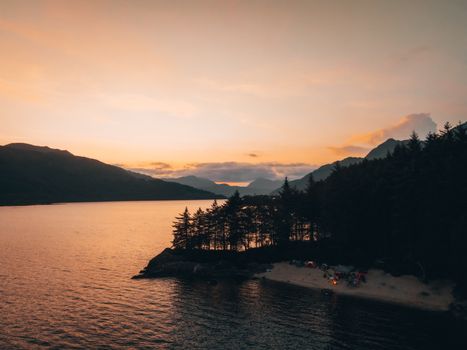
The air was thick with the scent of pine and wild herbs, the sky a canvas of perpetual twilight that refused to fully surrender to night. I was deep in the Finnish archipelago, a place so remote my phone had given up hours ago, and the only sound was the gentle lapping of water against a wooden jetty. It was Midsommar Eve, and I wasn't at a bustling city celebration or a crowded open-air museum. I was on a tiny island, invited by a new friend's grandmother, learning to weave a flower crown from wildflowers I'd picked myself.
This wasn't in any guidebook. There were no tour buses, no selfie sticks, just a handful of families, a crackling bonfire, and the kind of quiet, profound magic that only happens when you truly step off the beaten path. This, my friends, is the essence of what I'm about to share with you: the secret summer solstice celebrations that locals don't necessarily want tourists to know about. Not out of malice, but out of a deep-seated desire to preserve the authenticity, intimacy, and sacredness of traditions passed down through generations.
You see, the summer solstice, the longest day of the year, isn't just an astronomical event. Across cultures, it's a potent moment of renewal, fertility, and light. While many popular festivals have become global spectacles, the true heart of these ancient rituals often beats in hidden hamlets, remote glens, and quiet communities. If you're a traveler seeking genuine cultural immersion, a connection to something ancient and profound, and an experience that transcends the ordinary, then this is your guide. But a word of caution: these aren't "destinations" to conquer, but invitations to respectfully observe and, if fortunate, participate.
Why Locals Guard Their Solstice Secrets (And How to Earn a Glimpse)
Why the secrecy? Imagine your most cherished family tradition suddenly overrun by thousands of strangers, turning a sacred ritual into a photo opportunity. That's why. Many of these solstice celebrations are deeply personal, rooted in specific community histories, pagan beliefs, or agricultural cycles. They’re not designed for mass tourism. When you seek out these hidden gems, you're not just a tourist; you're a guest in someone's living history.
To truly experience these:
- Go Local: Connect with locals before you arrive. Stay in small guesthouses, use local guides (not big tour operators), or leverage platforms like Couchsurfing or trusted travel communities to build genuine connections.
- Learn the Language (Even a Little): A few phrases in the local language go a long way in showing respect and opening doors.
- Research & Respect: Understand the cultural significance of what you're witnessing. Ask permission before taking photos, dress appropriately, and observe more than you participate, unless explicitly invited.
- Be Patient & Flexible: These aren't ticketed events. They happen organically. You might not find them on your first try, or the experience might be different than expected. Embrace the serendipity.
- Give Back: Support local businesses, share your appreciation, and leave no trace.
Now, let's unlock some of these whispered secrets.
1. The Nordic Whisper: Beyond Midsommar's Crowds in the Åland Islands (Finland)
Everyone knows about Swedish Midsommar, but few venture beyond the mainland. Tucked between Sweden and Finland, the Åland Islands offer a Midsommar experience steeped in maritime tradition and quiet community. My friend, Elina, who I met volunteering at a hostel in Helsinki, first told me about her family's annual pilgrimage. Instead of the grand, public maypole dances you'd find in Stockholm, imagine a small, hand-decorated maypole raised by a few families on a tiny, uninhabited skerry (rocky island).
The Experience: I remember rowing out with Elina's uncle, the sun still high at 10 PM, carrying freshly picked birch leaves and wildflowers. We helped raise a small, unadorned maypole, singing old Finnish and Swedish folk songs. Later, we shared a simple meal of new potatoes, pickled herring, and fresh strawberries, followed by a sauna and a cold dip in the Baltic. The bonfire was smaller, more intimate, a beacon against the endless twilight. It felt less like a celebration and more like a sacred family reunion with nature.
How to Find It: This isn't something you can book. You need to connect with locals. Spend time in smaller Ålandic towns like Mariehamn (the capital) or Eckerö in the days leading up to Midsommar. Ask at local cafes or guesthouses if there are any community events. Better yet, if you can make a local friend, you might just get an invitation. Many smaller island communities, like those around Föglö or Kökar, have their own unique, low-key traditions.
Practical Tips:
- Getting There: Ferries from Stockholm (Sweden) or Turku/Helsinki (Finland) to Mariehamn. Rent a bike or car to explore the smaller islands.
- Accommodation: Small guesthouses or cottage rentals (mökkis) are prevalent. Book well in advance for Midsommar. Expect prices around €80-€150/night for a basic cottage.
- Cost: The celebration itself is free, but you'll need to cover travel, accommodation, and food. Bring a small gift (like a bottle of wine or local delicacies) if invited to a private gathering.
2. Celtic Fire & Stone: Ancient Rites in the Remote Glens of Scotland
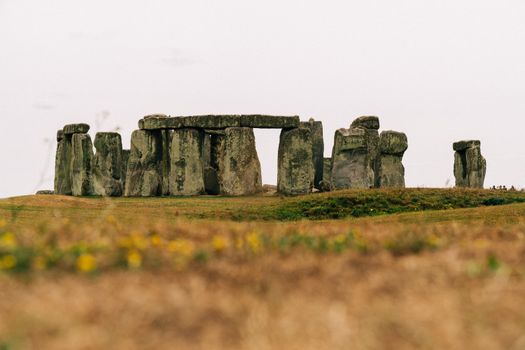
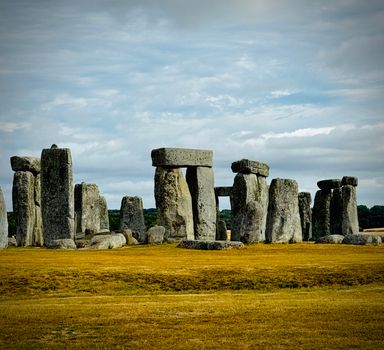
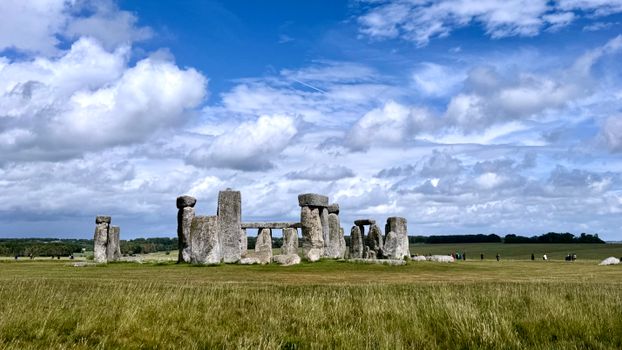
Stonehenge gets all the solstice glory, but the ancient Celtic lands are dotted with thousands of lesser-known standing stones and circles, many of which still hold quiet significance for local communities. I once followed a lead from an old crofter in the Scottish Highlands, who spoke of "the bonfires of St. John" in a way that hinted at something far older than Christianity.
The Experience: My search led me to a small community near Callanish on the Isle of Lewis (though not at the main Callanish Stones, which can get busy). Instead, it was a smaller, more remote stone circle, almost forgotten by time. As dusk deepened, a handful of locals, some descendants of the Picts, gathered. There was no fanfare, just a solemn lighting of a small bonfire, the smoke curling around the ancient stones. Someone played a haunting tune on a tin whistle, and stories were quietly shared in Gaelic. It felt like stepping back a thousand years, witnessing a continuity of belief that tourism had yet to touch. The air was cool, the silence profound, broken only by the crackle of the fire and the whisper of the wind through the heather.
How to Find It: This requires serious dedication and respect. Head to the Outer Hebrides or the more remote parts of the Scottish Highlands (e.g., Assynt or Knoydart). Visit local pubs or community centers in the week leading up to the solstice (June 21st). Express a genuine interest in local history and traditions. Don't ask directly about "secret rituals," but rather about "local customs for the longest day." Look for smaller, less-advertised stone circles like Clach an Truishal on Lewis or Achavanich in Caithness, and see if there are any local gatherings.
Practical Tips:
- Getting There: Fly to Stornoway (Lewis) or Inverness (Highlands) and rent a car. Be prepared for single-track roads.
- Accommodation: B&Bs or small hotels in local villages. Expect prices from £70-£120/night. Wild camping is possible but research local regulations.
- Cost: These are typically free, communal gatherings. Be prepared for unpredictable weather (bring layers!). A flask of whisky to share might be a welcome gesture if you connect with locals.
3. Eastern European Enchantment: Kupala Night's Mystical Veil in the Polish Countryside
While some cities in Poland celebrate Noc Kupały (Kupala Night), the real magic happens in the rural villages, where ancient Slavic pagan traditions are still vividly alive. I spent a solstice near Kazimierz Dolny, a picturesque town on the Vistula, but then ventured further into the surrounding countryside, guided by a young farmer I met at a market.
The Experience: It was a full-blown pagan festival, but for locals only. Girls in traditional white dresses wove intricate wreaths of wildflowers and herbs, attaching candles before floating them down the river – a divination ritual for finding a husband. Boys would then try to retrieve them. Later, bonfires were lit, and young couples, hand-in-hand, would jump over the flames, a test of their love and a cleansing ritual. The air buzzed with laughter, traditional music played on accordions and violins, and the smell of woodsmoke and freshly cut grass filled the humid night. I was invited to help weave a wreath and even, with much trepidation, jump a small fire myself. It was exhilarating, a true immersion into a vibrant, living tradition.
How to Find It: Focus on the less-touristed regions of Poland, like the Lublin Voivodeship or the Podlasie region (especially near the Białowieża Forest). Seek out small villages rather than large towns. Visit local ethnographic museums or cultural centers in the weeks leading up to June 23rd/24th (St. John's Eve, when Kupala Night is often celebrated). Ask about local folk traditions. Engaging with local farmers or artisans at markets is an excellent way to get a pulse on community events.
Practical Tips:
- Getting There: Public transport (buses, trains) connect larger towns, but a rental car is best for reaching remote villages.
- Accommodation: Agroturystyka (farm stays) are perfect for genuine local interaction, usually €30-€60/night.
- Cost: Free to participate. Bring a bottle of local nalewka (fruit liqueur) or a traditional snack to share if you're lucky enough to be invited to a private gathering.
4. Andean Awakening: Inti Raymi's Ancestral Echoes in Patacancha (Peru)
Inti Raymi in Cusco is a grand spectacle, but it's also a highly choreographed performance for tourists. The true, deeply spiritual celebrations of the sun god, Inti, happen in smaller, indigenous communities high in the Andes. My journey to Patacancha, a remote Quechua village near Ollantaytambo, was a revelation. I went with a small, ethical tour operator focused on community tourism, which served as my bridge.
The Experience: Instead of a massive stage, we gathered in a small, open plaza, surrounded by traditional stone houses and the breathtaking peaks of the Andes. Elders, dressed in vibrant traditional attire, performed ancient rituals, offering coca leaves, chicha (corn beer), and other sacred items to Pachamama (Mother Earth) and Inti. There was no audience; we were simply present, respectfully observing. The air was thin, the silence profound, punctuated only by the rhythmic chanting and the gentle rustle of offerings. Later, we shared a simple, communal meal of potatoes, quinoa, and alpaca stew cooked in a pachamanca (earth oven). It was a powerful, humbling experience, connecting me to a lineage of belief stretching back millennia.
How to Find It: This is where an ethical, locally-run tour operator is invaluable. Look for those specializing in "community tourism" or "experiential travel" in the Sacred Valley. They have established relationships with villages like Patacancha, Willoc, or others further off the beaten path. These communities often invite small groups as part of sustainable tourism initiatives. Avoid large, mainstream tour companies.
Practical Tips:
- Getting There: Fly to Cusco, then take a collectivo (shared van) or taxi to Ollantaytambo. From there, your community tour operator will arrange transport.
- Accommodation: Often basic homestays within the village, part of the community tourism package. Expect around $50-$100/day, including food and activities, with a portion going directly to the community.
- Cost: The cost helps sustain the community and their traditions. Bring small, respectful gifts like school supplies or basic medicines if appropriate (check with your tour operator first). Be prepared for altitude sickness.
5. Mediterranean Mystique: Saint John's Eve's Coastal Charms in the Algarve's Inland Villages (Portugal)
While cities like Porto and Lisbon explode with São João festivities, the true, ancient magic of Saint John's Eve (June 23rd) in Portugal often lies in the lesser-known, inland villages of the Algarve or Alentejo. Forget the beach parties; think herbal wisdom and quiet divination. I spent a solstice near Silves, a historic town, but then ventured into the hills with a local artisan I'd befriended.
The Experience: I met an elderly woman, Dona Maria, who taught me about the "Ervas de São João" – the specific medicinal and magical herbs to be gathered on this night. We walked through fields just before sunset, collecting rosemary, fern, St. John's wort, and verbena. She explained how to prepare the "água de cheiro" (scented water) by steeping these herbs overnight, which is then used for luck, health, and warding off evil. Later, a small group gathered in a village square. There were small bonfires, not for jumping, but for burning old woes and making wishes. Traditional fado music was sung, but softly, intimately. It was a quieter, more reflective celebration than the boisterous city ones, steeped in folk wisdom and community spirit.
How to Find It: Focus on the inland parts of the Algarve, away from the coast, or the rural Alentejo region. Visit local markets in towns like Loulé or Tavira in the days leading up to São João. Look for stalls selling fresh herbs and ask about local traditions. Staying in a turismo rural (rural tourism guesthouse) or a small, family-run B&B is your best bet for connecting with locals who might share these insights.
Practical Tips:
- Getting There: Fly to Faro, rent a car, and explore the interior.
- Accommodation: Rural guesthouses or small hotels. Expect €60-€100/night.
- Cost: Mostly free to observe. Consider buying local crafts or produce to support the community. Learning a few Portuguese phrases will be very helpful.
6. Balkan Bonfires: Midsummer's Eve in the Rhodope Mountains (Bulgaria)
Bulgaria's "Enyovden" (St. John's Day, June 24th) is a time for healing herbs and ancient rituals. While some towns have public events, the most authentic experiences are found deep in the Rhodope Mountains, where folklore and pagan beliefs are woven into daily life. I stumbled upon one such celebration while hiking near the village of Shiroka Laka, famous for its folk music.
The Experience: I was invited by a shepherd family to their remote homestead. The focus was on the Enyovden wreath – a large, intricate wreath woven from 77 and a half different herbs, believed to hold immense healing power if gathered at dawn on Enyovden. We woke before sunrise to collect dew, which was said to have magical properties. As the sun rose, we helped weave the wreath. Later, a small bonfire was lit, and children, then adults, would pass through the smoke for health and purification. The day culminated in a feast of roasted lamb and homemade rakia (fruit brandy), accompanied by traditional Bagpipe music. It was a celebration of nature, community, and ancient wisdom that felt incredibly pure and untouched.
How to Find It: Head to the Rhodope Mountains, particularly around towns like Smolyan, Chepelare, or the more remote villages. Stay in guesthouses or family-run hotels. Engage with local guides or even just friendly villagers. Express interest in local customs and traditions. The key is to be open, friendly, and respectful. Often, these events are not advertised and are word-of-mouth.
Practical Tips:
- Getting There: Fly to Plovdiv, then rent a car or take a bus to the Rhodopes. Roads can be winding.
- Accommodation: Family guesthouses or small hotels. Expect €30-€70/night.
- Cost: Free. Bring a small gift (e.g., coffee, sweets) if invited to someone's home. Be prepared for robust hospitality!
The Longest Day Awaits: Your Path to Authentic Solstice Magic
The summer solstice is more than just a date on the calendar; it's a potent reminder of our connection to nature's cycles and the enduring power of human tradition. While the well-trodden paths offer their own charm, the true magic often lies in the whispered secrets, the unadvertised gatherings, and the profound experiences shared with those who live and breathe these ancient ways.
Seeking out these hidden celebrations isn't just about finding a unique travel experience; it's about becoming a more conscious, respectful, and deeply immersed traveler. It's about earning your place at the bonfire, not buying a ticket. It's about understanding that some things are too sacred to be commodified, and that the greatest treasures are often found when you truly listen, observe, and connect.
So, this summer, dare to go beyond the guidebooks. Dare to seek out the quiet magic. Dare to experience the longest day as locals have for centuries. The secrets are out there, waiting for the respectful and curious traveler.
Have you ever stumbled upon a hidden local celebration? Share your stories and tips in the comments below! And if this guide has inspired your next adventure, don't forget to share it with your fellow wanderlusters!
---