Chasing the Sun: 7 Unforgettable Summer Solstice Celebrations Around the World
I remember my first time truly feeling the summer solstice. It wasn't a grand festival, just a quiet evening on a beach in California, watching the sun dip below the horizon impossibly late, painting the sky in hues of fire and rose. There was a palpable energy in the air, a sense of culmination and renewal. It was then I realized that this wasn't just another day; it was a moment, deeply ingrained in human history, when we collectively acknowledge the sun's power, the turning of the seasons, and the sheer joy of light.
That quiet evening sparked a wanderlust in me, a desire to experience how others around the world celebrate this pivotal celestial event. And let me tell you, what I’ve found is nothing short of magical. From ancient stone circles to modern music festivals, the summer solstice is a testament to our enduring connection with nature, a primal urge to celebrate life, light, and community.
At Tripsora, we believe travel should be transformative, and experiencing a summer solstice celebration is exactly that. It's not just sightseeing; it's participating in living history, dancing under the midnight sun, and feeling the pulse of a culture at its most vibrant. So, if you're ready to add some truly extraordinary experiences to your travel bucket list, grab your passport (and maybe a flower crown!), because here are 7 summer solstice celebrations you absolutely need to experience before you die.
1. Sweden: Midsommar – The Quintessential Nordic Dream
If there's one summer solstice celebration that has captured the world's imagination, it's Midsommar in Sweden. Forget the horror movie; this is a joyous, flower-filled, herring-and-schnapps-fueled party that defines the Swedish summer.
My Midsommar Moment: My first Midsommar was in a small village in Dalarna, the heartland of Swedish folk culture. I arrived feeling a bit like an outsider, but within minutes, I was being handed a handmade flower crown, taught the steps to "Små Grodorna" (the small frogs dance) around the towering maypole, and offered a shot of snaps. The sun felt like it would never set, casting an eternal golden hour glow over families picnicking, children laughing, and adults singing traditional songs with gusto. It wasn't just a party; it was a profound sense of community, of welcoming, of pure, unadulterated joy. The air hummed with happiness, and the long twilight felt like a dream you never wanted to wake from.
What to Expect: Midsommar (Midsummer's Eve, usually the Friday between June 19-25) is a public holiday. Swedes flock to the countryside to celebrate with family and friends. The centerpiece is the maypole (midsommarstång), adorned with leaves and flowers, around which people dance to folk music. Flower crowns are essential, as are traditional foods like pickled herring, new potatoes, sour cream, chives, and strawberries, all washed down with copious amounts of schnapps and beer. Expect singing, dancing, games, and a general atmosphere of lighthearted revelry.
Practical Tips:
- Book Early: Accommodation in popular rural areas (like Dalarna, especially around Lake Siljan in towns like Rättvik or Leksand) sells out months in advance.
- Embrace the Local: Don't be shy! Swedes are generally welcoming. Learn a few phrases, accept invitations, and jump into the dancing.
- Dress Code: Casual, comfortable, and bring layers. A beautiful flower crown is your best accessory!
- Cost: Generally free to participate in public celebrations. Food and drink costs depend on your choices. Expect to pay 100-200 SEK for a good meal at a restaurant, or save by picnicking.
- Getting There: Public transport is good, but having a car offers more flexibility for exploring smaller villages.
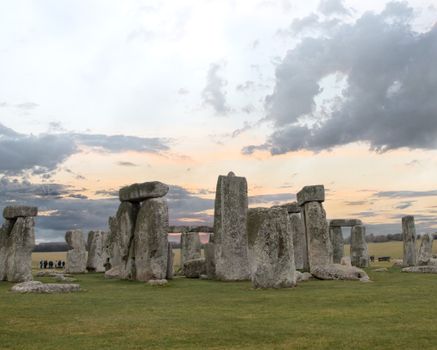
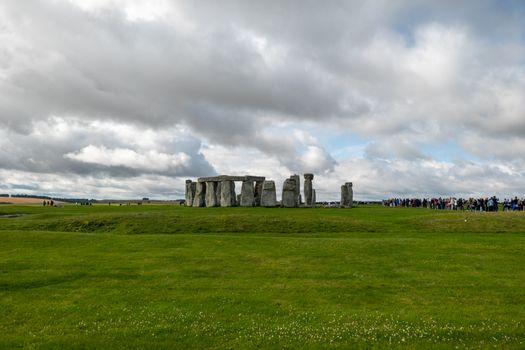
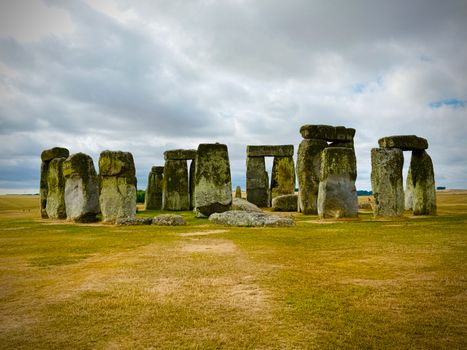
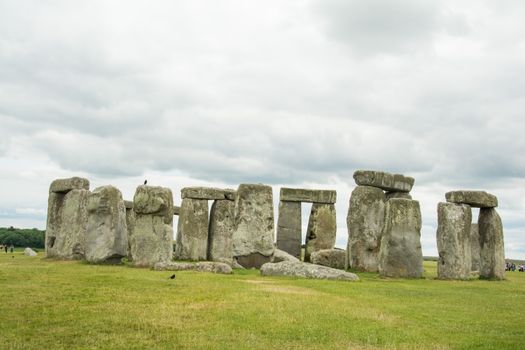
2. England: Stonehenge – Ancient Mysticism at Dawn
For millennia, humans have gathered at Stonehenge to witness the summer solstice. This prehistoric monument, precisely aligned with the sunrise on the longest day, offers a truly spiritual and awe-inspiring experience.
My Stonehenge Solstice: I arrived at Stonehenge in the pre-dawn darkness, joining thousands of others who had made the pilgrimage. The air was thick with anticipation, a mix of reverence and excitement. As the first sliver of orange light appeared on the horizon, slowly illuminating the ancient stones, a collective gasp rippled through the crowd. The sun rose directly over the Heel Stone, its rays piercing the heart of the monument. It was a moment of profound connection to our ancestors, a visceral understanding of their astronomical genius and their deep respect for the cosmos. People cheered, cried, meditated, and played quiet music. It was less a party and more a shared, sacred awakening.
What to Expect: English Heritage grants free access to Stonehenge for the summer solstice sunrise (June 21st). Thousands gather to watch the sun align with the stones. You'll find a diverse crowd: pagans, druids, families, tourists, and curious onlookers. The atmosphere is generally peaceful and celebratory, but it can get crowded.
Practical Tips:
- Arrive Very Early: Gates open around 7 PM on June 20th and close around 8 AM on June 21st. Many people arrive overnight to secure a spot. Traffic and parking can be a nightmare. Consider carpooling or using designated shuttle services from nearby towns like Salisbury.
- Dress Warmly: Even in June, the pre-dawn hours in Wiltshire can be chilly and damp. Layers are essential.
- Respect the Site: This is a sacred, ancient monument. Follow guidelines, don't climb on the stones, and leave no trace.
- Cost: Free entry on solstice. Transport costs will vary. Salisbury is a good base, with train connections from London (around £30-£50 return).
- Amenities: Limited facilities on site, so bring your own water, snacks, and any other essentials.
3. Peru: Inti Raymi – The Grand Inca Festival of the Sun
In the ancient Inca capital of Cusco, the summer solstice (which is winter solstice in the Southern Hemisphere, but culturally celebrated as the sun's return) is marked by Inti Raymi, the magnificent "Festival of the Sun." This vibrant reenactment of an ancient Inca ceremony is a spectacle of color, music, and history.
My Inti Raymi Immersion: The moment I stepped onto the streets of Cusco during Inti Raymi, I was swept into a whirlwind of sensory delights. The air vibrated with traditional music, the scent of incense, and the excited chatter of thousands. The highlight for me was witnessing the grand procession at Sacsayhuamán. The elaborate costumes, the intricate dances, the solemn "sacrifices" (symbolic, of course!) – it felt like stepping back in time. The sheer dedication to recreating the ritual, the reverence for Pachamama (Mother Earth) and Inti (the Sun God), was deeply moving. It wasn't just a show; it was a living prayer, a powerful connection to a civilization that understood the sun's vital importance.
What to Expect: Inti Raymi takes place on June 24th, coinciding with Cusco's anniversary. The main events unfold in three key locations: Qorikancha (the Sun Temple), Plaza de Armas, and the Sacsayhuamán fortress. Expect grand processions, traditional music and dances, and a dramatic reenactment of the Inca ceremonies, with the "Sapa Inca" (emperor) and his retinue offering thanks to the sun god.
Practical Tips:
- Book Well in Advance: Inti Raymi is hugely popular. Flights, accommodation, and especially tickets for the seated areas at Sacsayhuamán (which can cost $100-$200+) sell out months ahead. Many events in the Plaza de Armas are free but get incredibly crowded.
- Acclimatize: Cusco is at a high altitude (over 11,000 feet). Arrive a few days early to adjust, drink coca tea, and take it easy.
- Learn the History: Understanding the significance of the Inca Empire and their cosmology will greatly enhance your experience.
- Stay Hydrated & Sun Protected: The sun in Cusco is intense.
- Cost: Free to watch from the streets, but paid seating at Sacsayhuamán offers the best views. Factor in travel to Peru, which can be significant.
4. Iceland: Secret Solstice Festival – Music Under the Midnight Sun
If ancient rituals aren't quite your speed, how about dancing under 24 hours of daylight? Iceland's Secret Solstice Festival offers a unique blend of world-class music, stunning natural beauty, and the surreal experience of the midnight sun.
My Midnight Sun Rave: Picture this: it's 3 AM, and the sun is still high in the sky, casting a soft, golden glow over the volcanic landscape. I was at the Secret Solstice Festival in Reykjavik, surrounded by fellow music lovers, dancing to an incredible DJ set. My internal clock was utterly confused, but my spirit was soaring. We even took a side trip to an "Into the Glacier" party, raving inside a literal ice tunnel. The feeling of endless daylight, the raw power of Iceland's nature, and the pulsating beats created an atmosphere I've never encountered anywhere else. It was a truly trippy, exhilarating, and unforgettable way to celebrate the longest day.
What to Expect: This multi-genre music festival typically runs over the summer solstice weekend in Reykjavik. It features international and local artists across various stages, but what truly sets it apart are the unique "side events" – parties held inside a glacier, a lava tube, or even a geothermal pool. The constant daylight means you can party non-stop without ever seeing darkness.
Practical Tips:
- Pack Layers & Waterproofs: Iceland's weather is famously unpredictable. Be prepared for sun, wind, rain, and cool temperatures, sometimes all in one day.
- Budget Accordingly: Iceland is expensive. Factor in festival tickets (typically 20,000-30,000 ISK for a multi-day pass, special events extra), food, drink, and accommodation.
- Book Accommodation Early: Hotels and guesthouses in Reykjavik fill up fast.
- Embrace the Light: Bring an eye mask for sleeping if you're sensitive to light, but otherwise, surrender to the eternal day!
- Cost: Festival tickets are a significant expense. Flights to Iceland can be reasonable from Europe/North America, but once there, everything adds up.
5. Arctic Circle: Midnight Sun Games in Fairbanks, Alaska, USA
For a truly unique "longest day" experience, head north – way north – to the Arctic Circle, where the summer solstice means continuous daylight for weeks. Fairbanks, Alaska, celebrates this phenomenon with the legendary Midnight Sun Game.
My Arctic Solstice Adventure: I flew into Fairbanks, eager to experience the famed 24-hour daylight. The most surreal moment was attending the Midnight Sun Game, a baseball match that starts at 10 PM on June 21st and plays through the "night" without artificial lights. Watching two teams battle it out under a sun that simply refused to set, illuminating the field as if it were midday, was mind-bending. Afterwards, I hiked a local trail at 1 AM, the scenery bathed in an ethereal, golden glow. It wasn't about grand festivals, but about the sheer novelty and beauty of endless light, and the resilience and unique culture of those who call this extreme environment home.
What to Expect: In Fairbanks, Alaska, the sun doesn't set for weeks around the solstice. The most famous celebration is the Midnight Sun Game, an annual baseball game played by the Fairbanks Goldpanners that begins at 10 PM on June 21st and continues past midnight, entirely under natural daylight. Beyond the game, you'll find other community events, hiking, fishing, and simply enjoying the novelty of perpetual daylight.
Practical Tips:
- Blackout Curtains: Essential for getting any sleep! Most hotels in Fairbanks will have them.
- Bug Spray: Mosquitoes can be prolific in Alaska during summer.
- Book Game Tickets Early: The Midnight Sun Game is a local institution and sells out.
- Explore: Take advantage of the endless daylight for hiking, fishing, or exploring Denali National Park (a few hours drive south).
- Cost: Game tickets are typically $10-$20. Flights to Fairbanks can be expensive, but once there, many activities are free or low cost.
6. Austria: Midsummer Bonfires in the Alps – Fiery Spectacles
Imagine the majestic Austrian Alps, their peaks silhouetted against a twilight sky, suddenly erupting with thousands of bonfires. This ancient tradition, particularly vibrant in the Tyrol region, is a breathtaking tribute to the summer solstice.
My Alpine Fire Night: I found myself in a small Tyrolean village, nestled beneath towering peaks. As dusk approached on the eve of the solstice, local families began lighting bonfires on the surrounding mountainsides. What started as a few scattered flames soon became a mesmerizing chain of fire, illuminating the vast, dark landscape. Legend has it that these fires ward off evil spirits and ensure a good harvest. Standing there, feeling the crisp mountain air, watching the fiery artwork unfold against the backdrop of the Alps, I felt a deep connection to ancient pagan rites and the enduring human spirit. It was a quiet, profound celebration, steeped in tradition and breathtaking beauty.
What to Expect: Known as Sonnwendfeuer (solstice fires), these celebrations usually occur on the Saturday closest to June 21st. The Wilder Kaiser region and areas around Seefeld are particularly famous. Local communities light elaborate bonfires on mountain slopes, often forming symbols or figures. It's a stunning visual spectacle, often accompanied by traditional music, food, and drink in the villages below.
Practical Tips:
- Check Local Listings: Dates and specific locations vary each year. Consult local tourism boards (e.g., Wilder Kaiser, Innsbruck Tourism) for schedules.
- Dress Warmly: Mountain evenings can get cold, even in summer.
- Hiking Shoes: Many viewing spots require a short hike.
- Combine with a Trip: The Alps are stunning in summer; combine the solstice fires with hiking, cycling, or exploring charming Austrian towns.
- Cost: Free to observe. Travel to the Alps and accommodation will be your main costs. A cable car ride might be needed for certain viewing points (around €20-€30 return).
7. Latvia: Jāņi (Līgo) – Seeking the Fern Flower in the Baltics
Similar to Sweden's Midsommar, the Baltic states (especially Latvia and Estonia) celebrate summer solstice with Jāņi (or Līgo in Latvian), a deeply rooted pagan festival filled with flower crowns, bonfires, singing, and a quest for the mythical fern flower.
My Baltic Solstice Song: My Jāņi experience in Latvia was a whirlwind of green and gold. I was taught to weave a crown of wildflowers and oak leaves, which everyone wore. As evening fell, we gathered around a huge bonfire, singing traditional Jāņi songs that seemed to carry the ancient wisdom of the land. Later, I joined friends in the forest, searching for the legendary fern flower – said to bloom only on Jāņi night and bring great fortune. Though we didn't find it, the camaraderie, the stories, and the sense of magic in the air were treasures enough. The night was long, filled with laughter, beer, and a powerful sense of connection to nature and heritage.
What to Expect: Jāņi (June 23-24) is one of Latvia's most important holidays. People decorate their homes with birch, oak, and linden branches, and wear flower crowns. Bonfires are lit, often with people jumping over them for good luck. Traditional songs (Līgo dziesmas) are sung throughout the night, and a special cheese (Jāņu siers) and beer are consumed. The night is spent outdoors, with many people searching for the mythical fern flower in the forests, believed to bloom only once on this magical night.
Practical Tips:
- Embrace the Folk Traditions: Participate in crown weaving, singing, and bonfire jumping (carefully!). It's a truly immersive cultural experience.
- Head to the Countryside: While cities like Riga have celebrations, the most authentic experience is in rural areas or smaller towns.
- Prepare for a Long Night: The celebrations typically last until sunrise.
- Designated Driver: If driving to rural areas, ensure you have a sober driver.
- Cost: Generally free public celebrations. Local food and drink are affordable. Flights to Riga are often quite reasonable from Europe.
Ready to Chase the Sun? Your Solstice Adventure Awaits!
The summer solstice is more than just the longest day; it's a vibrant thread connecting us to ancient rhythms, a global tapestry of light, life, and celebration. Each of these festivals offers a unique window into a culture's soul, a chance to witness history, spirituality, and pure joy unfold under the sun's benevolent gaze.
From the flower-strewn fields of Sweden to the ancient stones of England, the fiery peaks of the Alps to the endless daylight of the Arctic, these are not just trips; they are profound, unforgettable experiences that will stay with you long after the sun finally sets (or doesn't!).
So, which solstice adventure will you embark on first? Don't just dream about it – start planning! The magic of the longest day is calling, and Tripsora is here to help you make those once-in-a-lifetime memories.
Which of these solstice celebrations is calling your name? Share your thoughts in the comments below, and don't forget to share this post with your fellow wanderlusters! Let's inspire each other to chase the sun!
---