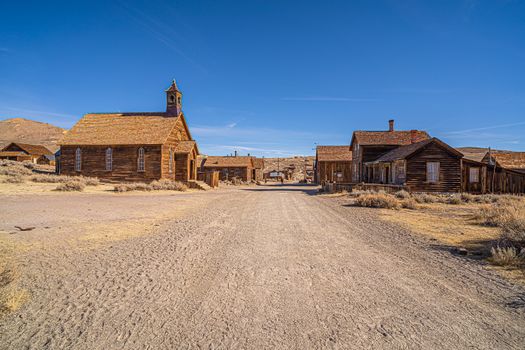
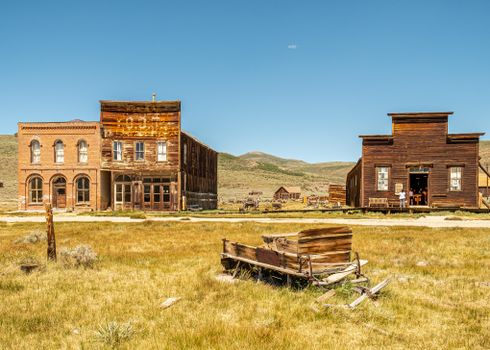
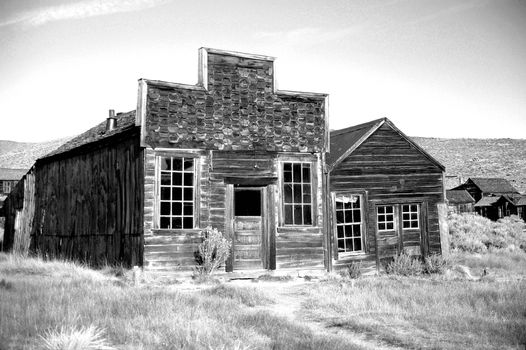
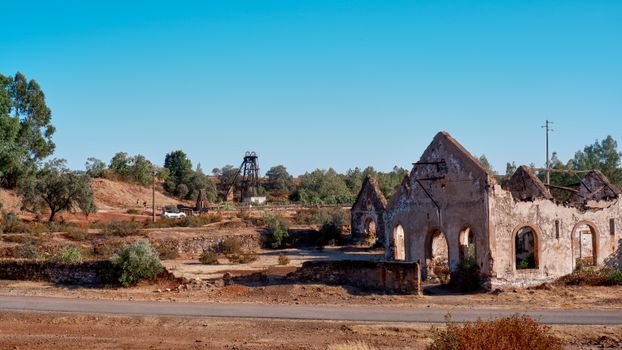
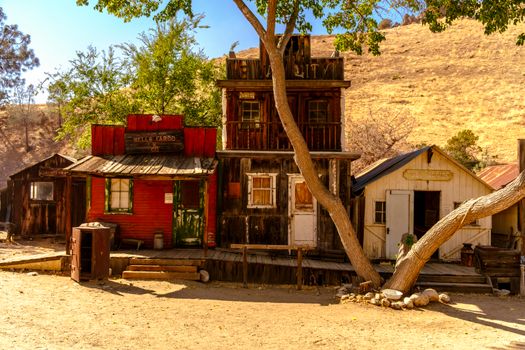
The wind whispered secrets through crumbling walls, carrying the scent of salt and forgotten lives. Dust motes danced in the slivers of sunlight piercing boarded-up windows, illuminating a child’s forgotten doll in the corner of a sand-filled house. I stood in Kolmanskop, Namibia, a ghost town swallowed by the desert, and felt an electrifying thrill – the kind you only get when you’ve stumbled upon something truly extraordinary, something that feels like yours before the world catches on.
That moment ignited a passion in me: to seek out abandoned places that, through careful preservation and thoughtful transformation, have become legitimate, awe-inspiring tourist attractions. Not the illegal, dangerous urbex spots, but places where history is respected, safety is paramount, and the sheer wonder of decay is celebrated. These aren't your typical landmarks; they're the whispers of the past, offering a profound connection to history that mainstream sites often can't replicate. And the best part? You can visit them now, before the Instagram hordes descend and the magic of discovery starts to fade.
Welcome, fellow adventurers, to Tripsora’s guide to exploring the world’s most captivating abandoned places before they become mainstream. Get ready to bookmark, share, and pack your bags.
The Allure of the Forgotten: Why These Places Call to Our Souls
There's a primal fascination with abandonment. Perhaps it's the mystery of what once was, the silent stories etched into decaying structures. It’s a tangible link to a past that often feels distant, a poignant reminder of human impermanence and nature’s relentless reclamation. For me, it’s the quiet reverence, the feeling of being a temporary custodian of history, a privileged witness to a moment frozen in time.
But why "before mainstream"? Because there’s an authentic beauty in experiencing these sites with fewer crowds. Your photographs capture the raw essence, not a sea of selfie sticks. You can hear the wind, feel the silence, and truly immerse yourself in the atmosphere without distraction. It’s about being a pioneer, an explorer, soaking in the genuine spirit of a place before commercialization sands down its rough, intriguing edges. It’s about discovery, not just visitation.
My Top Picks: Hidden Gems You Need to Visit NOW
I’ve scoured maps, chased whispers, and journeyed to some of the planet’s most intriguing forgotten corners. Here are a few of my absolute favorites, places that have successfully transitioned from forgotten ruins to captivating, accessible attractions, still retaining their unique, off-the-beaten-path charm.
1. Kolmanskop, Namibia: Where the Desert Swallows a Diamond Dream
- Location: Near Lüderitz, Namibia
- What it is: A former diamond mining town, once a bustling German settlement, now largely abandoned and slowly being reclaimed by the Namib Desert.
- Why it's special: Imagine houses half-filled with sand, their elegant architecture slowly succumbing to the elements. It's an eerie, beautiful, and profoundly photogenic testament to human ambition and nature's power. Each room tells a silent story.
- My Experience: Stepping into Kolmanskop felt like entering a dreamscape. The absolute silence, broken only by the crunch of sand under my boots, was profound. I remember pushing open a door to find a staircase completely buried in a dune, leading nowhere but the sky. The light in the morning is magical, painting long shadows and highlighting the textures of decay. It’s a place that stays with you.
- Practical Details:
- Access: Open daily, typically from 9 AM to 1 PM. You need a permit, which includes a guided tour.
- Cost: Approximately N$300 (about $16 USD) for entry and tour. Check current rates before you go.
- Getting There: Best reached by car from Lüderitz (about 10 km).
- Tips: Go early for the best light and fewer people. Wear sturdy closed-toe shoes to keep sand out. Bring plenty of water and a wide-angle lens for your camera!
2. Hashima Island (Gunkanjima), Japan: The Battleship Island's Ghostly Silhouette
- Location: Off the coast of Nagasaki, Japan
- What it is: A former coal mining island, once the most densely populated place on Earth, abandoned in 1974. Its striking silhouette earned it the nickname "Battleship Island."
- Why it's special: A UNESCO World Heritage site, Hashima is a stark, concrete jungle swallowed by the sea. It's a powerful symbol of Japan's rapid industrialization and subsequent decline. The buildings stand like silent sentinels, testament to a bygone era.
- My Experience: Approaching Hashima by boat, the island loomed like something out of a post-apocalyptic movie. The sheer scale of the concrete structures, crumbling yet defiant against the waves, was breathtaking. Walking the designated path, hearing the guide recount tales of its vibrant past, contrasted sharply with the eerie silence of its present. It’s a deeply moving, almost cinematic experience.
- Practical Details:
- Access: Only accessible via licensed boat tours from Nagasaki. Tours are highly weather-dependent (rough seas mean cancellations).
- Cost: Tours typically range from ¥4,500-6,000 (about $30-40 USD). Book well in advance, especially during peak season.
- Getting There: Multiple operators depart from Nagasaki port. Yamasa Shipping and Gunkanjima Concierge are popular choices.
- Tips: Bring a telephoto lens for detailed shots from the boat and the viewing platform. Listen intently to your guide; the history is complex and fascinating. Wear layers as it can be windy.
3. Craco, Italy: The Hilltop Ghost Town of Basilicata
- Location: Basilicata region, Southern Italy
- What it is: A medieval hill town, abandoned due to a series of landslides and poor agricultural conditions in the 20th century.
- Why it's special: Perched dramatically on a craggy hill, Craco is a stunning example of a ghost town that has captured the imagination of filmmakers and travelers alike. Its ancient stones and panoramic views offer a unique glimpse into a vanished way of life.
- My Experience: Driving through the rolling hills of Basilicata towards Craco felt like entering a movie set. The town, clinging precariously to the cliff, was an unforgettable sight. I joined a small guided group, navigating narrow, ancient streets where time seemed to have stopped. The silence, broken only by the guide’s voice and the wind, was palpable. Standing in the piazza, imagining the bustling life that once filled it, was incredibly poignant.
- Practical Details:
- Access: Guided tours are mandatory for safety due to the unstable nature of the site. Tours operate daily, but it's best to book ahead.
- Cost: Approximately €10-15 per person for the guided tour.
- Getting There: Best reached by car. It's a beautiful drive through the Basilicata countryside.
- Tips: Wear comfortable walking shoes. The views are incredible at sunset. Combine your visit with other charming towns in Basilicata.
4. Prora, Rügen, Germany: A Colossus of Concrete and History
- Location: Island of Rügen, Germany
- What it is: A massive, 4.5 km long resort complex built by the Nazis between 1936 and 1939 as part of their "Strength Through Joy" program. Never completed or used for its original purpose, parts remain abandoned, while others have been repurposed.
- Why it's special: Prora is an architectural behemoth, a chilling monument to totalitarian ambition. Its sheer scale is overwhelming, offering a unique blend of abandoned concrete structures and newly renovated sections, creating a fascinating dialogue between past and present.
- My Experience: The first time I saw Prora, I was simply stunned by its immense size. It stretched along the coast, an endless line of identical buildings. Walking through the still-abandoned sections, the concrete felt cold and heavy, echoing a dark history. Yet, seeing the vibrant hostels and museums now occupying other blocks created a powerful sense of transformation and reflection. It’s a place that makes you think deeply about history, memory, and resilience.
- Practical Details:
- Access: The exterior is freely accessible. Parts of the complex house museums (like the Documentation Centre Prora, approx. €8 entry), hotels, and youth hostels.
- Cost: Free to explore the exterior; specific attractions within have their own fees.
- Getting There: Easily accessible by car or local bus from Binz or Sassnitz on Rügen Island.
- Tips: Rent a bike to explore the full length of the complex. Visit the Documentation Centre for historical context. It's a great spot for dramatic, minimalist photography.
5. Oradour-sur-Glane, France: A Village Frozen in Time
- Location: Near Limoges, Nouvelle-Aquitaine, France
- What it is: A village preserved exactly as it was after the massacre of its inhabitants by the Waffen-SS on June 10, 1944.
- Why it's special: This is not an abandoned place in the conventional sense, but a martyred village deliberately left as a stark, open-air memorial. It’s a profoundly moving and chilling experience, a silent scream against the horrors of war.
- My Experience: Visiting Oradour-sur-Glane was one of the most powerful and somber travel experiences I've ever had. The silence within the ruined village was absolute, broken only by the rustling of leaves. Seeing the rusted car, the sewing machine in a burned-out shop, the school where children were murdered – it wasn't just history, it was a palpable presence. It’s not just an abandoned place; it's a sacred space of remembrance that demands respect and reflection.
- Practical Details:
- Access: Free entry to the ruined village. The Centre de la Mémoire (museum) is adjacent and has an entry fee.
- Cost: Village is free; Centre de la Mémoire approx. €7.
- Getting There: Easily accessible by car from Limoges. There are also bus services.
- Tips: Allow ample time for reflection. Read up on the history beforehand. This is a place for quiet contemplation, not casual tourism.
Navigating the Ruins: Practical Tips for Responsible Exploration
Exploring these unique sites requires a different mindset than visiting a bustling city square. Here’s how to make your trip safe, respectful, and unforgettable:
- Safety First, Always:
- Check Official Access: Only visit places legally open to the public. Trespassing is dangerous and disrespectful.
- Watch Your Step: Floors can be uneven, debris can be sharp, and structures may be unstable. Sturdy, closed-toe shoes with good grip are essential.
- Dress Appropriately: Long sleeves and pants can protect against scrapes, insect bites, and sun exposure.
- Stay Aware: Look out for loose wires, falling objects, or unstable ground. A flashlight is invaluable, even during the day, for dark corners.
- Travel with a Buddy: Especially in remote locations, never explore alone.
- Inform Someone: Let someone know your itinerary and expected return time.
- Respect the Site and Its History:
- Leave No Trace: This is paramount. Do not take anything (not even a pebble!), do not leave anything behind. These sites are historical artifacts.
- Don't Disturb: Avoid moving objects, climbing on unstable structures, or touching delicate surfaces.
- Follow Rules: Adhere to all posted signs, ropes, or guidance from staff/guides.
- Be Quiet: Absorb the atmosphere. Loud talking or music disrupts the solemnity of many sites.
- Support Local Efforts: If there’s an entry fee or a local guide, your contribution helps with preservation and local communities.
- Research is Your Best Friend:
- History & Context: Understand the story of the place before you go. It enriches the experience immensely.
- Current Status: Is it fully abandoned, partially repurposed, or a dedicated memorial? This affects how you approach it.
- Permits & Tours: Many sites, like Hashima and Craco, require or strongly recommend guided tours for safety and historical insights. Book these in advance.
- Weather & Seasons: Extreme weather can make some sites inaccessible or dangerous. Off-season often means fewer crowds.
- Photography & Social Media:
- Be Mindful: While these places are incredibly photogenic, remember the historical context. Avoid overly frivolous or disrespectful poses.
- Best Light: Golden hour (early morning/late afternoon) often provides the most dramatic and evocative lighting.
- Drone Rules: Check local regulations carefully. Drones are often prohibited or require special permits at historical sites.
- Share Responsibly: When posting, include historical context and encourage responsible visitation. Use relevant hashtags like #AbandonedPlaces #HiddenGems #SustainableTravel.
The Ethics of Urbex & Sustainable Tourism
It's crucial to distinguish between "urbex" (urban exploration, often involving trespassing into genuinely abandoned and potentially unsafe private property) and visiting officially sanctioned, preserved abandoned attractions. My focus, and Tripsora's ethos, is firmly on the latter.
When you visit places like Kolmanskop or Oradour-sur-Glane, you're not just a tourist; you're a patron of history. Your entry fees and support help fund conservation efforts, employ local guides, and ensure these fragile sites are preserved for future generations. This is sustainable tourism at its best – respecting the past, supporting the present, and safeguarding the future.
Beyond the Ruins: What to Expect and How to Prepare
Visiting abandoned places is an intensely emotional experience. You might feel awe, sadness, wonder, or even a profound sense of peace. Be open to these emotions.
- Packing List Essentials:
- Water & Snacks: Especially in remote or hot locations.
- First-Aid Kit: Small cuts and scrapes are common.
- Camera Gear: Extra batteries, memory cards, and a variety of lenses.
- Power Bank: For your phone and other devices.
- Offline Maps: Cell service can be spotty.
- Sun Protection: Hat, sunglasses, sunscreen.
- Layers: Temperatures can change quickly.
- Best Time to Visit:
- Off-Season: Generally fewer crowds, but check for potential closures or limited hours.
- Early Morning/Late Afternoon: Best for photography and often cooler temperatures.
- Accommodation: Research nearby towns for authentic local experiences. Often, smaller towns surrounding these sites offer charming guesthouses and local cuisine.
The Next Chapter of Your Adventure Awaits
The world is full of forgotten wonders, waiting to be rediscovered by curious, respectful travelers like you. These abandoned places, transformed into accessible attractions, offer more than just a photo opportunity; they offer a journey through time, a meditation on history, and a chance to connect with stories whispered by the wind through crumbling walls.
Don't wait until these hidden gems hit the mainstream. Plan your trip, embrace the unique, and become a part of their ongoing story.
Which abandoned place calls to your adventurous spirit? Have you discovered a hidden gem that deserves a spot on this list? Share your stories and tips in the comments below! And don't forget to pin this post for your next off-the-beaten-path adventure!