The Scent of Crushed Insects and Woodsmoke
I stepped into the sun-baked courtyard of Taller Lazo de Seda in Teotitlán del Valle, and the first thing that hit me was the sharp, metallic tang of fermented indigo mixing with the earthy scent of drying oak woodsmoke.
Master weaver Don Esteban sat on a low wooden bench, his thumb grinding a dried female cochineal insect against a marble mortar. He added three drops of lime juice. Instantly, the muted gray powder blossomed into a blinding, electric crimson.
"Twenty years ago, my sons wanted to move to Mexico City to sell cheap acrylic rugs," Esteban told me, wiping his crimson-stained palm on his heavy canvas apron. "Synthetic dyes were fast and cheap. But the river turned blue and red from the runoff, and our ancient dye recipes were vanishing. We decided to strip away the chemicals and go back four hundred years."
Esteban isn't alone. Across the globe, an urgent, grassroots movement is underway. Traditional craft revivals needing tourist support emerging this year are shifting from museum curiosities to living, breathing micro-economies. Synthetic mass production, economic downturns, and natural disasters pushed these heritage trades to the edge. Now, a new generation of master artisans is reclaiming their ancestral techniques—and they need conscious travelers to sustain their comeback.
---
1. Oaxaca, Mexico: Pre-Hispanic Cochineal & Wild Indigo Weaving
In the Central Valleys of Oaxaca, the Zapotec tradition of rug weaving faced an existential crisis when cheap chemical dyes overwhelmed the market in the late 20th century. Today, a revival centered in Teotitlán del Valle and Santo Tomás Jalieza is reversing the damage.
Young artisans are rediscovering complex dye formulas that rely entirely on natural elements:
- Cochineal: Parasitic scale insects harvested from nopal cacti for brilliant reds and purples.
- Wild Indigo (Xiquilite): Fermented leaves producing deep sky and navy blues.
- Pericón (Wild Tagetes): Golden yellow hues gathered from mountain flowers.
The Revival Effort
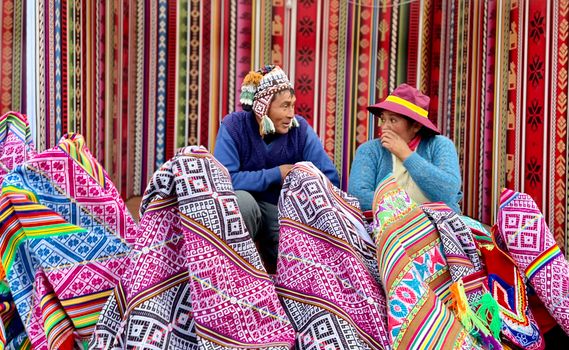
Artisans have formed sustainable cooperatives that offer hands-on workshops. Travelers do not just purchase a rug; they grind the bugs, adjust the water pH using wood ash, and handle the pedals of heavy wooden treadle looms.
> Pro-Tip: Skip the central Oaxaca City craft markets where mass-produced synthetic items dominate. Take a 30-minute colectivo taxi to Teotitlán del Valle. Look for workshops displaying the green Dinte Natural certificate. Visit Taller Lazo de Seda at 8:00 AM when master dyers prepare the morning dye vats.
---
2. Noto Peninsula & Kanazawa, Japan: Rebuilding the Urushi Lacquer Guilds
The devastating 7.6-magnitude earthquake that struck Japan’s Noto Peninsula in January 2024 demolished historic wooden workshops in Wajima—the spiritual home of Wajima-nuri (Urushi lacquerware). Rather than letting this 600-year-old art form perish under rubble, surviving masters teamed up with cultural preservationists in nearby Kanazawa to open temporary shared studios and collective workshops.
``` +-----------------------------------------------------------------------+ | WAJIMA-NURI PROCESS | | Sap Harvest -> Aged 3-5 Yrs -> Layering (Up to 124 steps) -> Polish | +-----------------------------------------------------------------------+ ```
Wajima-nuri is recognized globally for its durability, achieved by mixing raw lacquer sap from the Rhus verniciflua tree with jinoko (a fine powder made from pulverized volcanic diatomaceous earth).
How Tourists Can Help
Artisan collectives in Kanazawa now host immersive Kintsugi (gold-repair) and Urushi polishing masterclasses designed specifically to funnel direct financial relief to displaced Wajima craft families.
> Pro-Tip: Book a private session at the Kanazawa Craft Hive (located down the gravel alleyway behind the Utatsuyama Craft Workshop). Enter through the sliding cedar door with the brass kettle hanging above it. Ask for Sato-san, who translates the delicate sap-layering technique into English.
---
3. Viscri, Transylvania (Romania): Hand-Pressed Terracotta & Saxon Tiles
When industrial clay tiles flooded Eastern Europe following the fall of communism, the traditional hand-pressed terracotta roofs of Transylvania's UNESCO-protected Saxon villages began to disappear. The distinctive "scale-pattern" roofs were systematically replaced with corrugated metal.
The Transylvania Tile Revival Project, anchored in the village of Viscri, brought elderly tile-makers out of retirement to train a new generation of local youth.
``` /\ / \ Traditional Transylvanian Roofs: / \ - Clay sourced from local riverbeds /______\ - Hand-stamped with artisan family marks | __ __ | - Fired in historic wood-burning kilns ```
The Experience
Visitors can trek into the hills to see the historic wood-fired brick and tile kiln (Cărămidărie). You can roll up your sleeves, press native red clay into wooden molds, and even stamp your own signature mark into tiles destined to restore 18th-century fortified churches.
> Pro-Tip: Rent a vintage bike in Viscri and pedal 3 kilometers along the dirt track toward Bunești. The brick kiln operates best between May and October. Visit around 4:00 PM when the light hits the cooling kilns, and the potters break for cold sour-cherry soup and homemade bread.
---
4. Fez Medina, Morocco: Chiseling the Geometry of Zellij Tilework
In the labyrinthine alleyways of Fez el-Bali, the ancient art of Zellij—hand-chiseled terracotta tile mosaic—is fighting off cheap, machine-printed ceramic knockoffs. True Zellij requires master artisans (Maâlems) to hammer individually glazed clay tiles into precise geometric chips using a heavy, double-pointed iron hammer called a manqarch.
``` [ Glazed Clay Tile ] ===( Chiseled with Manqarch )===> [ Geometric Tesserae ] || [ Completed Mosaic Fountain ] <===( Assembled Face Down )=======++ ```
Why It Matters Now
A new school formed by local collectives is struggling to attract apprentices who can afford to spend ten years mastering the complex mathematical geometry required to assemble these mosaics face-down without seeing the pattern until it is lifted.
Participating in artisan-led studio visits directly subsidizes student stipends, keeping this spatial geometry discipline alive.
> Pro-Tip: The best workshops lie away from the main tourist artery of Place Seffarine. Navigate to the Derb el-Mitan district. Locate the unpainted wooden doorway marked only with a carved copper hand of Fatima. Head up the steep, narrow stone staircase to the third-floor open terrace where the master carvers work under shade sails.
---
5. Samugheo, Sardinia (Italy): The Revival of Pibiones Loom Weaving
In the mountainous interior of Sardinia, away from the glitzy emerald coast resort towns, lies Samugheo—the last stronghold of Pibiones weaving. This complex hand-loom technique creates relief patterns using tiny loops of raised wool or linen thread that resemble grape seeds (pibiones in Sardinian dialect).
``` Thread Loop (Pibione) | .-"-.-"-.-"-. <-- Raised texture on heavy hand-loom ~~~~~~~~~~~~~~~ <-- Base warp & weft weave ```
Historically carried out by women on massive, dark-oak manual looms, the practice hit near-extinction as younger generations migrated to continental Italy.
The Cultural Comeback
A collective of young Sardinian designers has returned home, restoring 100-year-old looms and launching residential workshops. Tourists can stay in converted stone cottages and learn the intricate rhythm of counting threads to create geometric motifs depicting peacocks, pomegranates, and life-trees.
> Pro-Tip: Visit the MURATS Museum in Samugheo first to understand the historical context, then head to Casa Lussu. Ask the weavers to demonstrate the a pibiones rod technique—it takes over three hours just to set up a single meter of pattern warp.
---
6. Srinagar, Kashmir: Decoding the Secret Script of Kani Shawls
High in the Kashmir Valley, the ancient craft of Kani shawl weaving uses tiny wooden needles called toji to weave intricate floral motifs into delicate pashmina wool. Unlike standard embroidery, the patterns on a Kani shawl are woven directly into the fabric using a coded color script known as Taleem.
``` [ Taleem Master Writes Code ] || \/ "4 red threads, 2 gold, 6 moss green..." || \/ [ Artisan Reads Script & Operates Toji Needles ] ```
A single Kani shawl can take two weavers up to three years to complete. The rise of machine-printed acrylic counterfeits almost decimated the industry, driving master weavers into daily wage labor.
The Emerging Movement
To save this craft, ethical heritage guilds in Srinagar have launched direct-to-artisan tourism routes. Visitors can sit side-by-side with master weavers in historic karkhanas (workshops), learn how to decipher the musical, shorthand notation of the Taleem script, and purchase authenticated pieces directly from the creators.
> Pro-Tip: Avoid the high-commission shops along the Boulevard Road on Dal Lake. Instead, take a shikara boat across to the old city's Zaina Kadal district. Seek out the historic brick karkhana behind the 15th-century Shah-e-Hamadan Shrine.
---
Logistics & Travel Blueprint
Planning a trip centered on traditional craft revivals requires precise timing and realistic budgeting. Unlike standard tourist sites, these working studios operate around seasonal rhythms, weather conditions, and raw material harvests.
| Destination | Craft Focus | Estimated Workshop Cost ($ USD) | Best Time to Visit | Transportation & Arrival Advice | | :--- | :--- | :--- | :--- | :--- | | Teotitlán del Valle, Mexico | Cochineal Natural Dyes & Weaving | $45 - $120 / day | Oct – March (Dry season for outdoor drying) | Board a local colectivo at Oaxaca City’s Estadio Eduardo Vasconcelos. 30-min drive ($2 USD). | | Kanazawa, Japan | Urushi Lacquer & Kintsugi Repair | $90 - $250 / session | Sept – Nov (Cooler weather, ideal for lacquer curing) | Hokuriku Shinkansen bullet train from Tokyo to Kanazawa (2.5 hrs). Local bus to Utatsuyama. | | Viscri, Romania | Hand-Pressed Terracotta Tiles | $30 - $80 / day | May – Oct (Kilns do not operate during freezing winter) | Rent a car from Brașov (1.5 hrs) via the E60 highway, exiting at Rupea toward Viscri. | | Fez Medina, Morocco | Zellij Chiseled Tile Mosaics | $50 - $150 / day | March – May & Sept – Nov (Moderate weather) | Fly into Fès–Saïss Airport. Hire an official guide from Bab Bou Jeloud (The Blue Gate). | | Samugheo, Sardinia | Pibiones Heavy Loom Weaving | $70 - $180 / day | April – June & Sept – Oct | Fly to Cagliari Elmas Airport. Rent a car and drive North on SS131 highway (1 hr 45 min). | | Srinagar, Kashmir | Kani Shawl & Taleem Deciphering | $40 - $100 / day | April – October (Favorable mountain weather) | Fly into Srinagar Airport (SXR). Pre-arrange a private taxi directly to the Old City / Zaina Kadal. |
---
Practical Rules for Supporting Craft Revivals Responsibly
Visiting artisan communities requires cultural humility and intentional spending habits. Follow these guidelines to ensure your tourism footprint preserves local heritage rather than exploiting it:
- Pay for Craftspeople’s Time, Not Just Objects: If an artisan spends two hours demonstrating an intricate technique like natural dye extraction or Taleem script reading, pay them a fair hourly instruction rate even if you do not buy a finished piece.
- Avoid Aggressive Bargaining: Recognizing the value of hand-carved, hand-dyed, or hand-woven items means respecting the price set by the maker. Micro-negotiations over a few dollars can strip an artisan of their fair living wage.
- Verify Material Sourcing: Ask about the origins of raw materials. Authentic craft revivals prioritize sustainability—such as locally harvested river clay, ethically collected plant dyes, or certified organic pashmina wool.
- Ask Permission Before Photographing: Master artisans are highly skilled professionals, not museum displays. Always request permission before filming intimate carving, weaving, or dyeing steps, especially when taking close-up shots of proprietary design templates.
- Ship Heavy Purchases Directly via Local Guilds: Many artisan cooperatives partner with regional postal services or ethical logistics providers. Shipping your purchases home directly supports local infrastructure and lightens your luggage.
---