The Thwack of the Shovel: A New Way to See the World
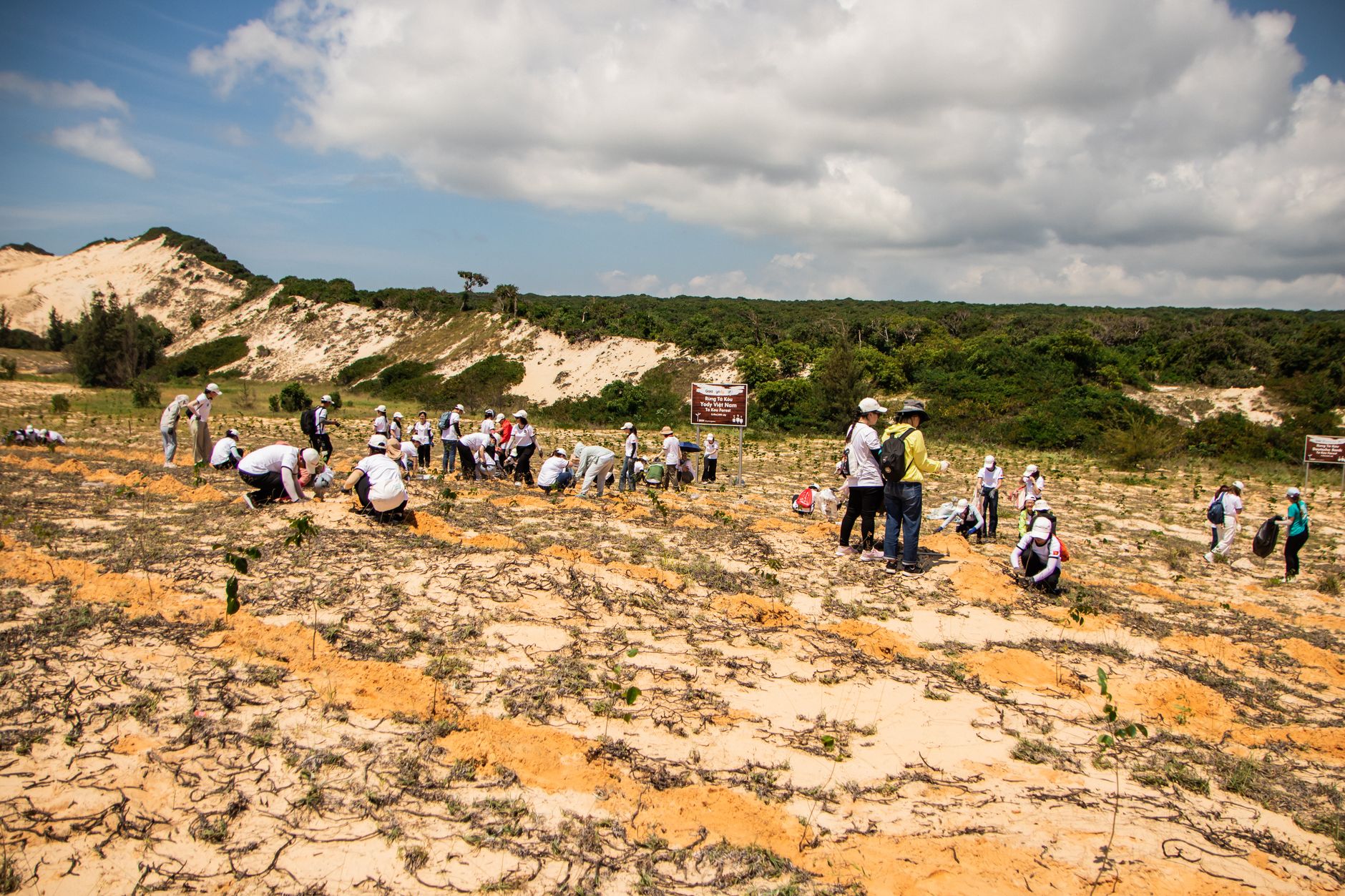
I stepped off the rust-bucket ferry in the Kinabatangan region of Borneo, and the humidity hit me like a damp wool blanket. It wasn't the smell of salt that filled my lungs, but the heavy, fermented scent of decaying tropical vegetation and the sharp, metallic tang of wet earth. My palms were already blistered from a week of hacking through invasive vines, but as I looked at the three-foot sapling in my hand—a future giant of the rainforest—I realized I had never felt more connected to a destination.
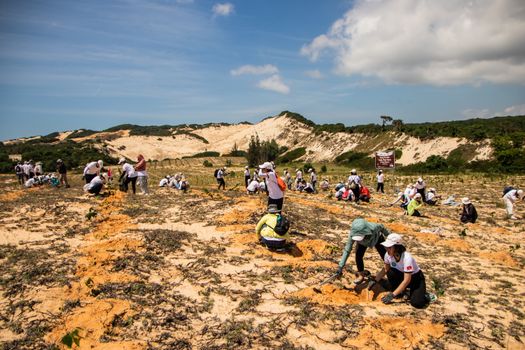
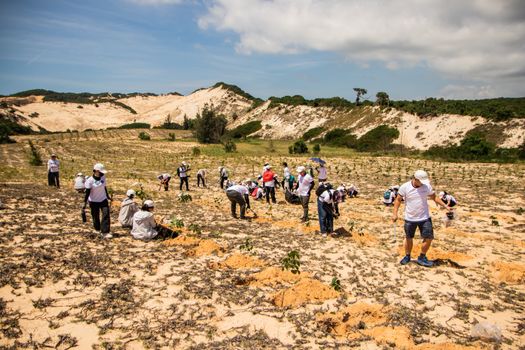
For years, we’ve been told to "leave only footprints." But frankly, footprints aren't enough anymore. Our planet is parched, and the most iconic landscapes on Earth are thinning out. If you’re tired of the "luxury bubble" and want to trade your infinity pool for an infinity of green, it’s time to look at tree-planting trips in deforested regions worth considering.
This isn't just "voluntourism" (a word we treat with healthy skepticism here at Tripsora). This is about professional-grade restoration projects that require sweat, stamina, and a genuine desire to leave a place better than you found it.
---
1. The Atlantic Forest, Brazil: Reclaiming the Mata Atlântica
While the Amazon grabs the headlines, the Atlantic Forest (Mata Atlântica) is the true underdog. Only about 12% of its original cover remains. I spent ten days with the REGUA (Reserva Ecológica de Guapiaçu) project, located just a few hours north of Rio de Janeiro.
The Experience
You aren't just tossing seeds; you are part of a strategic corridor-building mission. The goal is to connect fragmented patches of forest so that the endangered Golden Lion Tamarin can actually find a mate without crossing a highway.
Pro-Tip: The "hidden entrance" to the best bird-watching trail is behind the yellow tool shed near the volunteer lodge. Head there at 5:30 AM; the symphony of the endemic birds is better than any Spotify lo-fi track.
---
2. The Scottish Highlands: Rewilding the Caledonian Forest
The Highlands look "natural" to the untrained eye, but they are actually "wet deserts"—ravaged by centuries of overgrazing and timber extraction. Working with Trees for Life at Dundreggan is a masterclass in temperate rainforest restoration.
The Vibe
Think rugged hills, peat bogs, and the legendary Scottish "midge." You’ll be planting Scots Pine, Birch, and Rowan. The air is so crisp it feels like drinking cold water.
Insider Language: Don't call it a "forest." Call it "The Great Wood of Caledon." It earns you immediate respect with the local ecologists. Also, bring Smidge—the only repellent that actually works against the Highland midges.
---
3. Madagascar: The Mangrove Miracle
Madagascar is a biodiversity hotspot where 90% of the wildlife is found nowhere else. It has also lost 90% of its original forest. Eden Reforestation Projects operates here, and their mangrove restoration is legendary.
Why Mangroves?
Mangroves sequester up to four times more carbon than terrestrial forests. You’ll be knee-deep in tidal mud, planting Rhizophora mucronata propagules. It’s messy, it’s exhausting, and it’s arguably the most effective thing you can do for the planet.
Pro-Tip: Wear neoprene booties, not hiking boots. The mud will swallow your expensive leather boots whole and never give them back.
---
4. Borneo, Malaysia: Creating Corridors for Orangutans
In the Kinabatangan, palm oil plantations have sliced the jungle into tiny islands, trapping orangutans and pygmy elephants. Organizations like Hutan allow travelers to participate in reforestation that specifically targets these "wildlife corridors."
The Reality
It is hot. It is muddy. You will see leeches. But when you look up and see a wild orangutan utilizing a tree canopy that was planted by volunteers ten years ago, the discomfort vanishes.
Quick Fact: The best time to visit is March to October to avoid the monsoon rains that turn the planting sites into literal lakes.
---
5. Iceland: Reversing the Viking Legacy
When the Vikings arrived in Iceland, it was 40% forested. Today? Barely 2%. The Icelandic Forest Service and various NGOs are working to bring back the birch.
The Landscape
Icelandic reforestation is unique because you’re dealing with volcanic soil and sub-arctic conditions. It’s less "jungle fever" and more "interstellar expedition."
Pro-Tip: Visit the Hallormsstadhaskógur, Iceland's largest forest. There’s a secret hot spring nearby (ask the rangers for the "Laugavallalaug" coordinates) that isn't on the main tourist maps.
---
6. The Guanacaste Dry Forest, Costa Rica
Everyone goes to the cloud forests, but the Tropical Dry Forest is the world's most endangered ecosystem. The Area de Conservación Guanacaste (ACG) is a UNESCO site where "bio-literacy" is the name of the game.
The Work
You’ll be helping to fight invasive grasses that act as tinder for forest fires. You’re not just planting; you’re protecting.
Authenticity Note: Eat the Gallo Pinto at the communal mess hall. They use a specific local smoked chili that gives you the slow-burn energy needed for an 8-hour day in the sun.
---
7. The Appalachian Trail, USA: Healing the "Old Mountains"
Deforestation isn't just a "developing world" issue. The Appalachians have been hit hard by mountain-top removal mining. Groups like Appalachian Voices work on "reclaiming" these sites.
The Impact
Turning a former coal mine into a thriving forest is a powerful act of environmental justice. It’s gritty, industrial-scale restoration that requires a lot of heavy lifting and heart.
---
Logistics & Quick Facts: Planning Your Trip
| Destination | Best Time to Visit | Est. Cost (Weekly) | Difficulty | Primary Species | | :--- | :--- | :--- | :--- | :--- | | Brazil | May - Sept | $800 - $1,200 | Moderate | Golden Lion Tamarin food trees | | Scotland | April - Oct | $600 - $900 | High | Scots Pine, Rowan | | Madagascar | Year-round | $500 - $1,000 | Extreme | Mangroves | | Borneo | March - Oct | $1,200 - $1,800 | High | Dipterocarps | | Iceland | June - August | $1,000 - $1,500 | Moderate | Downy Birch | | Costa Rica | Dec - April | $700 - $1,100 | Moderate | Mahogany, Cedar |
How to Get There
Most of these projects are remote. For Brazil, fly into Rio and take a private shuttle to Cachoeiras de Macacu. For Scotland, the train to Inverness followed by a local bus is your best bet. Always check if the organization offers a "pick-up" service—most do from the nearest major transport hub.
---
How to Spot "Greenwashing"
Not all tree-planting trips in deforested regions worth considering are created equal. Before you book, ask these three questions:
- "What is the survival rate of the saplings?" If they don't track this, they aren't serious. A good project expects 70-90% survival and has a plan for maintenance.
- "Are these native species?" Planting a monoculture of non-native eucalyptus is not reforestation; it's a timber plantation.
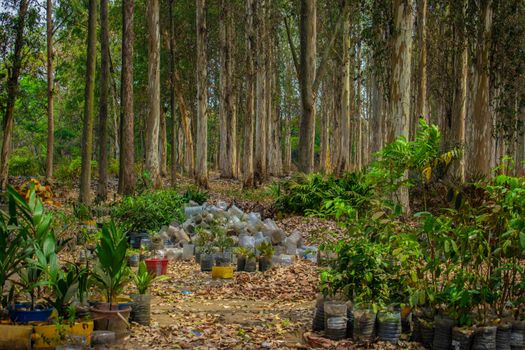
- "How does this benefit the local community?" The best projects employ locals as rangers and nursery managers. If the locals aren't involved, the forest won't last.
The Final Word
There is a specific kind of "tired" that comes from a day of reforestation. It’s not the drained feeling of an office job; it’s a deep, resonant ache that says you’ve done something tangible. You’ll leave with more than just photos; you’ll leave a legacy that will outlive you by centuries.
So, pack your work gloves, leave the fancy resort clothes at home, and go get your hands dirty. The world is waiting to be replanted.
---