Secret Underground Cities: The Locals' Hidden Gems You Can Actually Visit
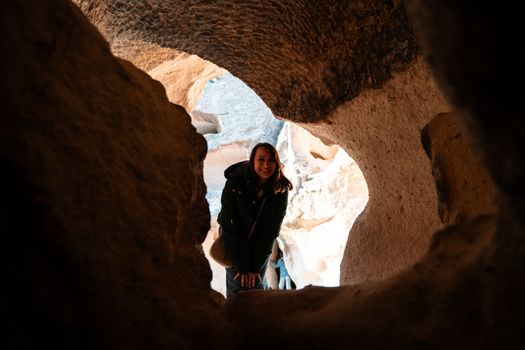
There’s a unique thrill in discovering something truly hidden. Not just a tucked-away café or a lesser-known beach, but something far more profound – an entire city beneath your feet, a silent testament to human ingenuity and survival. I remember my first time stepping into one of these subterranean worlds, the cool, earthy air instantly transporting me centuries back. It was in Cappadocia, Turkey, but not the famous Derinkuyu or Kaymaklı everyone talks about. No, this was a smaller, quieter one, whispered about by locals, a place where the echoes of ancient lives felt palpable, untouched by the usual tourist bustle. That day, I felt like I'd stumbled upon a secret handshake with history itself.
As a travel blogger, I live for these moments – the ones that make you feel like you’ve been let in on a secret, a privileged peek behind the curtain of mainstream tourism. And let me tell you, underground cities offer some of the most profound "aha!" moments you'll ever encounter. They are time capsules, fortresses, and homes, carved out of the earth for reasons ranging from defense to climate control, spiritual sanctuary to pure necessity.
But here's the catch: many of the most incredible ones aren't plastered across travel guides or Instagram feeds. They’re the ones locals know about, perhaps even use for storage or shelter in extreme weather, but rarely point tourists towards, preferring to keep their unique charm intact. Well, consider me your friendly insider. I’ve scoured maps, chatted with countless locals, and donned my headlamp to bring you this exclusive guide to some of the most fascinating underground cities you can actually visit, before the rest of the world catches on.
Get ready to ditch the guidebooks, embrace the dark, and discover a world beneath the surface that will redefine your understanding of ancient (and not-so-ancient) civilizations.
1. Özkonak Underground City, Cappadocia, Turkey: The Unsung Hero
Cappadocia is famous for its fairy chimneys and hot air balloons, but beneath its stunning lunar landscape lies a network of ancient underground cities. While Derinkuyu and Kaymaklı hog the spotlight, Özkonak Underground City offers an equally astounding, yet far less crowded, experience.
My first visit to Özkonak felt like stepping onto a movie set, except it was all real. Unlike its more famous counterparts, Özkonak is slightly less developed for mass tourism, which is precisely its charm. You won't find bustling gift shops or long queues here. Instead, you'll find a raw, authentic connection to history. Carved into a volcanic granite mountain, this multi-level city was discovered in 1972 by a local farmer whose animals kept disappearing into a hole. Imagine his surprise when he found an entire forgotten city!
Özkonak is thought to have housed up to 60,000 people and boasts ingenious ventilation systems, water wells, wine presses, stables, and even a unique communication system of small, narrow holes between floors. What struck me most was the sheer scale and the incredible sense of community these ancient people must have had, living for months, even years, in complete darkness to escape invaders. The winding, narrow passages, sometimes requiring you to duck low, make the experience feel truly immersive and adventurous.
Why it's a local secret: While not entirely unknown, many tourists stick to the "big two." Özkonak offers a more intimate, reflective experience without the crowds, allowing for better photo opportunities and a deeper sense of exploration.
- Getting There: Located about 14 km (9 miles) north of Avanos, Cappadocia. Best reached by rental car, taxi, or a private tour from Göreme or Ürgüp.
- Cost: Around 60-80 Turkish Lira (approx. $2-3 USD).
- Tips: Wear comfortable shoes and bring a light jacket as it can get cool underground. Be prepared for some tight squeezes – if you're claustrophobic, this might be challenging, but for most, it's part of the adventure! Go with a local guide if possible; their stories bring the place to life.
2. Cité Souterraine de Naours, France: A Medieval Masterpiece
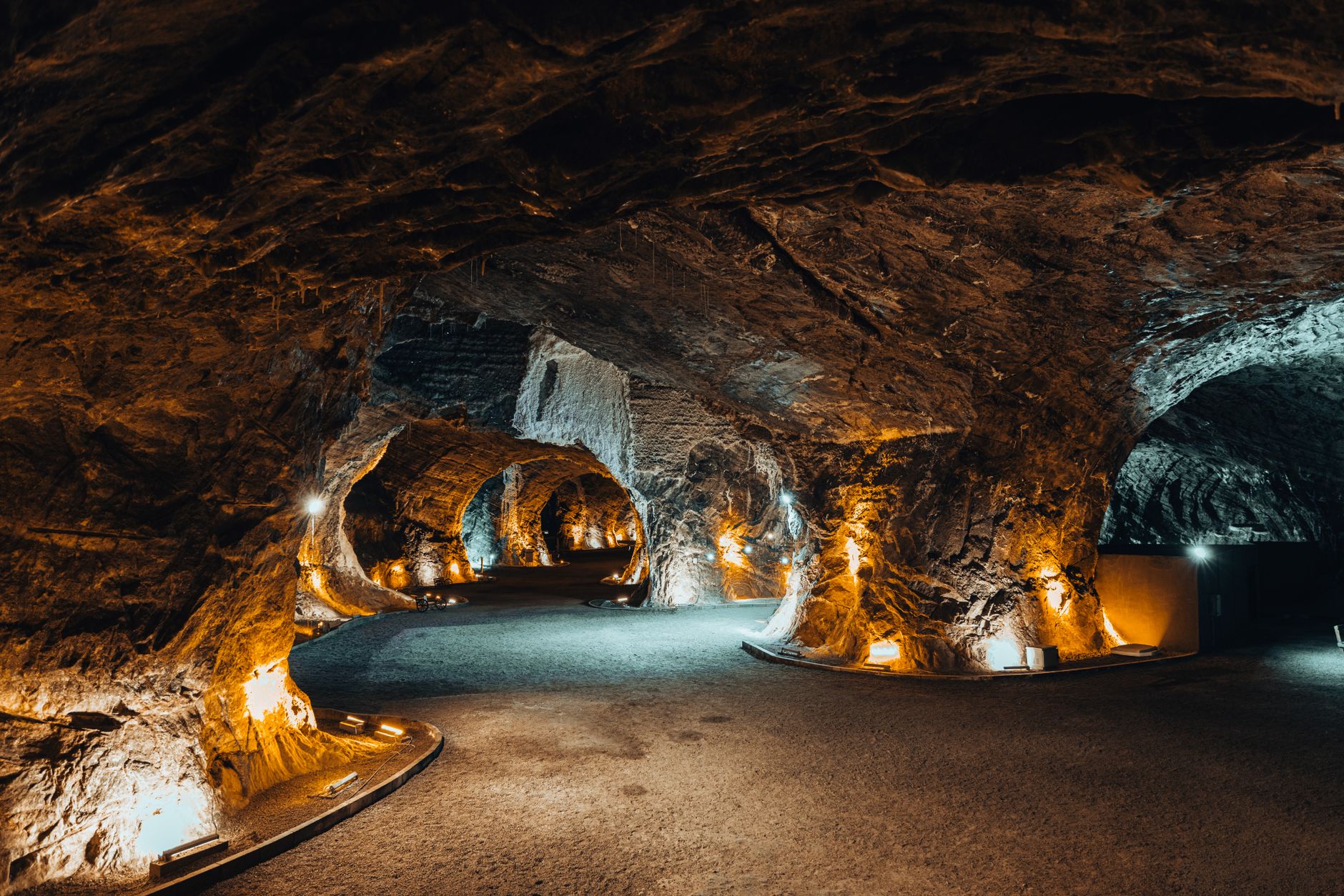
Imagine an entire medieval village, complete with chapels, bakeries, and stables, hidden beneath the peaceful farmlands of northern France. That's exactly what you'll find at the Cité Souterraine de Naours. This isn't just a few tunnels; it's a sprawling, 2-kilometer (1.2-mile) network of underground galleries and chambers that once sheltered thousands of people from invaders over centuries.
I stumbled upon Naours purely by chance during a road trip through Picardy. The unassuming entrance, a small building on a quiet country road, gave no hint of the vast labyrinth below. Once inside, the sheer scale was breathtaking. The silence was profound, broken only by the drip of water and our own hushed footsteps. Seeing the massive fireplaces, the wells, and the clearly defined "streets" of this underground city, it was easy to picture families living out their lives here, huddled together, waiting for danger to pass.
The site dates back to the 3rd century but saw its most significant expansion during the religious wars of the 16th century, and was even used as a shelter during both World Wars. It's a poignant reminder of human resilience and ingenuity in the face of adversity. The interactive exhibits and well-preserved artifacts add layers to the experience, making it feel less like a museum and more like a journey back in time.
Why it's a local secret: Naours is well-known regionally but remains off the radar for most international tourists, who tend to flock to more famous French attractions. It's a true hidden gem for history buffs.
- Getting There: Located in Naours, about 20 km (12 miles) north of Amiens in the Somme region. Best accessed by car.
- Cost: Approximately €10-12 for adults.
- Tips: They offer guided tours (often in French, but English audio guides are usually available) which are highly recommended for understanding the history. The temperature underground is consistently cool (around 10°C / 50°F), so dress warmly even in summer. The site also has a small museum and a beautiful park above ground, making it a great half-day excursion.
3. Matmata, Tunisia: Living in a Lunar Landscape
If you've ever dreamed of living like Luke Skywalker on Tatooine, then Matmata, Tunisia, is your ultimate destination. This unique Berber village is famous for its traditional troglodyte homes, which are not just carved into hillsides but dug downwards into the earth, forming large craters with rooms opening off a central courtyard. It’s a truly surreal landscape that feels utterly alien.
My journey to Matmata was an adventure in itself, driving through the stark, beautiful Tunisian desert. Arriving in the village, I was immediately struck by the moon-like terrain, dotted with these circular depressions. Locals still inhabit many of these homes, preferring the natural insulation they provide – cool in the scorching summer, warm in the chilly desert nights.
I had the incredible opportunity to visit a local family's home, sharing mint tea and learning about their way of life. It’s a humbling experience to see how people have adapted to their environment for centuries, creating comfortable, functional homes from the very earth beneath them. Of course, the iconic Hotel Sidi Driss, one of the original Star Wars filming locations, is also a must-visit, even if just for a peek at its famous courtyard. But beyond the cinematic connection, it's the living culture and the sheer ingenuity of the architecture that truly captivates.
Why it's a local secret: While Star Wars fans might know it, Matmata is still very much off the main tourist circuit for most visitors to Tunisia, who tend to stick to the coast. It requires a bit more effort to reach, preserving its authentic charm.
- Getting There: Located in southern Tunisia, about 450 km (280 miles) south of Tunis. Best reached by car (self-drive or private driver) or as part of a multi-day desert tour from Djerba or Tozeur.
- Cost: Visiting a local home usually involves a small tip (expect to pay a few dinars). Entry to Hotel Sidi Driss is free if you're eating or staying.
- Tips: Be respectful when visiting local homes and always ask permission before taking photos. Bring plenty of water, especially in summer. The local markets are great for unique souvenirs. Consider staying overnight in a troglodyte hotel for the full experience!
4. Coober Pedy, Australia: The Opal Capital of the World
Imagine a town where 80% of the population lives underground. Welcome to Coober Pedy, Australia, the "Opal Capital of the World." This isn't an ancient city; it's a modern, vibrant community that has literally burrowed into the earth to escape the scorching desert heat. Temperatures here can soar above 45°C (113°F) in summer, so living in "dugouts" – homes carved into the sandstone – is not just a preference, it's a necessity.
My visit to Coober Pedy was like stepping into a post-apocalyptic movie, but one filled with quirky characters and an undeniable pioneering spirit. The landscape above ground is otherworldly, dotted with mounds of spoil from opal mines and warning signs about uncovered shafts. But underground, it’s a revelation. Homes are surprisingly spacious, cool, and quiet, often featuring all the amenities of a surface house, sometimes even with underground swimming pools!
You can visit underground churches, art galleries, and even hotels. I spent a night in an underground hotel, and it was one of the most unique sleep experiences of my life – utterly silent and perfectly temperature-controlled. Beyond the dugouts, the town's history as a wild opal mining frontier adds another layer of fascination. You can try your hand at "noodling" (fossicking for opals) or visit an active mine. It's rough, ready, and utterly unforgettable.
Why it's a local secret: Coober Pedy is renowned within Australia, but its remote location in the Outback means it's often overlooked by international tourists who stick to the coasts. It's a commitment to get there, but utterly worth it for a truly unique experience.
- Getting There: Located about 846 km (526 miles) north of Adelaide, South Australia. Best accessed by car (it's a long drive!), bus, or regional flights from Adelaide.
- Cost: Varies. Dugout tours are typically around AUD$10-20. Hotels vary widely.
- Tips: Wear sturdy shoes and a hat for exploring above ground. Be aware of mine shafts when walking around. Don't miss the underground Serbian Orthodox Church – it's stunning. Embrace the quirky, rugged charm of the town and chat with the locals; they have incredible stories.
5. Setenil de las Bodegas, Spain: The Town Under a Rock
While not entirely an "underground city" in the traditional sense, Setenil de las Bodegas in Andalusia, Spain, offers a truly unique subterranean living experience that perfectly fits our theme of locals living within the earth. This dazzling white village is famous for its houses built directly into and beneath massive overhanging rock formations, creating streets where the rock face itself forms the roof of the buildings.
When I first arrived in Setenil, my jaw literally dropped. It's like the town grew organically out of the rock. The main streets, Calle Cuevas del Sol and Calle Cuevas de la Sombra, are particularly striking. On "Sun Caves Street," the rock face creates natural awnings, while on "Shadow Caves Street," the immense overhang plunges the street into perpetual twilight, giving it a cool, mysterious atmosphere even on the hottest days.
Locals here have cleverly integrated their homes and businesses into these natural shelters for centuries, enjoying the consistent temperature and protection from the elements. Walking through these streets, you feel dwarfed by the sheer power of nature, yet also impressed by human ingenuity. It’s a photographer’s dream, offering endless unique angles and perspectives. And don't forget to sample the local tapas and wine – the town is also known for its excellent produce.
Why it's a local secret: Setenil is a popular day trip for Spaniards, but many international tourists to Andalusia stick to the "big three" (Seville, Granada, Cordoba) and miss this incredible white village.
- Getting There: Located in the province of Cádiz, about 17 km (10.5 miles) from Ronda. Best accessed by car or bus from nearby towns like Ronda or Olvera.
- Cost: Free to explore the town!
- Tips: Wear comfortable walking shoes as the streets can be steep and uneven. Visit during the shoulder seasons (spring or autumn) to avoid the summer heat and crowds. Lunch at one of the restaurants built into the rock on Calle Cuevas del Sol is a must.
6. Edinburgh Vaults, Scotland: A City's Dark Underbelly
Beneath the bustling, historic streets of Edinburgh, Scotland, lies a labyrinthine network of chambers and passageways known as the Edinburgh Vaults (also called the South Bridge Vaults). Built in the late 18th century to support the arches of the newly constructed South Bridge, these vaults were initially used by businesses for storage and workshops. However, as conditions deteriorated, they became a refuge for the city's poorest, a dark, damp, and dangerous underworld.
My first descent into the vaults was chilling, even on a sunny Scottish day. The air grew heavy, the light faded, and the stories of the destitute, criminals, and even murderers who once inhabited these spaces came alive. Our guide painted vivid pictures of the squalor, the illicit activities, and the sheer desperation that permeated these tunnels. It’s a stark contrast to the elegant streets above.
While many tours focus on the paranormal (and yes, the vaults are famously haunted!), I found the human history far more compelling. The sheer scale of the network, the crude living conditions, and the palpable sense of lives lived and lost down there left a deep impression. It’s a powerful, unsettling, and utterly fascinating glimpse into the darker side of Edinburgh’s past.
Why it's a local secret: While ghost tours are popular, many visitors don't delve into the true historical significance beyond the spooky tales. Knowing which tour to pick (some are more historically focused) makes all the difference.
- Getting There: The vaults are located beneath the South Bridge in Edinburgh's Old Town. Numerous tour companies operate from various points in the city center.
- Cost: Tour prices typically range from £15-25, depending on the length and focus of the tour.
- Tips: Book a reputable historical tour, not just a purely ghost-focused one, to get the most out of the experience. Wear sturdy shoes and warm clothing – it's consistently cold and damp down there. Be prepared for dark, confined spaces.
7. Shanghai Tunnels, Portland, Oregon, USA: A Subterranean Enigma
Venturing into the Shanghai Tunnels beneath Portland, Oregon, feels less like visiting an ancient city and more like exploring an urban legend come to life. This network of basements and tunnels, primarily connecting Old Town Portland's businesses to the Willamette River docks, has a murky, fascinating history steeped in folklore, illicit activities, and dark secrets.
When I explored parts of these tunnels, guided by a local historian, the air was thick with stories. It's said that unsuspecting sailors and men were "shanghaied" – drugged, kidnapped, and smuggled through these tunnels to ships waiting on the river, forced into involuntary servitude. While the extent of this practice is debated by historians, the tunnels themselves are very real, connecting taverns, hotels, and opium dens to the waterfront.
Walking through the damp, brick-lined passages, you can almost hear the whispers of the past. Some sections are rough and unpreserved, others have been shored up, revealing old bars, hidden rooms, and even supposed escape routes. It's a gritty, atmospheric journey into Portland's less-than-savory past, a reminder that even modern cities have deep, hidden layers.
Why it's a local secret: Many Portlanders know of the Shanghai Tunnels, but few have actually explored them. Access is limited and often through private tours, making it a truly exclusive experience away from mainstream tourist trails.
- Getting There: Tours typically start from various locations in Old Town Portland, such as the Old Town Pizza & Brewing (which has a direct entrance to some tunnels).
- Cost: Tour prices vary, usually around $15-25.
- Tips: Book a tour in advance, as access is restricted. Wear comfortable shoes and be prepared for low light and potentially damp conditions. Keep an open mind about the legends, but appreciate the historical context of the tunnels as part of Portland's early development.
Practical Tips for Your Subterranean Adventure
Ready to delve into the depths? Here are some essential tips to make your underground city exploration seamless and unforgettable:
- Do Your Research: While I’ve given you a head start, always check current opening hours, booking requirements, and accessibility for each location. Things can change, especially for less-visited sites.
- Dress Appropriately: Underground environments are consistently cool, often damp, and sometimes muddy. Wear sturdy, comfortable closed-toe shoes and bring layers, even in summer. A light jacket or sweater is usually a good idea.
- Mind Your Head (and Your Step!): Passages can be narrow, ceilings low, and floors uneven. Pay attention to your surroundings and any warning signs.
- Embrace the Dark: Many of these sites are dimly lit, adding to the atmosphere. Some tours might provide headlamps, but bringing a small flashlight or using your phone's light can be helpful for spotting details.
- Respect the History: These are not just tourist attractions; they are historical sites, sometimes sacred, and often tell stories of hardship and survival. Be respectful of the environment and any local customs.
- Go with a Guide: For many of these locations, a knowledgeable local guide can transform the experience, bringing the history and stories to life in a way a self-guided visit never could.
- Photography Etiquette: Always ask if photography is permitted, especially in religious sites or private homes. Use low light or no flash to preserve the atmosphere and avoid disturbing others.
- Stay Hydrated: Even though it's cool underground, exploring can be strenuous. Carry a water bottle.
- Book in Advance: For places with limited access or popular tours, booking ahead can save you disappointment.
The Earth Holds More Secrets Than You Think
Exploring these underground cities isn't just about ticking off a bucket list item; it's about connecting with human history in a profoundly intimate way. It's about feeling the weight of centuries above you, understanding the resourcefulness of our ancestors, and stepping into a world that exists just beneath the surface of our everyday lives.
These hidden gems are waiting for you, offering stories whispered in the dark, echoes of forgotten civilizations, and a unique perspective on the world. So, pack your sense of adventure, lace up your boots, and prepare to go deeper than you ever imagined.
Have you discovered an incredible underground city that locals tried to keep secret? Share your stories and tips in the comments below! Let's uncover more of the world's hidden wonders together!
---