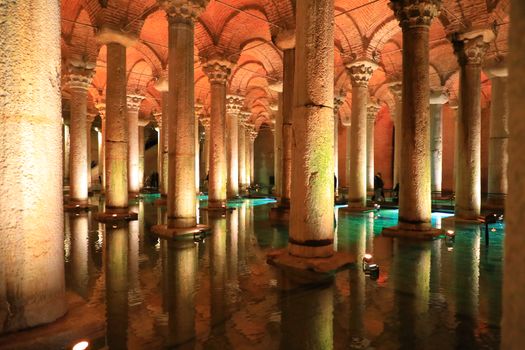
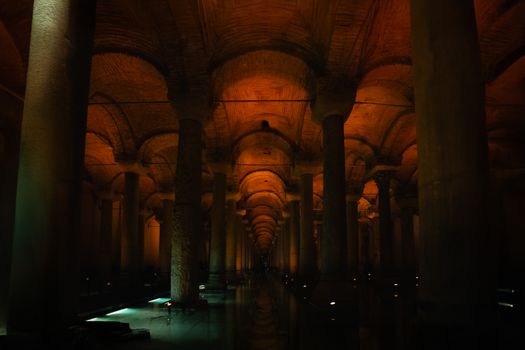
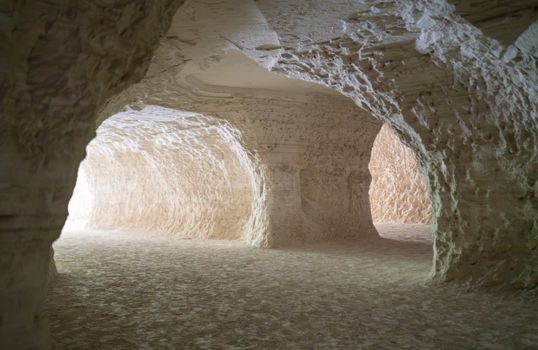
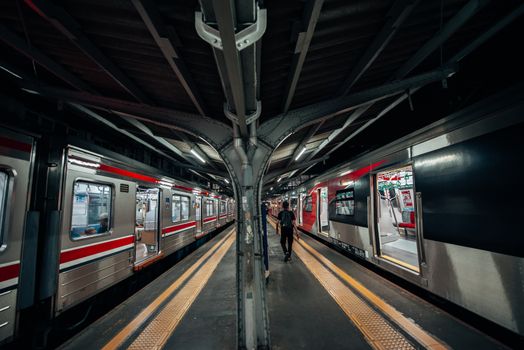
The air grew heavy, thick with the scent of damp earth and a history so profound it felt palpable. My flashlight beam danced across ancient rock-cut walls, illuminating faint carvings and the ghosts of lives lived centuries ago in absolute darkness. I was deep within the labyrinthine tunnels of Derinkuyu, one of Cappadocia’s legendary underground cities, and a shiver ran down my spine – not from the chill, but from the sheer awe of it all. It was a moment that redefined my understanding of human ingenuity and resilience, a stark reminder that some of the most incredible stories are hidden not just in plain sight, but often, beneath our very feet.
We often look up, dreaming of skyscrapers and mountain peaks, but what if I told you some of the world's most captivating destinations are found by looking down? Imagine entire civilizations, hidden communities, and secret bunkers carved into the earth, preserved through time, and now, waiting for you to explore them. These aren't just caves; they are meticulously engineered subterranean cities, complete with ventilation systems, living quarters, places of worship, and even graveyards.
As a travel blogger for Tripsora, I’ve had the privilege of exploring some truly unique corners of our planet. But nothing quite prepared me for the mind-bending experience of stepping into an underground city. It’s a journey that challenges your perceptions, ignites your imagination, and offers a profound connection to human history in a way no above-ground museum ever could.
So, buckle up, adventurers! Or rather, dig in. I’m about to take you on a journey beneath the surface, sharing my personal experiences, practical tips, and all the details you need to plan your own unforgettable descent into the world's most incredible underground cities.
1. Cappadocia's Ancient Labyrinths: Derinkuyu & Kaymaklı (Turkey)
If there's one place that epitomizes the concept of an "underground city," it's Cappadocia. This central Anatolian region of Turkey is famous for its fairy chimneys and hot air balloons, but beneath its moon-like landscape lies an astonishing network of subterranean cities, two of the most impressive being Derinkuyu and Kaymaklı.
My Descent into History: My first encounter with an underground city was at Derinkuyu, and it was nothing short of astonishing. As I descended the narrow, sloping passages, the sheer scale of this ancient refuge began to unfold. Imagine eight levels reaching depths of over 85 meters, capable of housing up to 20,000 people, along with their livestock and food supplies, for months on end. This wasn't just a hideout; it was a self-sufficient, sophisticated ecosystem designed to protect early Christians from invading armies.
Walking through the ancient stables, kitchens (with still-sooty ceilings from ancient fires!), wine presses, churches, and even a missionary school, I found myself marveling at the incredible feat of engineering. The ventilation shafts, some reaching the surface from the lowest levels, provided fresh air, a testament to the advanced understanding of the builders. The massive, circular stone doors, rolled into place from the inside, were particularly impressive, designed to seal off passages from intruders. It felt like stepping into an Indiana Jones movie, but with a profound sense of reverence for the lives once lived here.
Kaymaklı, equally impressive, is believed to be connected to Derinkuyu by a tunnel (though not currently accessible to visitors). It’s slightly more open in its passages, offering a different perspective on similar structures. Exploring both provides a comprehensive understanding of these subterranean marvels.
Practical Tips for Cappadocia:
- Location: Both Derinkuyu and Kaymaklı are easily accessible from Göreme, Ürgüp, or Nevşehir in Cappadocia. Many tour operators offer combined tours.
- Getting There: Renting a car gives you flexibility, or join a "Red Tour" or "Green Tour" which typically include one of the underground cities.
- Cost: Entrance fees are around 200-300 TRY (approx. $7-$10 USD) per person for each city. Check current prices as they can fluctuate.
- Duration: Allow 1.5-2 hours for each city.
- Guides: A licensed guide is highly recommended to truly understand the history and significance. They can also help navigate the sometimes confusing passages.
- Claustrophobia: Be aware that some passages are very narrow and low. If you have severe claustrophobia, this might be challenging. Go slow, breathe, and remember there are exits.
- What to Wear: Comfortable shoes are a must, and a light jacket is advisable as it can be cooler underground.
- Instagram Moment: The narrow, illuminated passages, the massive stone doors, and the ancient wine presses make for incredibly atmospheric photos. Use wide-angle lenses if you have them!
2. Coober Pedy: Living Beneath the Surface (Australia)
From ancient refuges to modern marvels, our next stop takes us to the harsh, sun-baked outback of South Australia, to a place where living underground isn't a choice for survival from invaders, but a necessity for survival from the elements: Coober Pedy, the "Opal Capital of the World."
My Dugout Experience: Coober Pedy is unlike anywhere else on Earth. Above ground, it looks like a desolate, dusty landscape dotted with strange mounds of earth from opal mining. But beneath the surface, an entire town thrives. The scorching summer temperatures (often exceeding 40°C/104°F) and freezing winter nights led residents to carve their homes, churches, shops, and even hotels into the sandstone hills – creating "dugouts" that maintain a constant, comfortable temperature of around 23-25°C (73-77°F) year-round.
My stay in Coober Pedy was an absolute highlight. I booked a night in a dugout hotel, and let me tell you, sleeping in a room carved straight out of rock was an experience I'll never forget. The silence was profound, the air fresh and cool, and there was an undeniable sense of being utterly disconnected from the outside world. I visited an underground church (St. Peter & Paul's Catholic Church), browsed an underground bookstore, and even popped into an underground bar. It felt like a scene from a sci-fi movie, yet it was everyday life for the resilient residents of Coober Pedy.
Practical Tips for Coober Pedy:
- Location: Coober Pedy is about an 8-9 hour drive north of Adelaide. It's remote, so plan your journey carefully.
- Getting There: Driving is the most common way, but there are also long-distance buses and even small plane charters.
- Cost: Accommodation in a dugout hotel can range from AUD $100-$250 per night. Tours vary, but expect to pay AUD $30-$70 for guided mine tours or town tours.
- Duration: Allow at least 2-3 days to truly experience the town and its unique lifestyle.
- Tours: Take a guided tour of an opal mine to understand the industry and see how dugouts are constructed. The "Breakaways" reserve nearby offers stunning desert landscapes.
- Accommodation: Definitely stay in a dugout! There are several options, from hotels to motels and even B&Bs.
- What to Wear: Casual clothing is fine. Don't forget sun protection for above-ground excursions.
- Opal Shopping: Coober Pedy is the place to buy opals directly from the source. Be sure to do your research to ensure you're getting a fair price.
- Instagram Moment: A selfie in your underground hotel room, the entrance to an underground church, or the "Welcome to Coober Pedy" sign made from opal mining equipment.
3. Edinburgh's Eerie Underbelly: The Edinburgh Vaults (Scotland)
From ancient survival and modern living, we now plunge into the darker, more mysterious side of underground exploration: the Edinburgh Vaults. Nestled beneath the bustling streets of Scotland's historic capital, these vaults hold centuries of chilling tales.
My Ghostly Encounter (or Lack Thereof): I've always been drawn to the macabre, and Edinburgh's reputation for ghost stories meant the Vaults were high on my list. Built in the 18th century as storage spaces and workshops, they quickly became overcrowded slums, havens for crime, poverty, and disease. The conditions were horrific, with no natural light or sanitation, leading to a grim history of murder, torture, and desperate lives.
My tour guide, a charismatic storyteller with a flair for the dramatic, led us through the damp, dimly lit chambers. The air was heavy, not just with moisture, but with a palpable sense of history and, dare I say, lingering despair. We heard tales of the infamous Burke and Hare, body snatchers who sold fresh corpses to medical schools, and other unspeakable acts committed within these very walls. While I didn't personally witness any spectral apparitions, the atmosphere was undeniably eerie. The sheer cold and dampness, even on a sunny day above ground, made it easy to imagine the suffering that once took place there. It's a stark, visceral reminder of Edinburgh's grittier past.
Practical Tips for Edinburgh Vaults:
- Location: The vaults are located beneath South Bridge in Edinburgh's Old Town.
- Booking: Tours are extremely popular, especially the ghost tours. Book well in advance, particularly during peak season. Several companies offer tours (e.g., Mercat Tours, City of the Dead Tours).
- Cost: Tours typically range from £15-£25 per person, depending on the length and focus (historical vs. ghost tour).
- Duration: Most tours last 1-1.5 hours.
- What to Wear: It's consistently cold and damp underground, even in summer. Dress warmly in layers, and wear comfortable, non-slip shoes.
- Claustrophobia: While not as extensive as Derinkuyu, some passages are narrow and the spaces are dark.
- Photography: Flash photography is often discouraged or prohibited, especially on ghost tours, to maintain the atmosphere.
- Choosing a Tour: Decide if you want a purely historical tour or one focused on paranormal activity. Both offer fascinating insights.
- Instagram Moment: The eerie, dimly lit stone arches, perhaps with a long exposure shot to capture the mysterious atmosphere. A moody selfie with your tour guide recounting a ghost story!
4. Naours Underground City: France's Hidden Refuge (France)
Venturing away from the well-trodden tourist paths, we discover a lesser-known but equally fascinating subterranean world in the Picardy region of France: the Naours Underground City (Cité Souterraine de Naours). This extensive network of ancient chalk quarries served as a refuge for centuries.
My Unexpected Discovery: I stumbled upon Naours almost by accident during a road trip through Northern France, and it proved to be one of the trip's most pleasant surprises. What began as a chalk quarry in the 3rd century evolved into a vast underground village, providing shelter from invasions and wars, including the Hundred Years' War, religious wars, and even serving as a hiding place for resistance fighters during both World Wars.
Walking through its 28 galleries, chapels, bakeries, and wells, I was struck by the ingenuity and sheer scale of the place. It's estimated that up to 3,000 people could hide here for extended periods. There are even ancient graffiti and carvings left by those who sought refuge, offering a poignant glimpse into their lives. The guided tour, despite being mostly in French (though English audio guides are available), painted a vivid picture of hardship and resilience. It felt profoundly historical, yet strangely peaceful, far from the bustling crowds of more famous sites.
Practical Tips for Naours:
- Location: Naours is located in the Somme region of Northern France, about 20 km (12 miles) north of Amiens.
- Getting There: Best accessed by car. There's ample parking available.
- Cost: Entrance fee is around €12-€15 for adults. Check their official website for current pricing and opening hours, as they vary seasonally.
- Duration: The guided tour typically lasts about 1 hour, but you can explore the above-ground park and craft shops as well.
- Guides: Tours are usually guided (often in French). English audio guides are available and highly recommended.
- What to Wear: The temperature underground is consistently around 10°C (50°F), so bring a warm jacket, even in summer. Comfortable shoes are essential.
- Accessibility: Some areas might be challenging for those with mobility issues, but the main pathways are generally well-maintained.
- Instagram Moment: The vast, echoing galleries, the ancient carvings on the walls, and the unique underground chapels provide great photo opportunities, especially with a wide lens.
5. Seattle Underground: The City Beneath a City (USA)
Our final underground adventure takes us across the Atlantic to the Pacific Northwest of the USA, where Seattle boasts a unique subterranean history – a city literally built on top of itself.
My Humorous Journey Below Seattle: I'd heard whispers of Seattle's underground, but nothing prepared me for the hilarious and informative "Seattle Underground Tour." After the Great Seattle Fire of 1889, much of the city was destroyed. Instead of rebuilding on the same level, city planners decided to raise the street level by one or two stories to address the frequent flooding issues. The original ground floor storefronts became basements, and new sidewalks and roads were built above them.
Our tour guide, a witty local with a knack for storytelling, led us down unexpected staircases and through dimly lit tunnels beneath modern Pioneer Square. It was surreal to walk past the ghostly remains of old storefronts, some with intact glass windows and doors, now existing as subterranean relics. We saw old plumbing systems, remnants of the original street level, and heard fascinating (and often comical) tales of Seattle's early pioneers, their struggles, and their ingenious solutions. It’s a completely different kind of underground city experience – less about ancient refuge and more about urban evolution and quirky historical footnotes.
Practical Tips for Seattle Underground:
- Location: Tours depart from Pioneer Square in downtown Seattle.
- Booking: Book your tickets online in advance, especially during peak tourist season, as tours often sell out. Bill Speidel's Underground Tour is the original and most popular.
- Cost: Tickets are around $25-$30 USD for adults.
- Duration: The tour lasts approximately 75-90 minutes.
- What to Wear: Comfortable walking shoes are a must. The underground area is cool and damp, so a light jacket is a good idea.
- Accessibility: There are stairs and uneven surfaces. Not ideal for strollers or wheelchairs.
- Photography: Photography is generally allowed and encouraged.
- Humor: Be prepared for a tour that is as entertaining as it is educational. The guides are fantastic!
- Instagram Moment: Posing next to an old, ghostly storefront window, or capturing the contrast between the old brick and the modern infrastructure above. A "time travel" selfie!
General Tips for Visiting Any Underground City:
No matter which subterranean marvel you choose to explore, a few universal tips will enhance your experience:
- Wear Comfortable Shoes: You'll be doing a lot of walking, often on uneven surfaces.
- Dress in Layers: Underground temperatures are typically cooler and more consistent than above ground, regardless of the season. A light jacket or sweater is always a good idea.
- Check for Claustrophobia Warnings: If you're prone to claustrophobia, research the specific site beforehand. Some have very narrow passages.
- Book in Advance: Especially for popular tours or during peak season, securing your spot ahead of time is crucial.
- Bring a Small Flashlight (or use your phone): While most areas are lit, a personal light can help illuminate darker corners or details.
- Listen to Your Guide: They are a wealth of information and will point out details you might otherwise miss.
- Respect the Environment: These are historical sites. Don't touch or damage anything, and follow all rules.
- Hydrate: Even though it's cool, walking can be tiring.
- Check Accessibility: If you have mobility issues, confirm the site's accessibility before visiting.
Ready to Dig Deeper?
Exploring underground cities is more than just sightseeing; it's an immersive dive into history, human endurance, and the sheer ingenuity of our ancestors. From the ancient, life-saving shelters of Cappadocia to the modern, climate-controlled dugouts of Coober Pedy, each subterranean world offers a unique narrative and an unforgettable adventure.
These hidden wonders challenge us to look beyond the surface, to appreciate the stories etched into the very fabric of our planet. They are testaments to human adaptability, resilience, and the enduring quest for survival and innovation.
Which underground city has piqued your interest the most? Have you visited any others that blew your mind? Share your experiences and dreams in the comments below! And don't forget to share this post with your fellow adventurers – let's inspire more people to explore the incredible world beneath our feet.
Start planning your subterranean escape today. Trust me, it's a journey that will leave you utterly spellbound, wondering what other incredible secrets the Earth still holds. Happy travels, and happy digging!
---