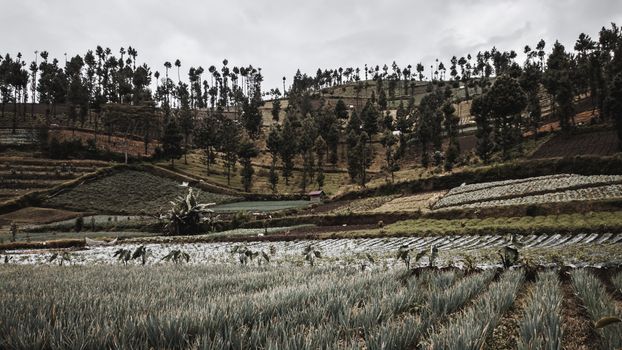
The Dirt on What's Blooming: Agricultural Tourism Supporting Small Farmers Emerging This Year
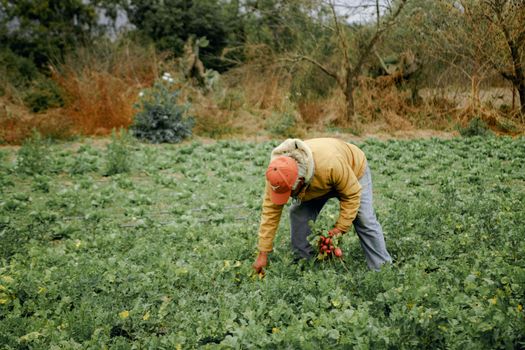
I stepped off the dusty, sun-baked road and into a symphony of buzzing bees and the sweet, earthy scent of ripening tomatoes. The air, thick with the perfume of basil and a hint of distant woodsmoke, was a stark contrast to the sterile, air-conditioned world I’d left behind. A weathered hand, calloused from years of tending the soil, waved me over. This wasn't just a visit; it was an invitation. An invitation into a way of life, a community, and a movement that’s quietly revolutionizing travel: agricultural tourism supporting small farmers emerging this year.
For too long, "farm" has conjured images of distant, industrial operations. But a powerful shift is underway. Travelers are craving authenticity, connection, and a tangible impact. They want to know where their food comes from, who grew it, and to feel the pulse of the land. And small farmers, the custodians of our landscapes and our culinary heritage, are opening their gates, ready to share their passion and their bounty. This isn't just about a pretty postcard view; it's about a deeply enriching, often transformative, travel experience.
H2: Beyond the Buffet: The Rise of Immersive Farm Stays
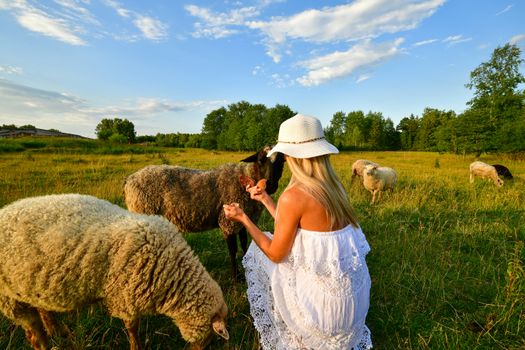
Gone are the days of simply seeing a farm. Today's agricultural tourism is about being on the farm. Imagine waking up to the crow of a rooster, the scent of freshly baked bread wafting from a communal kitchen, and the promise of a day spent learning ancient cheesemaking techniques or harvesting sun-ripened olives. These aren't just accommodations; they are living, breathing experiences.
Pro-Tip: Look for "working farm stays" where you can actively participate in daily chores. Many offer workshops on everything from beekeeping to natural dyeing, providing skills and memories that last a lifetime.
H3: The 'Farm-to-Bed' Revolution
What to Expect:
- Hands-On Experience: From milking cows to picking berries, you're part of the process.
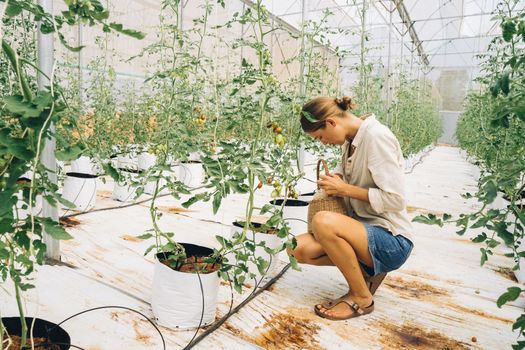
- Authentic Cuisine: Meals are prepared with ingredients harvested that day, often using traditional family recipes. Think heirloom tomato salads bursting with flavor and slow-cooked stews that tell a story.
- Deep Connection: You'll forge genuine relationships with the farmers, understanding their challenges and triumphs.
- Digital Detox: Often set in rural, less connected areas, these stays encourage you to unplug and reconnect with nature and yourself.
H2: Taste the Terroir: Culinary Adventures with Local Producers
The most profound way to understand a place is often through its food. Agricultural tourism this year is placing an unprecedented emphasis on farm-to-table dining experiences and artisanal food tours, directly linking travelers to the source of their sustenance. This is where you taste the true essence of a region – the unique climate, the soil, the generations of knowledge that go into every bite.
Pro-Tip: Seek out tours that focus on specific artisanal products like olive oil, wine, cheese, honey, or heritage grains. These often involve visits to small-batch producers who are passionate about their craft.
H3: From Field to Fork: What to Savor
- Vineyard & Winery Visits: Beyond tastings, many offer tours of the vineyards, explanations of the winemaking process, and even grape-stomping experiences during harvest season.
- Olive Oil Mills: Learn about the different olive varietals, the pressing process, and the nuances of tasting high-quality olive oil.
- Artisanal Cheese Makers: Discover the magic behind turning milk into edible art, often with opportunities to sample unique regional cheeses.
- Apiaries & Honey Producers: Understand the vital role of bees and taste the diverse flavors of honey, each reflecting the local flora.
- Local Bakeries & Grain Mills: Experience the revival of heritage grains and the traditional methods of bread making.
H2: Cultivating Community: The Social Impact of Agritourism
This trend is more than just a vacation; it’s a conscious choice to support small farmers and regenerative agriculture. By choosing to spend your travel dollars at these smaller, often family-run operations, you're directly contributing to their economic viability, helping them preserve their land, and encouraging sustainable farming practices. This creates a powerful ripple effect, strengthening rural economies and fostering a deeper appreciation for the people who feed us.
Pro-Tip: Engage with local agricultural tourism associations or cooperatives. They often have curated lists of farms and experiences that are committed to ethical and sustainable practices.
H3: Why Your Visit Matters
- Economic Empowerment: Your spending directly benefits small businesses and families in rural areas.
- Land Preservation: Supporting farmers incentivizes them to continue their stewardship of the land, protecting biodiversity and natural resources.
- Cultural Preservation: You're helping to keep traditional farming methods and local culinary heritage alive.
- Education & Awareness: You become an advocate for sustainable food systems and the importance of supporting local producers.
H2: Beyond the Harvest: Seasonal Delights and Year-Round Appeal
While harvest seasons are undeniably magical, agricultural tourism offers a wealth of experiences throughout the year. Each season brings its own unique charm and activities, ensuring there's always a compelling reason to visit.
Pro-Tip: Don't discount the "off-season." Spring can be spectacular for wildflower blooms and lambing season, while winter offers cozy farm stays and opportunities to learn about preservation techniques.
H3: A Seasonal Snapshot
- Spring: Witness the rebirth of nature. Think blossoming orchards, lambing season, and early vegetable planting. Perfect for gentle hikes and enjoying fresh greens.
- Summer: The peak of abundance. Fields are lush, fruits and vegetables are at their prime. Ideal for berry picking, farm-to-picnic experiences, and long, sun-drenched days.
- Autumn: The grand finale. Harvest festivals, grape stomping, apple picking, and the vibrant hues of changing leaves. A time for hearty meals and cozy evenings.
- Winter: A quieter, more introspective time. Think cozy farmhouses, learning about preserving the harvest, and enjoying root vegetables. Many farms offer holiday-themed events.
H2: Planning Your Agricultural Adventure: Quick Facts & Logistics
Ready to roll up your sleeves and dive in? Planning your agricultural tourism trip is straightforward and incredibly rewarding.
| Feature | Estimated Cost ($) | Best Time to Visit | How to Get There | | :------------------ | :----------------- | :---------------------- | :----------------------------------------------------------------------------------- | | Farm Stay (Per Night) | $80 - $250 | Varies by season | Varies widely. Often requires a car. Public transport to rural areas can be limited. | | Farm Tour/Workshop | $30 - $150 | Varies by activity | Often accessible via local transport or tour operators from nearby towns. | | Farm-to-Table Meal | $25 - $75 | Year-round | Many farms are located in scenic areas, accessible by car or organized tours. |
Pro-Tip: Book accommodations and popular tours well in advance, especially during peak harvest seasons. Look for package deals that might include accommodation, meals, and activities.
H2: Insider Tips for an Unforgettable Experience
To truly immerse yourself in the world of agricultural tourism supporting small farmers, a little insider knowledge goes a long way. It’s about engaging with respect, curiosity, and a willingness to learn.
Pro-Tip: Learn a few basic phrases in the local language if you're traveling internationally. A simple "hello" or "thank you" can open doors and foster warmer interactions.
H3: Making the Most of Your Trip
- Arrive with an Open Mind: Be ready to learn, participate, and embrace the unexpected.
- Ask Questions: Farmers are often delighted to share their knowledge. Inquire about their practices, their crops, and their history.
- Respect the Land and Livestock: Treat the farm as you would your own home. Be mindful of where you walk and how you interact with animals.
- Support Local Artisans: Often, farms will have small shops selling their produce, jams, crafts, or other local goods. Consider purchasing souvenirs directly from the source.
- Leave No Trace: Pack out everything you pack in and be mindful of your environmental impact.
- Share Your Experience: Post photos, write reviews, and tell your friends about the amazing small farmers you met. Your advocacy is invaluable.
H2: The Future is Farming: Why This Trend is Here to Stay
Agricultural tourism is more than just a fleeting trend; it's a fundamental shift in how we travel and connect with our world. As consumers become more conscious of their impact and increasingly seek authentic, meaningful experiences, the demand for supporting small farmers through tourism will only grow. This movement offers a powerful model for sustainable travel, one that nourishes both the traveler and the communities they visit.
So, this year, step off the beaten path. Trade the crowded city squares for sun-drenched fields. Embrace the opportunity to learn, to taste, and to connect. Because when you support agricultural tourism, you're not just booking a trip; you're investing in a more sustainable, flavorful, and authentic future.
---