Bean-to-bar chocolate makers buy cacao beans and handle the full process themselves, from sorting and roasting through to grinding, conching and molding the finished bars. Visiting one of these workshops can be a rewarding way to learn how flavor develops and why chocolate made from a single origin can taste so different from mass-produced candy. Tours vary widely, from short tastings in a small shop to in-depth workshops where you handle the beans and melt the chocolate yourself. This guide describes the production stages, what a typical visit includes, and how to choose a workshop that matches your interests.
How cacao becomes chocolate
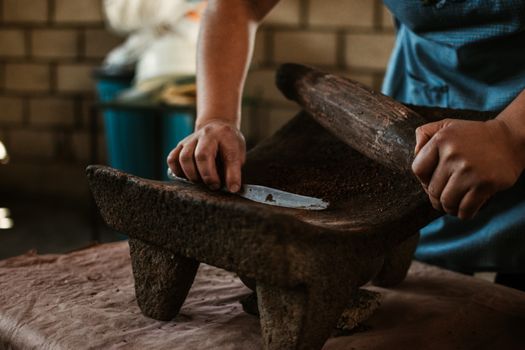
Chocolate begins with the cacao pod, which contains beans surrounded by sweet pulp. After harvest, beans are typically fermented, often in heaps, boxes or baskets for several days. Fermentation develops many of the flavor precursors that later appear in the finished product, and its length and method can affect the final taste. The beans are then dried, usually in the sun or in controlled conditions, to reduce moisture. Roasting follows, and it has a strong influence on aroma. Next, the roasted beans are cracked and winnowed to separate the nibs from the husks. The nibs are ground into a thick paste called chocolate liquor, which can be refined and conched for smoothness before being tempered and molded into bars. Each step involves judgment, and makers differ in how they approach them.
What a typical visit includes
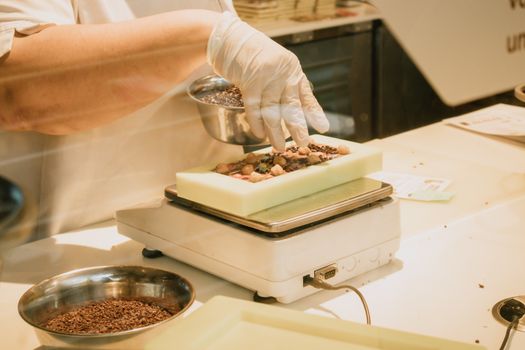
Visits range from brief shop tastings to longer workshops. A short tour may show you a few stages of production, such as roasting or grinding, and end with a tasting flight of different bars. Longer sessions often include a closer look at beans, which may be passed around so you can smell and feel them, followed by a sensory exercise comparing origins or processing methods. Some workshops let you temper chocolate and mold your own bar, or add inclusions such as nuts and dried fruit. Expect a mix of hands-on activity and explanation, and ask whether the tour includes samples, takeaway bars or a tour of the production area, since these details vary.
Understanding origin and sourcing
Bean-to-bar makers often describe their sourcing in detail, mentioning the country or region of origin, the cacao variety where it is known, and their relationships with farmers or cooperatives. This information is useful for understanding flavor, but it is worth reading it carefully. Terms such as single origin, estate or fair trade have specific meanings in some contexts and looser meanings in others. Many makers publish details on their packaging or websites, and a good workshop will be happy to explain where its beans come from and how the farmers are paid. Asking questions about sourcing is a reasonable part of any visit.
Choosing a workshop
Consider what you want from the experience before booking. If you are curious about the basics, a short tasting in a central shop may be enough. If you want to get your hands dirty, look for workshops that include molding, tempering or flavor pairing. Check the group size, since small sessions often allow more questions. Read recent descriptions to see whether the tour is hosted by the maker or by a third party, and whether it is suitable for children or guests with allergies. Dietary considerations matter, because many chocolate workshops handle nuts, dairy and other allergens, and cross-contamination can occur. Confirm opening times and booking requirements directly with the workshop, as these can change seasonally.
Tasting well
Tasting chocolate is a skill that improves with practice. Break off a small piece, let it melt slowly on your tongue rather than chewing it, and notice how the flavor changes over time. Many people find that aroma, texture and finish reveal different things, with acidity, fruitiness, bitterness, roast and nuttiness appearing in different combinations. Tasting water or plain crackers between samples can help reset your palate. Keep notes if that helps you remember which bars you enjoyed. Remember that individual perception varies, and there is no single correct way to describe a chocolate.
Practical tips
- Book ahead where possible, since small workshops can fill quickly.
- Wear comfortable clothing, and avoid anything you would mind getting chocolate on.
- Ask about allergens, and disclose any dietary needs before the session starts.
- Check whether the workshop allows photography, particularly in production areas.
- Consider buying bars from the makers you enjoyed, which often supports small producers directly.
Common mistakes to avoid
A frequent error is booking a workshop expecting a long hands-on session when the visit is in fact a brief tasting. Read the description carefully and ask how much time is spent on each part. Another mistake is assuming that every product labeled bean to bar works in the same way, when makers differ in their methods and scale. Some visitors eat a large number of samples early in the session and then struggle to taste the later bars with attention. Others judge a chocolate straight after a very sweet snack, which can dull the palate. It is also easy to arrive in warm weather without considering that chocolate can soften if left in a hot bag or car. Planning the timing, pacing your tasting and carrying a cool bag for purchases makes the visit more enjoyable.
Who this suits and who it doesn't
A bean-to-bar visit can suit food lovers, curious learners and families with older children who enjoy a practical activity. It works well for people who like to ask questions, compare samples and understand how flavor develops. It may be less suitable for people with severe nut, dairy or other allergies unless the workshop has confirmed its procedures in writing, since cross-contamination is possible in many production areas. Those who prefer a quiet, self-paced visit may find group workshops busy. Travelers who need step-free access or seating should check the arrangements before booking, as some production spaces are small or uneven.
Frequently asked questions
Are chocolate tours suitable for children? Many are, but this depends on the workshop, the activity and the safety rules in production areas. Ask whether children are welcome and whether they can take part in hands-on tasks.
Can I buy bars at the end of a visit? Often, and many makers sell directly from their shop. Check whether purchases are available on the day and whether the workshop can advise on storage.
Do I need prior knowledge of chocolate? No. Visits are generally designed for beginners, and the guide will explain each stage. Curiosity and a willingness to taste are usually enough.
A bean-to-bar visit turns a familiar treat into a clear story about agriculture, fermentation and craftsmanship. The most satisfying visits usually combine a clear explanation of the process with an honest discussion of sourcing, and they leave you with a better sense of why flavor varies so much from one bar to the next.