The Hook: A Sensory Awakening in the Cacao Heartland
I stepped off the rickety bus, the humid air thick with the scent of damp earth and something impossibly sweet. It wasn't the cloying perfume of a chocolate shop, but a raw, intoxicating aroma of fermentation, woodsmoke, and the subtle, grassy notes of ripening fruit. This was Ecuador, a place where chocolate isn't just a treat; it's a way of life, and this year, the bean to bar movement is more vibrant, accessible, and downright delicious than ever before. Forget your factory tours; we’re talking about getting our hands dirty, understanding the soul of the cacao bean, and tasting the true story in every bite.
The Rise of the Artisan: Why Bean to Bar is Dominating 2024
For years, chocolate was a mystery, a glossy wrapper hiding an unknown origin. But the tides are turning. Consumers, armed with a desire for transparency and a craving for unparalleled flavor, are demanding more. The bean to bar movement is the answer. It’s a philosophy, a craft, and for many, a passion project that transforms raw cacao beans into exquisite chocolate bars right at the source. This year, expect to see an explosion of small-batch makers, hyper-local experiences, and a deeper appreciation for the journey each bean undertakes. It’s not just about eating chocolate; it’s about understanding it.
From Farm to Factory: The Intricate Journey of a Cacao Bean
The magic truly begins long before any roasting or grinding. It starts with the cacao tree itself, a tropical marvel that produces pods filled with precious beans.
- Cultivation & Harvesting: I’ve walked through lush cacao farms, the sunlight dappling through the canopy, and seen farmers carefully hand-harvesting ripe pods – a delicate process that ensures only the best beans are selected. The vibrant colors of the pods, from deep crimson to sunny yellow, are a testament to their ripeness.
- Fermentation: The Soul of Flavor: This is where the magic truly unfolds. The freshly extracted beans, along with the fruity pulp, are piled into wooden boxes or banana leaves and left to ferment. This crucial step develops the complex flavor precursors. I’ve witnessed this process firsthand, the air alive with the sweet, tangy aroma of fermenting fruit. It’s a science and an art, with temperatures and durations carefully monitored.
- Drying: Preserving the Goodness: After fermentation, the beans are spread out on large patios or raised beds to dry in the sun. This reduces moisture content, preventing mold and further developing flavor. The rhythmic turning of the beans, often by foot, is a sight (and sound!) to behold.
The Art of Transformation: Roasting, Grinding, and Conching
Once the beans arrive at the chocolatier’s workshop, the real transformation begins. This is where the artistry and precision of bean to bar makers shine.
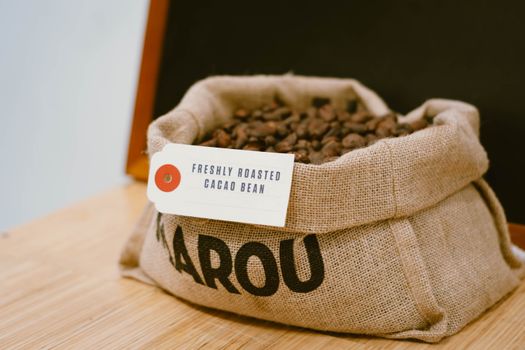
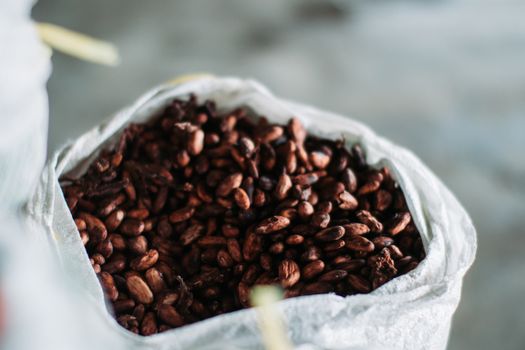
- Roasting: Unlocking Aromas: Each batch of beans is roasted to perfection, bringing out their unique flavor profiles. This isn't a one-size-fits-all approach. A delicate Nacional bean from Ecuador might require a different roast than a robust Criollo from Mexico. I’ve sat in on roasting sessions, the air filling with the intoxicating aroma of toasted nuts, coffee, and subtle fruit notes.
- Pro-Tip: Many makers offer morning roasting demonstrations. Arrive by 9 AM to catch the action and ask questions before the main rush.
- Cracking & Winnowing: Separating the Gold: The roasted beans are then cracked into smaller pieces, and the shells are removed through a process called winnowing. This leaves you with the pure cacao nibs – the unadulterated essence of chocolate.
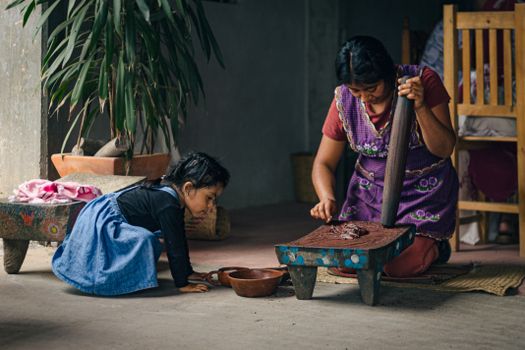
- Grinding: The Birth of Chocolate Liquor: The nibs are then ground down, often in stone grinders, for hours, even days. This breaks down the solid particles, releasing the cocoa butter and transforming the nibs into a thick, liquid paste known as chocolate liquor. It’s here you begin to see the smooth, flowing texture emerge.
- Conching: The Silken Finish: This is perhaps the most time-consuming stage. The chocolate liquor is agitated and aerated in a conche machine for hours, or even days. This refines the texture, coats the sugar and cocoa particles with cocoa butter, and further develops the flavor, resulting in that signature smooth, melt-in-your-mouth finish. The gentle hum of the conche is a constant soundtrack to this patient craft.
Experiencing Bean to Bar: Where to Embark on Your Chocolate Journey
The beauty of the emerging bean to bar scene is its accessibility. You don't need to be a seasoned traveler to find incredible experiences.
Immersive Farm Stays and Educational Workshops
Many bean to bar makers are opening their doors, offering unparalleled opportunities for travelers.
- Farm-to-Table Chocolate Retreats: Imagine waking up to the sounds of nature, spending your day learning about cacao cultivation, participating in the harvest, and then crafting your own chocolate bar. These immersive experiences are becoming increasingly popular. I recently stayed at a small farm in Peru where we picked pods, fermented them, and then roasted them over an open fire before grinding them into a rustic, intensely flavored chocolate.
- Insider Insight: Look for accommodations that are directly connected to a cacao farm. They often offer the most authentic and hands-on experiences.
- Chocolatier Workshops: Even if you can't visit a farm, many urban bean to bar makers offer workshops. You can learn the basics of roasting, grinding, and tempering chocolate, and even create your own unique bar to take home. These are fantastic for a shorter, more focused experience.
- Pro-Tip: Some workshops include a guided tasting of different single-origin chocolates. Book these in advance as they fill up quickly!
The Rise of Ethical and Sustainable Chocolate Tourism
This year, the focus on ethical sourcing and sustainability is stronger than ever. Travelers are not just seeking delicious chocolate; they want to know it’s made responsibly.
- Traceability: Look for makers who are transparent about their sourcing. They’ll often tell you the specific farm or region their beans come from, and how they ensure fair prices for farmers.
- Direct Trade Practices: Many bean to bar makers engage in direct trade, cutting out intermediaries and building direct relationships with cacao farmers. This ensures farmers receive a fairer price for their crop and fosters a more sustainable model.
- Environmental Impact: Consider makers who prioritize sustainable farming practices, minimize waste in their production, and use eco-friendly packaging.
Tasting the Difference: Beyond the Sweetness
The true revelation of bean to bar chocolate is the complexity of flavor. Unlike mass-produced chocolate, which often relies on added vanilla and emulsifiers to mask imperfections, bean to bar chocolate showcases the inherent nuances of the cacao bean.
Decoding the Flavor Notes: A Guided Tasting Experience
- Single Origin Significance: Just like wine or coffee, cacao beans from different regions have distinct flavor profiles. An Ecuadorian Nacional might have floral and fruity notes, while a Venezuelan Criollo could be rich with hints of spice and tobacco.
- Pro-Tip: Visit a tasting room or attend a guided tasting session. A good guide will help you identify notes of fruit, nuts, spices, earth, and even floral undertones.
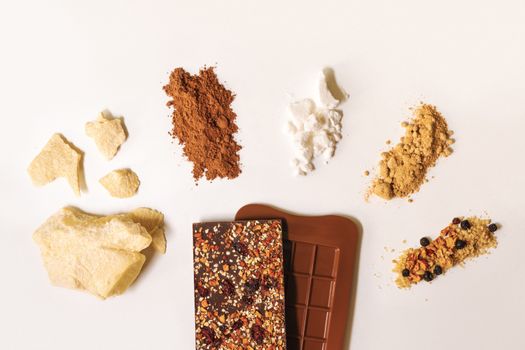
- The Minimalist Approach: High-quality bean to bar chocolate often contains just three ingredients: cacao beans, sugar, and cocoa butter. This purity allows the true character of the cacao to shine through.
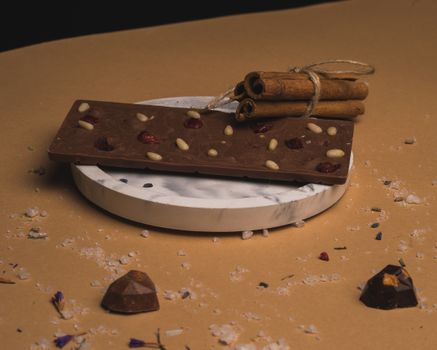
- Beyond the Bar: Many makers are also experimenting with inclusions like local spices, fruits, and even sea salt, further enhancing the unique terroir of their chocolate.
Quick Facts: Planning Your Bean to Bar Adventure
| Aspect | Details | Estimated Cost ($) | Best Time to Visit | How to Get There | | :-------------------- | :------------------------------------------------------------------------------------------------------ | :----------------- | :---------------------------------------------------- | :------------------------------------------------------------------------------------------------------------------------------------------ | | Farm Stays | Immersive experiences on cacao farms, often including harvesting and processing. | $$$ - $$$$ | Dry season (varies by region, e.g., June-October in parts of Ecuador) | Fly into the nearest major international airport and arrange private transfer or local transport. | | Chocolatier Workshops | Hands-on classes in urban settings, focusing on chocolate making techniques. | $$ - $$$ | Year-round | Easily accessible via public transport or ride-sharing in major cities. | | Chocolate Tasting Rooms | Dedicated spaces for sampling various single-origin and artisanal chocolates. | $ - $$ | Year-round | Typically found in tourist-friendly districts or city centers. | | Bean to Bar Festivals | Events showcasing multiple makers, offering tastings, workshops, and retail opportunities. | $ - $$ (entry fee) | Varies seasonally and by location | Check local event listings and travel websites; often held in accessible urban locations. | | Typical Bar Cost | High-quality, artisanal bars made with premium beans and ethical sourcing. | $10 - $25+ per bar | N/A | N/A | | Pro-Tip for Budgeting | Look for packages that combine accommodation with workshops or farm tours for better value. | | | |
The Future of Chocolate: A Deliciously Conscious Path
The bean to bar movement isn't just a trend; it's a revolution. It's a movement driven by a passion for quality, a respect for the craft, and a growing awareness of the impact our food choices have. This year, as you embark on your own chocolate adventures, I encourage you to go beyond the familiar and seek out these incredible makers. Taste the dedication, savor the journey, and discover the true, unadulterated magic of chocolate, from the very first bean to the final, exquisite bar.