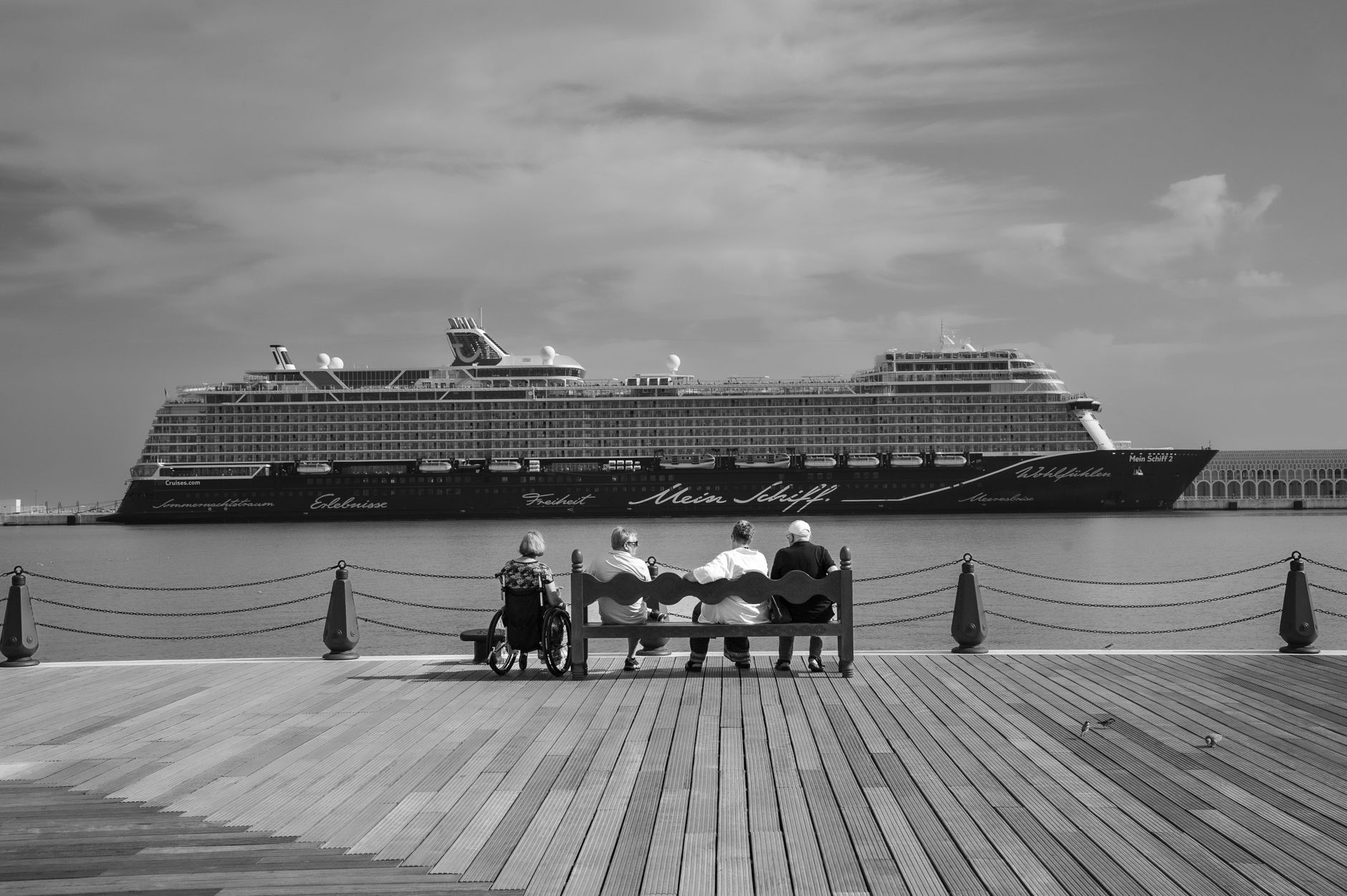
Cruises can be a practical way to see several destinations without repeatedly unpacking, and many ships include features that support travelers with mobility, sensory or other accessibility needs. Yet a cruise combines a hotel, a transport system and a series of shore visits, and each part must work for the traveler. Travel advisors often recommend confirming details well before departure, because accessibility features, policies and shore conditions vary considerably by ship and itinerary. This checklist-style guide explains what to ask, what to check and how to prepare.
Start with the cruise line's accessibility information
Every cruise line publishes accessibility information, but its depth varies. Look for descriptions of accessible cabins, public areas, lifts, pools and entertainment venues. Check whether the information covers the specific ship you plan to sail, since fleets can differ. Accessibility details are best confirmed directly with the line's accessibility or guest support team, who can explain what is available and answer questions about your specific needs. Keep written records of the answers you receive, including dates and names where possible.
Ask about medical and mobility support as well. Some lines provide assistance with boarding or disembarkation, and some can arrange supplies such as oxygen or mobility equipment with notice. Policies on carrying medical devices and medications also differ, so confirm them in advance.
Choosing and checking your cabin
Accessible cabins vary in size, door width, bathroom layout and fittings such as grab rails and roll-in showers. Some ships have multiple categories, so ask for the exact dimensions and features rather than relying on the word accessible. Consider where the cabin sits on the ship, since proximity to lifts and public areas can make a significant difference to daily movement. Verify that the bed height, lighting and storage suit your needs, and ask whether the cabin can be inspected or photographed before boarding.
If you travel with a companion, check whether a cabin can accommodate both of you comfortably, including any equipment you bring. Ask about the storage options for mobility aids in the cabin and the rules for charging devices.
Planning embarkation and disembarkation
Port procedures can be busy and noisy, so plan for extra time. Check whether priority boarding is available, and whether you can arrive at a set time that suits your needs. Find out how luggage is handled, particularly if you use specialized equipment that must travel with you. Ask about accessible transport options at the port and whether assistance is available for walking between terminal areas and the ship. Disembarkation can be early or staggered, so confirm how and when you will leave the ship on your final morning.
Consider the transfer from the port to your home or hotel as well. Confirm that the transport you book can accommodate your equipment and any assistance you need.
Shore excursions and port conditions
Ports vary widely in accessibility. Some have level, well-maintained piers and accessible transport, while others involve steep streets, cobblestones, tenders or long walks. Before booking shore excursions, ask the cruise line or operator about the terrain, distances, pace and whether tenders are used. Many lines offer accessible excursions with adapted vehicles or reduced walking, though availability varies by port. You can also arrange independent visits, but check transport options, opening hours and accessibility of sites in advance, since local information can change.
If a port is difficult, you may prefer to stay onboard or choose a shorter outing. A relaxed day on the ship can be just as enjoyable as an ambitious excursion.
Onboard comfort and daily routine
Look at the public spaces you will use every day, including dining rooms, theaters and the spa. Check whether buffet areas have accessible service options, whether seating is available near entertainment and whether accessible restrooms are close to the areas you visit most. Ask about the availability of medical staff and facilities, and make sure you know how to request assistance in an emergency. Sea conditions can affect balance, so plan for movement by using handrails and allowing time to adjust.
Practical tips
Start planning early, since accessible cabins can sell out. Keep a written list of your requirements and bring it to every conversation. Confirm details again a few weeks before departure, and check the day before boarding. Pack essential medications, equipment and documents in your carry-on bag. Ask whether a travel insurance policy covers your conditions, and read its terms carefully. Consider a trip with a travel advisor who specializes in accessible travel if you want additional support.
Common mistakes to avoid
Many travelers assume that a cabin labeled accessible will suit every need, but the label can cover a wide range of layouts. A frequent error is booking before confirming the exact dimensions, the bathroom features and the route from the cabin to the main public areas. Another is relying on verbal assurances from a sales contact without a written record. Some people plan port days as though every destination will be easy to reach, which leads to disappointment when a pier is distant or a tender is required. Others forget to consider whether a companion can manage the same routine, including shared meals, showers and walking between decks. Overlooking the rest of the trip, such as the hotel before or after the sailing, is another common gap, because its access may differ greatly from the ship's.
Who this suits and who it doesn't
A cruise can suit travelers who want a single base that moves them between destinations, who value onboard facilities and who are comfortable doing some planning around ports. It can work particularly well for those who prefer a predictable daily routine with easy access to dining and entertainment within the ship. It may be less suitable for people who find long periods on board tiring, who need frequent access to specialist medical care that a ship may not offer, or who struggle with the uneven surfaces common at many ports. Travelers who prefer to set their own pace on land may find that a land-based trip gives more flexibility. The right answer depends on how much structure you want and how confident you feel about the practical details.
Frequently asked questions
Do I need to tell the cruise line about my needs before booking? Yes, it is generally best to do so early, so that adaptations can be confirmed in the reservation. Describe your needs clearly and ask for written confirmation.
Can a carer usually share the cabin without extra arrangements? This varies by line and cabin type. Ask whether the cabin size, bed arrangement and meal plans suit both people, and check how any additional fees are handled.
Is travel insurance essential? Many travelers find cover valuable for medical care abroad and for cancellation, but policies differ widely. Read what is excluded, especially pre-existing conditions and specific activities.
A cruise can work well for travelers with accessibility needs when each part of the journey has been checked. A clear list of questions, a cabin that meets your needs and realistic expectations for port visits will help you enjoy the voyage.


