Driving in Italy offers the freedom to explore its diverse landscapes and historic towns at your own pace. While it presents unique challenges, with preparation, a road trip can be a rewarding way to experience the country's charm and beauty.
Navigating Italian Roads
Which Side of the Road?
In Italy, as in most of mainland Europe, drivers operate on the right-hand side of the road. This means the steering wheel is on the left side of the car, and traffic flows counter-clockwise around roundabouts. For visitors accustomed to left-hand driving, it takes a little getting used to, especially when making turns or navigating busy intersections.
What Driving is Like
Driving conditions vary significantly across Italy, from high-speed motorways to winding rural lanes and congested city streets.
- Motorways (Autostrade): These are generally well-maintained, multi-lane highways that connect major cities and regions. They are designed for faster travel, often with speed limits higher than other roads. Motorways are typically tolled, and service stations are regularly spaced for fuel, food, and rest. Driving on the autostrade is usually straightforward, similar to highway driving in many other countries.
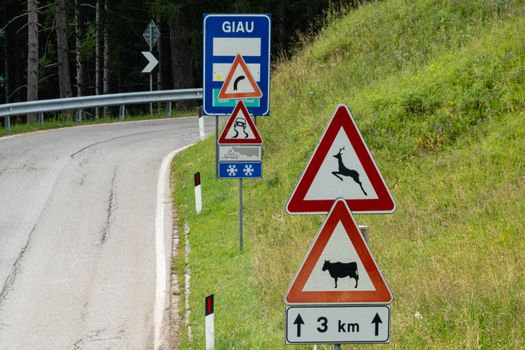
- Rural Roads: Away from the main motorways, Italy's rural roads offer some of the most picturesque drives. These can range from smooth, two-lane roads through vineyards to narrow, winding paths in mountainous areas or along coastlines. Expect varying surfaces, occasional potholes, and local traffic including tractors or scooters. These roads demand more attention but reward drivers with stunning views and access to smaller towns and villages.
- City Driving: Driving in Italian cities can be a challenging experience. Streets are often narrow, one-way systems are common, and traffic can be dense. Many historic city centers have 'Zona a Traffico Limitato' (ZTL) areas, where vehicle access is restricted at certain times or for specific vehicles. It is crucial to be aware of these zones and their signs, as unauthorized entry can result in fines. We advise parking outside these areas and using public transport or walking to explore city centers.
Car Hire and Preparation
Hiring a Car
When planning a road trip, booking your rental car in advance is advisable, especially during peak travel seasons. Most major international car rental companies operate in Italy, with offices at airports and in larger cities. Consider the size of the car carefully; a smaller vehicle can be advantageous for navigating narrow city streets and parking, though a larger car might offer more comfort for longer motorway stretches.
Ensure your driving licence is valid for use in Italy and carry any necessary international permits. We recommend checking the official Italian government website for the most current requirements before your trip. Pay close attention to the insurance options offered by the rental company; comprehensive coverage can provide peace of mind.
Essential Checks Before You Go
Before you travel, it is vital to consult the official Italian government website or your country's foreign travel advice for the most up-to-date information on driving laws, required documents, and any compulsory equipment to carry in your vehicle. This includes details on licence validity, international driving permits, and items like reflective vests or warning triangles. Regulations can change, so checking official sources ensures you are fully prepared and compliant.
Parking, Tolls, and Fuel
Parking in Cities
Parking in Italian cities can be difficult and expensive. Look for parking signs that indicate allowed zones:
- Blue Lines: Paid parking. You'll usually need to purchase a ticket from a nearby meter (parcometro) or use a parking app.
- White Lines: Free parking, but often limited in duration or reserved for residents in some areas. Always check accompanying signs.
- Yellow Lines: Reserved for residents or specific vehicles (e.g., disabled parking). Do not park here unless you have the appropriate permit.
As mentioned, many historic centers have ZTLs. If you are staying at a hotel within a ZTL, inquire if they can register your vehicle for temporary access. Otherwise, parking outside the ZTL and using public transport is often the best strategy.
Tolls (Pedaggi)
Most Italian motorways (autostrade) are toll roads. The system is generally straightforward:
- Entry: Take a ticket from a machine as you enter the motorway.
- Exit: Pay at the toll booth when you exit. The fee is calculated based on the distance traveled and the vehicle category.
Payment options typically include cash, credit/debit cards, and the electronic Telepass system. Look for the correct lane at the toll booth; lanes marked with a yellow 'Telepass' sign are for subscribers only. Lanes with cash or card symbols are for manual or automatic payment.
Fuel and Charging
Fuel stations are widely available, especially along motorways and main roads. Common fuel types include:
- Benzina: Petrol (unleaded)
- Diesel: Diesel
- GPL/Metano: LPG/CNG (less common, but available)
Many stations are self-service (fai da te), particularly outside of business hours. For electric vehicles, the charging infrastructure is growing across Italy, particularly in major cities and along key routes. However, it is advisable to plan your charging stops in advance, especially if traveling through more rural or remote areas, using apps or dedicated charging network maps.
The Best Scenic Drives in Italy
Italy offers a wealth of stunning routes perfect for a road trip. Here are a few highlights:
Amalfi Coast
This iconic drive along the SS163 offers incredible views of the Tyrrhenian Sea, dramatic cliffs, and picturesque towns like Positano, Amalfi, and Ravello. The road is narrow and winding, with many hairpin bends, making for a slow but rewarding journey. It is best enjoyed outside of peak summer months to avoid heavy traffic.
Tuscany's Rolling Hills
Explore the heart of Tuscany on roads that wind through cypress-lined avenues, vineyards, and olive groves. Routes around the Chianti region, connecting towns like Siena, Florence, and San Gimignano, offer quintessential Italian landscapes. Stop at local wineries, historic villages, and enjoy the region's renowned cuisine.
Dolomite Mountain Passes
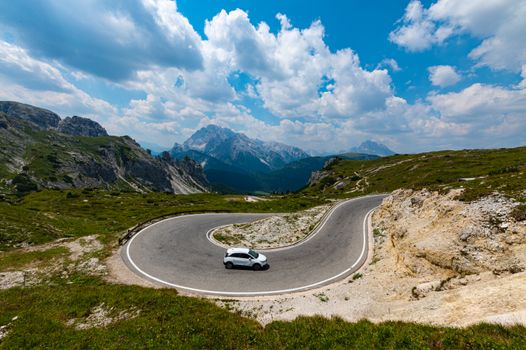
For those who love alpine scenery, the Dolomites in northern Italy provide spectacular drives. Roads like the Great Dolomite Road (Grande Strada delle Dolomiti) feature dramatic peaks, deep valleys, and winding passes such as the Sella Pass or Pordoi Pass. These routes offer breathtaking vistas and access to charming mountain resorts.
Lake Como and the Northern Lakes
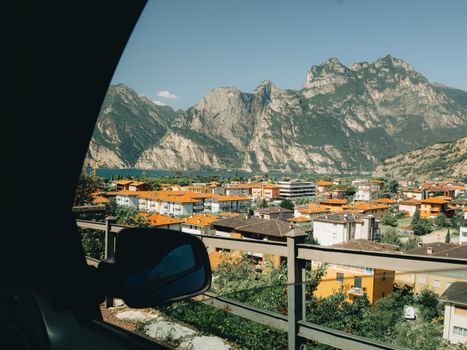
Drive around the shores of Lake Como, Lake Garda, or Lake Maggiore to experience the elegance of northern Italy. Lakeside roads offer views of grand villas, lush gardens, and charming towns like Bellagio or Varenna. The routes can be narrow in places, but the scenery is truly captivating.
Frequently asked questions
Is driving in Italy difficult for visitors?
Driving in Italy can be challenging, particularly in cities with their narrow streets and ZTLs, and on some winding rural roads. However, motorways are generally straightforward and well-maintained. With careful planning, a GPS, and an understanding of local driving customs, visitors can navigate Italy's roads successfully.
What are ZTLs?
ZTL stands for 'Zona a Traffico Limitato' or Limited Traffic Zone. These are areas, typically in historic city centers, where vehicle access is restricted at certain times or for specific vehicles to reduce congestion and pollution. Entering a ZTL without authorization can result in a fine, so it is crucial to pay attention to signage and plan your route accordingly.
How do tolls work on Italian motorways?
Most Italian motorways operate on a closed toll system. You take a ticket from a machine when you enter the motorway and then pay at a toll booth when you exit, with the fee based on the distance traveled. Payment can usually be made with cash, credit/debit cards, or via the electronic Telepass system in designated lanes.
Is it easy to find electric car charging stations?
The network of electric vehicle charging stations in Italy is expanding, especially in urban areas and along major motorway routes. While it is becoming easier to find charging points, particularly in larger cities, it is still advisable to use a charging app or map to plan your stops, especially when traveling through more remote or rural regions.