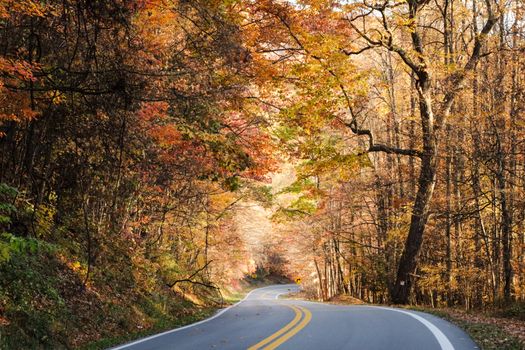
The crisp air, the scent of woodsmoke, a warm drink in hand, and a landscape ablaze with fiery reds, brilliant oranges, and shimmering golds. Ah, fall. For many, it conjures images of New England covered bridges, Canadian maples, or the iconic momiji season in Japan. And while those are undoubtedly beautiful, my friends, I’m here to tell you a secret: there's a whole world of unconsidered autumn magic waiting to be discovered.
I remember my first "proper" leaf-peeping trip. I’d seen the Instagram posts, read the articles, and booked a quaint B&B in a picture-perfect New England town. Don't get me wrong, it was lovely. But as I stood there, elbow-to-elbow with fellow enthusiasts, all snapping the same iconic covered bridge, a thought sparked: Is this it? Is this the pinnacle of fall? My adventurer's heart whispered, "There has to be more. There must be places where the fall colors are just as spectacular, but the crowds are thinner, the culture richer, and the experience profoundly more mine."
That whisper turned into a quest, and over the years, I’ve chased autumn's fleeting beauty across continents, seeking out the truly unique, the genuinely surprising. I’ve found places where ancient forests blaze against dramatic mountains, where folklore blends with fiery leaves, and where the sheer unexpectedness of the spectacle will stop you in your tracks.
So, put down that pumpkin spice latte, bookmark this page, and prepare to have your fall travel plans utterly revolutionized. These aren’t just destinations; they’re experiences – vibrant, authentic, and utterly unforgettable. These are the fall colors you need to experience before you die.
1. The Golden Larches of the Dolomites, Italy: Alpine Majesty Meets Autumnal Glow
Imagine towering, jagged peaks, a UNESCO World Heritage site, carved by glaciers and steeped in legend. Now, paint that landscape with splashes of brilliant gold, as if Midas himself touched every tree. Welcome to the Dolomites in autumn, specifically during larch season. While the Dolomites are famous for summer hiking and winter skiing, their fall transformation is a secret weapon.
My first encounter with Dolomitic larches was on a hike near Val Gardena. I'd expected stunning mountains, of course, but the sheer intensity of the golden trees against the pale grey rock faces and the deep blue sky was jaw-dropping. It wasn't just a pretty scene; it felt like walking through a living, breathing painting. The air was crisp, the trails surprisingly quiet compared to peak summer, and the only sounds were my boots on fallen needles and the distant chime of cowbells.
Why it's Unconsidered: Most tourists flock here in summer or winter. Fall offers perfect hiking weather, fewer crowds, and a color palette unlike anywhere else. Larches are deciduous conifers, meaning their needles turn a spectacular golden-yellow before falling, creating a unique contrast with the evergreen pines.
When to Go: Mid-October to early November is prime larch season. The exact timing varies with elevation and year, so check local reports.
Must-Experience Spots:
- Val di Funes: Iconic for its charming churches (Santa Maddalena, San Giovanni) nestled in meadows, framed by the Geisler Group peaks, all surrounded by golden larches. It’s postcard-perfect.
- Lago di Braies (Pragser Wildsee): While popular, the golden larches around the lake in autumn add another layer of magic, especially at sunrise when the reflections are pristine.
- Seceda Ridgeline: Take the cable car up for panoramic views. The larches below look like golden rivers flowing through the valleys.
- Tre Cime di Lavaredo: The classic hike is even more spectacular with autumn colors in the distant valleys.
Practical Tips:
- Accommodation: Stay in a charming agriturismo (farm stay) for authentic local food and hospitality. I loved one near Ortisei, where the owner served homemade speck and elderflower wine. Expect to pay €80-€150/night for a good B&B or agriturismo.
- Gear: Layers are key. Days can be sunny and mild, but evenings are chilly. Good hiking boots are essential.
- Driving: Rent a car for flexibility. The mountain passes are a joy to drive, offering incredible vistas around every bend.
- Food: Don't leave without trying canederli (dumplings), schlutzkrapfen (spinach ravioli), and of course, local wines and cheeses.
Instagram Moment: The small church of San Giovanni in Ranui, Val di Funes, with the Geisler peaks and golden trees behind it. Pure magic.
2. Patagonia, Argentina & Chile: Southern Hemisphere's Fiery Fall
When we think of fall, our minds usually drift to the Northern Hemisphere. But what if I told you that in April and May, the rugged landscapes of Patagonia burst into a fiery display of reds and oranges that will leave you breathless? This is the magic of the lenga tree, native to the Andes, whose leaves turn a vivid crimson before winter sets in.
My trip to Patagonia in late April was primarily for hiking, but the fall colors were an unexpected, glorious bonus. Trekking through Los Glaciares National Park in Argentina, I remember pausing on a trail, surrounded by a forest of lengas, their leaves a shade of red so intense it almost hurt my eyes. The colors were even more dramatic against the backdrop of snow-capped peaks and turquoise glaciers. It was a sensory overload – the crisp air, the scent of damp earth, the rustle of leaves underfoot, and the visual symphony of red, white, and blue.
Why it's Unconsidered: The timing! Most people visit Patagonia in the Southern Hemisphere summer (Dec-Feb). Visiting in autumn means fewer crowds, better chances for wildlife spotting, and those incredible fall colors.
When to Go: Late April to mid-May for peak colors.
Must-Experience Spots:
- El Chaltén, Argentina: The trekking capital, with trails leading to iconic peaks like Fitz Roy and Cerro Torre. The lenga forests around the trails are spectacular. Hike to Laguna de los Tres for incredible views of Fitz Roy framed by fiery trees.
- Torres del Paine National Park, Chile: While the park is famous for its "W" and "O" treks, the lenga forests around the base of the towers and along the Grey Glacier trail are stunning in autumn.
- Los Glaciares National Park, Argentina (Perito Moreno Glacier area): The drive to the glacier itself is lined with beautiful fall foliage, and the contrast of the red trees against the blue ice is unforgettable.
- Tierra del Fuego National Park, Argentina: Near Ushuaia, the "End of the World," this park offers coastal hikes through vibrant lenga forests.
Practical Tips:
- Weather: Expect unpredictable Patagonian weather – sun, wind, rain, and even snow are possible on the same day. Pack layers, waterproof gear, and sturdy hiking boots.
- Accommodation: In El Chaltén, expect hostels from $20/night, and mid-range hotels/guesthouses from $80-$150. Book in advance, even in shoulder season.
- Flights: Fly into El Calafate (Argentina) or Puerto Natales (Chile) and then take buses to your trekking base.
- Photography: The light in autumn is often softer, creating incredible conditions for landscape photography. The reds and oranges truly pop.
Instagram Moment: A selfie with Fitz Roy in the background, surrounded by a sea of crimson lenga leaves, or a shot of the vibrant forests reflected in a Patagonian lake.
3. Transylvania, Romania: Fairy Tale Forests and Ancient Castles
Step into a land of ancient forests, medieval castles, and folklore, all painted in the rich, earthy tones of autumn. Transylvania, Romania, is more than just Dracula's stomping ground; it's a hidden gem for fall foliage, where the Carpathian Mountains come alive with a symphony of gold, rust, and deep red.
My journey through Transylvania in October was like walking into a Brothers Grimm fairy tale. The winding roads through the Carpathian foothills were lined with oak, beech, and maple trees, their leaves a riot of color. One evening, driving towards Bran Castle, the setting sun cast a golden glow over the forest, making the ancient trees seem to shimmer. It was a mystical, almost haunting beauty, perfectly complementing the region's rich history and legends. I remember stopping at a small roadside han (inn) for a traditional meal, the air thick with the smell of woodsmoke and hearty stew, surrounded by the vibrant autumn landscape.
Why it's Unconsidered: While Eastern Europe is gaining popularity, Transylvania isn't typically on the fall foliage radar. Yet, its vast, unspoiled forests offer a truly immersive and atmospheric autumn experience.
When to Go: Mid-October for peak colors.
Must-Experience Spots:
- Prahova Valley: The main route from Bucharest into Transylvania is incredibly scenic, especially around Sinaia (Peleș Castle) and Bușteni.
- Bucegi Natural Park: Offers stunning hiking trails through dense forests that are ablaze with color. Take the cable car from Bușteni for panoramic views.
- Viscri & Biertan: These UNESCO World Heritage Saxon villages, with their fortified churches, are nestled amidst rolling hills and forests that turn golden in autumn. It's a step back in time.
- Transfăgărășan Road: While famous, driving this spectacular mountain pass in late autumn (before it closes for snow) offers breathtaking views of valleys filled with vibrant trees. Check opening dates carefully.
- Bran Castle & Râșnov Fortress: Visiting these iconic castles surrounded by autumnal forests adds to their dramatic appeal.
Practical Tips:
- Car Rental: Essential for exploring the region independently. Roads are generally good, but some rural areas can be winding.
- Accommodation: Stay in charming guesthouses (pensiuni) or boutique hotels in towns like Brașov or Sibiu. Expect €40-€80/night for comfortable stays.
- Food: Indulge in hearty Romanian cuisine: sarmale (cabbage rolls), mici (grilled sausages), and papanași (doughnuts with sour cream and jam).
- Local Culture: Engage with locals. Many guesthouses offer homemade meals and stories that add immense value to the trip.
Instagram Moment: Bran Castle (Dracula's Castle) shrouded in mist, surrounded by a fiery forest, or a drone shot over the Transfăgărășan Road winding through a kaleidoscope of colors.
4. The Golden Moors of the Scottish Highlands, UK: A Rugged, Wild Autumn
When you picture the Scottish Highlands, you likely imagine dramatic lochs, rugged mountains, and perhaps a touch of mist. But in autumn, this already stunning landscape undergoes a magical transformation, as the vast expanses of bracken turn a rich, burnished gold, complemented by the fiery reds of rowan trees and the soft yellows of birch and larch. It’s a wild, untamed beauty.
My own autumn adventure in the Highlands began with a drive along Loch Ness. The greens were fading, giving way to the rich ochres of the moorland, and the ancient forests around the loch were flecked with gold. Later, hiking in Glen Coe, the sheer scale of the golden landscape against the brooding mountains was humbling. The air was crisp and invigorating, and the only sounds were the wind whistling past my ears and the distant cry of a stag. It felt ancient, raw, and utterly magnificent.
Why it's Unconsidered: Scotland is often visited in summer. While the Highlands are always beautiful, autumn brings a unique color palette and fewer midges (a huge bonus!).
When to Go: Mid-September to late October for the best colors.
Must-Experience Spots:
- Glen Coe: The dramatic valley is breathtaking, but in autumn, the golden bracken and heather clinging to the hillsides add another layer of majesty. Hike one of the many trails for immersive views.
- Loch Lomond & The Trossachs National Park: The southern Highlands offer a mix of lochs and forests that turn vibrant shades of yellow and orange. Drive the scenic routes and stop at viewpoints.
- Cairngorms National Park: Britain's largest national park, home to ancient Caledonian pine forests, which, when mixed with birch and larch, create a diverse autumn tapestry. Look for red squirrels.
- Isle of Skye (less for trees, more for moors): While Skye isn't heavily forested, the vast moorlands turn a beautiful golden-brown, creating a different, equally stunning autumn aesthetic against the dramatic rock formations.
- Perthshire ("Big Tree Country"): This region is renowned for its impressive trees and woodlands, including the "Hermitage" near Dunkeld, with its towering Douglas firs and a stunning waterfall.
Practical Tips:
- Weather: Be prepared for all four seasons in one day. Waterproofs, warm layers, and sturdy footwear are non-negotiable.
- Car Rental: Essential for exploring the remote beauty of the Highlands. Roads are generally well-maintained.
- Accommodation: From charming B&Bs to cozy self-catering cottages, options abound. Expect £70-£150/night for a decent B&B. Book in advance, especially for popular areas.
- Whisky Trail: Combine your leaf-peeping with a visit to a distillery. Many are particularly atmospheric in the cooler months.
Instagram Moment: A lone stag silhouetted against a golden moorland backdrop in Glen Coe, or a reflection of autumn trees in a still, misty loch.
5. Kyrgyzstan: Central Asia's Untamed Autumn Wonderland
Now, for something truly off the beaten path. Imagine vast, wild landscapes, nomadic cultures, and mountains that touch the sky – the Tian Shan. In autumn, Kyrgyzstan, a jewel of Central Asia, transforms into a land of golden pastures, ancient walnut forests, and vibrant poplars, all set against a backdrop of snow-dusted peaks. This is adventure autumn.
My journey to Kyrgyzstan was a dive into the unknown, and its autumn colors were one of the most unexpected delights. Trekking through the Arslanbob walnut forests, believed to be the largest natural walnut forests in the world, was an almost spiritual experience. The trees, some hundreds of years old, were a riot of yellow and orange, and the air was filled with the earthy scent of fallen leaves and walnuts. Later, riding horseback through Jyrgalan Valley, the golden pastures stretched for miles, framed by the first dusting of snow on the peaks – a truly wild, untamed fall.
Why it's Unconsidered: Kyrgyzstan is still very much an emerging destination, known more for its summer trekking and yurt stays. Its autumn beauty is largely undiscovered by mass tourism.
When to Go: Late September to mid-October for peak colors in the valleys and lower mountain regions.
Must-Experience Spots:
- Arslanbob: Home to the world's largest natural walnut forests. In autumn, the trees are a spectacular golden-yellow. You can stay in homestays and hike through the forests.
- Jyrgalan Valley: A haven for outdoor enthusiasts. In autumn, the pastures turn golden, and the surrounding mountains become a mix of green, yellow, and the first snow. Horseback riding here is an unforgettable experience.
- Lake Issyk-Kul: The second-largest alpine lake in the world. The valleys leading to the lake and the trees along its shores offer beautiful fall colors, especially around Karakol.
- Ala Archa National Park: A short drive from Bishkek, this park offers stunning mountain scenery, and the lower slopes are dotted with golden birches and poplars in autumn.
Practical Tips:
- Visa: Many nationalities can enter Kyrgyzstan visa-free for up to 60 days. Check specific requirements.
- Accommodation: Expect homestays and guesthouses (often arranged through CBT - Community Based Tourism initiatives) for around $20-$40/night, including meals. In Bishkek and Karakol, there are more hotel options.
- Transport: Shared taxis and marshrutkas (minibuses) are common. For more remote areas, hiring a driver or joining a tour is recommended.
- Cultural Immersion: Embrace the nomadic culture. Stay in a yurt if possible (though some may be packing up by late fall), try kumis (fermented mare's milk), and enjoy traditional Kyrgyz hospitality.
- Packing: Layers are crucial. Days can be mild, but nights are cold, especially in the mountains. Good hiking boots are essential.
Instagram Moment: A traditional yurt camp nestled in a golden valley with snow-capped Tian Shan mountains in the background, or a close-up of vibrant walnut leaves.
6. Upper Peninsula, Michigan, USA: Great Lakes Grandeur and Forest Fire
You might be thinking, "The US? That's not unconsidered!" But hear me out. While New England hogs the fall foliage spotlight, the Upper Peninsula (UP) of Michigan offers an equally, if not more, spectacular display, with the added grandeur of the Great Lakes and a fraction of the crowds. It's a rugged, wild, and deeply authentic American autumn experience.
My UP road trip was a revelation. Driving along the shores of Lake Superior, with the dense forests ablaze in crimson and gold, felt like a secret I was privileged to uncover. One afternoon, I stood at Miners Castle in Pictured Rocks National Lakeshore, watching the waves crash against the colorful sandstone cliffs, framed by a forest canopy that looked like it was on fire. The sheer scale of the colors, combined with the vastness of the lake, was truly humbling. The air was pure and invigorating, smelling of pine and damp earth, and the only sounds were the gulls and the lake.
Why it's Unconsidered: Often overshadowed by its East Coast counterparts, the UP delivers incredible fall colors, especially along its stunning Great Lakes coastline, offering a unique blend of forest and water landscapes.
When to Go: Late September to mid-October for peak colors. The exact timing can vary, so check local fall color reports.
Must-Experience Spots:
- Pictured Rocks National Lakeshore: Drive or hike along the cliff tops for incredible views of the sandstone formations framed by vibrant forests. Miners Castle and Miners Beach are stunning. Take a boat tour for a different perspective.
- Marquette: A charming city on Lake Superior with beautiful fall colors right in town and surrounding areas. Hike Sugarloaf Mountain for panoramic views.
- Porcupine Mountains Wilderness State Park: Home to old-growth forests that turn brilliant in autumn. Hike to the Lake of the Clouds overlook for an iconic vista.
- Tahquamenon Falls State Park: Witness the "Root Beer Falls" (stained brown by tannins) surrounded by a stunning kaleidoscope of autumn leaves.
- Copper Harbor (Keweenaw Peninsula): Drive the scenic M-26 for incredible lake views and vibrant foliage. Take the Brockway Mountain Drive for panoramic vistas.
Practical Tips:
- Road Trip: The UP is best explored by car. The scenic drives are a destination in themselves.
- Accommodation: From cozy cabins and boutique hotels in Marquette to more rustic lodges in state parks, options are plentiful. Expect $100-$200/night for good mid-range options. Book well in advance!
- Food: Don't leave without trying a pasty (a savory meat pie), a local specialty. Also, enjoy fresh whitefish from the Great Lakes.
- Layer Up: Weather can change quickly, especially near the lakes. Bring warm layers and rain gear.
- Photography: The contrast of the brilliant fall colors against the deep blue of Lake Superior and the rugged coastline is incredibly photogenic.
Instagram Moment: A panoramic shot from Brockway Mountain Drive overlooking the Keweenaw Peninsula, or a vibrant forest reflected in the calm waters of Lake Superior at sunrise.
---
Beyond the Postcard: Embrace the Unseen
My friends, the world is vast and full of unexpected beauty. While the classic fall destinations are popular for a reason, there's a profound joy in seeking out the less-trodden path, in finding beauty where others might not even think to look. These six destinations offer not just incredible fall colors, but also unique cultural experiences, exhilarating adventures, and a chance to truly connect with nature in its most spectacular season.
So, this autumn, I challenge you: don't just follow the crowds. Venture a little further, dig a little deeper, and discover the fall colors that will truly move your soul. Whether it's the golden larches of the Dolomites, the fiery lengas of Patagonia, or the wild beauty of Kyrgyzstan, these are the experiences that will fill your travel journal and your heart, long after the leaves have fallen.
Which of these incredible fall destinations will you add to your bucket list first? Share your thoughts in the comments below, and let's inspire each other to chase autumn's hidden wonders!
---