Your Ticket to Paradise: How to Be a Responsible Tourist in Fragile Ecosystems You Need to Experience Before You Die
I remember the first time I saw a sea turtle hatchling make its perilous dash for the ocean. It was on a remote beach in Costa Rica, under the watchful eyes of a local conservation group. The sheer vulnerability, the instinctual drive, the overwhelming odds – it was a moment that simultaneously filled my heart with wonder and a profound sense of responsibility. This tiny creature, barely bigger than my palm, was a testament to the delicate balance of life on our planet, a balance that is increasingly threatened.
We all have a bucket list, don't we? Those dream destinations that call to our souls – the vibrant coral gardens of Raja Ampat, the ancient rainforests of the Amazon, the icy majesty of Antarctica, or the unique wildlife haven of the Galápagos. These aren't just pretty pictures; they are living, breathing wonders, often home to unique species found nowhere else on Earth. But here's the uncomfortable truth: many of these dreamscapes are incredibly fragile, teetering on the brink, and our desire to experience them can, ironically, accelerate their decline if we're not careful.
The privilege of witnessing such beauty comes with an undeniable duty: to protect it. For me, that little sea turtle was a living symbol of why responsible tourism isn't just a buzzword; it's a moral imperative. It’s about ensuring that the very places we yearn to explore remain vibrant, healthy, and awe-inspiring for generations to come. This isn't about sacrificing adventure; it's about enriching it, making every journey a force for good.
Ready to embark on the adventure of a lifetime, the right way? Let's dive in.
The "Why": Understanding the Delicate Dance of Fragile Ecosystems
Before we talk about how to travel responsibly, let's understand why it's so crucial. What exactly makes an ecosystem "fragile"?
Imagine a house of cards. Each card represents a species, a geological feature, a climatic condition. Remove one, and the whole structure might wobble. Remove a few, and it collapses. That's a fragile ecosystem. They are often:
- Biodiversity Hotspots: Places teeming with unique life, many endemic (found nowhere else). Think the Galápagos Islands and their iconic finches, or the Amazon with its unimaginable array of plants and animals.
- Slow to Recover: Some environments, like polar regions or ancient forests, take centuries or even millennia to form. Damage here isn't easily undone.
- Highly Specialized: Species in these areas often have very specific requirements for survival. A slight change in temperature, water quality, or food source can be devastating.
- Under Immense Pressure: Climate change, pollution, habitat destruction, and, yes, even unmanaged tourism, are constant threats.
I once visited a cloud forest in Ecuador, a misty wonderland where trees dripped with orchids and bromeliads. My local guide, a man whose family had lived there for generations, pointed out a tiny, iridescent hummingbird. "This one," he said, "relies on very specific flowers, which rely on very specific conditions. If the clouds don't come, or the temperature rises too much, they all suffer." It was a sobering reminder of the interconnectedness of everything, and how easily our actions, even seemingly small ones, can disrupt this delicate balance.
Your takeaway: Every step you take in these places has an impact. Understanding this isn't meant to scare you, but to empower you to make informed, positive choices.
Before You Go: Research & Preparation Are Your Green Passport
The journey to responsible tourism begins long before you pack your bags. It starts with conscious planning and thorough research.
1. Choose Responsible Operators: Your Eco-Alliance
This is arguably the most critical step. Not all "eco-tours" are truly eco-friendly. Many are simply greenwashing. How do you tell the difference?
- Look for Certifications: Organizations like the Global Sustainable Tourism Council (GSTC), Green Globe, or local certifications (e.g., Costa Rica's Certification for Sustainable Tourism) verify genuine commitment.
- Small Group Sizes: Responsible operators prioritize minimal impact, which usually means smaller groups. A boat packed with 50 people is less likely to be truly sustainable than one with 10.
- Local Employment & Fair Wages: Do they employ local guides, staff, and support local businesses? This ensures your money directly benefits the community that lives alongside these ecosystems.
- Waste Management & Conservation Efforts: Ask about their waste disposal practices, water and energy conservation, and if they contribute directly to local conservation projects.
- Educational Focus: A good eco-tour operator will educate you about the environment, local culture, and responsible practices.
Personal Story: When planning my trip to the Amazon, I spent weeks researching operators. I chose a small, family-run lodge deep in the Peruvian Amazon (like the Refugio Amazonas or Posada Amazonas lodges, expect prices around $400-600 USD per person for 3-4 days, all-inclusive). They employed only local guides from the surrounding communities, used solar power, had composting toilets, and actively supported a macaw clay lick research project. The difference was palpable – our guides spoke with genuine passion about their home, and every dollar felt like it was truly making a difference.
2. Pack Smart, Pack Green: Your Minimalist Mission
What you bring (or don't bring) matters.
- Reusable Everything: A reusable water bottle is non-negotiable. Many lodges offer filtered water refills. A reusable shopping bag, coffee cup, and even cutlery set can drastically reduce waste.
- Reef-Safe Sunscreen: If you're heading to coastal or marine environments, only use mineral-based sunscreens (zinc oxide or titanium dioxide) that are non-nano. Chemical sunscreens like oxybenzone and octinoxate are devastating to coral reefs. Brands like Badger Balm or Raw Elements are excellent choices.
- Minimal Packaging: Decant toiletries into reusable containers. Avoid single-use plastics wherever possible.
- Appropriate Clothing: Choose durable, quick-drying fabrics. For colder climates, consider wool or synthetic layers that don't shed microfibers easily into the environment.
- Biodegradable Toiletries: Look for soaps, shampoos, and conditioners that are biodegradable and free of harsh chemicals.
3. Educate Yourself: Be a Knowledgeable Explorer
Learn about the specific ecosystem you're visiting, its unique flora and fauna, local customs, and any specific rules or regulations. Knowing what to expect and how to behave shows respect and prevents accidental harm. A quick Google search for "[destination] environmental regulations" or "wildlife etiquette [destination]" can go a long way.
On Location: Mindful Engagement & Minimal Impact
You’ve arrived! Now, how do you ensure your presence is a blessing, not a burden?
1. Embrace the "Leave No Trace" Principles (Adapted for Fragile Ecosystems)
The core philosophy of responsible outdoor ethics is paramount here.
- Plan Ahead & Prepare: (Already covered!)
- Travel & Camp on Durable Surfaces: Stick to marked trails, boardwalks, and designated campsites. In sensitive areas like tundra or deserts, even a single footprint can last for years.
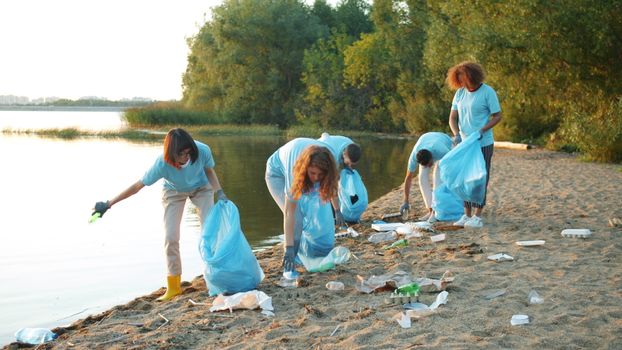
- Dispose of Waste Properly: Pack it in, pack it out. This includes all your trash, even organic waste like fruit peels (which can introduce non-native species or alter animal diets). Use designated bins for human waste or dig catholes at least 200 feet from water sources and trails.
- Leave What You Find: Don't take souvenirs like shells, rocks, plants, or historical artifacts. These are part of the ecosystem and belong there.
- Minimize Campfire Impacts: In fragile ecosystems, campfires are often prohibited or highly regulated. Use a camp stove for cooking.
- Respect Wildlife: This is huge. Maintain a respectful distance, never feed animals, avoid disturbing their habitats, and never, ever touch them. Your guide will often set specific distances.
- Be Considerate of Other Visitors: Keep noise levels down, share trails, and allow others to enjoy the solitude and beauty.
Personal Story: While snorkeling in the Galápagos (a place where a 7-day cruise can range from $3,000 to $10,000+ USD, but day trips are also possible from islands like Santa Cruz for $150-300 USD), I saw a group of tourists ignore their guide's instructions and try to get closer to a sea lion pup. The mother, clearly agitated, started barking. Our guide quickly but firmly intervened, explaining that disturbing wildlife, even with good intentions, can cause stress, separate parents from young, or even lead to aggression. It was a potent reminder that we are guests in their home.
2. Water & Energy Conservation: Every Drop Counts
Many fragile ecosystems are also resource-scarce.
- Short Showers: This is a simple one, but often overlooked.
- Turn Off Lights & AC: When leaving your room, switch off electronics and air conditioning.
- Report Leaks: If you notice a dripping faucet or a running toilet, inform the staff.
- Use Water Wisely: Be mindful of your water usage, knowing that every drop often comes from a precious local source.
3. Support Local, Buy Ethical: Your Economic Footprint
Your money has power.
- Hire Local Guides: They have invaluable knowledge and their livelihoods depend on the health of the ecosystem.
- Buy Local Crafts & Souvenirs: Support local artisans directly. Avoid mass-produced items.
- Eat Local Food: Patronize local restaurants and markets. It reduces food miles and supports the community.
- Avoid Illegal Products: Never buy products made from endangered species (e.g., coral jewelry, ivory, exotic animal skins). If in doubt, don't buy it.
Specific Ecosystems & Tailored Tips: Where Your Responsibility Shines
Let's get specific. Different ecosystems require different approaches.
A. Coral Reefs (e.g., Raja Ampat, Great Barrier Reef, Belize Barrier Reef)
These underwater cities are the rainforests of the ocean, teeming with life but incredibly vulnerable to rising temperatures, pollution, and physical damage.
- Reef-Safe Sunscreen is Non-Negotiable: I cannot stress this enough. Chemical sunscreens are literally poisoning the reefs.
- Buoyancy Control for Divers/Snorkelers: If you're diving or snorkeling (a 7-day liveaboard in Raja Ampat can cost $2,500 - $5,000+ USD, while day trips for snorkeling are much less), ensure you have excellent buoyancy control. Don't touch, kick, or stand on coral. Even a slight brush can kill a century-old colony.
- No Touching/Collecting: Never touch coral, fish, or other marine life. Don't take shells, sand, or coral as souvenirs.
- Support Marine Conservation: Consider joining a citizen science program or donating to local reef conservation efforts.
Personal Anecdote: Diving in Raja Ampat, Indonesia, was like entering another dimension. Schools of fish shimmered in every color imaginable, manta rays glided gracefully, and the coral stretched as far as the eye could see. But even there, in one of the world's most pristine marine environments, our guide pointed out patches of bleached coral, a stark reminder of the global threats. It drove home the point that my careful fin kicks and reef-safe sunscreen were tiny but crucial contributions to preserving this miracle.
B. Rainforests (e.g., Amazon, Borneo, Congo Basin)
These incredibly complex ecosystems are vital for global oxygen production and biodiversity, but face deforestation and illegal wildlife trade.
- Stick to Marked Trails: Rainforest soil is surprisingly fragile. Off-trail excursions can damage delicate plant life and disturb hidden creatures.
- No Littering, Even "Organic" Waste: Fruit peels and food scraps can introduce non-native seeds or attract animals, altering their natural diets and behavior.
- Respect Indigenous Communities: Many rainforests are home to indigenous peoples. Respect their land, culture, and privacy. Ask for permission before taking photos.
- Support Sustainable Eco-Lodges: Choose lodges that actively involve and benefit local communities and practice sustainable resource management.
- Wildlife Viewing from a Distance: Use binoculars or telephoto lenses. Never try to lure animals with food or sounds.
Personal Anecdote: Trekking through the Borneo rainforest in search of orangutans (a 3-day Tanjung Puting National Park tour can cost around $300-500 USD), I was struck by the sheer density of life. Our local guide, a former logger who now dedicated his life to conservation, shared stories of his childhood in the jungle. He emphasized the importance of staying on the narrow, often muddy, paths. "Every step off," he explained, "can crush a sapling that takes years to grow, or disturb a creature's home." Seeing a wild orangutan high in the canopy, observing us with quiet curiosity, was a profound experience, made even more meaningful by knowing I was treading lightly in its precious home.
C. Polar Regions (e.g., Arctic, Antarctica)
The Earth's poles are pristine, extreme environments, rapidly changing due to climate change, and home to iconic wildlife like penguins, polar bears, and whales.
- Strict Biosecurity: Expedition ships (Antarctic cruises start from $5,000-10,000+ USD for 10-14 days) have rigorous biosecurity protocols. You'll clean your boots and gear before every landing to prevent introducing foreign species or pathogens. Take this seriously!
- Maintain Distance from Wildlife: Rules are strict – typically 5 meters from penguins and seals, 20 meters from whales. Never approach, chase, or touch animals.
- Follow IAATO/AECO Guidelines: These international associations ensure responsible tourism in Antarctica and the Arctic. Choose operators that are members.
- Leave No Trace, Absolutely No Trace: The polar environment is incredibly slow to recover. Even a dropped glove can remain for decades. Pack out everything.
- Minimize Noise: Speak softly, move slowly, and allow the incredible silence of these places to envelop you.
Personal Story: Standing on the deck of an expedition ship in Antarctica, surrounded by towering icebergs and the haunting cries of seabirds, was an almost spiritual experience. The silence was immense, broken only by the crackle of ice. Our expedition leader constantly reminded us of the IAATO guidelines. On one Zodiac landing, we sat for an hour, perfectly still, as a colony of Adélie penguins waddled past us, completely unbothered. It wasn't about getting a selfie; it was about being present, observing, and feeling utterly insignificant yet profoundly connected.
Beyond the Trip: Your Lasting Impact
Your responsible journey doesn't end when you return home.
1. Share Your Story Responsibly: Inspire, Don't Exploit
Social media is a powerful tool. Use it to advocate for responsible travel.
- Educate Your Followers: Share your tips for sustainable practices.
- Highlight Conservation Efforts: Tag the organizations or operators doing good work.
- Show, Don't Just Tell: Post pictures that illustrate responsible behavior (e.g., taking photos from a distance, using a reusable water bottle).
- Avoid Glamorizing Irresponsible Acts: Don't post selfies with wildlife that might encourage others to get too close. Think about the message your photos send.
2. Advocate for Change: Your Voice Matters
- Support Conservation Organizations: Donate, volunteer, or simply follow and share their work.
- Educate Friends & Family: Share what you've learned. Be an ambassador for responsible travel.
- Demand Better: Support companies and policies that prioritize sustainability.
3. Offset Your Carbon Footprint: A Step Towards Balance
Air travel is a significant contributor to carbon emissions. Consider reputable carbon offset programs (e.g., Gold Standard, Verified Carbon Standard) to mitigate your impact. While not a perfect solution, it's a step in the right direction.
4. Continue Learning: The Journey Never Ends
Stay informed about environmental issues, new sustainable technologies, and ways to reduce your daily footprint. The more you know, the better choices you can make.
Your Adventure, Your Legacy
Exploring the world's most fragile ecosystems is a privilege beyond words. It's an opportunity to witness raw beauty, connect with nature on a profound level, and create memories that will last a lifetime. But it's also a chance to be part of the solution, to protect these irreplaceable treasures for future generations.
Responsible tourism isn't about being perfect; it's about being mindful, making conscious choices, and understanding that every action has a ripple effect. It's about stepping lightly, leaving no trace, and taking only photographs and memories, while leaving behind a positive impact.
So, go forth and explore! Let the Amazon's symphony, Raja Ampat's underwater kaleidoscope, or Antarctica's icy grandeur fill your spirit. But do it with intention, with respect, and with a commitment to preserving the very wonders that called you there.
Your adventure starts now, but your impact lasts forever. How will you choose to explore? Share your thoughts and tips in the comments below, and let's inspire a wave of responsible travel together!
---