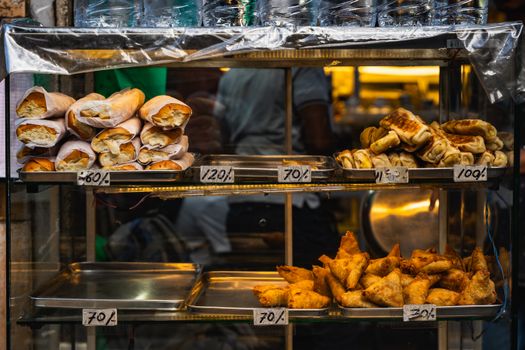
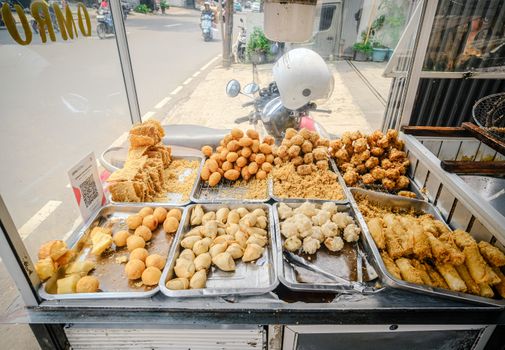
Eating well is one of the best parts of travelling, and it does not have to be one of the most expensive. The idea behind "eating like a local" is simple: find the places where people who live in a city choose to eat on an ordinary Tuesday, rather than the places designed to catch visitors walking past a landmark. Those places tend to be cheaper, more flavourful and more interesting, and they teach you far more about a destination than a laminated menu with photographs ever will.
This guide is not tied to one country or one season. The habits described here work in Lisbon and Lima, Osaka and Oaxaca, and the small market town you have never heard of. Prices vary everywhere and change over time, so treat every cost comment below as a loose guide and check current local conditions as you travel.
Start With the Right Mindset
Eating cheaply while travelling is less about finding secret deals and more about shifting a few assumptions.
- Your main meal does not have to be dinner. In many countries, the best value of the day is lunch, when workers fill small restaurants and set menus appear.
- Simple food is often the best food. Locals rarely eat tasting menus on a weeknight. They eat dishes that a family has been making for generations, in rooms with fluorescent lights and plastic chairs.
- Not every meal needs to be an event. Mixing one memorable meal a day with lighter, inexpensive meals keeps both your budget and your appetite in balance.
- Curiosity is a budget tool. Pointing at what the next table is eating costs nothing and often leads to the best dish on the menu.
Learn Where Locals Actually Eat
Tourist areas have a recognisable pattern: multilingual menus with photographs, staff standing outside inviting you in, and prices that quietly assume you will never return. Local places have their own pattern, and once you learn to see it, you will spot it in any city.
Look for these signs:
- A crowd of regulars at off-peak hours. A busy room at 1:30 pm on a weekday, filled with people in work clothes, is a very good sign.
- A short menu. A place that does five things is more likely to do them well than a place offering sixty dishes from six countries.
- Menus in the local language only. This is not a guarantee, but it suggests the business is not built around visitors.
- A side street, not the main square. Walk two or three streets away from the main attraction and prices often drop noticeably.
- A specialty written on the sign. A shop that sells only dumplings, only grilled fish, or only rice porridge has staked its reputation on that one thing.
When you cannot tell, ask. A hotel receptionist is often paid to recommend expensive restaurants, but a shopkeeper, a taxi driver, a barista or a cleaner at your accommodation will usually tell you where they themselves go for a cheap, filling meal. Phrases like "Where do you eat lunch?" work better than "Where should I eat?" because the second question invites a tourist answer.
Make Lunch Your Main Meal
In much of the world, lunch is where the savings are. Depending on the country, you may find:
- Fixed-price lunch menus, common in Spain, Portugal, Italy, France and much of Latin America, often including a starter, a main, a drink and sometimes dessert or coffee. In Spain you will see this called a menú del día, and in Portugal a prato do dia.
- Set meals or "teishoku", a standard lunch format in Japan, usually with a main dish, rice, soup and pickles at a modest price.
- Office-worker canteens and food courts, found in places like Singapore, Hong Kong and Kuala Lumpur, where hawker centres feed thousands of people every day.
- Thali or lunch plates, common across India, where a single plate arrives with several dishes and often free refills of some items.
The same restaurant that charges a lot for dinner may offer a sensible lunch deal because it is serving local workers. Eating your large meal at midday and having something lighter in the evening, such as a bakery item, soup, or fruit and bread from a market, can bring your daily food cost down without making you feel deprived.
Use Markets and Food Halls Wisely
Markets are among the best places to eat cheaply, and they are interesting even if you buy nothing. There are really three ways to use them.
Eat there
Many markets have counters, stalls or small restaurants inside. Fish markets often cook what you choose. Covered markets in Mexico, Turkey, Vietnam and elsewhere often have rows of small kitchens serving hearty plates at everyday prices. Look for the stall with a queue of locals, and do not be put off if the seating is communal or minimal.
Assemble a picnic
Bread, cheese, cured meats, fruit, olives, tomatoes and a simple sweet treat can make a satisfying meal in many regions, especially in southern Europe and parts of the Middle East. A park bench or a harbour wall makes a better dining room than many restaurants.
Stock your room
If your accommodation has a fridge or a kitchenette, buying breakfast items and snacks from a supermarket or market is one of the most reliable ways to lower your daily food spend. Yoghurt, fruit, bread, nuts and tea or coffee are usually inexpensive compared with ordering breakfast out every morning.
A small tip for market shopping: ask for a taste if it is customary (it often is for fruit, cheese and olives), and carry small bills or coins, since vendors may not welcome large notes for small purchases.
Street Food: Enjoy It, But Be Sensible
Street food can be some of the cheapest and most delicious eating on earth, but it works best with a bit of common sense.
- Choose busy stalls. High turnover means ingredients are used quickly and food is rarely sitting around.
- Watch the cooking. Food that is cooked in front of you, hot and fresh, is generally a safer bet than items that have been sitting out.
- Be cautious with raw items and ice if you are in a region where the local water is not considered safe for visitors. Check current guidance from official health sources for your destination.
- Start small. If your stomach is not used to the local cuisine, begin with milder dishes and build up.
This is general information, not medical advice. If you have allergies, medical conditions or dietary restrictions, check with a qualified professional before travelling and learn how to communicate your needs in the local language.
Read the Menu Like a Regular
Even in a good restaurant, a few small choices can change the final bill considerably.
- Order the house or regional specialty. It is usually made with local ingredients that are in season and therefore cheaper.
- Be careful with imported ingredients. Ordering beef in a fishing town or seafood in a landlocked region is often more costly and less impressive.
- Choose house wine or local beer over imported labels, if you drink. In many countries a jug of the house wine is both inexpensive and perfectly pleasant.
- Check drink prices. Bottled water, soft drinks and cocktails can add a surprising amount to a bill. Ask whether tap water is safe to drink, and if so, request it where that is normal.
- Understand the extras. In some countries, bread or snacks placed on the table are not free and will appear on the bill. In others, a service or cover charge is added automatically. If you are unsure, ask politely before you eat.
- Share dishes. In places where portions are large or served family style, ordering one dish fewer than you think you need is often a good approach.
Eat on the Local Schedule
Meal times differ between cultures, and following the local rhythm helps both your budget and your experience.
In Spain, dinner often starts late, and many kitchens in tourist zones open earlier only for visitors, usually with a more limited and less authentic menu. In Italy, a quick coffee standing at the bar is generally much cheaper than sitting down at a table, where a seating charge may apply. In many Asian cities, breakfast is a street-side affair, with congee, noodles, buns or soup eaten quickly and cheaply before work.
Learning a destination's rhythm also helps you avoid empty restaurants that open at odd hours for tourists. If you are the only person in the dining room at 6 pm in a country where nobody eats until 9, that tells you something.
Smart Ways to Sample Without Overspending
You can taste a lot without buying a big meal each time.
- Do a progressive meal. Visit three or four small places and order one item at each: a snack here, a skewer there, a small plate somewhere else.
- Try food tours cautiously. Some are excellent and some are overpriced. Read recent reviews from several sources, check what is included, and compare the cost with what you would spend eating the same things independently.
- Look at community meals. Some towns host weekly markets, church or community suppers, or festival food stalls where visitors are welcome. Always check that attendance is open to the public before turning up.
- Use local bakeries and delis. A morning pastry or an afternoon sandwich is often better value than a sit-down café.
- Consider cooking classes carefully. A class can be a wonderful way to learn local dishes, but costs vary widely. Compare options and read reviews before booking.
Common Mistakes That Inflate Your Food Budget
Many travellers spend more than they planned on food, and the same few habits tend to be responsible.
- Eating where you happen to be standing. Hunger leads to quick decisions. Carry a snack so that you can walk a few streets away before choosing.
- Dining with a view every time. Terraces overlooking famous landmarks often charge for the setting. Enjoy the view with a coffee or a drink, then eat elsewhere.
- Skipping breakfast, then overpaying later. Arriving at lunch ravenous leads to expensive impulse orders.
- Ignoring service and cover charges. Check whether a tip is already included before adding one on top. Tipping customs vary widely, so look up the local norm for your destination.
- Paying with unfavourable card options. If a card terminal offers to charge you in your home currency, it often means a worse exchange rate. Consider choosing the local currency instead, and check your own bank's fees before you leave.
- Following only online lists. Popular "best of" lists can create queues and rising prices. They are a starting point, not a rule.
A Simple Daily Pattern
Here is a flexible rhythm many travellers find workable. Adapt it to the country you are in.
- Morning: a local breakfast at a bakery, café or market stall, or something simple from your accommodation.
- Midday: the main meal, ideally a set lunch or a busy local canteen.
- Afternoon: a snack, a piece of fruit, or a coffee break.
- Evening: something lighter, a shared plate, or a splurge if there is one place you have been looking forward to.
Having one planned treat per trip, or one per few days, keeps the experience from feeling like a diet. The goal is to spend where it matters and save where it does not.
Respect and Etiquette
Eating like a local is also about behaviour. A few courtesies go a long way.
- Learn to say hello, please and thank you in the local language.
- Observe how others order: at the counter, from a menu, by pointing, by paying first or paying last.
- Follow local table customs, such as how to use chopsticks, whether to eat with your right hand, or whether to wait for the host to begin.
- Be patient. In some places meals are meant to be long and unhurried, and asking for the bill too early can feel rushed.
- Avoid haggling over food prices at fixed-price restaurants and stalls unless it is clearly customary. Bargaining is common in some markets but not appropriate everywhere.
Frequently Asked Questions
Is it really cheaper to eat where locals eat?
Often, yes, but not always. Places with high local demand, no need for tourist-oriented decoration and simple menus tend to cost less. However, costs depend on the country, the neighbourhood and the type of food, so compare a few options before settling.
How can I find local places if I do not speak the language?
Use a translation app for menus, point at dishes other diners are eating, and ask staff at non-tourist businesses for suggestions. Maps apps can help you spot restaurants with many local reviews, though reading reviews in the local language, translated if needed, can give you a more realistic picture.
Is street food safe?
Many people eat street food without problems, and in some cities it is the heart of the food culture. Choose busy stalls, look for freshly cooked food and follow official health guidance for your destination. If you have medical concerns, speak with a qualified health professional before you travel.
Should I avoid restaurants near famous landmarks?
Not always, but prices there often reflect the location rather than the food. Walking a few streets away usually gives you a better chance of a fair price and a more genuine menu.
Summary
Eating like a local on a modest budget comes down to a handful of habits: make lunch your main meal, shop and eat at markets, look for short menus and busy rooms, walk away from tourist hotspots, and follow local meal times and customs. Stay curious, ask real people for real recommendations, and be willing to eat plain-looking places with excellent food. Prices, opening hours and customs change, so always check current information for your destination, and enjoy the fact that some of the best meals of a trip are often the least expensive.