Advice about living like a local often sounds the same everywhere: eat at markets, take the bus, learn some words. That is good advice, but the details change a lot depending on where you are. Daily life in a big capital has little in common with life in a fishing town or an alpine village. This guide takes a different approach by looking at four kinds of destination and explaining how to blend in sensibly in each one.
Rather than chase whatever is popular at the moment, you can use these patterns for any country. They help you decide where to base yourself, how to spend your mornings and evenings, and how to avoid the mistakes that visitors commonly make.
Why destination type matters
A local routine is shaped by geography, climate, work and culture. In a city, people commute, eat quickly at lunch and socialize in the evenings. In a coastal town, the tide, weather and fishing or tourist seasons influence everything. In a mountain village, daylight and seasons rule. On an island, ferries and weather can control the calendar.
If you ignore these patterns, you may find yourself waiting at a closed shop, missing the last boat or hiking when locals know conditions are poor. If you learn them, your trip runs more smoothly and you gain insight into how people actually live.
Big cities: capitals and major hubs
Large cities offer variety, but also overwhelming choice and heavy tourist zones. The local city is usually found a few stops outside the central sights.
Where to base yourself. Look at residential districts with good transit, parks and local restaurants. Many large cities have neighborhoods known for cafes, markets or creative scenes where residents spend their free time. Ask your accommodation which areas are lively but not purely touristic.
Rhythm of the day.
- Mornings: busy commutes, quick coffee, bakeries filling up. A good time to visit popular sights before crowds arrive.
- Midday: lunch specials near offices often give good value. Parks fill up when the weather is mild.
- Evenings: neighborhood bars, markets and cultural events. Dinner times vary significantly by country.
Practical habits.
- Buy a transit pass or contactless fare option if it saves money, but compare against how many rides you will really take.
- Walk between neighborhoods to understand how they connect.
- Visit a municipal market for lunch or ingredients.
- Look for free or low-cost cultural events, such as outdoor concerts, gallery nights or community festivals. Check local listings.
- Use quieter hours for major sights, such as early morning or later afternoon.
Common mistakes. Staying only near the main attractions, relying entirely on taxis, and trying to see everything in a short time. In a big city, depth works better than speed. Choose a few districts and explore them well.
Coastal towns and fishing communities
Seaside places have a special rhythm tied to water, weather and seasons. Some are lively resorts, others quiet working harbors.
Where to base yourself. Pick a spot slightly away from the main promenade if you want a calmer feel. Working harbors, old town streets and residential seafront neighborhoods often have more everyday character than the main resort strip.
Rhythm of the day.
- Early morning: harbors are active, boats come and go, and fresh seafood may be on sale at markets in some places.
- Midday: heat and sun can be strong, so locals often rest or stay in the shade.
- Evening: families stroll the waterfront, cafes fill, and festivals may happen in summer.
Practical habits.
- Check tide and weather conditions before swimming, and heed local flag or warning systems.
- Eat seafood that is in season and locally sourced. Ask what is fresh that day rather than assuming the menu is current.
- Visit the harbor early to watch daily work, being careful not to get in the way.
- Learn local beach customs, from swimwear expectations to rules about umbrellas and sun loungers.
- Be mindful that high season may mean crowds and price increases, while shoulder seasons are quieter. Some businesses close entirely in winter, so check opening times.
Common mistakes. Swimming in unfamiliar conditions without checking safety signs, ignoring sun protection, and treating fishing communities as backdrops for photos. Ask before photographing people at work, and avoid blocking their access.
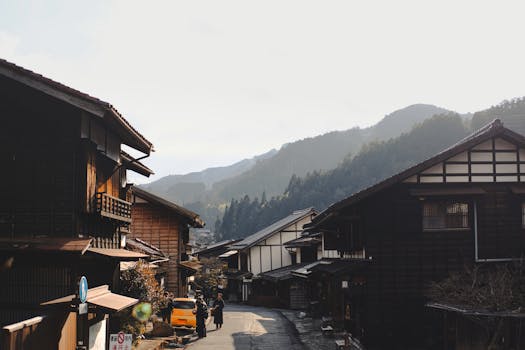
Mountain villages and rural areas
Small inland communities offer a slower, quieter experience. They also demand more preparation, since services can be limited.
Where to base yourself. A family-run guesthouse, farm stay or small inn is often the best choice. Many rural hosts provide meals made with local produce and can advise on trails, weather and local events.
Rhythm of the day.
- Early starts are common, particularly for farm work and hiking.
- Shops may close at midday or on certain days, and some villages have only a few services.
- Evenings are typically quiet, with early dinners and early nights.
Practical habits.
- Stock up on essentials when you pass through larger towns, because village shops may have limited hours.
- Carry some cash, since not every small business accepts cards.
- Learn trail etiquette: greet fellow hikers, close gates behind you and stay on marked paths.
- Check weather forecasts and local advice before hiking, and tell your host your plans.
- Respect farmland, animals and private property. Do not pick crops or approach livestock uninvited.
- Eat what is regional and seasonal: cheeses, breads, stews and preserved foods often reflect local tradition.
Common mistakes. Underestimating weather changes, arriving without cash or supplies, and expecting city-style services. Mobile coverage can be patchy, so download maps in advance and carry a basic first-aid kit.
Islands and remote communities
Islands combine many of the points above, with extra dependence on boats, flights and the weather.
Where to base yourself. Smaller settlements often give a stronger sense of community than the main port. Consider that supplies, medical care and transport can be more limited.
Rhythm of the day.
- Ferry and flight schedules structure everything. Check them in advance and allow buffer time.
- Shops may rely on deliveries, so certain items sell out.
- Social life often centers on a few cafes, bars or community halls.
Practical habits.
- Confirm return transport before you commit to outings, and keep a flexible day at the end of your trip in case weather delays travel.
- Conserve water and energy where resources are limited, following guidance from your host.
- Buy local products, such as fish, produce or crafts, to support island economies.
- Learn about protected areas and wildlife rules to avoid damaging fragile ecosystems.
- Ask about local customs, since island communities can be tight-knit and have strong traditions.
Common mistakes. Day-tripping without margin for delays, expecting full services in remote places, and ignoring environmental limits. Be considerate and travel lightly.
Skills that work in every destination
Whatever the setting, some habits are universal.
- Greet people. A simple hello when entering a shop or cafe is polite in many cultures.
- Watch first, then act. Observe how others queue, pay, tip and behave.
- Ask for advice. Hosts, shopkeepers and guides often enjoy sharing suggestions.
- Slow down. Stay long enough to see the place in different weather and at different times.
- Respect dress and behavior norms, especially at religious and cultural sites.
- Keep your plans loose so that invitations and unexpected discoveries fit in.
Planning a trip with several destination types
Many trips combine different settings. If you travel from a capital to a countryside village, plan transitions carefully.
- Begin in the city to adjust to the time zone and get oriented.
- Move to a smaller place for the slower portion.
- Allow extra time for transport, which may be less frequent outside big hubs.
- Pack for variable conditions, including layers and sturdy shoes.
- Keep a buffer day before flights or major commitments.
Notice how each destination changes your own pace. You may find that mornings feel different in a village than in a city, and that you relax more easily when the schedule is set by sunlight and meals instead of notifications.
Respect and responsibility
A final reminder: local life is not a show. Residents live in the places you visit, and your presence affects them.
- Avoid entering private property or peeking into homes.
- Follow rules about waste, noise and protected sites.
- Be careful with drones, photography and social media posts that could expose private spots.
- Spend money locally where you can, and avoid practices that harm wildlife or communities.
- Check official government travel advice and local regulations before and during your trip.
Frequently asked questions
Which type of destination is best for living like a local? Any of them can work. Smaller places often feel more intimate, but big cities offer many neighborhoods with strong local identities. Choose according to your interests and the time you have.
How many nights should I stay in one place? Three or more nights lets you get beyond first impressions, and a week or more brings real familiarity. Fewer, longer stays usually feel more local than constant movement.
Will I get by without the local language? Usually yes in tourist areas, but rural regions may have less English. Learn basic phrases and keep a translation app available offline.
How can I find out what locals really do? Ask your host, visit markets, check municipal event pages and notice where residents gather. Avoid places that cater only to visitors if your goal is local flavor.
Summary
Living like a local looks different in a capital, a coastal town, a mountain village or an island. Cities reward depth in a few neighborhoods, coasts follow tides and seasons, villages run on early starts and limited services, and islands depend on boats and weather. Across all of them, greet people, observe before acting, slow your pace and respect the community. Match your plans to the rhythm of each place, keep them flexible, and always check current local conditions and official advice before you go.