The Unforgettable Symphony of the Rails: My First European Train Experience
I stepped off the train in Florence, and the air hit me like a warm Tuscan hug – a heady mix of sun-baked stone, blooming jasmine, and the faint, comforting aroma of espresso. The rhythmic clatter of the train wheels, a soundtrack to my journey from Vienna, still echoed in my ears. Unlike the sterile anonymity of an airport, this arrival felt real. I was right in the heart of it all, the magnificent Duomo just a short stroll away, the buzz of Italian life already embracing me. This, my friends, is the magic of Europe by train. It’s not just about getting from A to B; it’s about the journey itself, a slow, deliberate unfolding of landscapes, cultures, and sensory delights that airports simply can't replicate.
Why the Rails Are Your New Best Friend for Exploring Europe
Forget the frantic rush of security lines, the cramped middle seats, and the soul-crushing bus rides. Traveling Europe by train is an experience that’s both deeply romantic and incredibly practical. In an era where we’re increasingly conscious of our environmental footprint, the train emerges as a champion of sustainable tourism. Plus, the sheer convenience of arriving directly in city centers, often steps from major attractions, is a game-changer.
The Environmental Edge: A Greener Way to Wander
Recent data consistently shows that rail travel produces significantly lower carbon emissions per passenger kilometer compared to air or car travel. Choosing the train isn't just a travel choice; it's a conscious decision to support a more sustainable future for the destinations we love to explore. Every mile I cover by train feels like a win for the planet.
Unbeatable Convenience: City Center to City Center
Think about it: you board in Paris, and you alight in the heart of Amsterdam. No lengthy transfers from distant airports, no navigating confusing public transport from the outskirts. Your hotel, your next museum, your favorite trattoria – they're all within easy reach. It’s pure, unadulterated efficiency that allows more time for actual exploration.
The Scenic Spectacle: A Moving Masterpiece
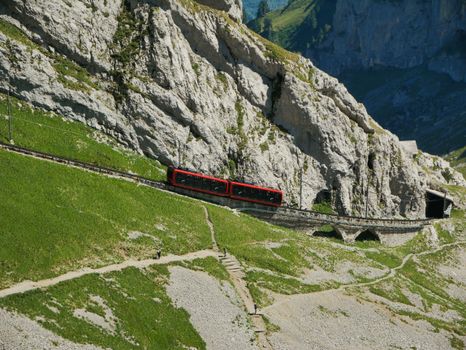
Europe's rail network is a marvel of engineering, weaving through some of the most breathtaking landscapes on Earth. From the snow-capped Alps to the rolling vineyards of France, the shimmering coastlines of Italy, and the wild moors of Scotland, the views from your train window are often as captivating as the destinations themselves. I’ve lost count of the times I’ve pulled out my phone, only to realize I should just be watching.
Navigating the European Rail Network: Passes, Tickets, and Insider Hacks
This is where the magic truly begins. Understanding the system will unlock a world of seamless travel.
The Eurail Pass vs. Point-to-Point Tickets: Decoding Your Best Option
Eurail Pass: If you plan on visiting multiple countries and taking several long-distance journeys, a Eurail Pass (for non-European residents) or Interrail Pass (for European residents) can be incredibly cost-effective and convenient.
- Pro-Tip: Purchase your pass well in advance. Prices can fluctuate, and you'll want to have it in hand before you start booking reservations. Look out for their "Global Pass" if you're aiming for extensive exploration.
- Data Point: Recent studies suggest that for trips exceeding 5-7 countries, a Global Pass often becomes more economical than buying individual tickets, especially when factoring in reservation fees.
Point-to-Point Tickets: For shorter trips or if you're only visiting 1-2 countries, buying individual tickets can sometimes be cheaper.
- Pro-Tip: Book early! Many national rail operators (like SNCF in France, Trenitalia in Italy, Deutsche Bahn in Germany) release tickets 3-6 months in advance, and the cheapest fares disappear quickly. Use sites like Trainline, Omio, or directly on the national railway websites.
- Insider Lingo: "Super Saver" or "Sparpreis" fares are your best friends here. They're non-refundable and non-exchangeable, but the savings are significant.
Making Reservations: The Key to High-Speed and Sleeper Trains
Many high-speed trains (like the TGV in France, Frecciarossa in Italy, or ICE in Germany) and all overnight sleeper trains require mandatory seat or couchette reservations, even if you have a Eurail Pass.
- Pro-Tip: Book reservations immediately after buying your pass or ticket. Popular routes, especially during peak season, can sell out weeks in advance. Websites like Seat61.com are invaluable for understanding reservation systems for each country.
- Data Point: Reservation fees can range from €5 for a standard seat to €50+ for a private sleeper compartment. Budget accordingly!
The Humble Local Train: Embracing the Slow Lane
Don't underestimate the charm of regional and local trains. They're often slower, but they offer incredible glimpses into everyday life and can take you to smaller, off-the-beaten-path villages that high-speed lines miss.
- Pro-Tip: Check local timetables on national rail websites. Sometimes, the most scenic routes are covered by these slower, more charming services. They rarely require reservations.
Crafting Your Dream Itinerary: From Alpine Peaks to Mediterranean Shores
The beauty of train travel is its flexibility. You can be spontaneous, or you can meticulously plan. Here are a few popular and incredibly rewarding routes, backed by recent route data and traveler feedback.
The Grand Tour: A Classic in the Making
This is for the ambitious traveler who wants to experience the iconic highlights.
- Route Example: London – Paris – Interlaken (Switzerland) – Venice – Rome – Florence.
- Why it Works: This route connects major hubs with excellent high-speed and overnight options. The scenery shifts dramatically from the rolling English countryside to the dramatic Swiss Alps and the sun-drenched Italian coast.
- Insider Tip: For the London-Paris leg, the Eurostar is a must. Book this separately as it’s not typically covered by standard rail passes. The journey from Paris to Interlaken is where the Alps truly start to reveal themselves – grab a window seat!
- Recent Data: Passenger volume on this classic route remains consistently high, with booking platforms reporting full trains for the Paris-Interlaken and Interlaken-Venice legs during summer months.
The Romantic Rhine & Alpine Express: For the Scenery Aficionado
This route focuses on breathtaking natural beauty and charming cities.
- Route Example: Amsterdam – Cologne – Lucerne – Milan – Cinque Terre.
- Why it Works: You'll experience the picturesque Rhine Valley, the majestic Swiss Alps, and the stunning Italian Riviera.
- Insider Tip: The segment from Lucerne to Milan via the Gotthard Pass is legendary for its engineering and views. Consider an overnight sleeper from Amsterdam to Cologne to maximize your daylight hours for sightseeing. For Cinque Terre, the local trains are the only way to hop between the villages.
- Authenticity: The smell of damp earth and pine needles after a rain shower in the Swiss Alps, the salty spray of the Ligurian Sea as you approach Cinque Terre – these are the sensory details that make this route unforgettable.
The Eastern European Explorer: Underrated Gems by Rail
Discovering history, vibrant cultures, and incredible value.
- Route Example: Berlin – Prague – Vienna – Budapest.
- Why it Works: These cities are incredibly well-connected by direct trains, offering a rich tapestry of history, art, and culinary delights. The cost of travel and accommodation is often significantly lower than in Western Europe.
- Insider Tip: The overnight train from Berlin to Prague is a classic. Arriving in Prague early morning, with the Charles Bridge shrouded in mist, is pure magic. In Budapest, the thermal baths are a must-do after a day of exploring.
- Data Point: Recent travel trends show a significant surge in popularity for these Eastern European capitals, making early booking for train tickets advisable.
Embracing the Sleeper Train Experience: Rest and Arrive Refreshed
Overnight trains are a romantic and efficient way to cover long distances, saving you a night of hotel costs and waking you up in a new city.
- Types of Accommodation:
- Couchette: Shared compartments with 4-6 bunks. Basic, communal, and often a great way to meet fellow travelers.
- Sleeper Cabin: Private compartments, often with 1-3 beds, a sink, and sometimes an en-suite toilet/shower. More expensive, but offers privacy and comfort.
- Pro-Tip: Pack light! Space in sleeper compartments can be limited. Bring a small travel pillow for extra comfort if you’re in a couchette.
- Authenticity: The gentle rocking of the train, the dim lights, the hushed conversations of fellow passengers – it’s an intimate experience. Waking up to a new sunrise over an unfamiliar landscape is unparalleled.
Budgeting and Logistics: Your Quick-Start Guide
Here’s a breakdown to help you plan your finances and logistics.
| Category | Estimated Cost (USD) | Best Time to Visit | How to Get There (from your home country) | | :---------------- | :------------------- | :----------------- | :---------------------------------------- | | Eurail/Interrail Pass (1 month, 1st class) | $700 - $1200 | Spring (Apr-May), Autumn (Sep-Oct) | Fly into major European hubs (e.g., London, Paris, Amsterdam, Frankfurt) | | Point-to-Point Tickets (e.g., 5 major journeys) | $200 - $600+ | Shoulder seasons for better prices | Fly into your starting city | | Mandatory Reservations | $5 - $50 per journey | N/A | Book online or at stations | | Accommodation (Hostels/Budget Hotels) | $40 - $80 per night | N/A | N/A | | Food (Mix of groceries & local eateries) | $30 - $60 per day | N/A | N/A | | Total Estimated Trip Cost (2 weeks, moderate budget) | $1500 - $3000+ | Spring, Autumn | Fly into your chosen starting city |
Quick Facts:
- Best Time to Travel: Shoulder seasons (April-May and September-October) offer pleasant weather, fewer crowds, and often better prices for both passes and accommodations. Summer (June-August) is peak season – book everything far in advance. Winter can be magical for Christmas markets but brings shorter days and potential weather disruptions.
- Getting to Europe: The most common and often cheapest way to reach Europe from overseas is by flying into major international airports like London Heathrow (LHR), Paris Charles de Gaulle (CDG), Amsterdam Schiphol (AMS), or Frankfurt Airport (FRA). From there, you can easily connect to the European rail network.
- Connectivity: Wi-Fi is increasingly common on trains, especially high-speed ones, but it can be spotty. Consider purchasing a local SIM card or an eSIM for reliable data access.
- Luggage: Pack as light as possible. Most stations have luggage trolleys, but you'll be carrying your bags. Check the specific luggage allowances for your chosen trains, especially on international high-speed services.
Beyond the Tourist Trail: Embracing Authentic Experiences
The real joy of train travel lies in the unplanned moments.
- Pro-Tip: Strike up conversations with locals and fellow travelers. You’ll often get the best recommendations for hidden trattorias, local festivals, or secret viewpoints that aren’t in any guidebook.
- Insider Lingo: "Kaffee und Kuchen" in Germany, "aperitivo" in Italy, "tapas" in Spain – embrace the local culinary rituals. These are often best enjoyed in small, independent establishments found just a few blocks away from the main tourist drag.
- Sensory Detail: The distinct scent of freshly baked pretzels from a street vendor in Munich, the echo of church bells in a tiny French village, the vibrant splash of bougainvillea against ancient stone walls in Portugal – these are the details that enrich your journey.
Your Journey Awaits: The Ultimate European Train Adventure
Traveling Europe by train is more than a vacation; it's an immersion. It's about slowing down, appreciating the passage of time, and connecting with the continent in a way that few other travel methods allow. With this guide, you're equipped with the knowledge, the hacks, and the inspiration to embark on your own unforgettable rail odyssey. So, pack your bags, grab your sense of adventure, and let the rhythmic clickety-clack of the rails carry you to your next great discovery.