Europe on a Budget: How I Explored the Continent for Under $50 a Day (And You Can Too!)
I remember my first trip planning attempt for Europe. My eyes widened at flight prices, my jaw dropped at accommodation costs, and I felt a familiar pang of despair. "Europe is for millionaires," I declared, stuffing my dreams back into the dusty corner of my mind. But then, a friend, a seasoned backpacker with a mischievous glint in her eye, challenged me. "What if I told you," she whispered, "you could see Europe for less than your daily coffee habit back home?"
Skeptical but intrigued, I embarked on a journey that completely reshaped my understanding of travel. I learned the art of the budget, the magic of local markets, and the joy of spontaneous adventures fueled by curiosity, not cash. I discovered that Europe isn't just about iconic landmarks and Michelin-star dining; it's about the hidden alleyways, the bustling local life, the warmth of a shared meal, and the unforgettable stories you collect along the way. And guess what? I consistently stayed under $50 a day.
This isn't a pipe dream. This is my tried-and-tested blueprint for experiencing the vibrant heart of Europe without emptying your bank account. Forget the notion that budget travel means deprivation; it means smarter choices, deeper immersion, and an adventure far richer than any luxury tour could offer. Let's dive in!
1. The Mindset Shift: Embracing the "Slow & Local" Trend
The first, and perhaps most crucial, step to budget travel in Europe is a shift in mindset. Forget the whirlwind "10 countries in 10 days" itinerary. That's a recipe for exhaustion and inflated costs. The current trend among savvy budget travelers is slow travel – immersing yourself deeply in fewer locations.
Why slow? Because it saves you money on constant inter-city transport, allows you to discover local gems, and gives you time to truly live in a place rather than just visit it. Instead of hopping from Paris to Rome to Berlin, consider spending a week exploring Portugal, or focusing on the Balkans.
Embrace the local. This means:
- Eating where locals eat: Away from the main squares, down a side street, that's where the real culinary magic (and prices!) happen.
- Shopping at local markets: For fresh produce, snacks, and authentic souvenirs.
- Using public transport: It's often cheaper, more efficient, and gives you a genuine feel for the city's pulse.
- Seeking out free activities: More on this later, but Europe is brimming with them.
This mindset isn't about sacrificing quality; it's about finding authenticity. My most cherished memories aren't from expensive tours, but from impromptu picnics by the Seine, late-night conversations in a hostel common room, or getting gloriously lost in a Lisbon alleyway. These moments are priceless, and often, free.
2. Smart Stays: Cracking the Accommodation Code (Your Biggest Budget Saver!)
Accommodation is often the biggest budget killer, but it doesn't have to be. For under $50 a day, you'll need to be strategic. Here's how:
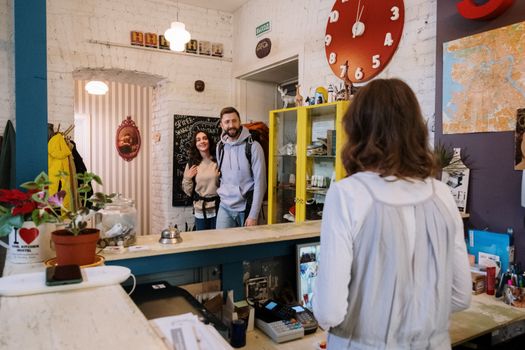
- Hostels are Your Best Friend (Even for Introverts!): Forget the dingy stereotypes. Modern European hostels are vibrant, clean, and offer incredible value. A bed in a highly-rated dorm can range from $15-$30 USD in Western Europe (Lisbon, Berlin, Budapest) and even less in Eastern Europe ($10-$20 USD in Krakow, Sofia, Belgrade). Look for hostels that offer:
- Free breakfast: This is a huge win! A simple bread, cheese, and coffee can save you $5-10 daily.
- Kitchen facilities: Cooking even one meal a day can cut down your food budget significantly.
- Social atmosphere: You'll meet fellow travelers, share tips, and maybe even split costs for activities.
- Personal Anecdote: I once stayed at the "Good Bye Lenin Hostel" in Krakow. For $18 a night, I got a comfortable bed, free breakfast, and a fantastic common area where I met travelers from all over the world. We ended up exploring the city's Jewish Quarter together, splitting a delicious plate of pierogi!
- Work-Exchange Programs (The Ultimate Free Stay): Websites like Worldpackers and Workaway connect travelers with hosts who offer free accommodation (and sometimes food!) in exchange for a few hours of work a day. This could be anything from helping at a hostel reception, gardening, teaching English, or even social media tasks. This is a game-changer for long-term budget travel and a fantastic way to immerse yourself.
- Couchsurfing (For the Adventurous & Social): Stay for free with locals. This isn't just about saving money; it's about cultural exchange. You'll gain insights into local life that no guidebook can offer. Always read reviews, communicate clearly, and be a respectful guest.
- Camping (Seasonal & Scenic): If you're traveling in warmer months, especially in countries like France, Italy, or Scandinavia, camping can be incredibly cheap. Many campsites are well-equipped and beautifully located. Some even offer basic cabins.
- Strategic Booking: Book hostels a few weeks in advance, especially during peak season or for popular cities, to secure the best prices. Use sites like Hostelworld, Booking.com, and Google Maps to compare reviews and locations.
Budget Breakdown Target: Aim for $15-$25 USD per night for accommodation.
3. Feast Like a Local, Not a Tourist: Food & Drink Hacks
Eating well on a budget is absolutely possible and incredibly rewarding in Europe. This is where you truly taste the local culture.
- Supermarkets are Your Best Friend: This is non-negotiable. Head to local supermarkets (Lidl, Aldi, Carrefour, Tesco, Billa, etc.) for breakfast, lunch, and dinner ingredients.
- Breakfast: Bread, cheese, yogurt, fruit, coffee/tea. You can easily make a delicious spread for €3-5.
- Lunch: Picnic style! Grab a fresh baguette, some local cheese, cured meats (prosciutto, salami), olives, and fruit. Find a scenic park or square and enjoy. This will cost you around €5-8.
- Dinner: Cook in your hostel kitchen! Pasta, rice dishes, stir-fries are easy and cheap. A hearty meal for €5-7.
- Personal Anecdote: In Paris, instead of spending €20+ on a restaurant lunch, I'd grab a baguette, some brie, and fresh strawberries from a local market, then picnic under the Eiffel Tower for under €7. It was magical, delicious, and saved me a fortune.
- Street Food & Local Markets: Europe's street food scene is booming and incredibly diverse.
- Lisbon: Pastel de Nata for €1-1.50, Bifana (pork sandwich) for €3-4.
- Berlin: Currywurst for €3-4, Kebabs for €4-6.
- Krakow: Obwarzanek (pretzel-like snack) for €0.50, Pierogi for €5-7.
- Rome: Pizza al taglio (pizza by the slice) for €3-5.
- Seek out vibrant local markets not just for ingredients, but for prepared foods and a fantastic atmosphere.
- Lunch Deals (Menu del Día / Plat du Jour): In many Southern and Western European countries, lunch menus are significantly cheaper than dinner. Look for "Menu del Día" in Spain, "Plat du Jour" in France, or similar fixed-price lunch options. You can often get a multi-course meal for €10-15.
- Hydration Hacks: Always carry a reusable water bottle. Tap water is safe to drink in most of Europe. Fill up at hostels, public fountains, or cafes (politely ask). This saves you a few euros daily on bottled water.
- Coffee & Pastries: Skip the fancy brunch. Grab a coffee and a pastry at a local bakery for €3-5. It's an authentic European breakfast experience.
Budget Breakdown Target: Aim for $15-$20 USD per day for food and non-alcoholic drinks.
4. Navigating Europe: Affordable Transport Trends
Getting around Europe can be costly, but with smart planning, you can keep transport expenses well within budget.
- Walk, Walk, Walk! This is the best way to see any city, it's free, and you'll stumble upon hidden gems. Wear comfortable shoes!
- Public Transport Passes: For cities, consider a 24-hour, 48-hour, or weekly public transport pass. These often offer unlimited travel on trams, buses, and metros and are usually much cheaper than individual tickets. For example, a 24-hour pass in Berlin is around €8.80, in Prague around €4.50.
- Intercity Buses (The Budget Traveler's MVP): Forget expensive trains or flights for shorter distances. Companies like FlixBus, BlaBlaCar Bus, and RegioJet connect hundreds of European cities, often for a fraction of the price.
- Example: A FlixBus from Berlin to Prague can cost as little as €15-25 if booked in advance. Lisbon to Seville might be €30-40.
- Night Buses: These are a fantastic option as they save you a night's accommodation cost. Sleep on the bus, arrive at your destination refreshed (mostly!), and save money.
- Ride-Sharing (BlaBlaCar): For slightly longer distances or less common routes, BlaBlaCar connects drivers with passengers, allowing you to share fuel costs. It's often cheaper than buses and a great way to meet locals. Always check driver reviews.
- Budget Airlines (Use with Caution!): Ryanair, Wizz Air, and EasyJet offer incredibly cheap flights, sometimes for as little as €10-20. However, these prices often exclude baggage (which can double the cost), seat selection, and airport transfers (which can be far from the city center). My advice for $50/day: Avoid flying frequently. Stick to buses and trains for inter-country travel, or focus on a specific region. If you must fly, travel with only a small personal item to avoid baggage fees.
- Hitchhiking (With Extreme Caution & Research): While not for everyone, hitchhiking is still practiced in parts of Europe, particularly in Eastern Europe and the Balkans. Do your research, understand local customs, and prioritize safety above all else. This is definitely for the more adventurous and flexible traveler.
Budget Breakdown Target: Aim for $5-$10 USD per day for local transport. Inter-city travel should be factored in as separate, less frequent expenditures, or you should plan routes with very cheap bus options.
5. Free Fun & Budget-Friendly Experiences: Maximize Your Exploration
Europe is a treasure trove of free and cheap experiences. You don't need to spend a fortune to be entertained.
- Free Walking Tours (Tip Your Guide!): Almost every major European city offers "free" walking tours (usually tip-based). They're fantastic for getting an overview of the city, learning about its history, and getting local recommendations. A €5-10 tip is standard and well worth it.
- Personal Anecdote: The "Free Walking Tour" in Budapest introduced me to hidden courtyards and told me stories I never would have found in a guidebook. It completely changed my appreciation for the city.
- Parks, Gardens & Public Spaces: Europe's cities are renowned for their beautiful parks and public spaces.
- Paris: Luxembourg Gardens, Tuileries Garden, Parc des Buttes-Chaumont.
- Berlin: Tiergarten.
- London: Hyde Park, Regent's Park (many museums also have free entry!).
- Rome: Villa Borghese.
- These are perfect for picnics, people-watching, or simply relaxing after a day of sightseeing.
- Free Museums & Galleries: Many cities offer free entry to some museums, or free entry on specific days/evenings.
- London: British Museum, National Gallery, Tate Modern are always free.
- Berlin: Many state museums have free days.
- Vatican City: St. Peter's Basilica (not the Vatican Museums, but still impressive) is free.
- Always check the museum's website for specific free entry times or days.
- Churches & Cathedrals: Most are free to enter (though some major ones might charge for specific sections or towers). They offer stunning architecture, art, and a sense of history.
- Window Shopping & People-Watching: Simply strolling through charming neighborhoods, browsing local shops, and observing daily life is an enriching experience in itself. Find a bench, grab a coffee, and soak it all in.
- Hiking & Nature: If you're near mountains or coastlines, Europe offers incredible free hiking trails and beautiful beaches. Explore the Sintra-Cascais Natural Park in Portugal, hike in the Dolomites, or relax on the beaches of Croatia.
- Local Markets (Beyond Food): Browse flea markets, antique markets, and craft markets for unique souvenirs or just to soak up the atmosphere.
Budget Breakdown Target: Aim for $5-$10 USD per day for activities (e.g., a free walking tour tip, a small entry fee, or a cheap local experience). Many days might be completely free!
6. The Budget Breakdown & Smart Planning: Making It All Work
Pulling off a $50/day Europe trip requires a bit of upfront planning and constant awareness of your spending.
Pre-Trip Essentials (Not part of daily budget, but crucial):
- Flights to Europe: Book well in advance, be flexible with dates, and use flight comparison sites (Skyscanner, Google Flights) to find the best deals. Consider flying into a cheaper hub (e.g., Dublin, London, Berlin) and taking a budget flight/bus from there.
- Travel Insurance: Non-negotiable! Accidents happen, and medical bills in Europe can be astronomical. Budget around $30-50 for a month's coverage.
- Visa Requirements: Check if you need a Schengen visa or ETIAS (coming soon).
- Emergency Fund: Always have an extra $200-300 accessible for emergencies.
Money Management On The Go:
- No ATM Fees: Get a travel-friendly debit card (like Revolut, N26, or Wise) that offers fee-free international withdrawals and good exchange rates. Avoid exchanging cash at airports.
- Track Your Spending: Use a simple budgeting app (like Wallet, Spendee, or even a spreadsheet) to log every expense. This keeps you accountable.
- E-SIM Cards: For connectivity, consider an eSIM like Airalo or Nomad. You can buy data plans for specific countries or regions at affordable rates without swapping physical SIMs.
Choosing Your Destinations Wisely: While it's possible to do some Western European cities on this budget, you'll have more flexibility and less stress by focusing on:
- Eastern Europe: Poland (Krakow, Warsaw), Hungary (Budapest), Czech Republic (Prague), Slovakia (Bratislava).
- The Balkans: Bulgaria (Sofia), Serbia (Belgrade), Romania (Bucharest), Albania (Tirana), Bosnia & Herzegovina (Sarajevo). These are incredibly affordable and offer rich cultural experiences.
- Portugal: Lisbon and Porto are still relatively budget-friendly compared to other Western European capitals.
- Parts of Spain: Especially smaller cities or the south (Andalusia) outside of peak season.
Sample $50 Daily Budget Breakdown (Flexible!):
- Accommodation (Hostel Dorm): $20
- Food (Supermarket, Street Food, 1 cheap local meal): $18
- Local Transport (Day Pass or Walking): $5
- Activities (Free walking tour tip, small entry fee/coffee): $5
- Buffer/Miscellaneous (Small souvenir, extra snack, unexpected): $2
- Total: $50
Conclusion: Your European Adventure Awaits!
Traveling Europe for under $50 a day isn't just about saving money; it's about unlocking a different, often more authentic, kind of adventure. It forces you to connect with locals, to appreciate the simple pleasures, and to discover the vibrant heartbeat of the continent beyond the curated tourist paths. It's about proving to yourself that dreams aren't limited by your bank balance, but by your imagination and willingness to step outside your comfort zone.
So, ditch the notion that Europe is out of reach. Pack your bags, download your budgeting app, and get ready to create memories that are truly priceless. The charming cobblestone streets, the delicious street food, the breathtaking views, and the incredible people are all waiting for you.
Are you ready to redefine your European adventure? Share your budget travel dreams in the comments below, and let's inspire each other to explore more, for less!
---