Europe for Under $50/Day: Your Ultimate Budget Travel Guide You Need to Experience Before You Die
I remember standing on the Charles Bridge in Prague, the sun setting over the Vltava River, painting the sky in hues of orange and purple. A street musician played a hauntingly beautiful melody on his violin. I took a deep breath, the crisp autumn air filling my lungs, and thought, "This. This is what it's all about." And then, a smile crept onto my face as I remembered that my entire day – my hostel bed, two hearty meals, a local beer, and a tram ride – had cost me less than $40.
For years, I believed Europe was a playground reserved for those with bottomless wallets. The glossy magazine spreads with luxury hotels and Michelin-starred restaurants seemed to confirm it. But then, a few years ago, armed with a backpack, a shoestring budget, and an insatiable wanderlust, I decided to challenge that notion. And guess what? I discovered a vibrant, authentic Europe that’s not only accessible but incredibly rewarding on a budget.
This isn't about roughing it or sacrificing experiences. This is about smart travel, local immersion, and unlocking the true magic of Europe without the financial stress. I'm going to share my tried-and-true strategies, personal anecdotes, and specific tips that have allowed me to explore incredible cities and breathtaking landscapes for under $50 a day. It’s not just possible; it’s an adventure you need to experience before you die.
Ready to rewrite your European travel story? Let's dive in!
1. The Mindset Shift: Your $50/Day Blueprint
Before we get into the nitty-gritty, let's talk philosophy. Traveling Europe for under $50 a day isn't about deprivation; it's about prioritization and smart choices. Your budget breaks down roughly like this:
- Accommodation: $15-$25
- Food: $10-$15
- Transportation (Local & Intercity): $5-$10
- Activities/Miscellaneous: $0-$10
This isn't a rigid rule, but a flexible guideline. Some days you might spend $20, others $60, but the average should hover around $50. The key is to embrace simplicity, seek out local experiences, and be resourceful. Forget fancy restaurants and endless souvenir shopping; think street food, picnics in parks, free walking tours, and soaking in the atmosphere. This mindset is your golden ticket.
2. Strategic Planning: Where to Go & When to Book
Your choice of destination and timing can make or break your budget.
A. Choose Your Countries Wisely: Western Europe (France, Germany, UK, Switzerland, Scandinavia) can be notoriously expensive. While you can do it on a budget, it requires more effort and stricter adherence to the $50 rule. For truly comfortable budget travel, focus on:
- Eastern Europe: Hungary (Budapest), Czech Republic (Prague), Poland (Krakow, Warsaw), Slovenia (Ljubljana), Croatia (Zagreb, Split – outside peak season), Romania (Bucharest, Brașov), Bulgaria (Sofia). These countries offer incredible history, culture, and natural beauty at a fraction of the cost. A hearty traditional meal in Budapest can cost as little as €5-7!
- Southern Europe: Portugal (Lisbon, Porto), parts of Spain (especially outside Barcelona/Madrid, like Seville or Valencia), Southern Italy (Naples, Sicily), Greece (mainland and some less-touristy islands). While slightly pricier than Eastern Europe, they still offer fantastic value.
My Anecdote: My first budget trip truly took off when I landed in Lisbon. I was blown away by how much I could get for my money compared to my brief, expensive stopover in Paris. A stunning hostel bed in the Alfama district for €18, delicious pasteis de nata for €1 each, and a tram ride for €1.50. It felt like I'd unlocked a secret level of Europe!
B. Travel During Shoulder Seasons: Avoid peak summer (June-August) and major holidays.
- Shoulder Seasons (April-May, September-October): The weather is often pleasant, crowds are thinner, and prices for flights and accommodation are significantly lower. You'll still get sunny days but save a ton.
- Winter (November-March): Can be very cheap, especially in Eastern Europe. Bundle up and enjoy festive markets, cozy cafes, and fewer tourists. Just be prepared for shorter days and colder temperatures.
C. Book Flights Smart:
- Be Flexible with Dates & Airports: Use flight comparison sites like Skyscanner or Google Flights and select "Cheapest Month" or "Anywhere" to find the best deals. Sometimes flying into a smaller airport nearby and taking a bus or train can save you hundreds.
- Low-Cost Carriers: Airlines like Ryanair, Wizz Air, Vueling, and EasyJet are your best friends for inter-Europe flights. Just be mindful of baggage fees – pack light! My rule of thumb: if it doesn't fit in a personal item or small carry-on, I don't need it. That small backpack has saved me countless euros.
- Book in Advance: Especially for flights and popular hostels, booking 2-3 months out can secure much better prices.
3. Accommodation Hacks: Sleep Like a Local (for Less)
This is where you save big. Forget hotels; embrace community and authenticity.
A. Hostels: Your Social & Budget Hub:
- Price: Expect to pay €15-€25 for a bed in a well-rated dorm in Eastern/Southern Europe. In more expensive cities, it might creep up to €30-€40, but still far cheaper than a private room.
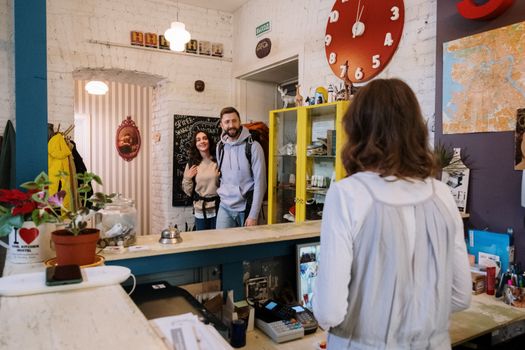
- Benefits: Hostels are fantastic for meeting other travelers, often have communal kitchens (HUGE for saving on food!), offer free walking tours, and provide a vibrant atmosphere. Look for hostels with high ratings on Hostelworld or Booking.com, specifically those praising cleanliness, security, and social vibes.
- My Tip: Always check if breakfast is included. Even a simple bread-and-jam breakfast can save you €3-5 daily. Many also offer free city maps and sometimes even free events like pub crawls (though those can quickly blow your budget if you're not careful!).
B. Airbnb Private Rooms:
- Price: Often €30-€45 for a private room in a local's apartment.
- Benefits: More privacy than a dorm, often includes kitchen access, and gives you a glimpse into local life. Great for couples or if you need a break from dorm life.
- My Tip: Filter for "private room" and "kitchen" in your search. Always read reviews to ensure the host is friendly and the location is convenient.
C. Couchsurfing (Free!):
- Price: Absolutely free!
- Benefits: Stay with locals, get insider tips, and experience genuine cultural exchange. It’s an incredible way to travel deeper and meet amazing people.
- My Tip: Create a detailed profile, read reviews of potential hosts, and send personalized requests. Offer to cook a meal for your host or share stories from your home country. It's about mutual respect and cultural exchange. I once stayed with a lovely family in Ljubljana who took me to their favorite local hiking spot – an experience money couldn't buy!
D. Camping/Glamping:
- Price: €10-€20 per night for a tent pitch.
- Benefits: Connect with nature, especially great for exploring national parks or coastal areas. Many campsites are well-equipped with amenities.
- My Tip: Consider this option if you're renting a car or exploring rural areas.
4. Feast Like a King (or Queen) on a Pauper's Budget
Food is one of the biggest budget-killers, but it doesn't have to be. Eating well and affordably in Europe is an art form.
A. Supermarket Savvy:
- Your Best Friend: Hit up local supermarkets (Lidl, Aldi, Carrefour, Billa, Tesco Express, Spar) for breakfast, lunch, and even dinner supplies.
- Breakfast: Yogurt, fruit, muesli, bread, cheese, ham. Costs: €2-€4.
- Lunch: Baguettes, local cheeses, cured meats, olives, fresh produce for a picnic. Costs: €3-€6.
- Dinner: If your accommodation has a kitchen, cook! Pasta, rice dishes, fresh vegetables, and local ingredients can create delicious meals for €5-€8. I’ve cooked incredible pasta dishes in Italian hostels with ingredients bought for less than €5.
- My Anecdote: One of my fondest memories is buying fresh bread, local cheese, olives, and a bottle of wine from a market in Seville, then having a sunset picnic by the Plaza de España. It cost less than €10 for a feast and was infinitely more memorable than any fancy restaurant.
B. Embrace Street Food & Markets:
- Taste of the City: Europe's street food scene is phenomenal and cheap. Think trdelník in Prague (€3-5), kürtőskalács in Hungary (€3-5), pizza al taglio in Italy (€3-7 a slice), pastéis de nata in Portugal (€1-1.20), gyros in Greece (€3-4).
- Local Markets: Great for fresh produce, snacks, and sometimes prepared foods.
C. Lunch Deals & "Menu del Día":
- Smart Dining: Many restaurants, especially in Southern Europe, offer "Menu del Día" (menu of the day) or fixed-price lunch specials. You can often get 2-3 courses for €8-€15, which is a steal compared to dinner prices.
- Avoid Tourist Traps: Steer clear of restaurants right next to major attractions; they're almost always overpriced. Wander a few blocks away into local neighborhoods for better prices and more authentic food.
D. Water Bottle Refills:
- Eco & Economical: Carry a reusable water bottle. Tap water is safe to drink in most of Europe. Save money and reduce plastic waste.
5. Navigating Europe Without Breaking the Bank: Transport Tips
Getting around efficiently and cheaply is crucial for your $50/day goal.
A. Walk, Walk, Walk!
- The Best Way to Explore: Your feet are your best mode of transport. You'll discover hidden alleys, charming cafes, and unexpected sights. Plus, it's free exercise! Wear comfortable shoes.
B. Master Public Transportation:
- City Passes: Many cities offer multi-day passes for trams, buses, and metros. A 24-hour pass often costs €3-€7 and pays for itself with just a few rides.
- Single Tickets: If you only need a ride or two, individual tickets are fine, but passes are usually better value. Always validate your ticket!
- My Tip: Google Maps is your friend for navigating public transport routes and times. Download offline maps to save data.
C. Intercity Buses (Your Budget Lifeline):
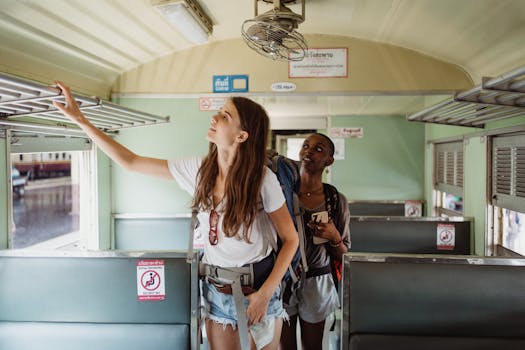
- Flixbus, RegioJet, BlaBlaBus: These companies offer incredibly affordable long-distance travel across Europe. A 6-hour bus ride from Budapest to Vienna can cost as little as €15-€25 if booked in advance.
- Benefits: Often comfortable, Wi-Fi enabled, and a great way to see the countryside.
- Drawbacks: Can be slower than trains and sometimes less comfortable for very long journeys.
- My Anecdote: I once took an overnight Flixbus from Krakow to Berlin for €22. I saved on a night's accommodation and woke up in a new city. While not the most luxurious sleep, it was efficient and incredibly budget-friendly!
D. Ride-Sharing (BlaBlaCar):
- Connect with Locals: BlaBlaCar connects drivers with empty seats to passengers looking for rides. It's often cheaper than trains, faster than buses, and a fantastic way to meet locals.
- Safety: The platform has rating systems for drivers and passengers, which helps with safety.
E. Avoid Taxis & Ride-Hailing Apps (Unless Emergency):
- Budget Busters: Taxis and Uber/Bolt can quickly eat into your daily budget. Use public transport or walk instead.
6. Experiences That Don't Cost a Dime (or Much)
Europe is brimming with free and low-cost activities that offer incredible cultural immersion.
A. Free Walking Tours (Tip-Based):
- Essentials: Almost every major city offers free walking tours. They're a brilliant way to get acquainted with a city's history, landmarks, and local stories.
- My Tip: Always tip your guide! While the tour is "free," these guides work hard. A €5-€10 tip per person is customary and well-deserved.
B. Parks, Gardens & Public Spaces:
- Nature's Beauty: Spend hours wandering through Europe's stunning parks (e.g., Hyde Park in London, Tiergarten in Berlin, Park Güell in Barcelona's free areas, Retiro Park in Madrid). Enjoy a picnic, people-watch, or simply relax.
- Piazzas & Squares: European cities are defined by their vibrant public squares. Sit down, grab a cheap coffee or gelato, and soak in the atmosphere. The Pantheon in Rome, the Old Town Square in Prague, the Grand Place in Brussels – all free to admire!
C. Churches & Cathedrals:
- Architectural Marvels: Most major churches and cathedrals are free to enter (though some might charge for specific sections or climbing towers). Marvel at the architecture, stained glass, and centuries of history. Just be respectful and dress appropriately.
D. Museums on Free Days/Evenings:
- Cultural Fix: Many world-class museums offer free entry on specific days of the week, evenings, or the first Sunday of the month. Do your research! For example, many state museums in Italy are free on the first Sunday.
- My Anecdote: I managed to see the stunning Rijksmuseum in Amsterdam during a special free evening event. It was crowded, but the art was breathtaking, and it felt like a little victory against my budget!
E. Hiking & Nature:
- Outdoor Adventures: Europe boasts incredible hiking trails and natural landscapes. From the Julian Alps in Slovenia to the coastal paths of Portugal, these experiences are often free and offer unparalleled beauty.
- My Tip: Pack appropriate gear and research trails in advance.
F. Window Shopping & People Watching:
- Simple Pleasures: Sometimes, the best activity is simply wandering, admiring shop windows, and observing local life. It's free, authentic, and incredibly insightful.
7. Smart Spending & Hidden Savings: The Daily Grind
Little things add up, so be mindful of your daily habits.
A. ATM Fees & Travel Cards:
- Avoid Fees: Use a debit card from a bank that reimburses foreign ATM fees (e.g., Charles Schwab in the US, Revolut/N26 in Europe, some credit unions). Withdraw larger sums less frequently to minimize transaction fees.
- Travel Credit Cards: Use a travel credit card with no foreign transaction fees for larger purchases (flights, accommodation). Always pay in the local currency to get the best exchange rate.
B. Student Discounts:
- Show Your Card: If you're a student, carry your ISIC card or student ID. Many attractions, museums, and even some transport options offer discounts.
C. Budgeting Apps:
- Track Your Spending: Apps like Wallet by BudgetBakers, Spendee, or even a simple spreadsheet can help you track your daily expenses and ensure you stay within your $50 limit. Review it daily!
D. Avoid Unnecessary Purchases:
- Souvenirs: Limit souvenirs to small, meaningful items. Postcards are cheap and lovely. Focus on collecting memories, not clutter.
- Coffee/Drinks: While a local coffee culture is part of the experience, buying multiple specialty coffees or alcoholic drinks daily can quickly derail your budget. Opt for supermarket-bought drinks or limit yourself. My rule: one "treat" coffee a day!
E. Pack Smart, Pack Light:
- Avoid Baggage Fees: As mentioned, flying low-cost carriers means strict baggage rules. A small backpack (40L-50L) is ideal. Rolling your clothes, using packing cubes, and wearing your bulkiest items on travel days are game-changers.
- Essentials Only: You don't need five pairs of shoes. A couple of versatile outfits, essential toiletries, and a few layers will suffice.
Your Unforgettable European Adventure Awaits!
Traveling Europe for under $50 a day isn't just a challenge; it's an incredibly enriching way to experience the continent. It forces you to connect with locals, seek out authentic experiences, and appreciate the simple beauty of everyday life. You'll eat incredible food, see breathtaking sights, and create memories that will last a lifetime – all without the burden of a massive credit card bill.
It's about proving to yourself that adventure isn't exclusive; it's accessible. It's about empowering your wanderlust and showing the world (and your bank account) that you can live large on a small budget.
So, what are you waiting for? Start planning your epic, budget-friendly European adventure today. Trust me, it’s an experience you absolutely need to have before you die.
What are your best budget travel hacks for Europe? Share your tips in the comments below – let's inspire each other!
---