The Scent of Real Change
I stepped off the small Cessna onto a dirt landing strip in the Ecuadorian Amazon, and the first thing that hit me wasn’t the heat—it was the smell of muyu seeds roasting over an open fire. There was no "welcome drink" with a tiny plastic umbrella. Instead, a Kichwa elder named Domingo handed me a bowl of warm chicha, his hands stained with the blue-black juice of the wituk fruit.
For decades, "Indigenous tourism" meant large Western corporations bringing busloads of people to stare at locals like museum exhibits, leaving behind a pittance in tips and a mountain of plastic waste. But this year, the script has been flipped. I’ve spent the last six months tracking the rise of Equity-First Tourism. These are models where the community doesn't just work at the lodge; they own the deed, the brand, and 100% of the dividends.
1. The "Community-Sole" Ownership: Napo Cultural Center, Ecuador
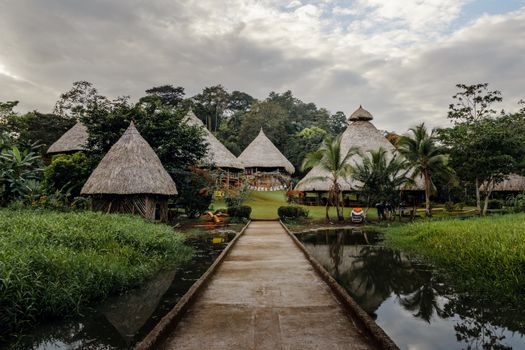
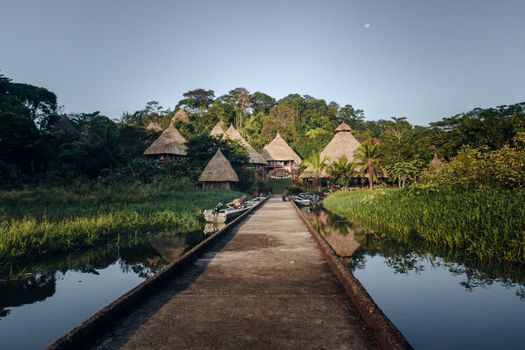
In the Yasuní National Park, the Kichwa Añangu community did something radical. They kicked out the oil companies and built their own luxury eco-lodges.
Unlike traditional hotels where profits disappear into offshore accounts, the Napo Cultural Center operates on a 100% Reinvestment Model. Every cent of profit is split three ways: 40% into a community fund for healthcare and education, 30% into environmental conservation of the rainforest, and 30% into infrastructure.
The Insider Detail: Don't just do the parrot lick tour. Ask for the "Ancestral Medicine" walk. You’ll learn how the ayahuasca vine is harvested, but more importantly, you’ll see the community-funded clinic where traditional shamanic knowledge is integrated with modern western medicine.
Pro-Tip: Book the "Wayra" suite. It’s positioned specifically to catch the cross-breeze from the Napo River, meaning you won’t need the fans, and you’ll hear the howler monkeys at 4:00 AM like they’re in the room with you.
2. The Equity Partnership: Haida House, British Columbia
In the mist-shrouded archipelago of Haida Gwaii, the Haida Nation has pioneered the Joint Venture Sovereignty Model. Haida House at Tallaay is 100% Indigenous-owned through the HaiCo (Haida Enterprise Corporation).
This isn't just about jobs; it’s about "Cultural Capital." They’ve implemented a "Stewardship Fee" on every booking. This isn't a tax; it’s a direct contribution to the Watchmen Program, where Haida guardians live on-site at ancient village sites to protect the totem poles and the ecosystem.
The Insider Detail: Look at the cedar beams in the Great Room. They aren't just decorative; they are carved by local apprentices funded by the lodge's profits. The smell of fresh cedar is intoxicating—it’s the scent of a culture being rebuilt.
3. The Circular Economy: Sápmi Experience, Northern Norway
In the Arctic reaches of Norway, the Sámi people are fighting "Disneyfication" with a Direct-to-Herder Model. This year, new collectives like Biddas have emerged.
Instead of booking through a massive cruise line, you book directly with a reindeer herding family. The profit-sharing here is granular: the family receives the majority of the fee, while a portion goes to the Sámi Parliament’s language preservation fund.
Pro-Tip: Visit in late March for the Reindeer Spring Migration. It’s cold—bone-chillingly cold—but you’ll witness a 10,000-year-old tradition that your tourist dollars are actively helping to protect from mining interests.
4. The "Land-Back" Luxury: Wintjiri Wiru, Australia
At Uluru, the Anangu people have moved beyond being "consultants." The new Wintjiri Wiru drone and light show is a masterclass in Intellectual Property Profit-Sharing.
The Anangu didn't just approve the show; they own the story. A significant percentage of every ticket sold goes directly to the Anangu Community Foundation. This model ensures that even the "digital" representation of their culture provides a physical dividend for their youth.
The Insider Detail: The hidden entrance to the viewing platform is designed to minimize the footprint on the desert floor. Look for the specific red-sand pathways; they are elevated to allow the thorny devil lizards to pass underneath unobstructed.
5. How to Vet a Profit-Sharing Model (The BS Detector)
Not every "Indigenous-themed" hotel is ethical. To ensure your money is actually empowering the community, look for these three red flags:
- The "Employee-Only" Trap: If the staff is 100% local but the Board of Directors is 100% foreign, it’s not a profit-sharing model; it’s just a labor source.
- Vague "Portion of Proceeds": If a website says "a portion of proceeds goes to charity," walk away. Look for specific percentages (e.g., "15% of nightly rates fund the local school").
- Lack of Land Title: Ask, "Who owns the land this lodge sits on?" If the answer is a government entity or a private developer, the community is likely just a tenant.
Quick Facts & Logistics
| Destination | Best Time to Visit | Estimated Daily Cost (USD) | How to Get There | | :--- | :--- | :--- | :--- | | Amazon (Ecuador) | Aug - Dec (Dryer) | $250 - $450 | Fly to Coca, 2-hour motorized canoe. | | Haida Gwaii (BC) | June - August | $400 - $700 | Fly from Vancouver to Sandspit (YZP). | | Sápmi (Norway) | Feb - March (Aurora) | $300 - $500 | Fly to Alta or Tromsø, then 4x4 transfer. | | Uluru (Australia) | May - September | $200 - $600 | Fly direct to Ayers Rock Airport (AYQ). |
The Verdict: Why It Matters
When you choose a profit-sharing model, you aren't just a traveler; you’re an investor in the survival of a culture. You’re paying for the preservation of a language, the protection of an old-growth forest, and the dignity of a people who have been stewards of these lands since time immemorial.
It’s not "charity" travel. It’s the most sophisticated, high-end, and deeply moving way to see the world. You’ll leave with more than just photos; you’ll leave knowing that your presence actually built something.
---