The Wake-Up Call: Why Your "Eco-Lodge" Might Be a Sham
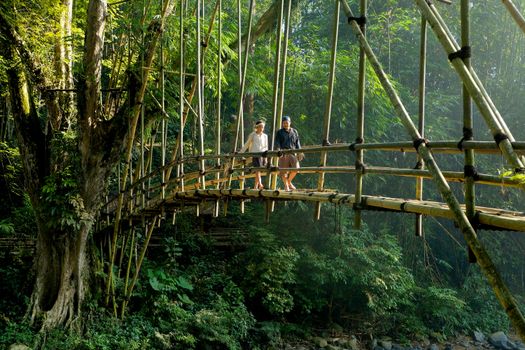
I stepped off the motorized cedar dugout canoe onto the slick, clay bank of the Tuichi River in the Bolivian Amazon. The air was a thick, humid soup scented with damp earth, wet river stones, and the sweet, heavy perfume of blooming wild ginger. High above in the emerald canopy, a pair of military macaws screeched, their scarlet tail feathers cutting through the green like neon signs.
My guide, Alejandro, a Quechua-Tacana man with eyes that could spot a camouflaged tree boa from fifty yards, swung my duffel bag onto his shoulder. As we walked toward the thatched roofs of Chalalán Eco-Lodge, he said something that has stuck with me on every journey since: "Many come here to take pictures of our forest. But when you stay here, you help us buy back our history."
``` [ Traditional Tourism ] [ True Profit-Sharing ] ┌─────────────────────┐ ┌─────────────────────┐ │ Multinational Corp │ │ Indigenous Community│ │ Takes 80-90% of │ │ Owns Land/Lodge │ │ Tourism Revenue │ │ Keeps 100% Profit │ └──────────┬──────────┘ └──────────┬──────────┘ ▼ ▼ ┌─────────────────────┐ ┌─────────────────────┐ │ Low-Wage Local Jobs │ │ Direct Funding for │ │ & Cultural Decay │ │ Schools & Medicine │ └─────────────────────┘ └─────────────────────┘ ```
For decades, the global travel industry has operated on an extractive model. Large, foreign-owned corporations build luxury lodges on ancestral lands, hire local Indigenous people for low-wage cleaning or kitchen jobs, and export 90% of the profits back to Western bank accounts. This is known as "tourism leakage," and it is the antithesis of ethical travel.
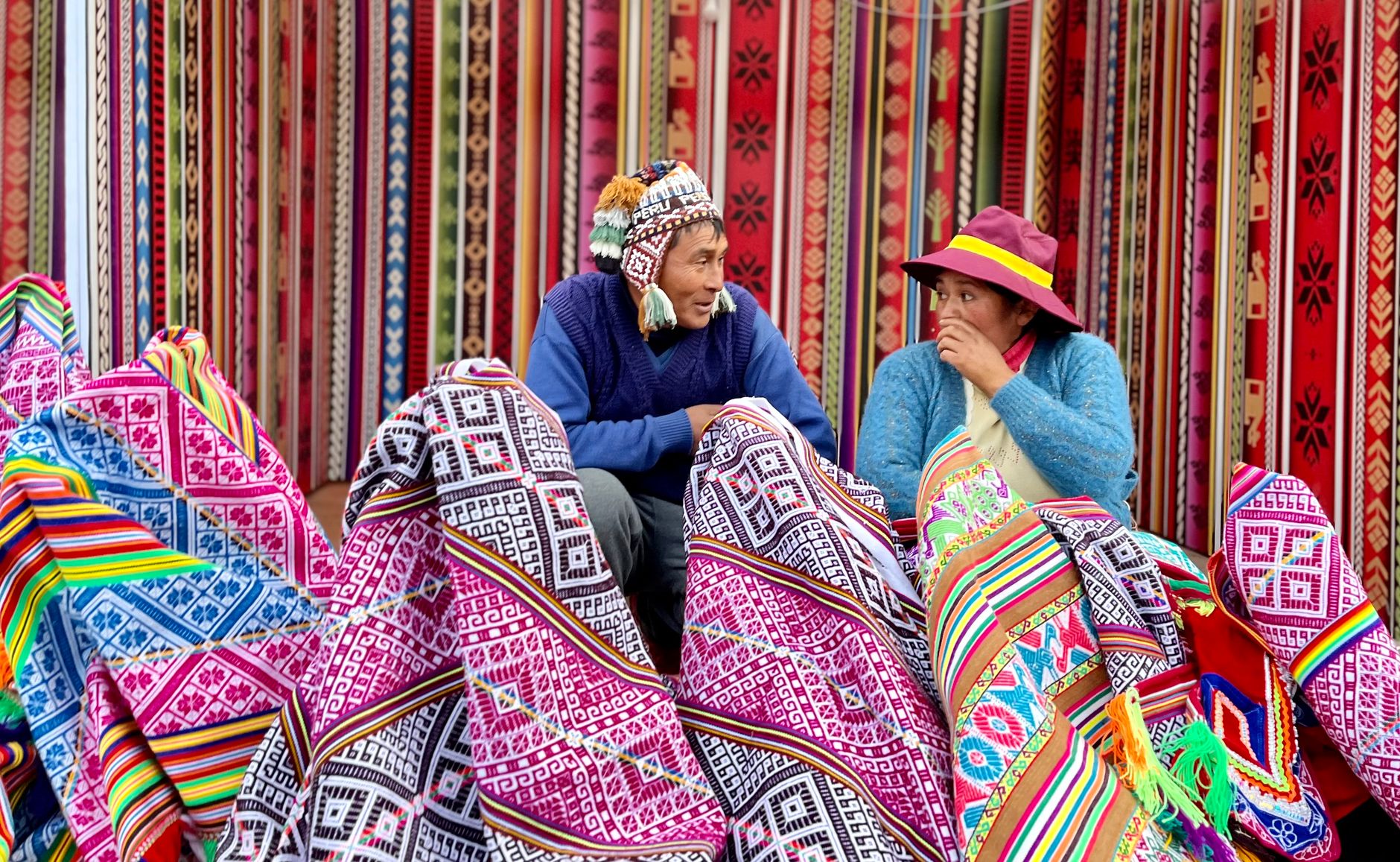
But a quiet revolution is happening. Across the globe, Indigenous communities are asserting their sovereignty through tourism. By designing, owning, and operating their own lodges and tour companies, they are creating robust profit-sharing models. In these structures, tourism revenue directly funds local healthcare, schools, land conservation, and cultural preservation.
If you want to ensure your hard-earned travel budget actually supports the people whose culture you are experiencing, here are the premier Indigenous tourism initiatives with profit-sharing models worth considering.
---
1. Chalalán Eco-Lodge: The Blueprint of Amazonian Sovereignty (Bolivia)
Deep within Madidi National Park—one of the most biodiverse protected areas on Earth—lies Chalalán Eco-Lodge. This is not just an eco-lodge; it is a historic triumph. In the early 1990s, the Quechua-Tacana community of San José de Uchupiamonas realized that logging companies were encroaching on their ancestral territory. Instead of selling their timber rights, they chose a radical alternative: they built an eco-lodge.
With help from Conservation International, the community constructed a stunning lodge using sustainably harvested local timber, bamboo, and palm thatch. By 2001, the community had gained 100% ownership of the lodge.
The Experience
Staying at Chalalán is a masterclass in sensory immersion. The cabins are built in the traditional Tacana style, keeping them remarkably cool without the need for energy-guzzling air conditioning.
At night, you will canoe across the glass-calm Chalalán Lagoon, watching the red eyes of caimans reflect your flashlight beam under a canopy of southern stars. In the dining hall, you will feast on dunucuabi—catfish seasoned with wild sweet basil, wrapped in bijao leaves, and slow-baked over open embers.
The Profit-Sharing Model
Every single cent of profit generated by Chalalán is split among the 74 families of San José de Uchupiamonas. The funds are channeled directly into:
- A community health clinic and emergency medical evacuation fund.
- High school scholarships and university grants for local youth.
- Clean water infrastructure for the village.
> Pro-Tip: Request Cabin 4. It sits closest to the lagoon edge, offering an unobstructed view of the morning mist rising off the water and a front-row seat to the troops of squirrel monkeys that feed in the nearby cecropia trees at 6:30 AM.
---
2. Cree Village Eco-Lodge: Arctic Gateway Luxury (Ontario, Canada)
Located on Moose Factory Island in the historic James Bay region of Northern Ontario, the Cree Village Eco-Lodge is a striking monument to First Nations self-determination. Built by the Moose Cree First Nation, this lodge is the first advanced eco-lodge of its kind in the sub-Arctic.
The Experience
The lodge’s architecture is inspired by the traditional shabatwon—a long, teepee-like dwelling used for community gatherings. Inside, the scent of fresh cedarwood and sweetgrass fills the air. The lodge features natural sheep’s wool insulation, organic cotton bedding, and non-toxic finishes throughout.
Here, you can experience the wild beauty of the Moose River, view migratory beluga whales, and participate in traditional smudge ceremonies led by Cree Elders.
``` ▲ [Shabatwon-inspired Architecture] ▲▲▲ ▲▲▲▲▲ <-- Natural Sheep's Wool Insulation ▲▲▲▲▲▲▲ [=======] <-- Hydronic Radiant Cedar Floors ```
The Profit-Sharing Model
The lodge is 100% owned by the Moose Band Development Corporation. Profits are reinvested into the community to support Cree language preservation programs, youth outdoor leadership camps, and sustainable economic development projects on the island.
> Pro-Tip: Plan your visit for late September or October. The northern latitude and lack of light pollution mean you can often view the dancing green ribbons of the Aurora Borealis directly from the lodge’s outdoor viewing deck.
---
3. Hoodia Desert Lodge & The ǂKhomani San (Namibia)
The Namib Desert is a landscape of stark, haunting beauty, characterized by towering apricot-colored sand dunes and ancient gravel plains. Along the Tsauchab River lies Hoodia Desert Lodge, which operates an innovative, highly successful joint-venture profit-sharing model with the local ǂKhomani San community.
The Experience
Hoodia consists of 11 luxury thatch-roofed chalets, designed to blend seamlessly into the desert environment. The interior features elegant, rustic decor, private outdoor showers, and private decks overlooking the desert expanse.
The highlight of any stay here is a guided walk with a ǂKhomani San tracker. You will learn how to read the desert floor like a newspaper—discovering how a tiny beetle harvests morning fog, or how to locate water-storing tubers buried deep beneath the parched sand.
The Profit-Sharing Model
While privately managed to ensure high-end luxury standards, Hoodia operates under a strict, legally binding joint-venture agreement with the San community.
- Direct Royalties: A fixed percentage of every guest's nightly rate goes directly into a community trust fund.
- Employment Equity: Over 80% of the lodge staff are from the local community, with fast-track training programs to move local staff into management roles.
- Land-Use Fees: The lodge pays ongoing lease fees directly to the community trust, which manages local development projects.
> Pro-Tip: Book the private sunset dune dinner. The lodge staff will set up a white-linen table amidst the red dunes of the Namib, where you will dine on local springbok carpaccio paired with cold South African Chenin Blanc as the sun dips below the horizon.
---
4. Sierra Gorda Ecotours: The Micro-Enterprise Revolution (Mexico)
In the rugged heart of Querétaro, Mexico, lies the Sierra Gorda Biosphere Reserve. Rather than a single giant lodge, the Grupo Ecológico Sierra Gorda has developed a brilliant, decentralized network of micro-enterprise cabins owned and operated entirely by local Mestizo and Pame Indigenous families.
The Experience
This is raw, unfiltered Mexico at its finest. You will stay in hand-built clay and straw-bale cabins run by local matriarchs.
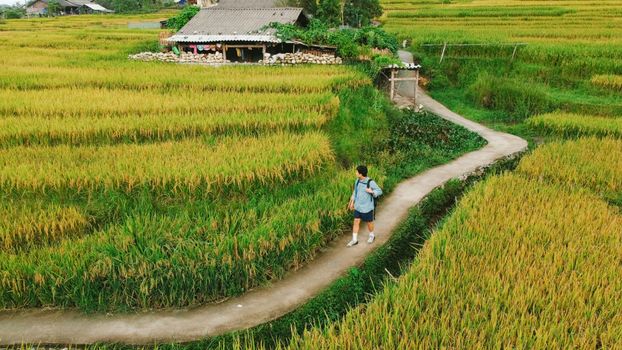
Your days will be spent hiking through dramatic limestone canyons, swimming in the turquoise waters of the Escanela River, and visiting ancient Franciscan missions. In the evenings, you will sit in a home kitchen, smelling the sweet aroma of fresh heirloom corn tortillas cooking on a wood-fired clay comal, while enjoying handmade goat cheese and locally sourced honey.
``` [ Sierra Gorda Decentralized Model ]
┌───► Family Cabin A (100% local profit) │ ───► ├───► Family Cabin B (100% local profit) │ └───► Local Guide Guild (Direct payout) ```
The Profit-Sharing Model
Because this is a cooperative network, there is no corporate middleman.
- 100% Direct Retention: The family running your cabin keeps 100% of the accommodation fee.
- The Food Trail: Meals are sourced from a network of certified fondas (traditional roadside diners) run by local women, ensuring tourism dollars are distributed evenly across the entire geography of the reserve.
> Pro-Tip: When visiting the community of San Joaquín, ask for Doña Maria. She makes a legendary wild apple liqueur in her kitchen that she sells in recycled glass bottles. It is the perfect digestif after a day of hiking.
---
The Ultimate Ethical Travel Checklist: How to Spot the Fakes
Not every lodge that claims to be "indigenous-friendly" actually practices fair profit-sharing. Before you book, use this quick checklist to audit your accommodation:
- Who owns the land? Is the lodge built on land owned by the community, or has the land been leased/bought by a foreign developer? True profit-sharing starts with land sovereignty.
- What is the management structure? Are Indigenous people only working as cleaners, gardeners, and drivers, or do they hold positions as lodge managers, accountants, and lead guides?
- Is there a transparent community trust? Does the lodge clearly state on its website what percentage of revenue goes to the community, and how those funds are managed?
- Are cultural experiences respectful? Are cultural visits structured as reciprocal exchanges, or do they feel like "human zoos"? Look for lodges that limit group sizes and forbid unprompted photography.
---
Quick Facts & Logistics
| Destination | Est. Cost (USD/Night) | Best Time to Visit | How to Get There | | :--- | :--- | :--- | :--- | | Chalalán Eco-Lodge (Bolivia) | $250 - $350 (All-inclusive) | May to October (Dry season) | Fly from La Paz to Rurrenabaque; take a 3-hour motorized canoe ride up the Tuichi River. | | Cree Village Eco-Lodge (Canada) | $180 - $260 | June to September / Jan to March | Take the Polar Bear Express train from Cochrane to Moosonee, then a water taxi to Moose Factory Island. | | Hoodia Desert Lodge (Namibia) | $450 - $600 | May to September (Cooler months) | Fly into Windhoek; rent a 4x4 vehicle and drive 4.5 hours south to the Sossusvlei area. | | Sierra Gorda Ecotours (Mexico) | $60 - $120 | November to April | Fly into Querétaro International Airport; rent a car or take a local bus to Jalpan de Serra. |
---
Why Your Choice Matters Now More Than Ever
Every time you swipe your credit card for a vacation, you are casting a vote for the kind of world you want to build. You can choose to fund a billionaire's third superyacht, or you can choose to fund a clean water well for a village in the Amazon, a Cree language immersion school in the sub-Arctic, or a wildlife conservation patrol in the Namib Desert.
Indigenous tourism with profit-sharing models worth considering isn't just a niche travel trend. It is the future of sustainable, regenerative exploration. It is a way to travel that leaves you deeply changed, while leaving the destination genuinely better off.
Pack your bags, do your research, and go make your travel dollars count.
---