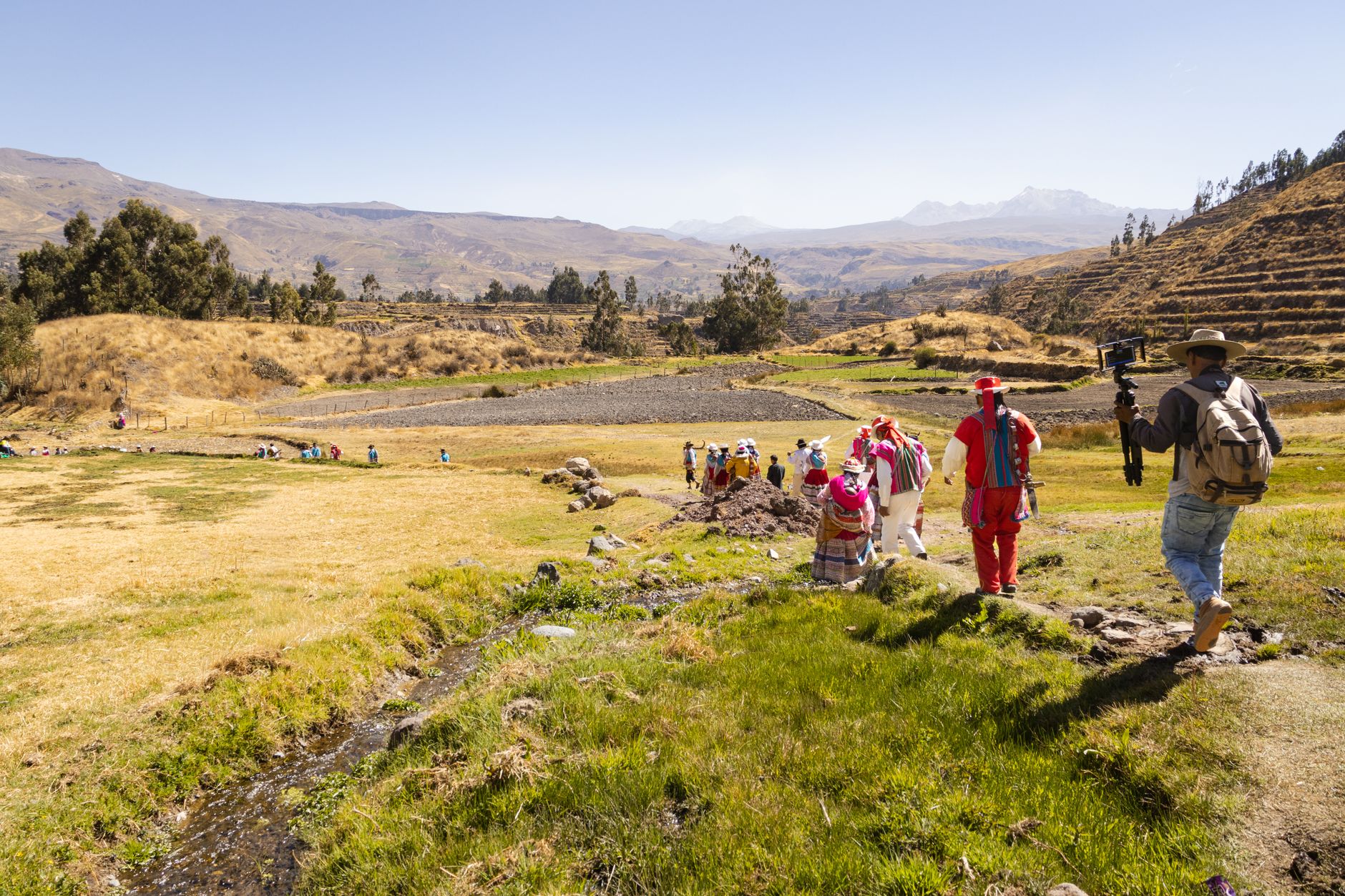
Indigenous tourism covers a wide range of experiences, from guided walks on traditional lands to art workshops, accommodation and cultural performances. When it is led by Indigenous people and structured so that community members benefit directly, it can support cultural continuity and local economies. When it is not, it can reinforce stereotypes or extract value without returning it. Because the term covers so many different arrangements, visitors benefit from knowing which questions to ask and which signals to look for. The sections below cover profit-sharing, how to evaluate operators, accommodation and craft, cultural protocols, questions to ask, common mistakes, a decision framework and an FAQ.
What profit-sharing means in practice
Profit-sharing arrangements distribute part of the income from tourism to community members, organizations or shared funds. Structures vary considerably. Some operators are wholly owned by an Indigenous nation, family or community organization. Others are joint ventures in which a community holds a share, receives royalties or directs funds to programs such as education, language revitalization or elder care.
Profit alone does not describe who controls the experience. Ask how revenue is divided, what proportion goes to the community and who decides how shared funds are spent. Transparent operators can usually explain these arrangements in plain terms, and they may be able to describe how community priorities shape planning and staffing. Vague answers about benefit are a reason to pause and look further.
Telling genuine experiences from imitations
Genuine community-led experiences usually provide clear information about who owns and runs the business, which community or nation is involved and how guides are trained and selected. Their materials tend to name specific places, histories and people rather than relying on generic phrases. They also explain what visitors can and cannot see, and they respect decisions about privacy, sacred knowledge and restricted areas.
Be cautious of operators that use broad cultural language without naming a community, or that stage ceremonies as entertainment without context or consent. Look at whether the business is listed with community-run organizations, whether it credits local artists and whether it invites feedback from the community. The label Indigenous alone does not confirm that benefits flow back to the people described, so verification is worthwhile.
Accommodation, guiding and craft
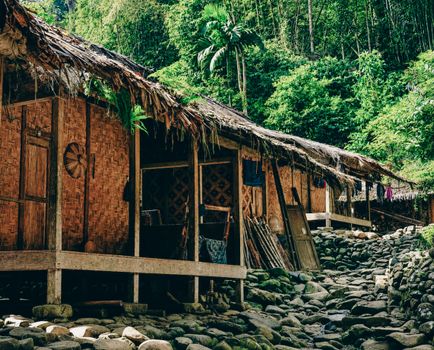
Indigenous-owned lodges, guided tours and workshops can offer a direct way to learn from community members. Guides may share stories, language, land knowledge and history that are rarely found in standard tourism materials. Accommodation may be built with local materials or located on land managed by the community, and the day-to-day experience may feel more personal than a large commercial hotel.
Crafts are another way to support local artists. Buying directly from artists or from community-run shops keeps more of the income in the community. Ask whether items are made locally, whether the artist is credited and whether the piece is authentic rather than mass-produced. Keep receipts, and ask about rules before carrying any craft item across a border, since some materials, such as certain animal products or plant materials, are regulated.
Respectful visiting and cultural protocols
Visitors should follow the instructions of hosts, including rules about photography, entry to particular sites and behavior at gatherings. Some places and knowledge are restricted, and some ceremonies are not open to outsiders at all. Avoid assumptions about a culture based on a single experience, because communities differ widely in language, history, governance and customs, even when they share a region.
Asking thoughtful questions is welcome, but pressing for information that hosts have chosen not to share is not. If you are unsure what is appropriate, pause and ask before acting. Dress and behavior expectations are often explained at the start of a visit. Listening carefully and accepting that some answers will be partial is part of a respectful encounter.
Questions to ask before booking
Ask who owns the business, how the community benefits, how long the operator has worked with the community and how guides are selected, trained and paid. Find out whether the experience was designed with community input and whether visitor numbers are managed to limit impact on land, sites and families. These questions give you a clear basis for comparing providers.
A reputable operator will answer openly and may welcome the questions as a sign of genuine interest. Ask whether the community has approved the content of the experience, what happens to visitor feedback and how the operator handles concerns raised by community members. If answers are vague or evasive, consider choosing another provider, even if the price is attractive.
Common mistakes to avoid
A common mistake is assuming that any tour with Indigenous imagery is community-run. Another is booking through a third-party platform that keeps most of the fee and gives little information about the operator. Visitors also sometimes treat a single performance or workshop as a full account of a culture, which can flatten complex histories into a short show.
Some travelers photograph or record without asking, or share posts that reveal locations hosts asked to keep private. Others press guides for stories that are not theirs to share. Some visitors leave without purchasing anything or saying thanks, which is easy to avoid by planning a fair price and a courteous farewell in advance.
A decision framework for choosing a stay
Use a simple framework to compare options. First, confirm ownership and benefit: who owns the business and who receives the revenue. Second, check transparency: how openly the operator answers questions and whether it names the community involved. Third, assess respect: whether it explains protocols, limits visitor numbers and avoids staged performances without context.
Fourth, consider fit: whether the experience matches your interests, accessibility needs and willingness to follow local guidance. Score each option on these four points and favor the one that performs well overall rather than the one with the most attractive marketing. If two options score similarly, the more transparent operator is usually the better choice.
Frequently asked questions
Is Indigenous tourism only about cultural learning? No. It can include lodging, food, outdoor activities and crafts as well. The key question is who leads the experience and who benefits from it.
How can I tell whether a tour is community-owned? Look for named ownership, community contact details and clear explanations of governance. Ask the operator directly if the information is unclear.
Should I tip guides? Practices vary by community and country. Ask the operator for guidance before the visit.
What if I make a mistake? Apologize sincerely, listen and follow the host's guidance. Most hosts value good faith and a willingness to learn.
Indigenous tourism can offer some of the most meaningful encounters a traveler will have, but those encounters depend on respect, transparency and community control. By choosing operators that share benefits fairly, following local protocols and asking clear questions, visitors can help ensure that tourism supports the people whose lands and cultures they come to learn about.