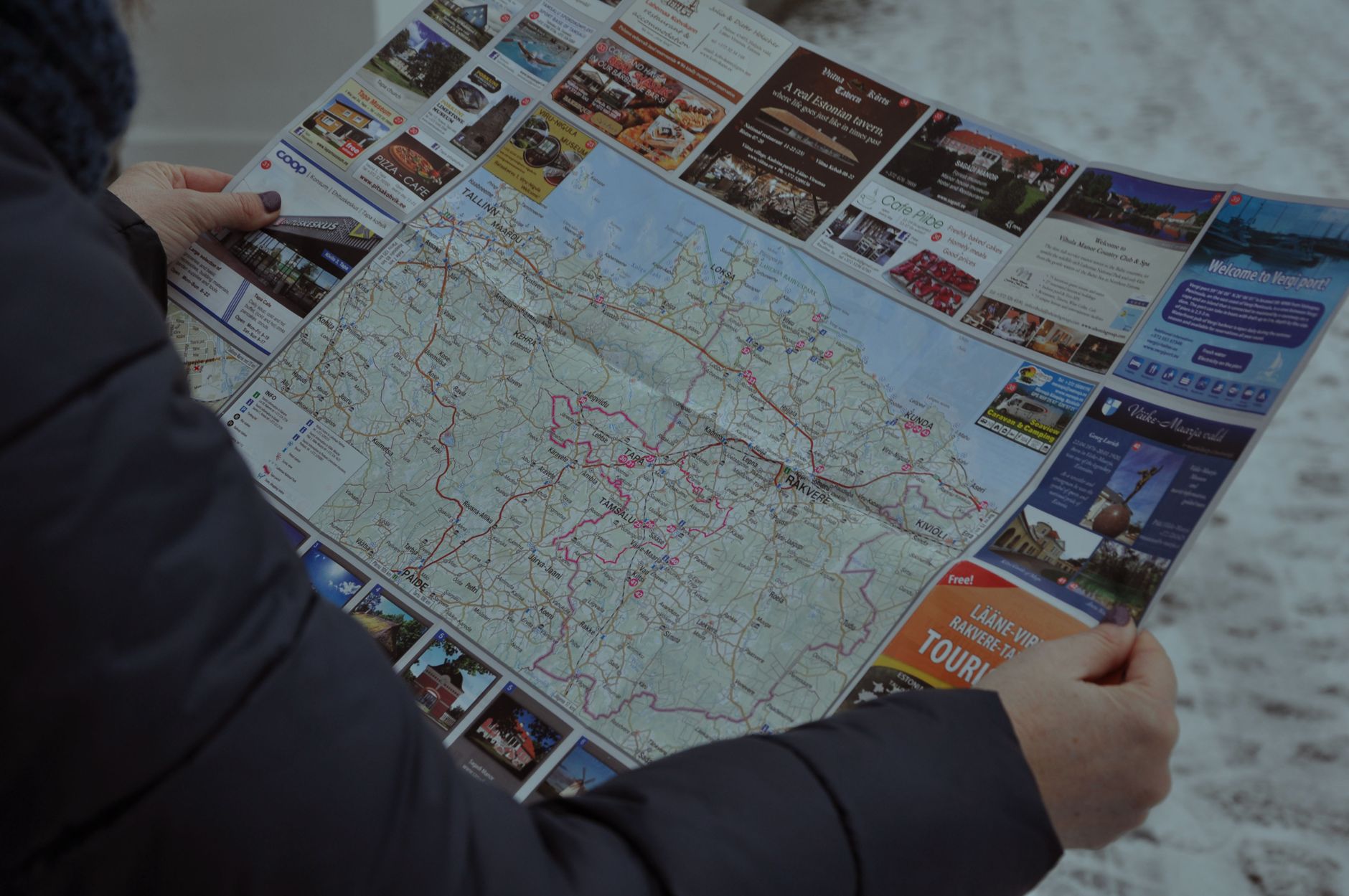
A short trip to a neighboring country can be a satisfying addition to a stay in a border city. Several cities in Europe and elsewhere sit close enough to another country that a visit is possible within a few hours, and in some regions the border is crossed daily by commuters and shoppers. The practical details, however, are not always as simple as the map suggests. Entry rules, identity checks, currency, language and public transport can all affect how long a trip takes. This guide explains how to think about a cross-border day trip, what to check and how to keep the plan realistic.
Choosing a Destination
Begin with the travel time rather than the distance. A city that appears close on a map may take longer to reach because of the route, traffic, rail connections or the time needed at the border. Look at timetables for trains, buses and ferries, and compare them with any car journey. In some regions, cross-border services run frequently and are inexpensive, which makes a day trip simple. In others, connections are limited, and a longer schedule may be needed.
Consider what you want to see or do. A neighboring town may offer a different language, cuisine and architecture, while a larger city may provide museums and shops. Choose one clear focus for the day, so you are not rushing between several places.
Checking Entry Requirements
Entry rules for crossing a border depend on your nationality, your passport and the countries involved. Some travelers can enter neighboring countries without a visa for short stays, while others need documentation in advance. Check the official foreign ministry or embassy guidance for your nationality, and check the immigration authority of the country you plan to enter. Passport validity requirements can also apply, and some countries have rules about how long a passport must remain valid after arrival.
Border checks may take longer than expected, especially at busy times or during periods of heightened security. Carry your passport or the required identity document at all times, and keep any visa or registration confirmation accessible. Rules can change at short notice, so verify them shortly before you travel.
Money, Language and Connectivity
Currency is a practical consideration. Some border areas accept both currencies informally, but this is not guaranteed, and exchange rates can differ from those at banks. Carry a small amount of the local currency for small purchases and check whether cards are widely accepted. Mobile phone roaming charges and data plans also vary, so check your provider's terms for the countries you will visit.
Language can differ from the city you are leaving, even in close proximity. Basic phrases such as greetings, numbers and common requests can make interactions smoother. Signs may be in the local language only, so a translation app can be helpful.
Customs and Purchases
If you plan to buy goods, check the customs allowances for returning to your home country and for entering the neighboring country. Limits on alcohol, tobacco, food and other items vary, and some products may be restricted. Keep receipts, follow declaration rules and check the customs authority's current guidance before buying large quantities.
Keeping the Trip Manageable
A useful rule is to leave a generous margin for the return journey. Check the last departure time back to your starting city, and allow time for border queues, ticket machines or platform changes. Plan one main activity rather than a long list, and consider eating a meal in the new country so the trip feels complete. If you are traveling with children or people with limited mobility, check accessibility of transport and attractions in advance.
Practical tips
Start by confirming entry rules for your nationality, and keep official contact details for your embassy or consulate. Download timetables and maps before leaving. Carry a small backup payment method and some local currency. Keep your passport, travel insurance details and emergency contacts in one accessible place. Dress for the weather and carry water and a light snack. Allow extra time at the border, particularly on weekends and public holidays. Keep your phone charged and note your return route, because signal and transport information can be less reliable away from city centers.
Common Mistakes to Avoid
A frequent error is leaving the border city with too little time to return. Travelers often plan the outbound journey carefully but underestimate the queues, ticket machines and platform changes on the way back. Another mistake is assuming that every shop, café or ticket machine will accept the same payment methods on both sides. Small cafés may accept only cash, and card terminals can fail, so carrying a little of each currency and a backup payment method reduces stress.
Some visitors also overlook phone plans. Automatic data connections can switch networks at the border and create unexpected charges, so check settings before crossing. Finally, do not rely on a single timetable or map screenshot saved weeks in advance. Services can change, and public holidays may alter schedules. Confirm the latest information shortly before you travel, and keep the operator's contact details accessible in case of disruption.
What to Check Before Booking or Travelling
Before buying tickets or planning a route, confirm the basics. Look at the operator's official timetable for the exact day you plan to travel, and note whether reservations are required for certain trains or buses. Check the station or stop you will use on each side, since some border towns have more than one. If you plan to return the same day, note the last service and build in at least an hour of slack.
Make sure your documents are ready well before the crossing. Keep your passport or identity card where you can reach it, and check whether your nationality needs any advance registration. It is also worth checking local opening hours for the shops or attractions you want to visit, as many close early or observe a midday break. Finally, consider whether the day suits the weather, and whether you can carry what you will need without a bulky bag.
A cross-border day trip from a border city can add variety to a trip without much extra planning, provided the entry rules, travel times and return schedule are checked in advance. Keeping the day focused and allowing time for border procedures makes the outing more relaxed and more likely to go smoothly.