Uncover Secrets: The World's Most Authentic Hand-to-Mouth Dining Experiences Locals Don't Want You to Know About
The clinking of cutlery, the polite restraint of a fork and knife – sometimes, it feels like a barrier, doesn't it? A thin metallic wall between you and the true essence of a meal. But what if I told you that some of the world's most profound, delicious, and deeply authentic dining experiences happen when you ditch those utensils entirely?
I remember my first time. It was in a bustling back alley in Marrakech, the air thick with the scent of spices and mint tea. I was timidly trying to navigate a tagine with a fork, feeling utterly out of place, when an elderly woman at the next table, her eyes twinkling with amusement, simply pushed a piece of khobz (Moroccan bread) towards me. She gestured, encouraging me to tear, scoop, and embrace the mess. That moment was a revelation. It wasn't just about the food; it was about connection, culture, and a sensory awakening I hadn't realized I was missing.
This isn't just about getting messy; it's about getting real. Eating with your hands is a practice steeped in tradition, respect, and a primal connection to your food. It’s how billions of people around the globe eat every single day. And often, it’s in these very places – the unassuming, the bustling, the ones off the main tourist drag – that you’ll find the most incredible flavors and the warmest hospitality. These are the restaurants where locals gather, where the food tells a story, and where tourists, often unknowingly, miss out on an experience that transcends mere sustenance.
So, put down that knife, forget that fork, and let’s embark on a journey to uncover some of the world’s best hand-to-mouth dining experiences. These aren't just meals; they're invitations to a cultural immersion that locals guard fiercely, but are willing to share with those adventurous enough to embrace the tradition.
The Ethiopian Feast: Injera, Wot, and the Art of Gursha
My first encounter with Ethiopian cuisine was a game-changer. I was in Washington D.C.'s "Little Ethiopia" district, drawn by the intoxicating aromas wafting from an unassuming restaurant. Inside, a communal platter, wider than any I’d seen, was laden with vibrant stews and colorful mounds of vegetables, all resting on a spongy, pancake-like bread called injera. There were no plates, no cutlery – just stacks of injera on the side.
What to Expect: Ethiopian dining is inherently communal and intimate. The injera serves as both your plate and your utensil. You tear off a piece, pinch it between your fingers, and use it to scoop up mouthfuls of various "wot" (stews) – from spicy Doro Wot (chicken stew) to rich Shiro Wot (chickpea stew) and a medley of lentil and vegetable dishes. The slightly sour, fermented taste of the injera perfectly complements the rich, complex flavors of the stews, which are often spiced with berbere, a fiery red chili powder.
But the true magic comes with gursha. This beautiful tradition involves feeding a choice morsel to your dining companion, a gesture of friendship, love, and respect. It's an intimate act that instantly breaks down barriers and fosters a deep sense of connection. I remember a local woman, noticing my initial hesitation, gently offered me a gursha, a tender piece of lamb wrapped in injera. It wasn't just food; it was an embrace.
Where to Find It: While Addis Ababa is the ultimate destination for authentic Ethiopian, vibrant Ethiopian communities worldwide (like in D.C., Los Angeles, London, and Melbourne) boast incredible restaurants. Look for places with a bustling atmosphere, where families are sharing platters and the aroma of roasted coffee fills the air.
- Addis Ababa, Ethiopia: Try Yod Abyssinia Cultural Restaurant. While it caters a bit to tourists with its cultural show, the food is authentic, and it's a great introduction. For a more local, no-frills experience, ask a taxi driver to take you to a busy neighborhood injera house – you’ll pay next to nothing and eat like royalty.
- Washington D.C., USA: Ethiopic Restaurant or Zenebech Restaurant on U Street are legendary. Expect to pay around $15-25 per person for a generous platter.
- Price Point: Very budget-friendly to moderate. A large platter for 2-3 people can range from $10-$30 depending on location.
Tripsora Tip: Always wash your hands before and after! And don't be afraid to ask for a gursha – it’s a wonderful way to connect.
Banana Leaf Bliss: South Indian Thali and the Art of the Scoop
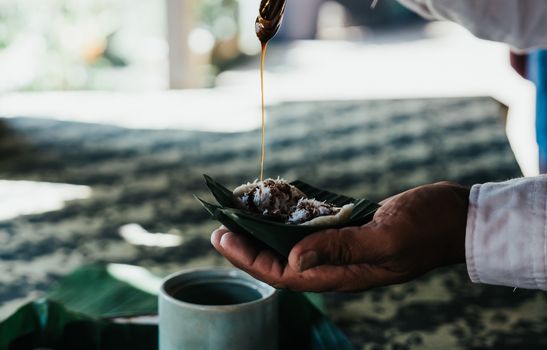
My journey into the world of banana leaf dining began in Chennai, India. I walked into a simple, open-air restaurant, and before I could even sit, a large, fresh banana leaf was placed before me. Moments later, a flurry of servers arrived, expertly spooning mounds of rice, a dollop of ghee, and then ladle after ladle of various curries, chutneys, sambar, rasam, and vegetable preparations directly onto the leaf. It was a kaleidoscope of colors and aromas.
What to Expect: Eating a South Indian thali on a banana leaf is a symphony of flavors and textures. The leaf itself imparts a subtle, earthy aroma to the food. You mix small portions of rice with different curries, using your fingers to blend and scoop. The goal is to create the perfect bite – a little bit of spicy curry, a touch of tangy pickle, and the soothing rice. There’s a specific technique: use only your right hand, gather the food with your fingers, bring it to your thumb, and gently push it into your mouth. It feels awkward at first, but incredibly satisfying once you get the hang of it.
The beauty of this meal is its endless variety. Each small serving offers a different taste profile – spicy, sour, sweet, bitter, umami. And the best part? It's often an "all-you-can-eat" affair, with servers constantly circling, offering refills of rice and curries. When you’re done, you fold your leaf inwards (signifying satisfaction) and it’s swiftly cleared.
Where to Find It: Southern India is the heartland of this tradition, particularly states like Tamil Nadu, Kerala, and Karnataka. You’ll also find fantastic banana leaf restaurants in Malaysia and Singapore, brought by the Indian diaspora.
- Chennai, India: Skip the big chains like Saravana Bhavan (though good) for lunch. Ask a local auto-rickshaw driver for a "good local mess" or a "cheap banana leaf meal." You'll often find these tucked away in bustling markets or residential areas. Murugan Idli Shop branches often offer it, or try Hotel Virudhunagar Sri Ramanaas for a more local feel.
- Kuala Lumpur, Malaysia: Vishal Food & Catering in Brickfields (Little India) is a highly recommended spot, known for its authentic flavors and generous portions.
- Price Point: Extremely budget-friendly. A full meal can cost anywhere from $2-$8 USD.
Tripsora Tip: Don't be shy about making a mess! It's part of the experience. Also, try mixing a little bit of everything – that's where the magic happens.
The Filipino Boodle Fight: A Communal Celebration of Abundance
Imagine a long table, covered with banana leaves. On top, a glorious spread of grilled meats, seafood, rice, and fresh vegetables – no plates, no cutlery, just pure, unadulterated deliciousness. This is a "boodle fight," a Filipino military tradition turned into a joyous communal dining experience. It's less about a specific restaurant and more about a style of eating that epitomizes Filipino hospitality and love for food.
What to Expect: A boodle fight is an event. Friends and family gather, standing around the table, and once the "command" is given (often just a cheerful "Kain na!" – Let's eat!), everyone digs in with their bare hands. The food is typically a vibrant mix: grilled pork belly (liempo), crispy fried fish, steamed crabs, shrimp, adobo (chicken or pork braised in vinegar and soy sauce), lumpia (spring rolls), and mountains of garlic rice. Fresh mangoes, tomatoes, and salted eggs often complete the spread.
The atmosphere is electric – laughter, chatter, and the happy sounds of people enjoying food together. It's a truly hands-on, no-holds-barred experience that fosters deep bonds and creates unforgettable memories. It's about sharing, abundance, and the pure joy of eating.
Where to Find It: While you won't find specific "boodle fight restaurants" in the same way you find other eateries, many Filipino restaurants (especially those specializing in traditional Filipino cuisine) will offer to set up a boodle fight for groups. It's also a popular activity for family gatherings and celebrations.
- Manila, Philippines: Ask locals or your hotel concierge for restaurants that cater to boodle fights for groups. Kamayan sa Palaisdaan in Tayabas, Quezon (a bit outside Manila but worth the trip) offers a fantastic traditional experience by a lake. Many modern Filipino restaurants in Manila like Locavore or Manam can also arrange smaller, upscale boodle fights.
- Los Angeles, USA (or other major cities with Filipino communities): Look for restaurants that advertise "kamayan" (the Tagalog word for eating with hands) or "boodle fight" experiences. Many will require advance booking for groups.
- Price Point: Varies widely depending on the number of people and the seafood/meat selections, but generally very good value for the amount of food. Expect $20-$40 per person for a lavish spread.
Tripsora Tip: Wear comfortable clothes you don't mind getting a little messy. And hydrate – the mix of salty, savory, and sometimes spicy dishes will make you thirsty!
Moroccan Tagine & Mezze: Dipping into Tradition with Khobz
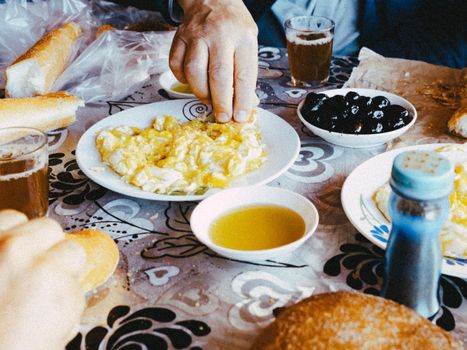
Back to where my hand-eating journey began: Morocco. Here, the communal act of sharing food, especially from a central tagine or platter of mezze, is fundamental to dining. The primary utensil isn't a fork, but a piece of khobz, the country's ubiquitous, round, rustic bread.
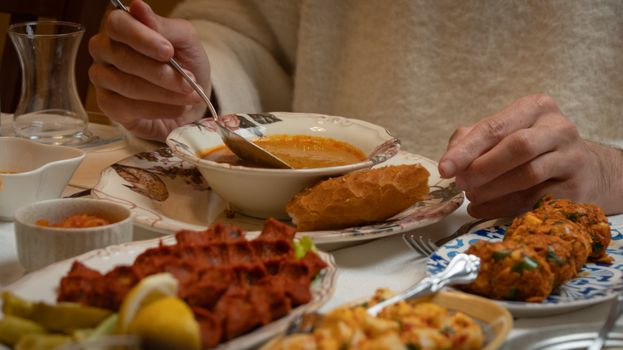
What to Expect: A tagine, the iconic conical clay pot, arrives steaming hot at the center of the table. Inside, tender meat (lamb, beef, or chicken) is slow-cooked with vegetables, olives, and fragrant spices like cumin, turmeric, and saffron. Around it, small plates of vibrant salads (zaalouk – eggplant dip, taktouka – roasted pepper and tomato salad), olives, and perhaps a bowl of harira soup might appear.
The ritual is simple yet profound: tear off a piece of khobz with your right hand, use it to scoop up the succulent meat, the soft vegetables, and the rich sauce from the tagine. The bread is also perfect for dipping into the various mezze. It’s a wonderfully tactile experience – feeling the warmth of the bread, the texture of the stew, and the communal rhythm of everyone reaching into the same pot.
I remember sitting in a small, nameless eatery deep within the souks of Fes, sharing a lamb tagine with a group of locals. The conversation flowed as easily as the mint tea, and each shared bite felt like a shared story. There was a genuine warmth and hospitality that transcended language barriers.
Where to Find It: Throughout Morocco, from the bustling medinas to tranquil mountain villages, this style of eating is the norm.
- Marrakech, Morocco: Beyond the tourist-heavy Jemaa el-Fnaa, venture into the less-trodden alleys of the medina. Look for small, family-run restaurants (often called "snack" or "restaurant traditionnel") that don't have English menus. Ask for "tagine de viande" (meat tagine) or "tagine de poulet" (chicken tagine). For a slightly more refined but still authentic experience, try Bazaar Café or Nomad (book ahead!).
- Paris, France (or other cities with large North African populations): Many Moroccan and Algerian restaurants will serve tagines with khobz. Look for authentic, no-frills places in neighborhoods like Belleville or Goutte d'Or in Paris.
- Price Point: Very affordable. A tagine can cost $5-$15 USD, with mezze adding a few dollars more.
Tripsora Tip: Don't be afraid to use your fingers to pull apart the tender meat in the tagine. The khobz is your best friend here – use it generously to soak up all those delicious juices!
The Art of Eating with Your Hands: Practical Tips & Etiquette
Embracing hand-to-mouth dining is an adventure, but a little preparation and cultural awareness go a long way.
- Wash Your Hands Thoroughly: This is paramount. Before you even think about touching your food, ensure your hands are impeccably clean. Carry hand sanitizer or wet wipes for convenience, especially when traveling.
- Use Your Right Hand (Mostly): In many cultures, particularly in South Asia, the Middle East, and parts of Africa, the left hand is traditionally considered unclean. Always use your right hand for eating and for passing food.
- Observe the Locals: When in doubt, watch how the people around you are eating. Mimic their technique, their pace, and their etiquette. This is the best way to learn and show respect.
- Don't Be Afraid to Get Messy (Within Reason): Part of the experience is the tactile connection. Expect your fingers to get saucy. However, try to keep the mess contained to your immediate eating area.
- Master the Scoop: For rice and curries, practice forming a small, manageable ball with your fingers and thumb. For stews, use bread or injera to scoop.
- Keep it Polite: Avoid licking your fingers too loudly or picking food out of your teeth at the table. If you need to clean your fingers during the meal, use a napkin or a small bowl of water often provided.
- Don't Double-Dip (Unless It's a Boodle Fight!): If sharing from a communal dish, try to take a portion onto your individual plate (or banana leaf/injera) before eating, rather than repeatedly dipping your hand into the main serving. Boodle fights are an exception where communal digging is the whole point!
- Embrace the Experience: The most important tip? Relax, smile, and enjoy the moment. This isn't just about food; it's about cultural immersion and connecting with people through one of life's most fundamental pleasures.
The Unspoken Language of Food
Eating with your hands is more than a novelty; it's a gateway. It’s an act of cultural immersion that breaks down barriers faster than any phrasebook. It forces you to slow down, to engage all your senses – the aroma, the texture, the warmth of the food against your skin, the flavors exploding on your tongue. It’s an invitation to connect with the people, the traditions, and the very soul of a place in a way that cutlery simply can’t facilitate.
These aren't just restaurants; they're classrooms, community centers, and places of profound joy. They’re the hidden gems locals cherish, where authenticity isn't a marketing buzzword but a way of life. By stepping out of your comfort zone and embracing this ancient, beautiful tradition, you’re not just having a meal – you’re creating a memory, forging a connection, and discovering a side of the world that most tourists only dream of.
So, on your next adventure, dare to ditch the fork. Seek out these vibrant, unpretentious eateries. Ask a local where they eat. And prepare for an experience that will not only fill your stomach but also enrich your soul.
Which hand-to-mouth adventure will you embark on first? Share your thoughts and tell us about your own utensil-free dining experiences in the comments below!